
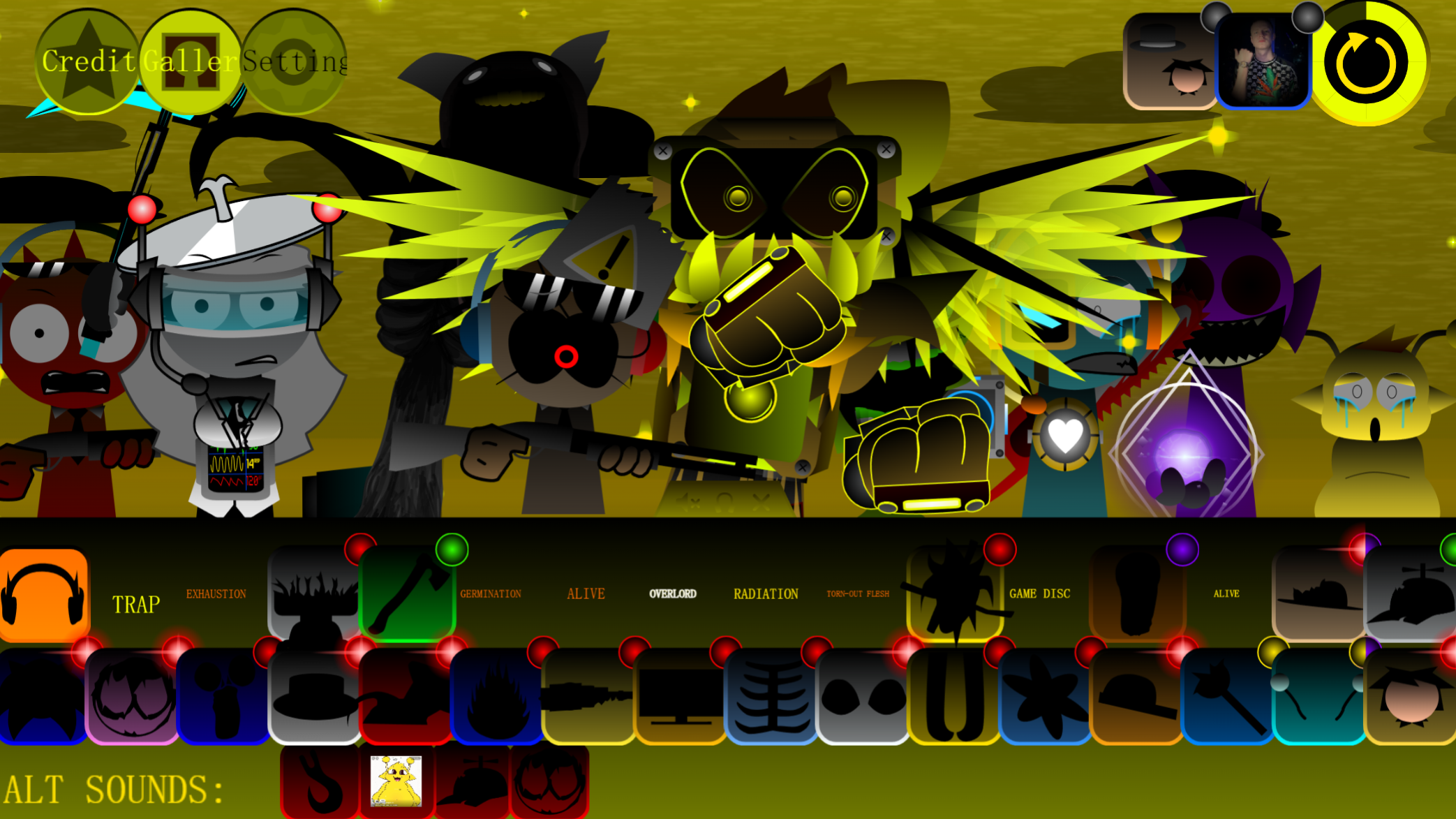
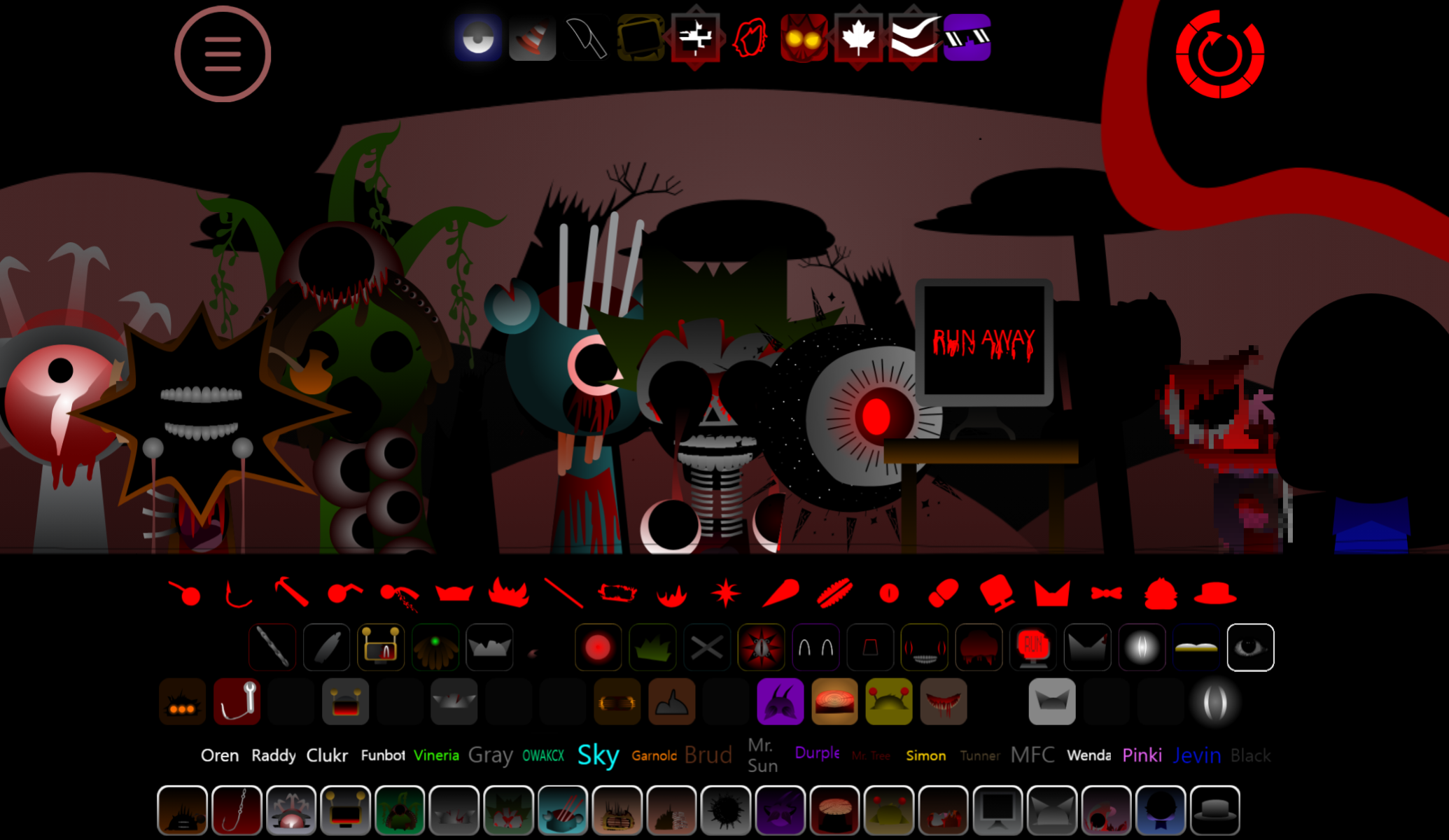
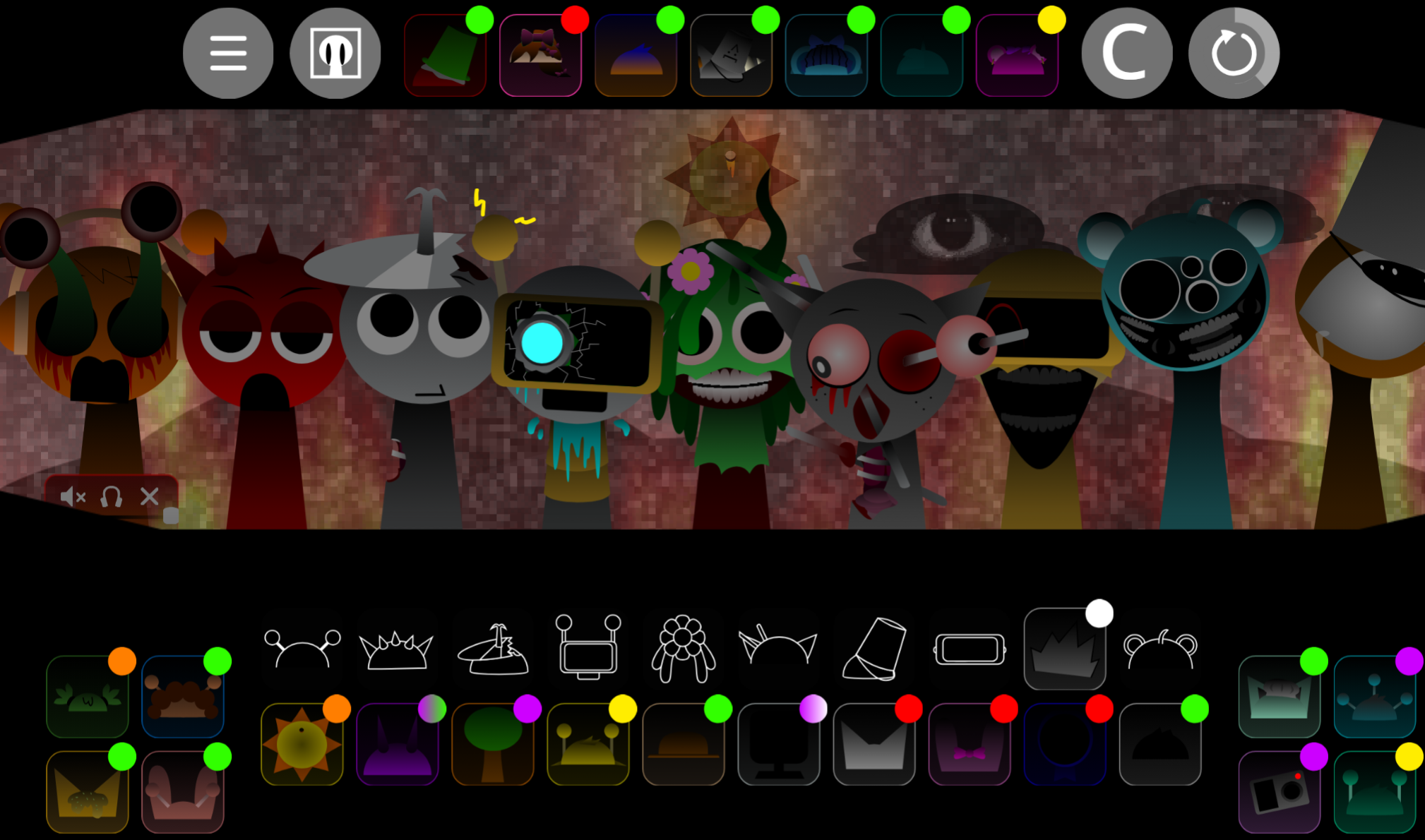
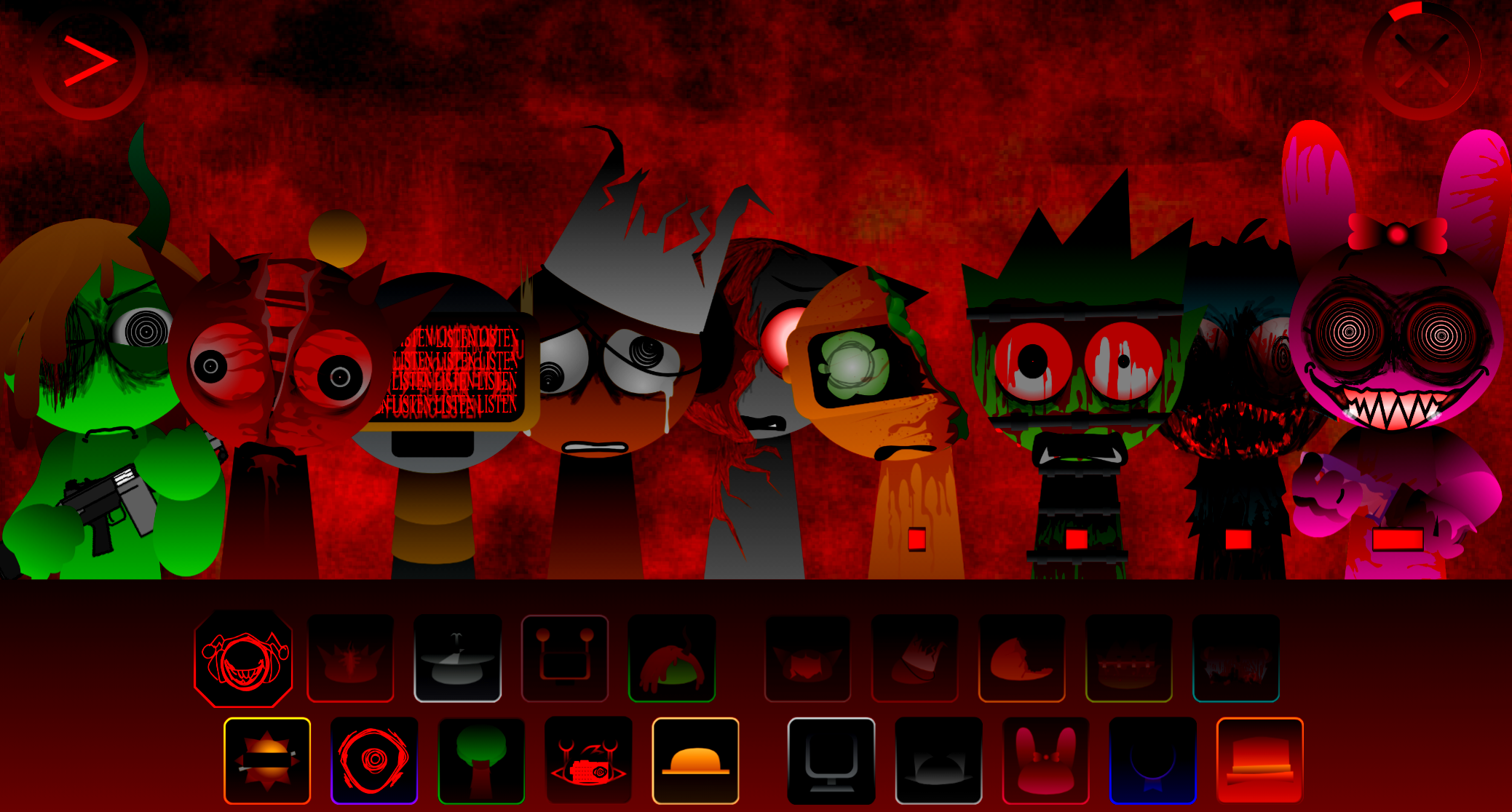
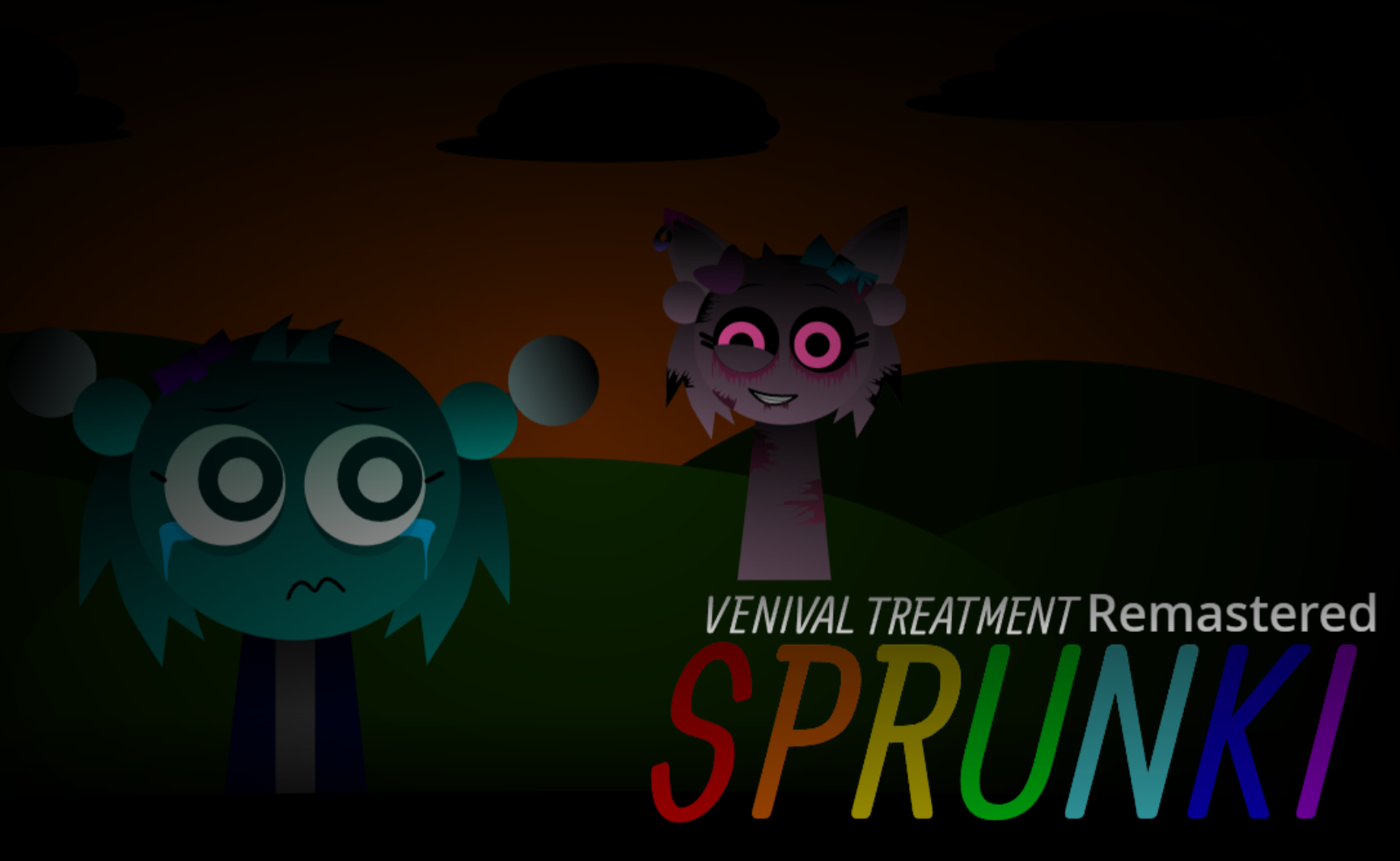
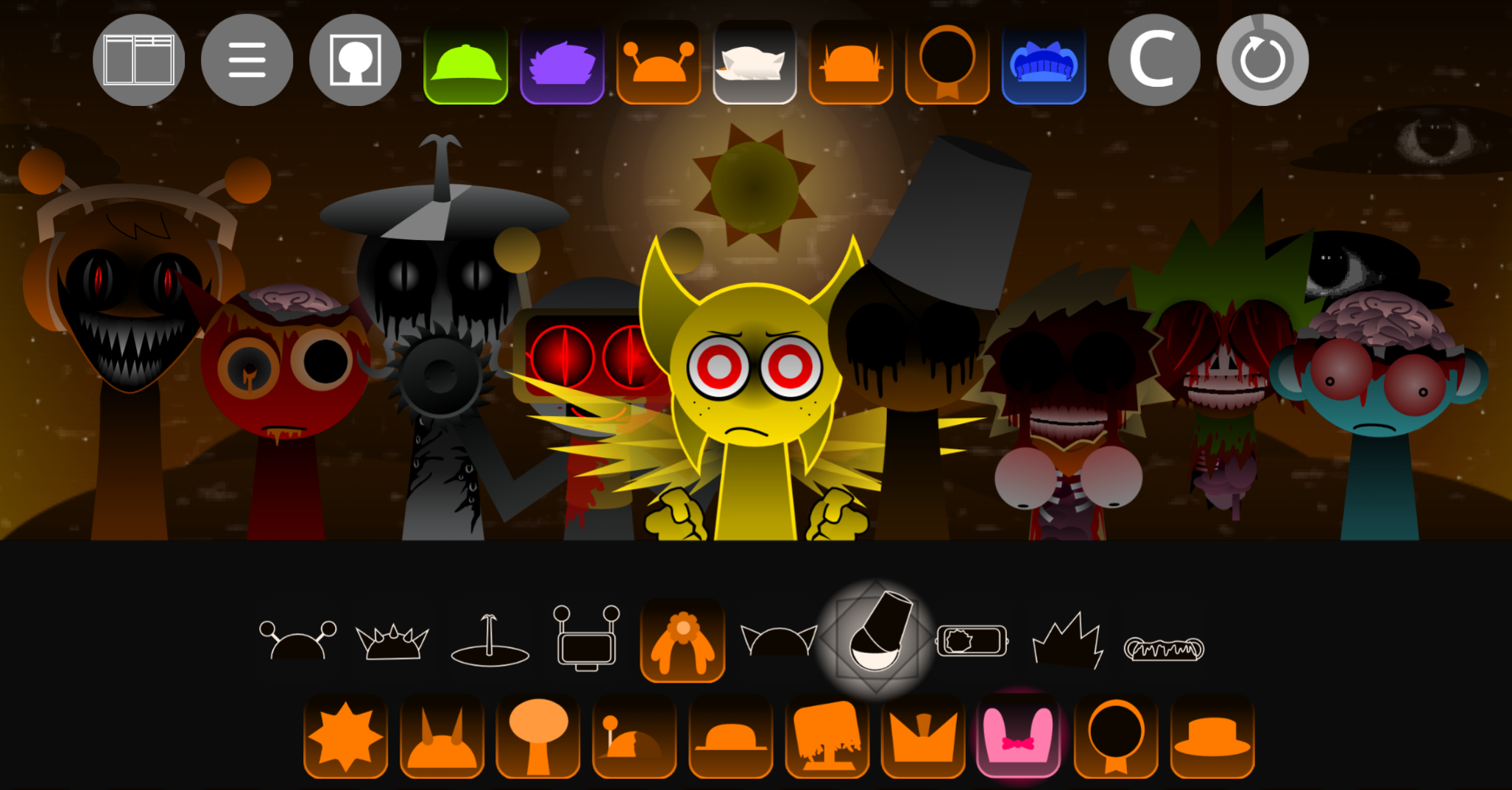
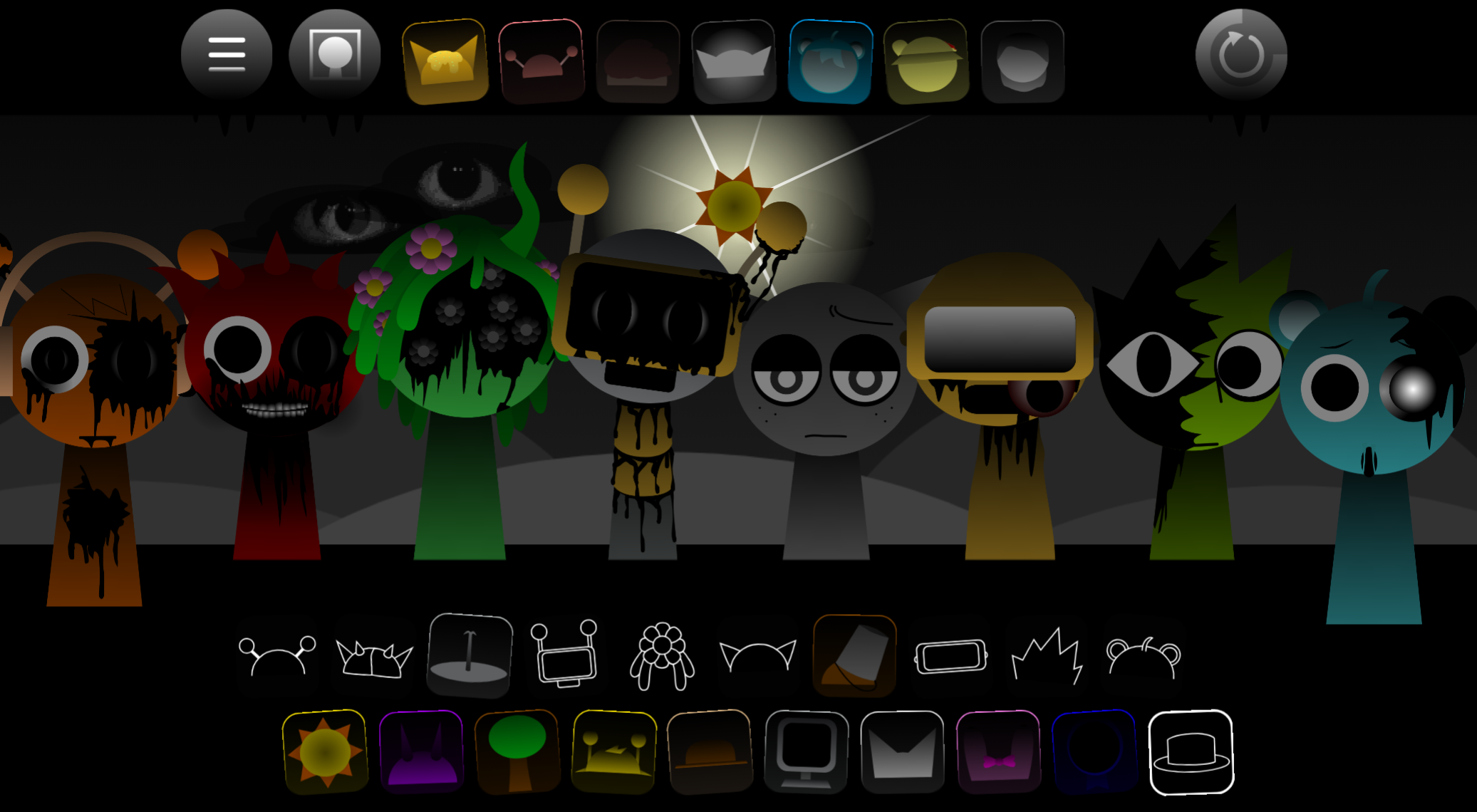
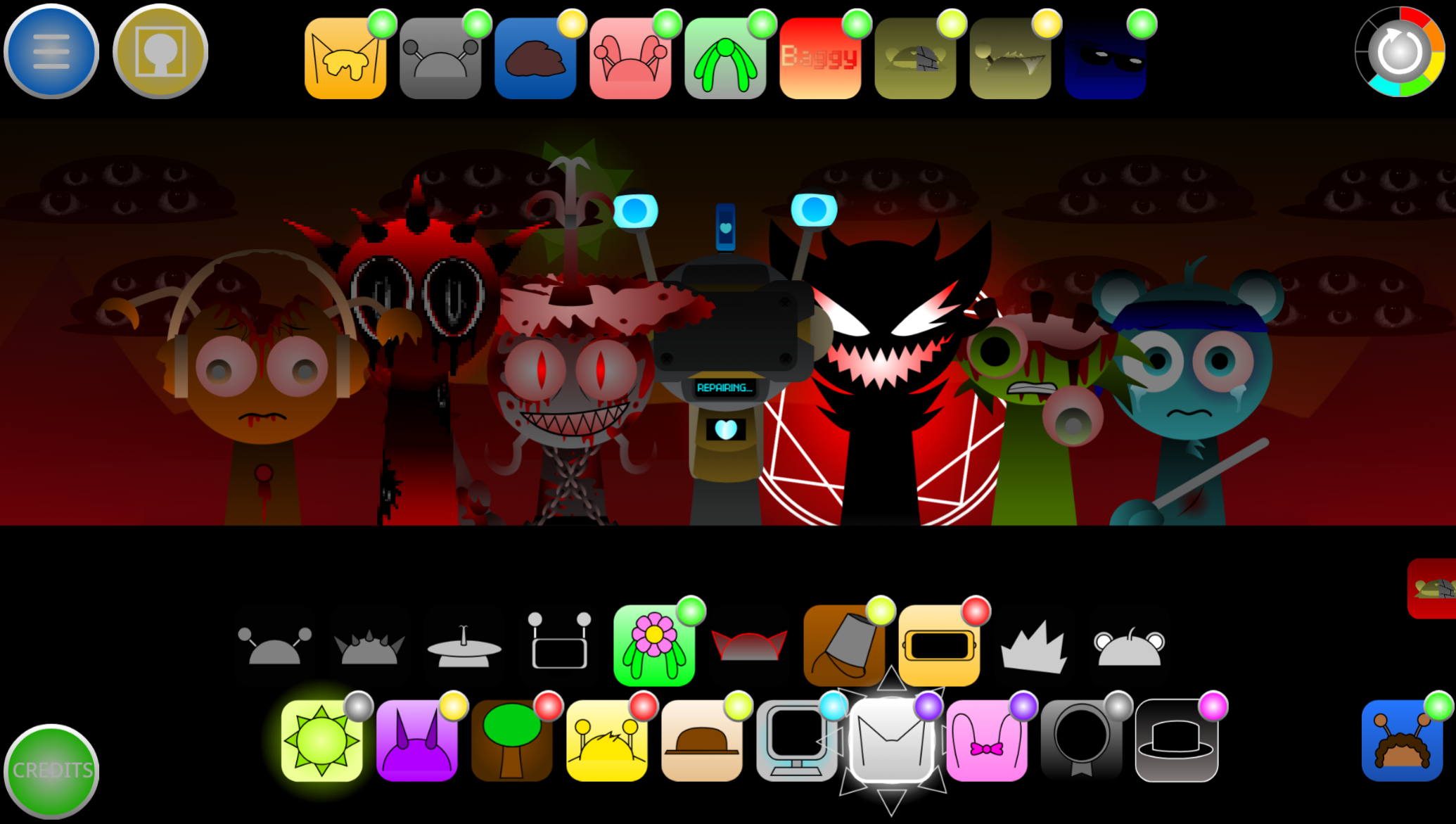
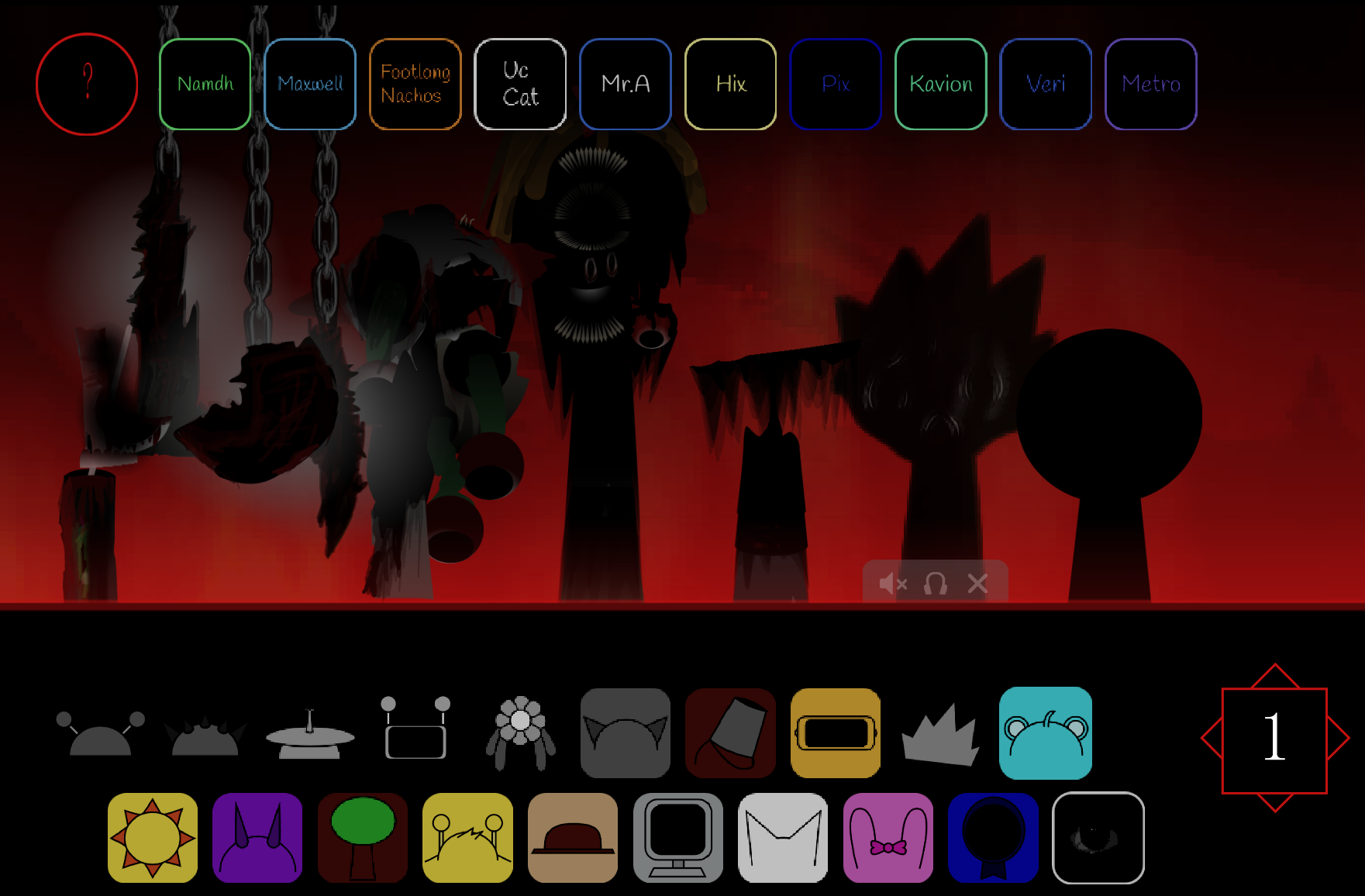
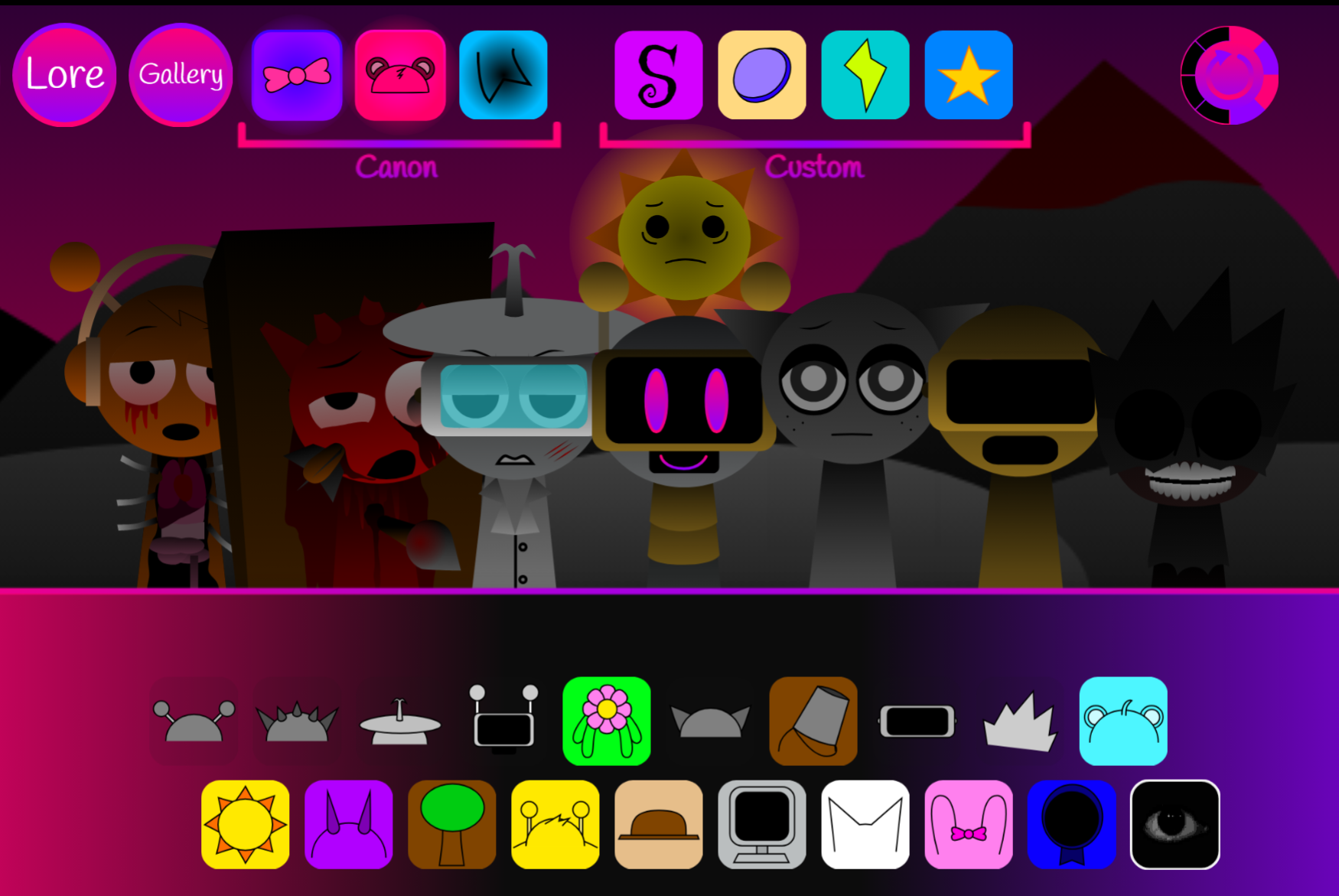

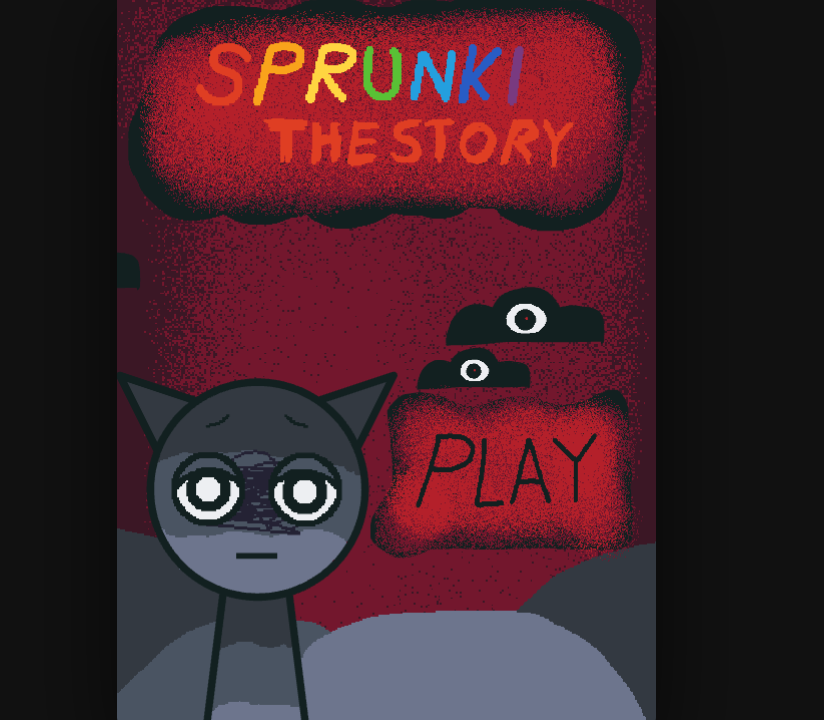
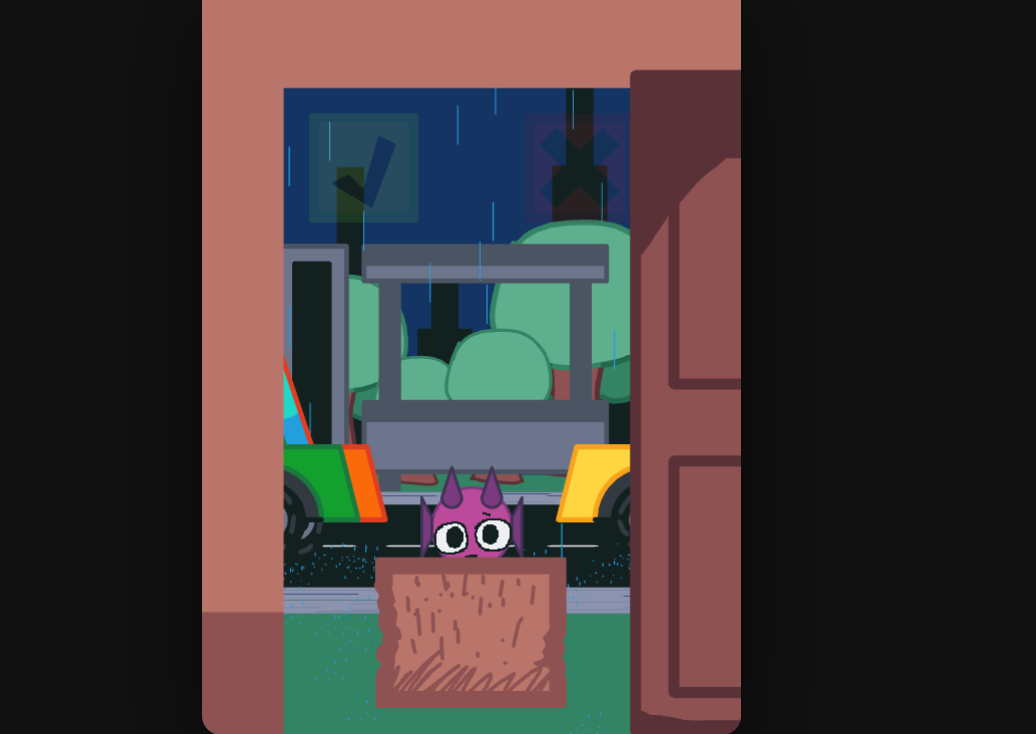
Sprunki Atari 1983 Reupload Version is a browser-playable Sprunki mod built around a very specific hook: it presents itself as a cancelled 1983 Paradise Studios project that somehow resurfaced later as a playable reupload. Under that theme, the actual gameplay is still the familiar drag-and-drop music-building format that Sprunki players already know, so the real question is not whether it reinvents the formula. The real question is whether the retro framing, lost-build premise, and quick browser access are strong enough to make this version worth your time.
For most readers, that is the key decision. If you want a themed Sprunki remix with a clear identity, a fake game-history angle, and low-friction play in the browser, this is easy to recommend for a quick session. If you want major mechanical depth, a competitive challenge, or a dramatic expansion of the rules, this is a weaker fit. The value of Sprunki Atari (1983 Reupload Version) comes from atmosphere and concept, not from trying to outgrow the base formula.
Features of Sprunki Atari (1983 Reupload Version)
A lost-build premise gives it a real identity
The strongest thing about this mod is that it does not feel like a random retro coat of paint. The Paradise Studios framing makes it read like a recovered oddity from another era, which gives the whole experience more personality than a plain reskin. Instead of just saying “here is Sprunki, but older-looking,” the mod gives players a small story to click into: a cancelled 1983 build, a shutdown studio, and a version that now exists as a reupload.
That idea matters because it changes how players interpret everything else. The visuals, the title, and even the act of opening it in the browser feel more intentional when the mod is positioned as a lost artifact rather than just another variation in a crowded category.
The Atari-style presentation does most of the heavy lifting
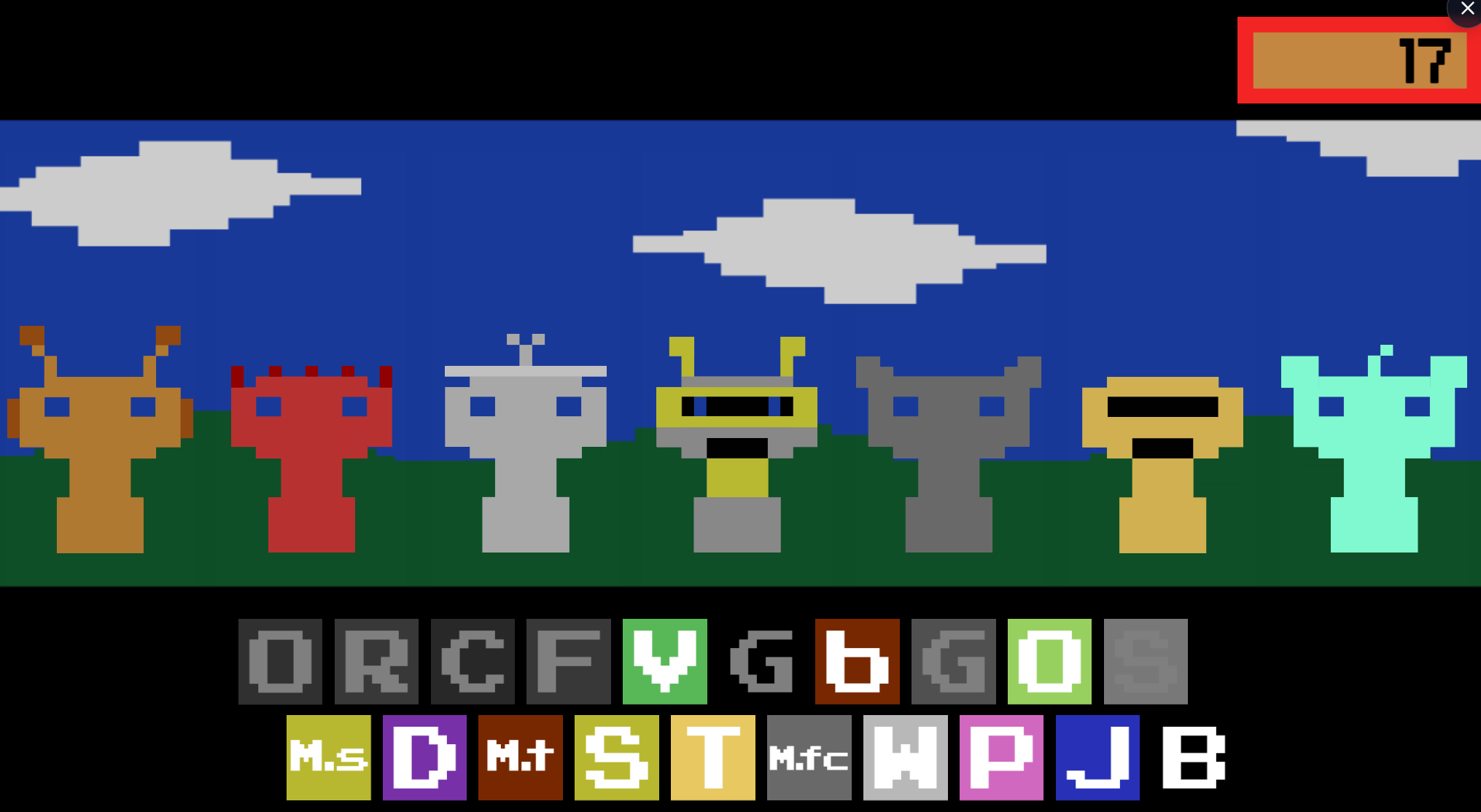
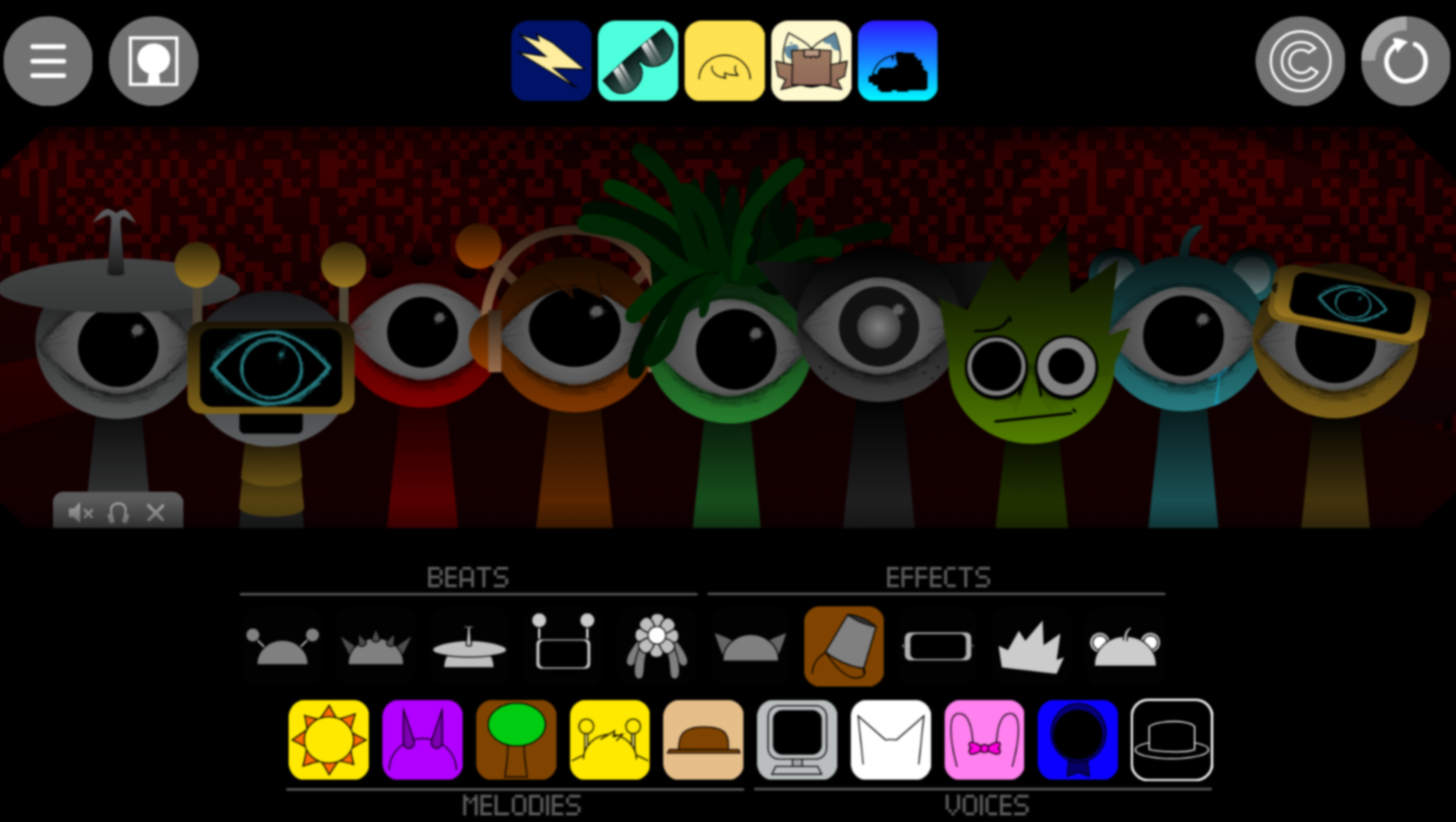
Visually, the mod leans into a pixel-heavy, limited-color, Atari-like style that gives the session an immediate retro mood. It is not subtle about what it wants to be. The old-console presentation shapes the experience from the first click, and for readers comparing lots of Sprunki variants, that makes this version easier to remember than a generic remix with only minor cosmetic tweaks.
This also explains why the mod works best in short, focused sessions. Its biggest win is the feel of the package: the nostalgic look, the mock-archival vibe, and the sense that you are exploring a themed oddity rather than grinding through a content-heavy mode.
The mechanics stay familiar and easy to enter
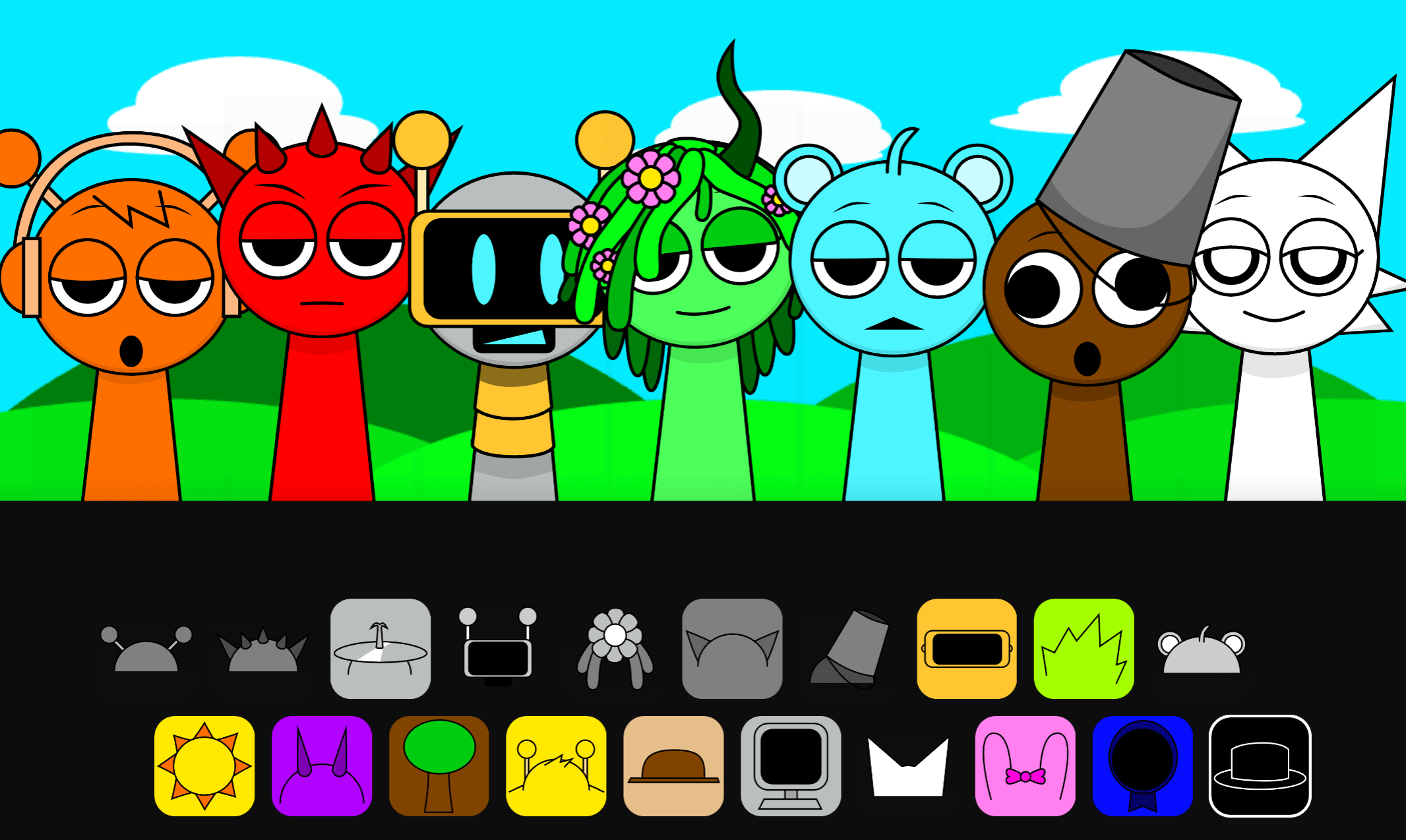
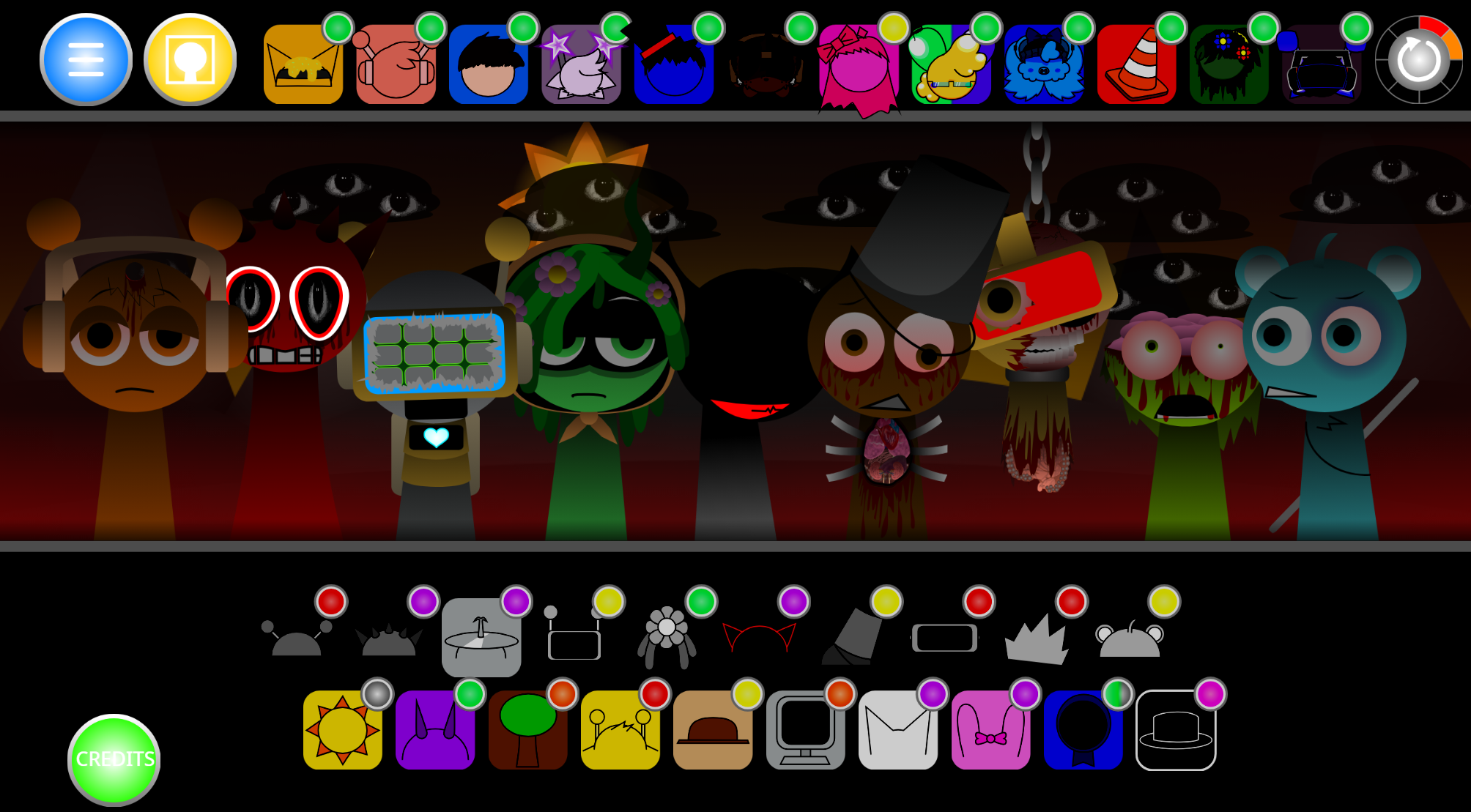
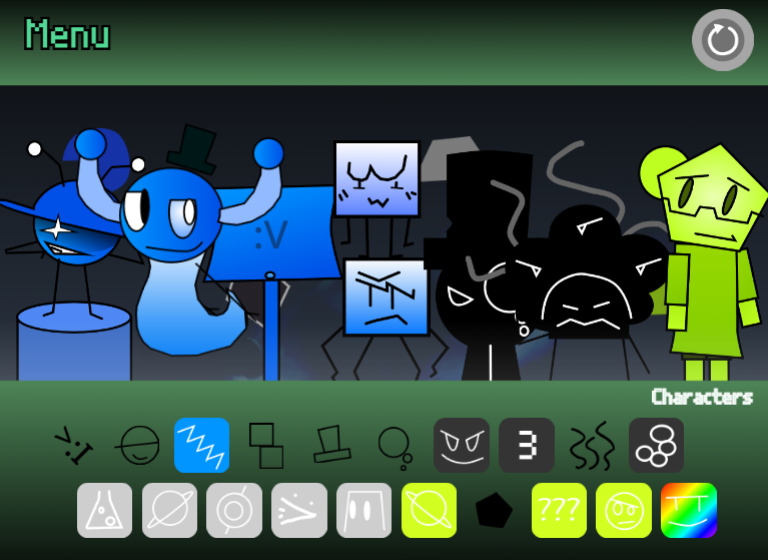
Under the presentation, the interaction model stays accessible. You still drag character icons from the bottom row into seven empty slots to build a mix, with each icon adding a sound layer. That keeps the learning curve low. Players do not need to master a new ruleset just to understand the appeal.
The mod is also released in HTML5, so there is no download step slowing the experience down. Open it in the browser, start placing characters, and you are already in the loop. That immediate access is part of why the theme works: the mod feels like a curious find you can test right now, not a project that asks for setup before it becomes interesting.
Expect an interesting concept more than a big mechanical leap
This is important for reader intent. Sprunki Atari (1983 Reupload Version) is easier to appreciate when you judge it as a themed experience, not as a major systems upgrade. Community response has been engaged but mixed, which fits that reality. The character designs and overall premise give people something to remember, but the appeal is still more conceptual than transformational.
That makes the article’s practical advice simple: click in because the premise sounds fun, not because you are expecting the most advanced Sprunki build you have ever played.
How to Play Sprunki Atari (1983 Reupload Version)
Start with the seven-slot setup
Open the game in your browser and begin from the main play screen. Drag character icons from the bottom row into the seven empty slots to start building your track. Each icon adds a new sound layer, so the basic loop is easy to read: add a sound, listen to the change, then decide what should come next.
Build for mood before complexity
This version usually works better when you approach it for atmosphere instead of maximum density. Start with a small arrangement, listen to how the retro presentation changes the feel of the mix, and then add more layers only when they improve the overall mood. Because the strongest part of the mod is its identity, the experience is often better when you let the session stay compact and intentional.
Treat it like a quick experiment, not a long grind
There is no long onboarding process and no hidden mechanical wall to climb. The mod is built for low-friction experimentation. Swap characters in and out, test a few combinations, and see whether the faux-1983 wrapper changes how a familiar Sprunki session lands for you. If it clicks, it will usually click quickly.
Should You Try Sprunki Atari (1983 Reupload Version)?
Yes, if what you want is a memorable theme, a playful lost-media premise, and a browser-based Sprunki session that feels different without becoming hard to understand. No, if your priority is deeper mechanics or a major leap beyond the normal drag-and-drop formula.
That is what makes this version easier to judge once the hype is stripped away. It is not the most expansive Sprunki mod, but it is one of the clearer examples of how a strong concept can make a familiar format feel fresh for a short, worthwhile session.
Related Games
- Sprunki 1980 Retro Edition — This is the clearest follow-up if you liked the old-console presentation and want to compare how another retro-themed Sprunki mod handles the same nostalgic angle.
- Sprunki Retro — It makes sense for players who want to stay in the same nostalgic visual lane while trying a version that is less dependent on lost-build lore.
- Sprunki Reversed Reupload — The shared reupload framing makes it a better next click for readers who are most interested in resurfaced oddities and alternate-version curiosity than in retro styling alone.

Discuss
Loading comments...
Failed to load comments. Please try refreshing the page.