
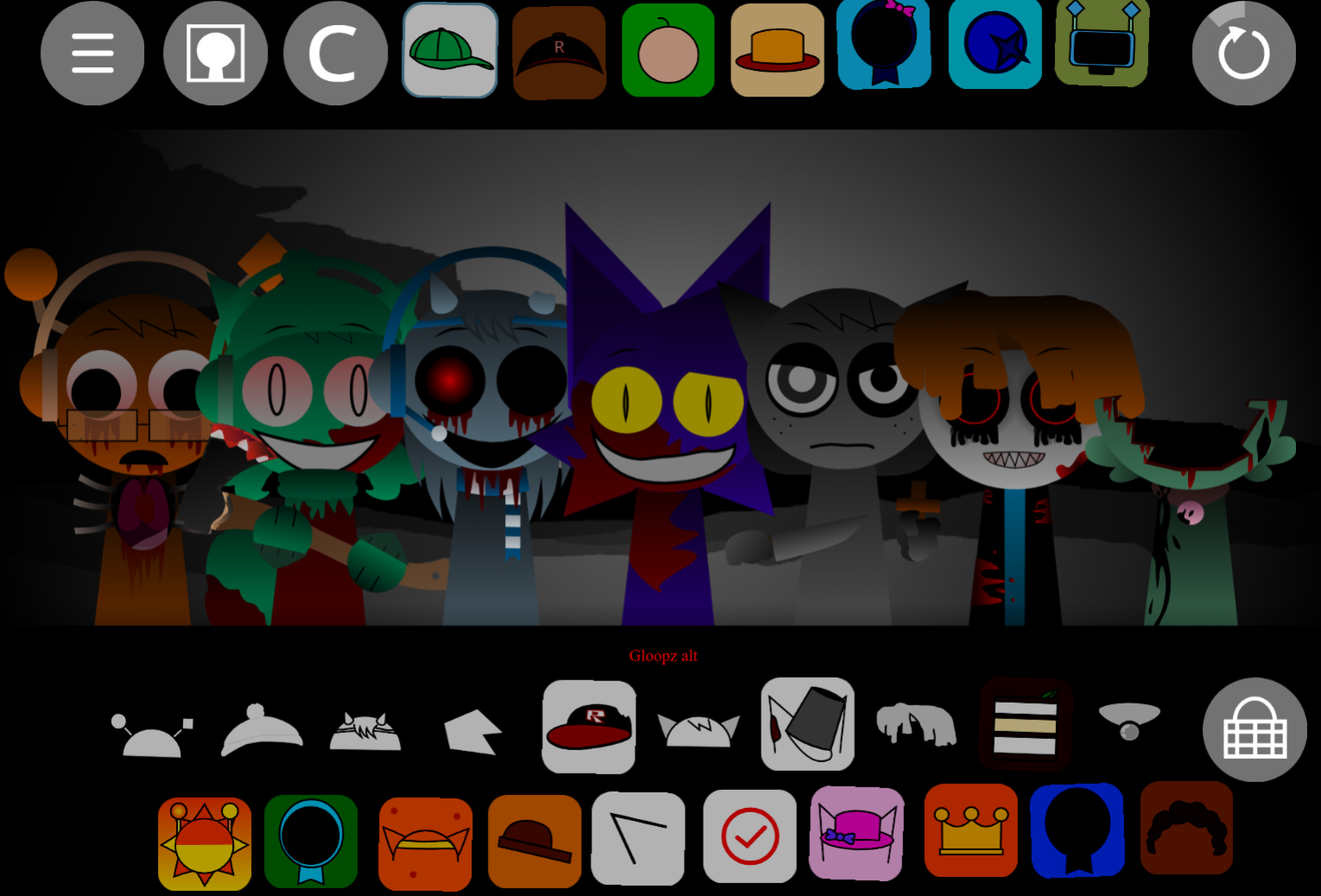

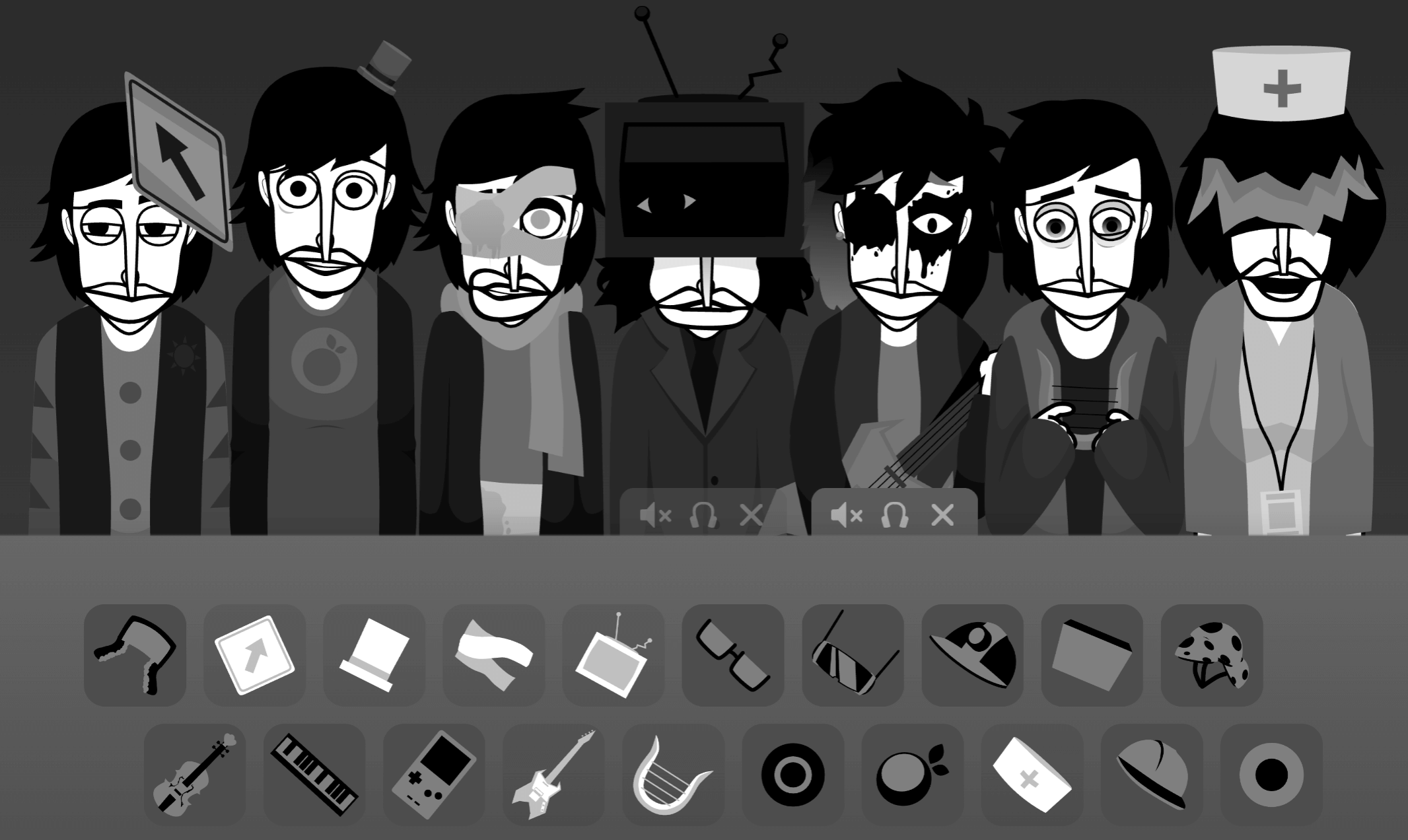
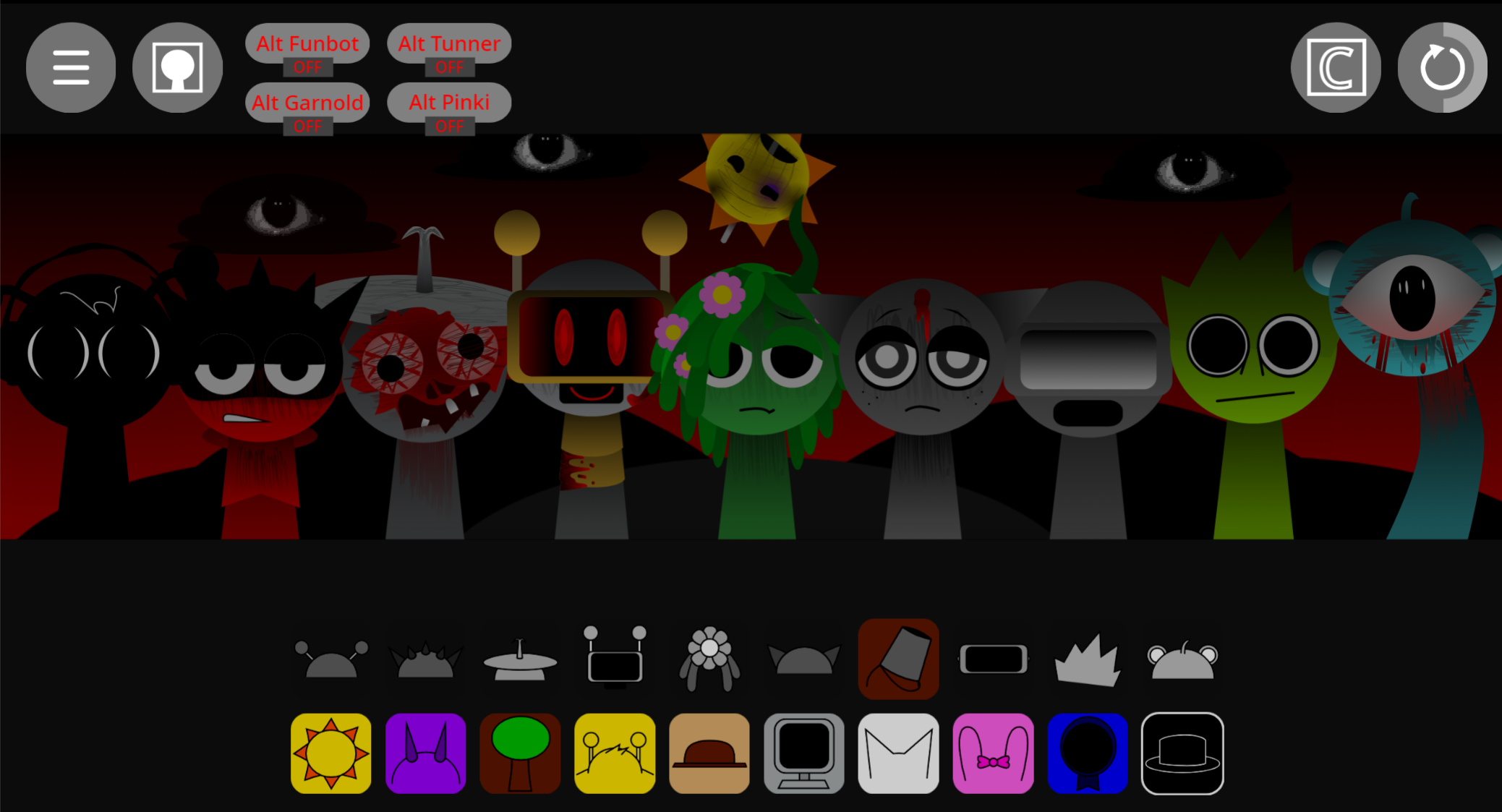

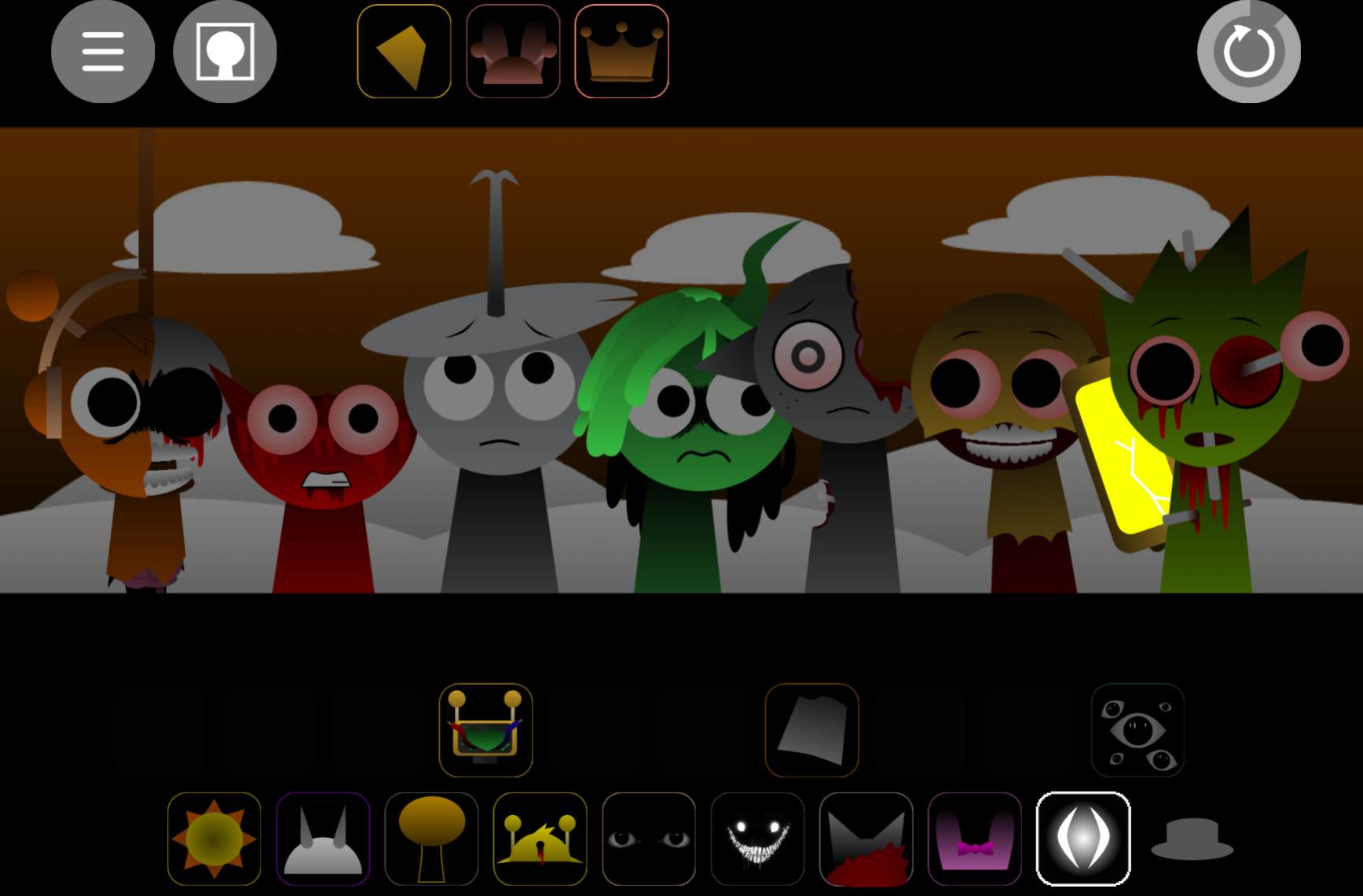


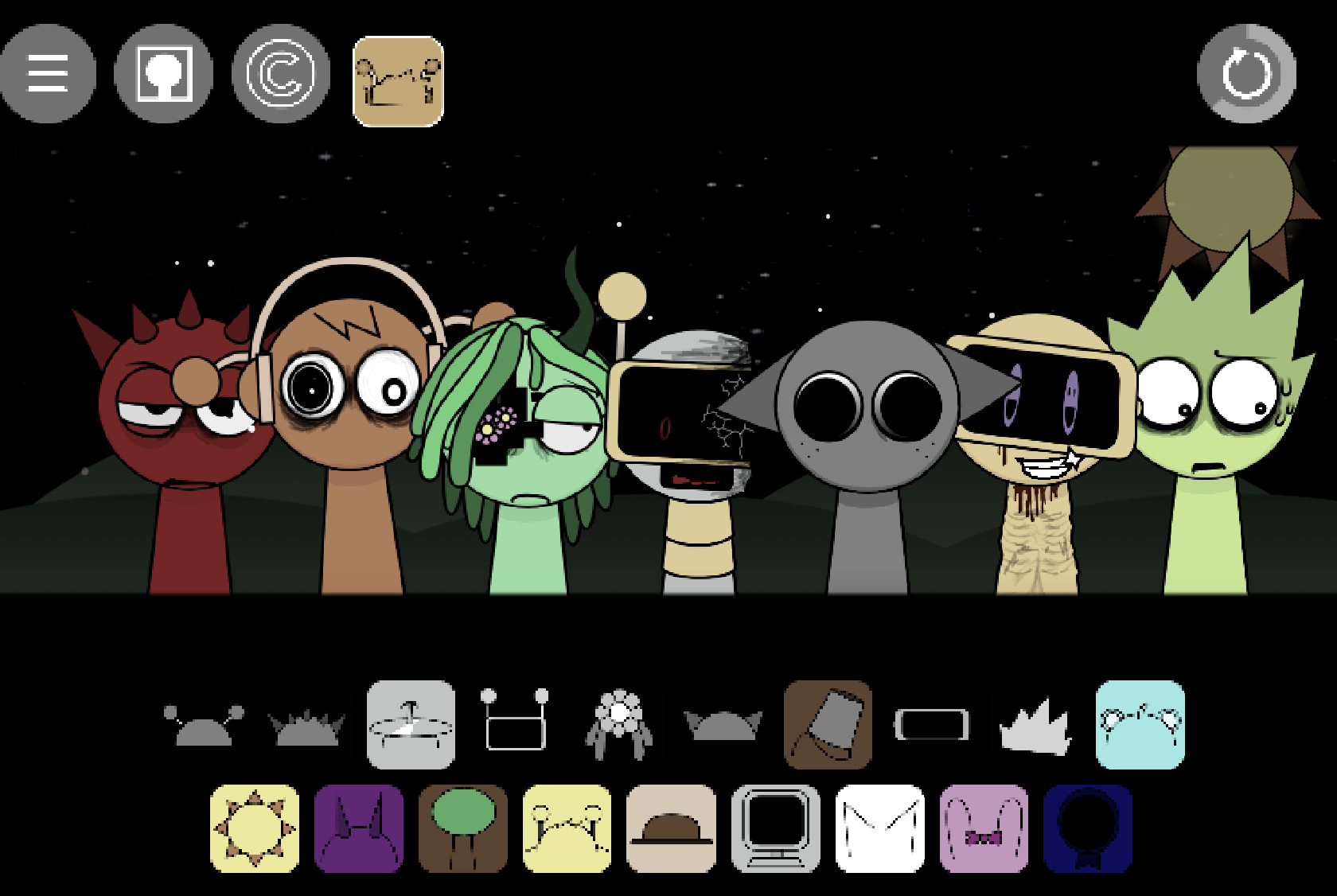
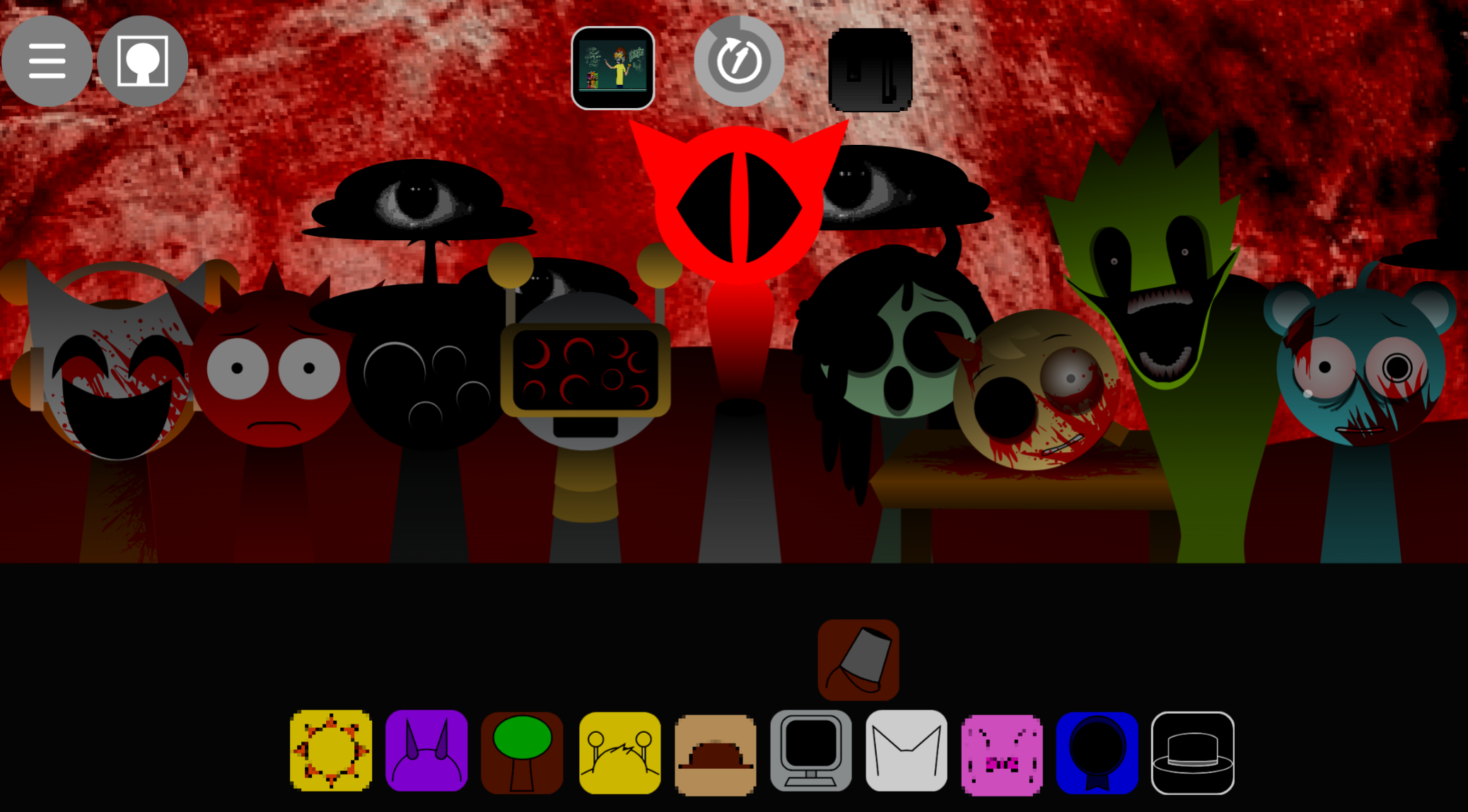
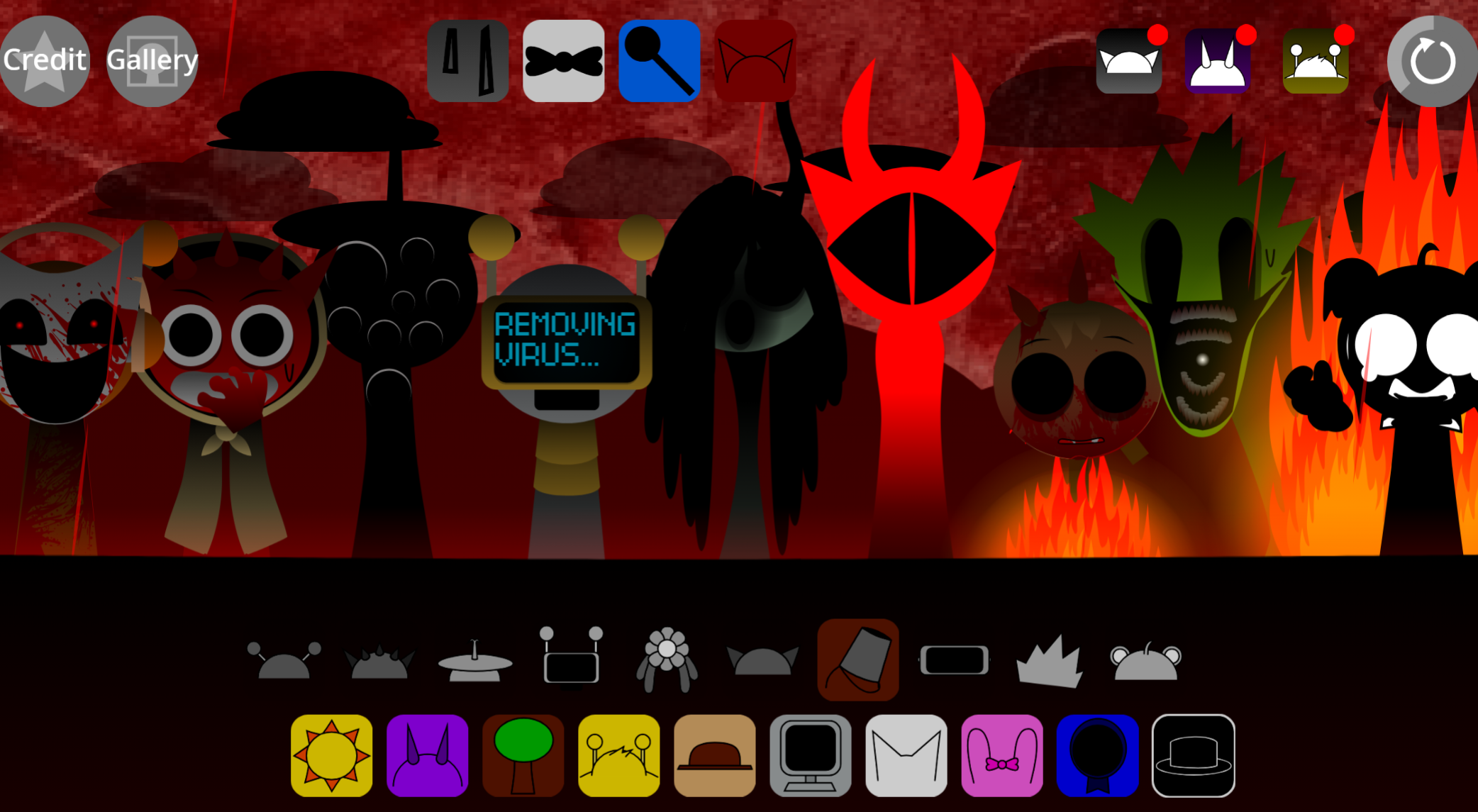
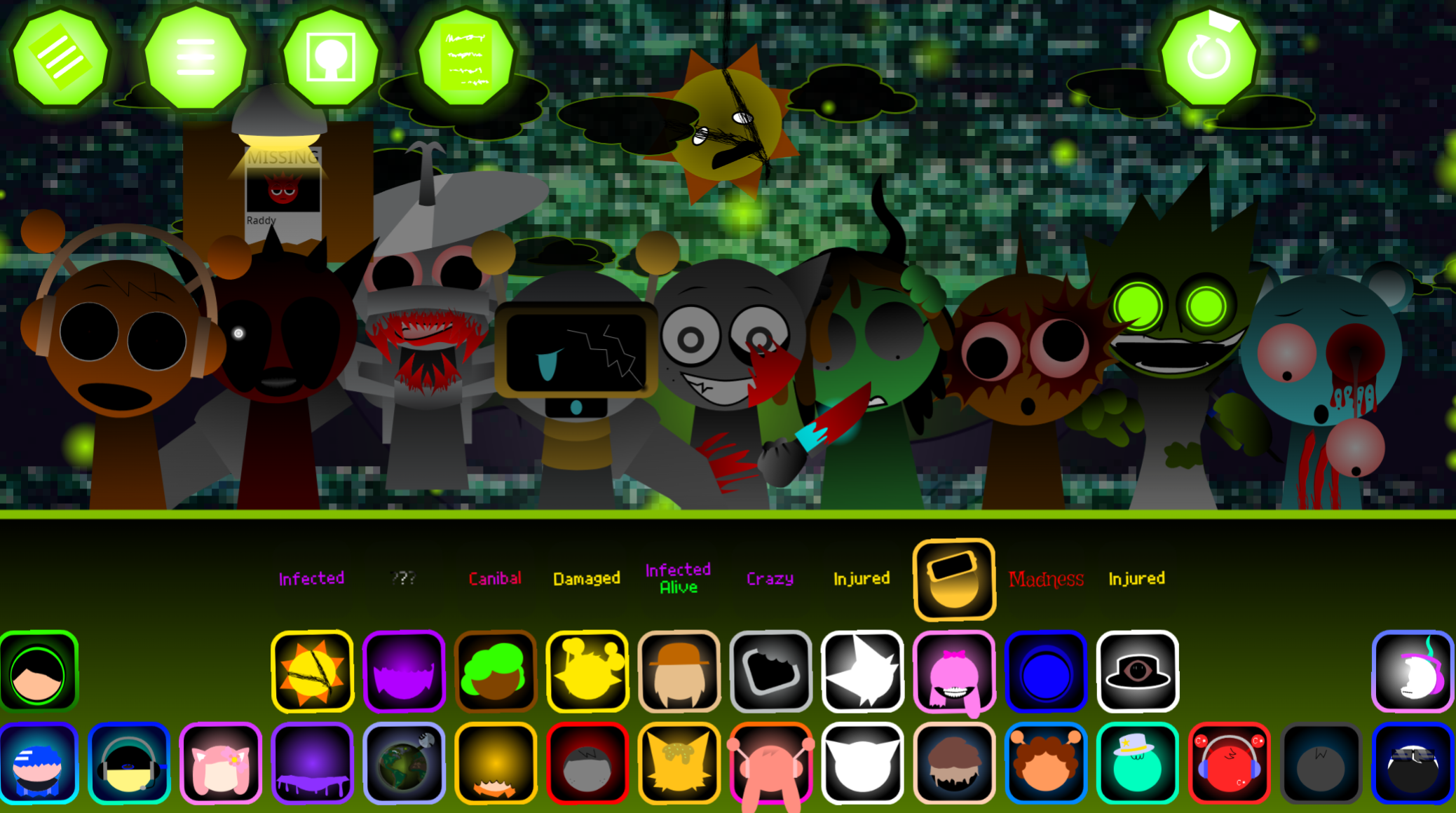
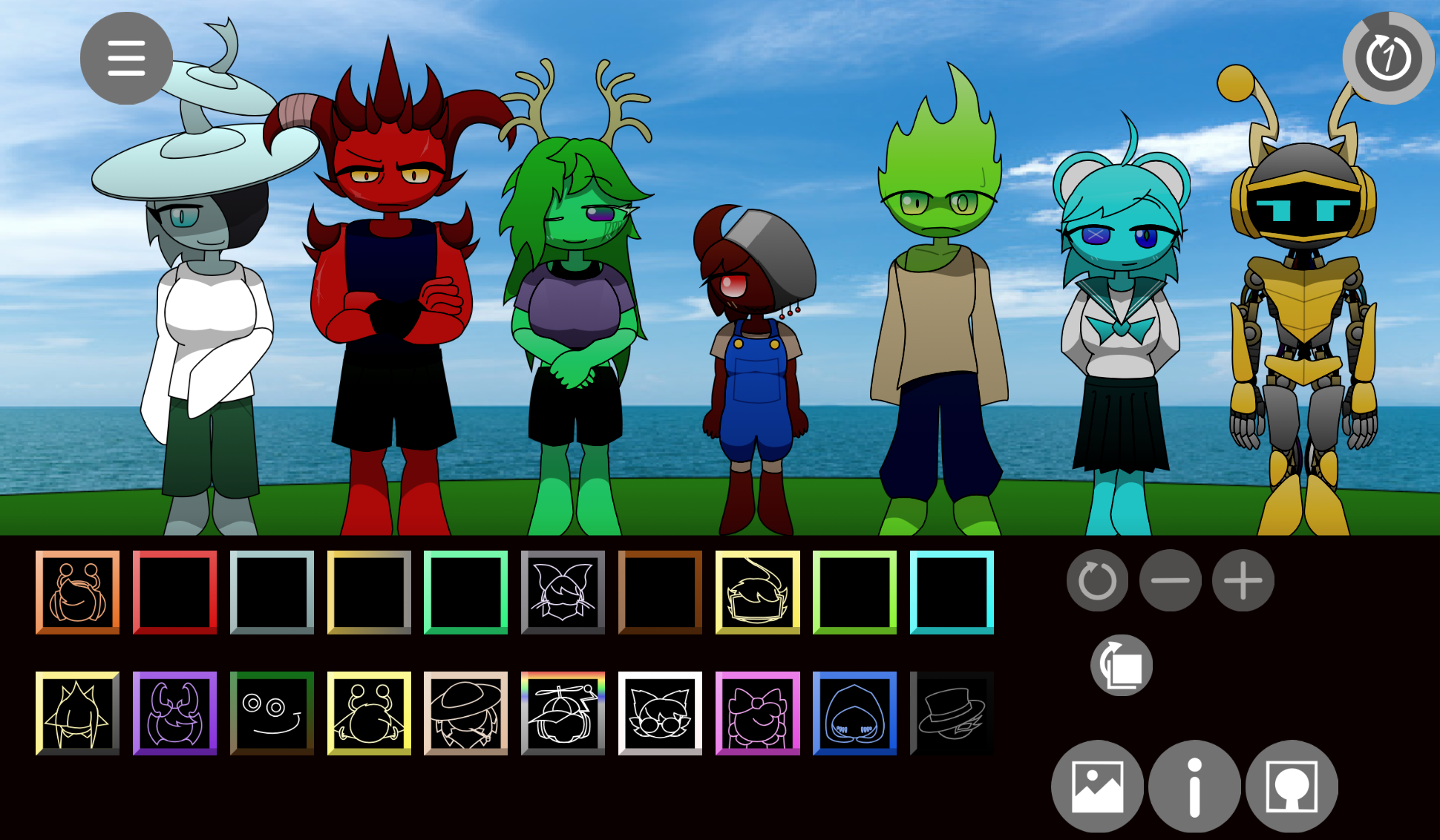
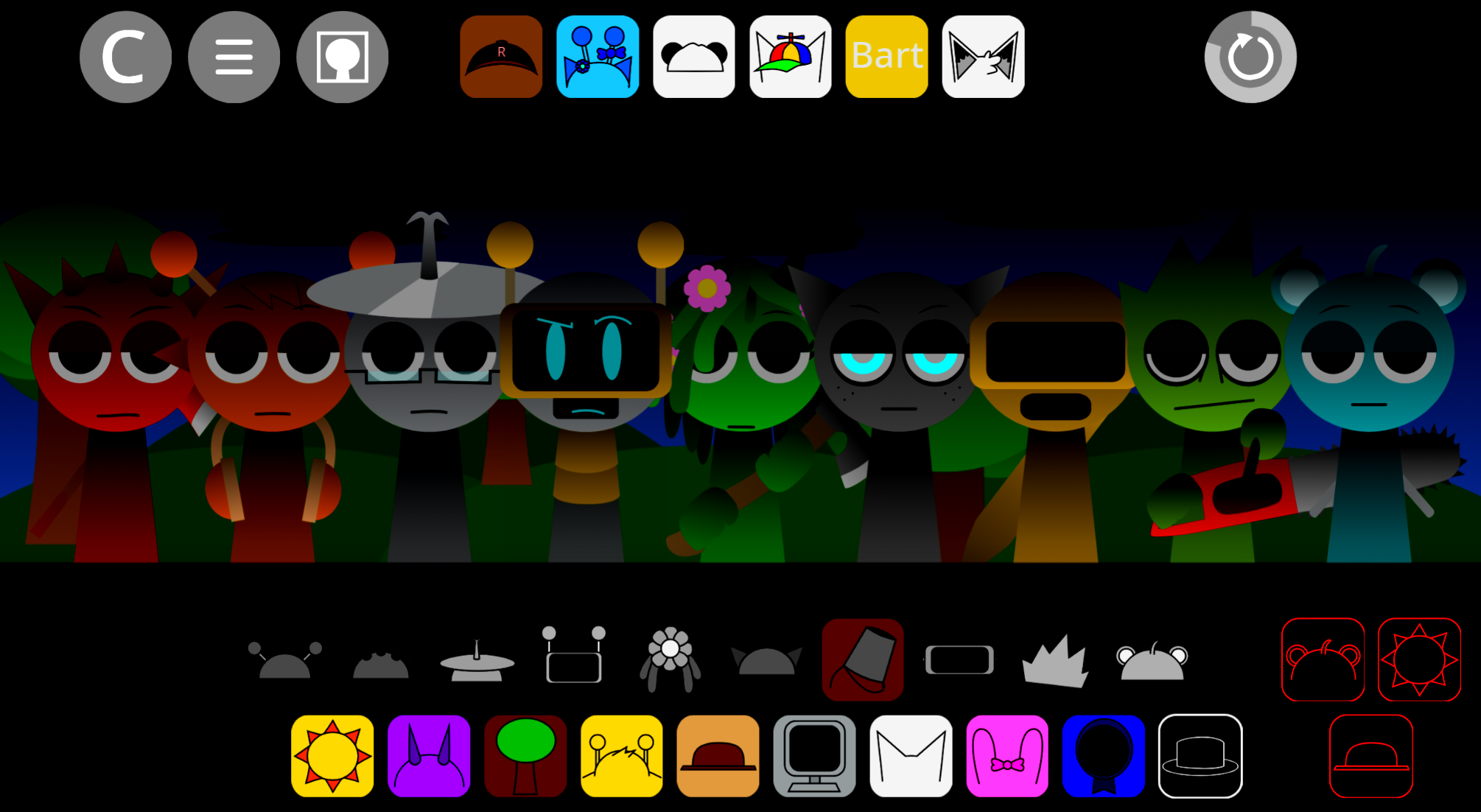
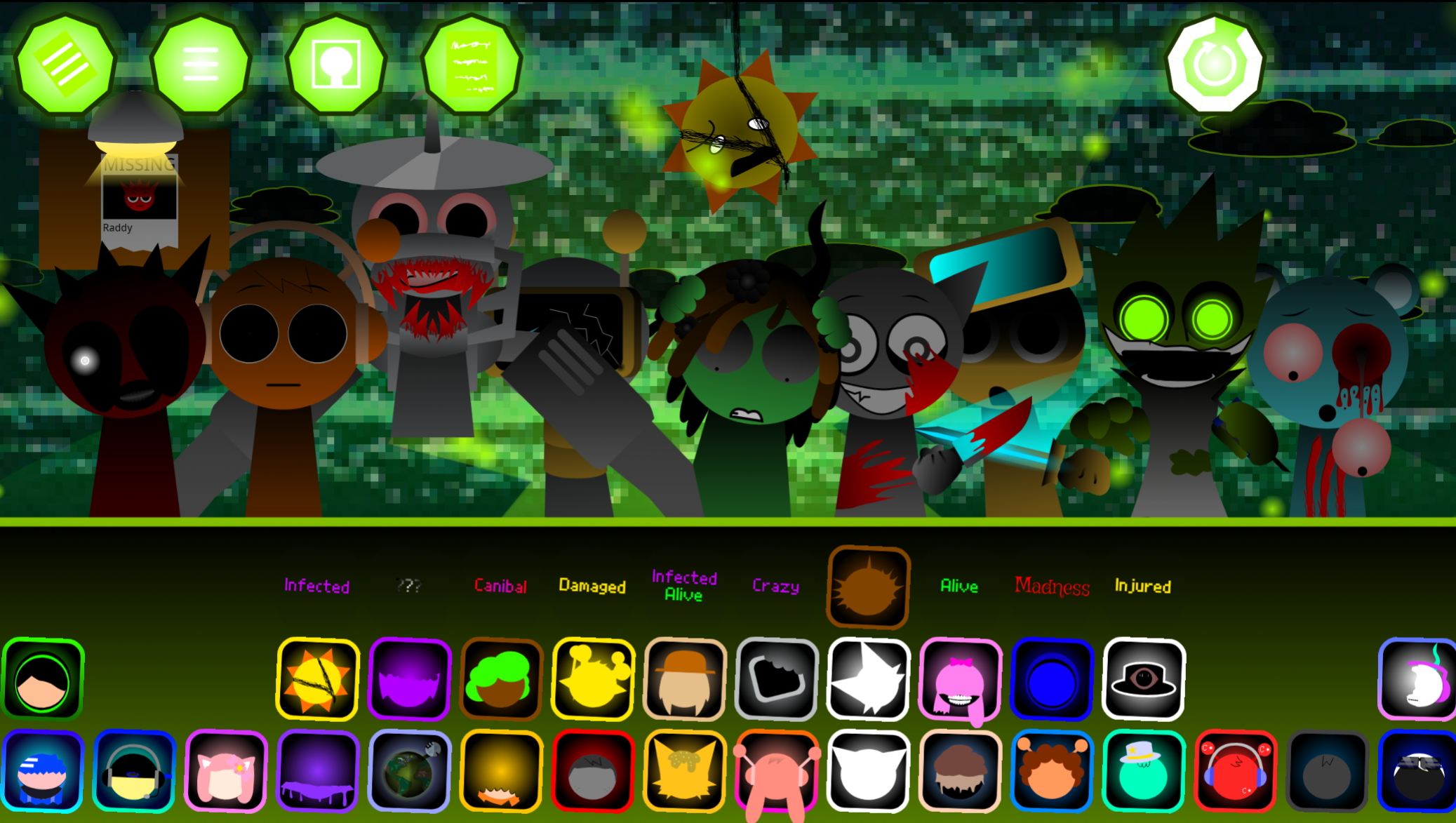
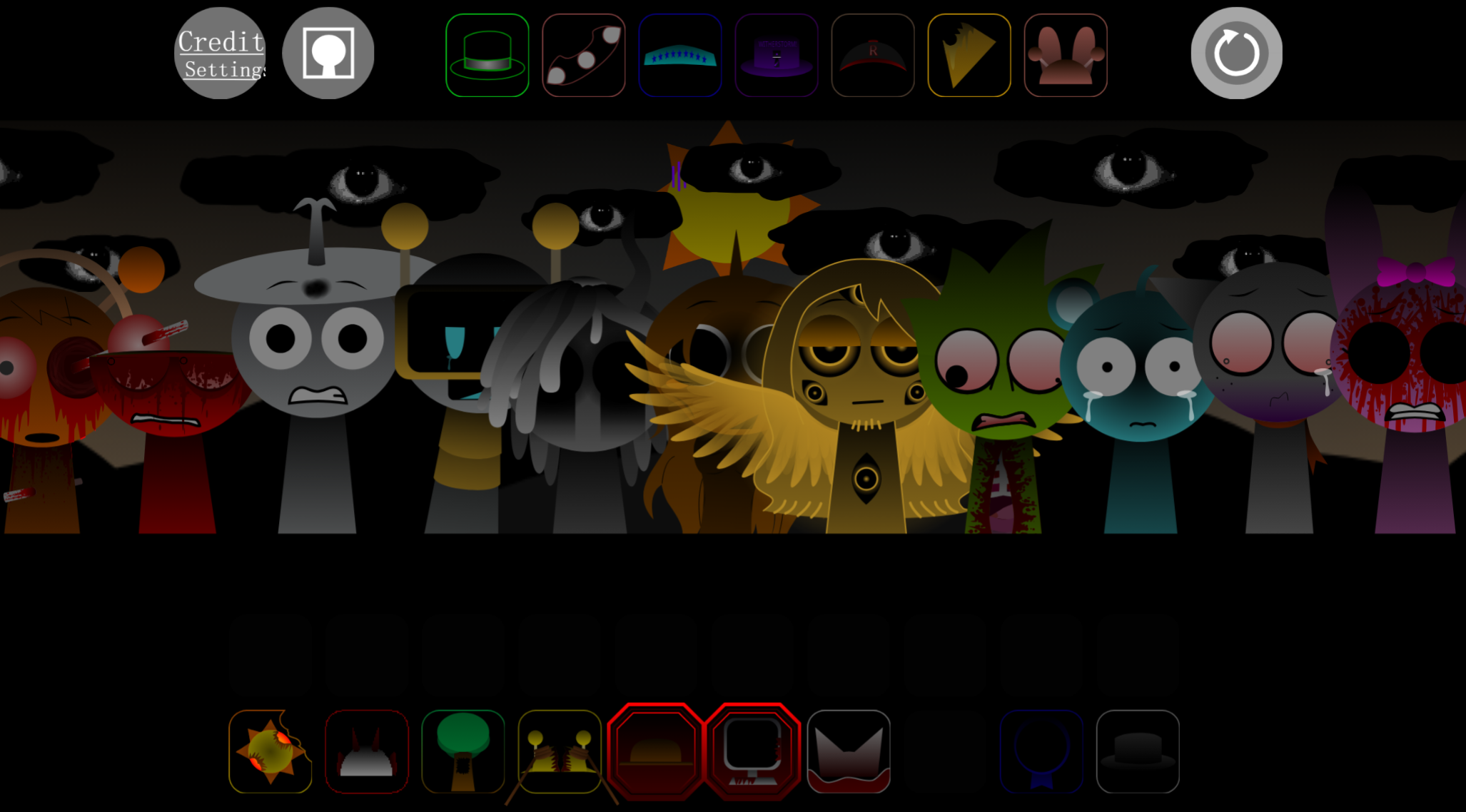
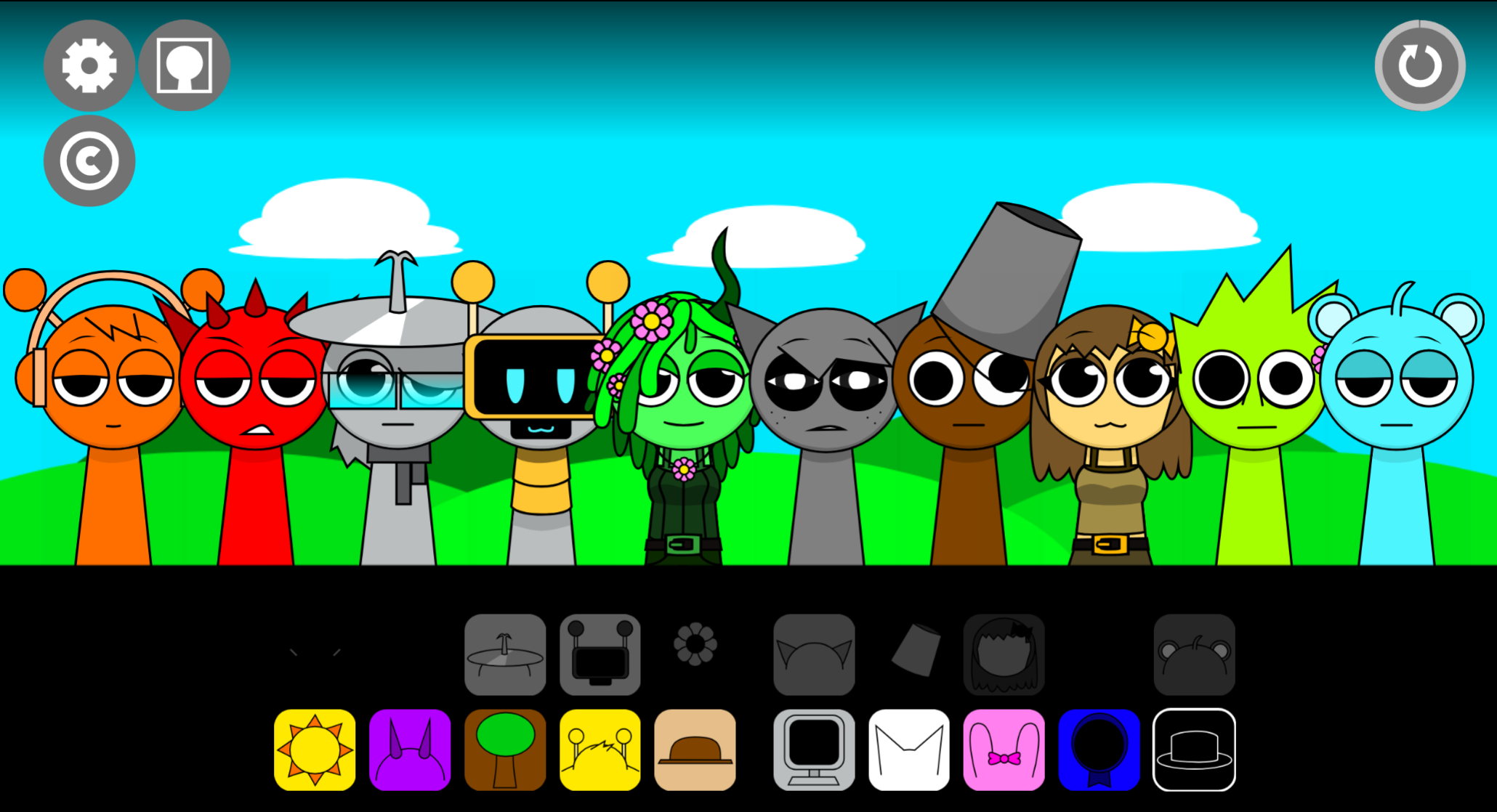
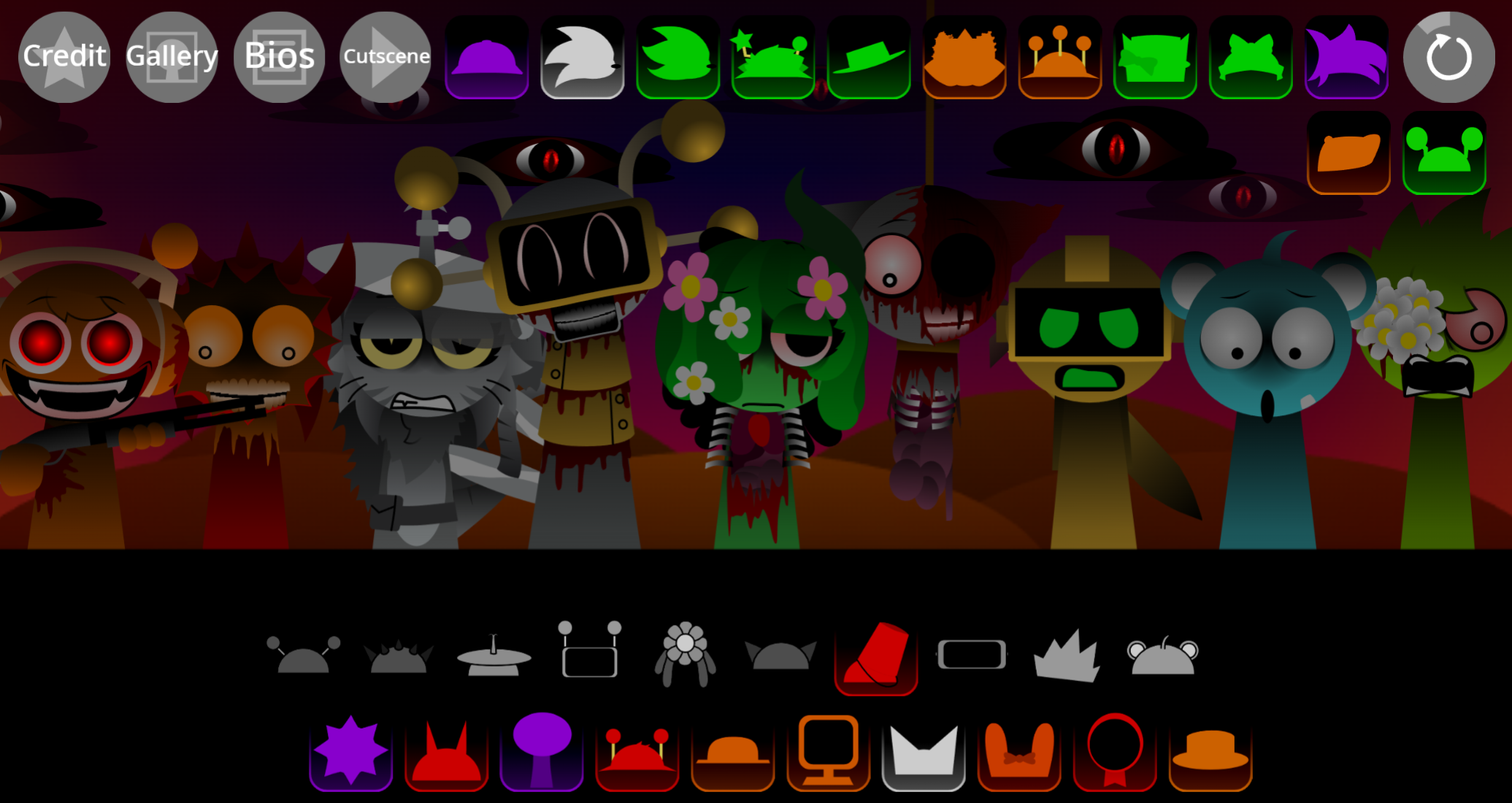
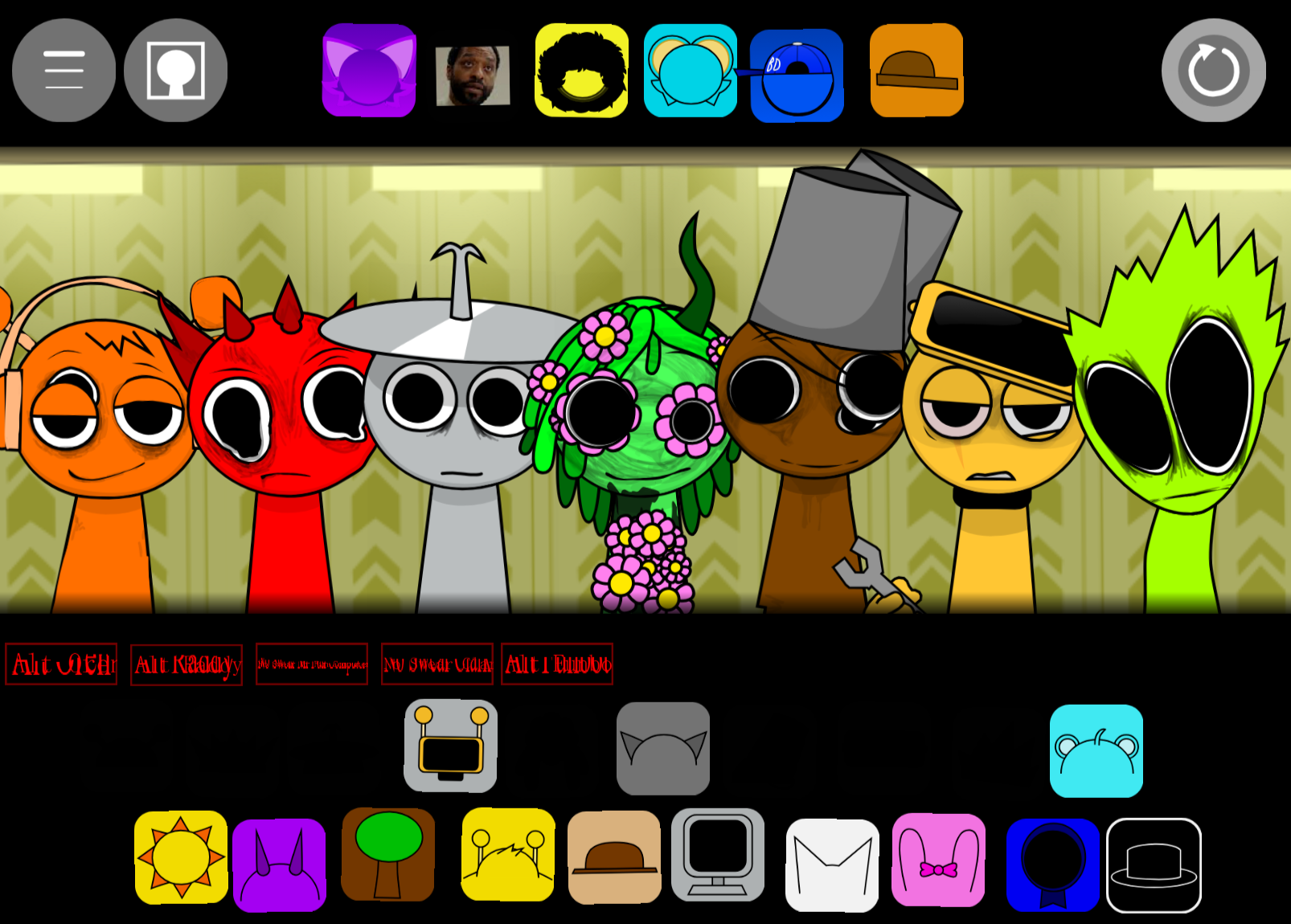
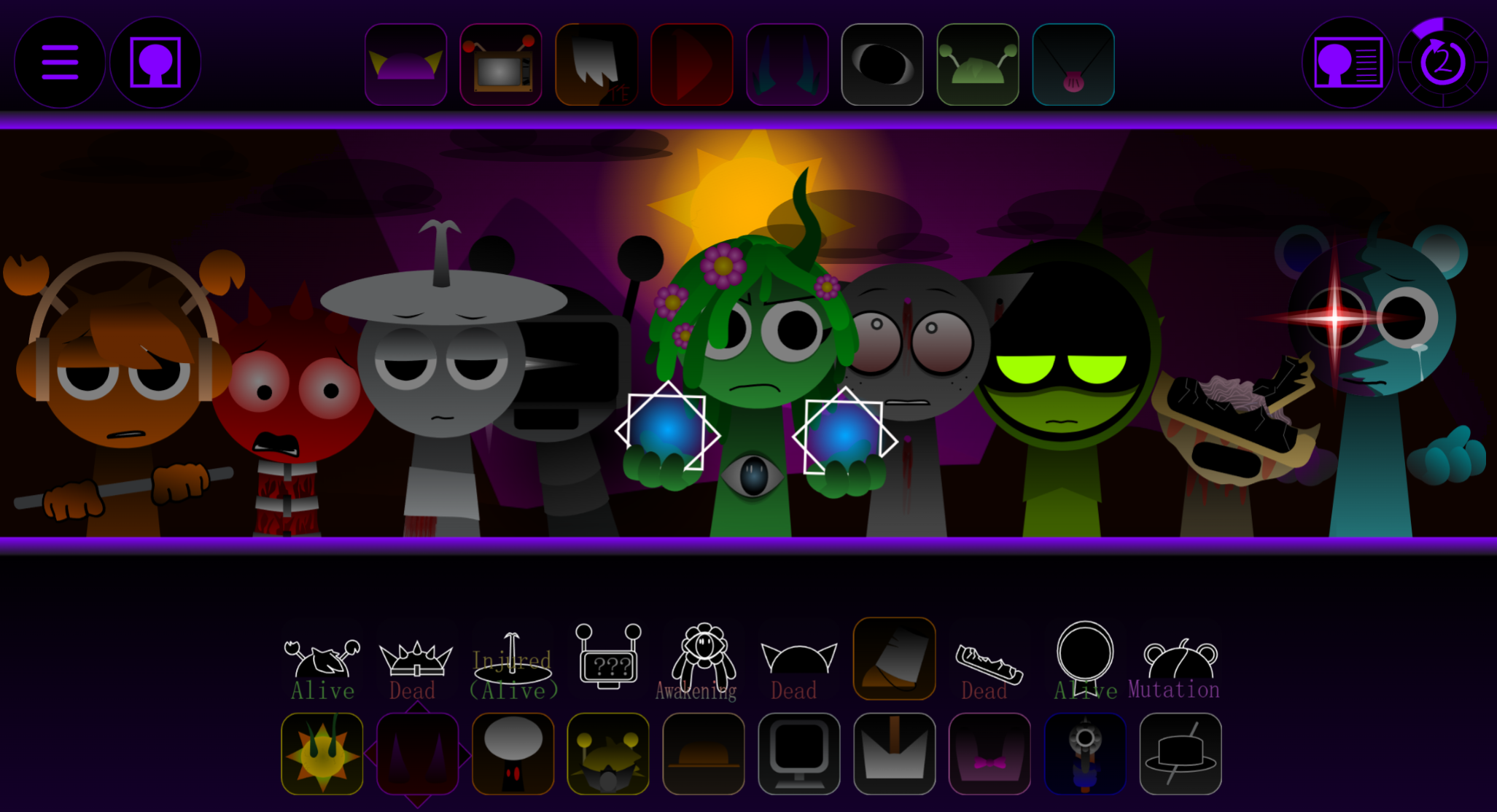
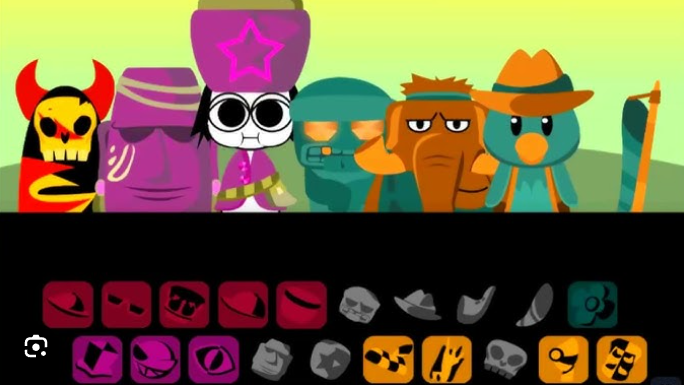
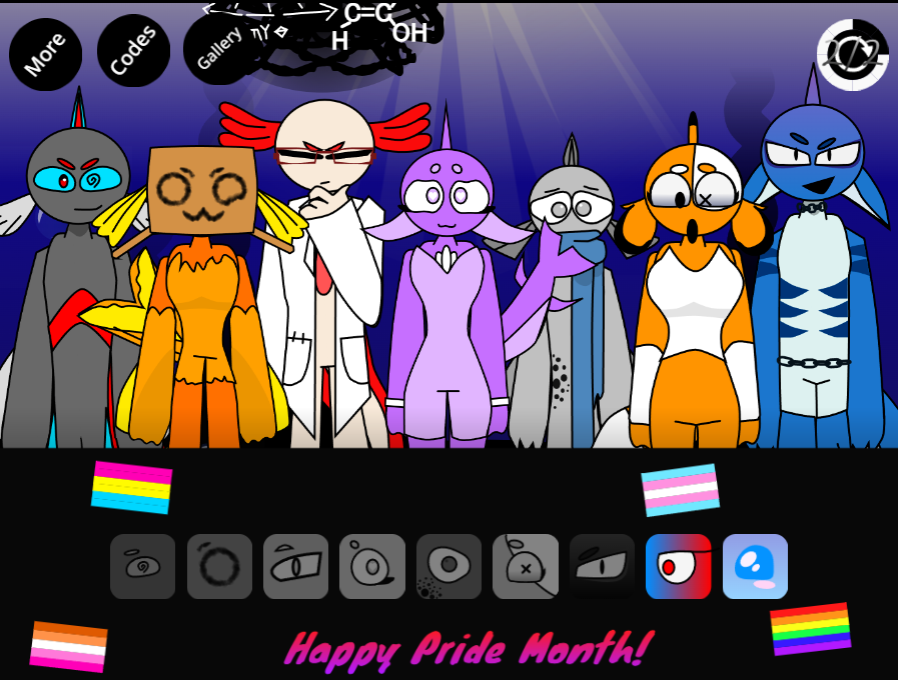
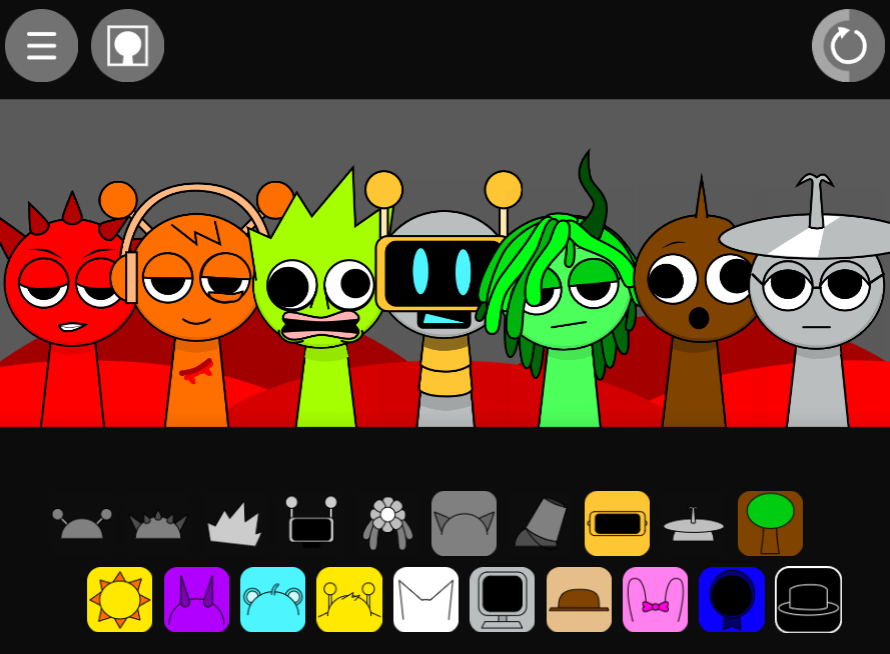
SprunkTuber Phase 3 - The Lie (Official) is easiest to understand as an early fan-made Phase 3 reference point rather than a content-heavy overhaul. The appeal is not that it rewrites the Sprunki formula from scratch. The appeal is that it shows how a simpler custom phase can still feel distinct when the mix atmosphere, presentation, and phase identity are handled with purpose. That is why the version still matters.
The source material supports that reading more than any bigger mythology around it. V1.0 is framed as an important early entry in the custom-phase trend, and the core activity remains familiar: drag sounds onto characters, build a loop, and judge how the atmosphere changes. If you are deciding whether it is worth opening today, the right questions are whether you care about early fan-made phase history, whether a mood-first build is enough for you, and whether you want a leaner version that is more about how the mix feels than how many systems it adds.
What SprunkTuber Phase 3 The Lie (Official) Actually Is
This is not best treated as a giant expansion. It is better understood as an early custom-phase build that keeps the familiar structure but gives it a clearer identity through presentation and atmosphere.
That matters because some players will open it expecting a later-style fan phase packed with bigger escalation, broader lore, or obvious mechanical complexity. This version is not really trying to win on those terms. Its value comes from being a focused example of how an early fan-made phase can feel intentional without becoming overloaded.
So the phase is easier to appreciate when you judge it as a reference point and a mood piece. The more useful question is not whether it is the biggest Phase 3 variant. The more useful question is whether it makes the classic mixing loop feel specific enough to remember.
Why “The Lie” Stands Out
The title matters because it signals that this is supposed to be a distinct take, not a generic label pasted onto a standard phase shell. Even though the structure remains straightforward, the version is presented as something players notice for its identity within the early fan-made phase scene.
Part of that comes from restraint. Instead of relying on a huge feature pile, the phase seems to lean on how the sounds blend, how the atmosphere develops, and how the session carries its own tone. That makes it feel more deliberate than many thin novelty variants.
Its strongest point is clarity. You are not meant to get lost in side systems. You are meant to hear how a focused set of layers, a recognizable mood target, and reactive presentation can make a relatively simple session feel like it has its own place in the phase timeline.
How to Play It So the Atmosphere Actually Lands
The best approach is to treat it as a cohesion test. Because the phase is more mood-first than system-heavy, each added layer should make the loop clearer rather than just busier.
A practical first pass looks like this:
- Start with a simple base so you can hear the identity of the loop before adding more parts.
- Add sounds gradually and listen for whether the mix stays coherent.
- Watch the visual response as you swap roles, because the feedback helps confirm whether the energy is building or flattening.
- Stop once the atmosphere feels settled instead of continuing to stack parts out of habit.
That last step matters. Overfilling a focused phase like this can erase the very thing that makes it work.
What Returning Players Will Notice First
Players who already know later fan-made phases will probably notice how direct this version feels. It does not try to overwhelm you immediately. Instead, it asks you to pay attention to the loop itself.
A few things stand out early:
- The core Sprunki-style drag-and-layer structure stays intact.
- The session leans on atmosphere and cohesion more than on spectacle.
- Visual feedback matters because the characters react as the mix changes, which helps the phase feel more alive.
That last point is important. A simpler phase can feel throwaway if the audio-visual response is flat. Here, the reactive element helps the build hold its identity even when the structure itself is familiar.
What New Players Often Misread
A common misread is to assume that because this is an early fan-made phase, it must be primitive in a useless way. That is not necessarily true. Early does not always mean disposable. Sometimes early means more transparent: you can hear the structure clearly and understand why the phase works.
Another misread is to expect the value to come from size. This version seems to work in the opposite way. Its appeal comes from being focused enough that the mood can stay readable.
New players can also miss the comparison angle. This is one of those phases that becomes more interesting when you ask what later custom versions expanded, exaggerated, or complicated after this kind of leaner foundation.
Is It Just an Early Curiosity, or Still Worth Real Attention?
It still deserves real attention if you care about how fan-made phase ideas take shape. The source framing consistently points to V1.0 as an important early entry, which gives the phase more value than a random archival curiosity.
That does not mean everyone will prefer it over later, fuller variants. But it does mean the phase has a reason to be revisited. It helps you see what happens when a custom phase relies on loop identity, atmosphere, and responsive presentation instead of scale.
If that kind of comparison interests you, it is worth your time. If you only want the biggest and most feature-rich phase possible, this one may feel too controlled.
Related Games
- Sprunki Phase 5 Definitive THE LIE — It is the clearest follow-up for players intrigued by the “The Lie” label, since it extends that same fan-phase identity into a later, more developed version.
- Sprunktuber Phase 2 Remake Player Baldis Take — This is a strong companion pick because it lets you compare how the SprunkTuber phase formula evolved from an earlier remix-focused entry into Phase 3’s more foundational status.
- Sprunktuber Aftermath Remake Player Baldis Take — Its “Aftermath” framing makes it a useful next click for anyone who wants a more story-adjacent continuation after Phase 3’s standalone audio-visual mood piece.
Is SprunkTuber Phase 3 - The Lie (Official) Worth Trying?
Yes, if you want an early fan-made phase that still feels intentional rather than merely old. The best reason to try it is not that it is the loudest or most elaborate release. It is that it offers a cleaner look at how a focused custom phase can build identity through atmosphere, layered sound, and reactive feedback.
The main caution is simple. Do not open it expecting a giant reinvention. Open it expecting a leaner, historically interesting, mood-first phase. If that is what you want, it holds up surprisingly well. If that is not what you want, its restraint may feel like missing content rather than deliberate focus.


Discuss
Loading comments...
Failed to load comments. Please try refreshing the page.