
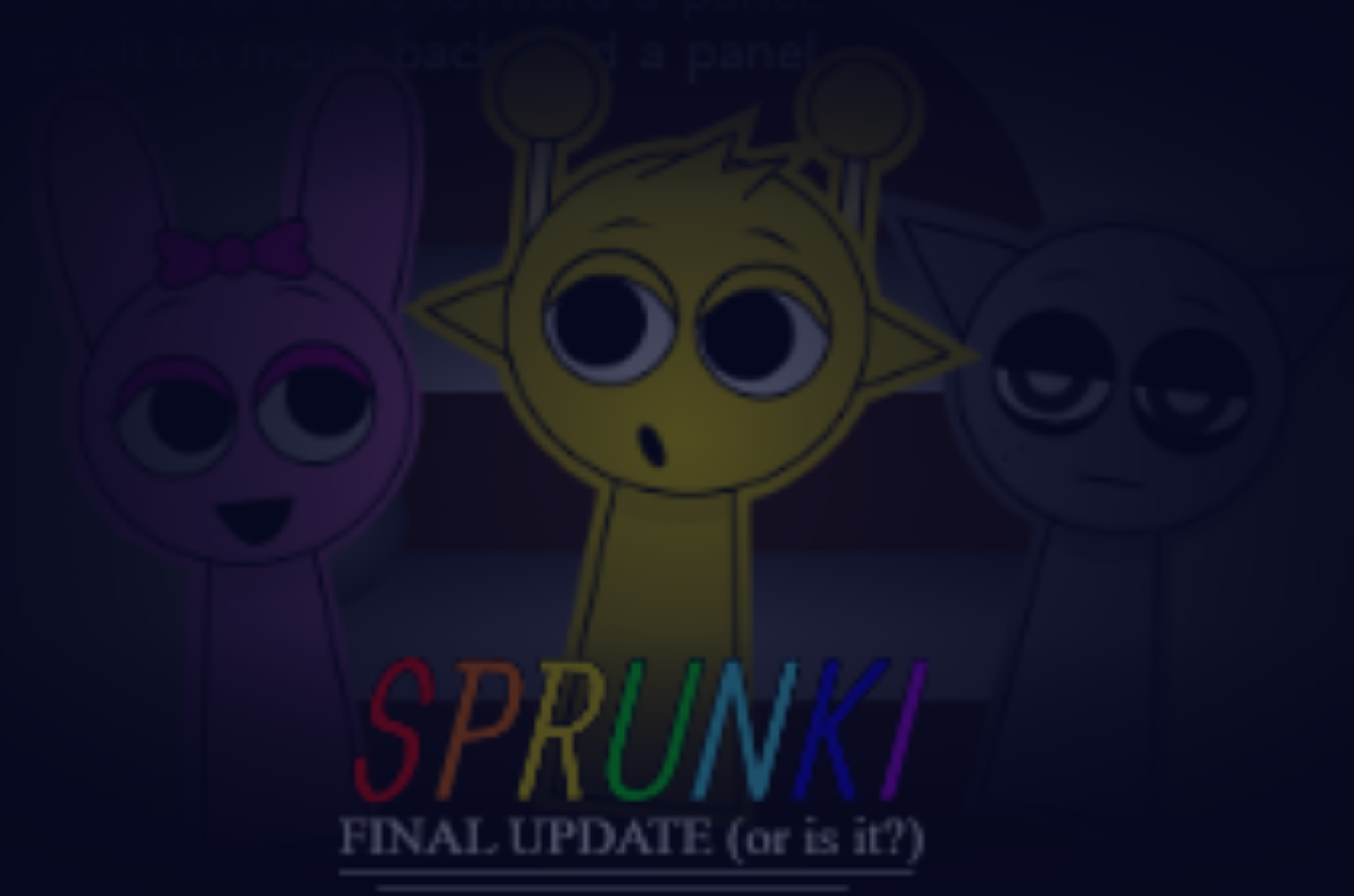
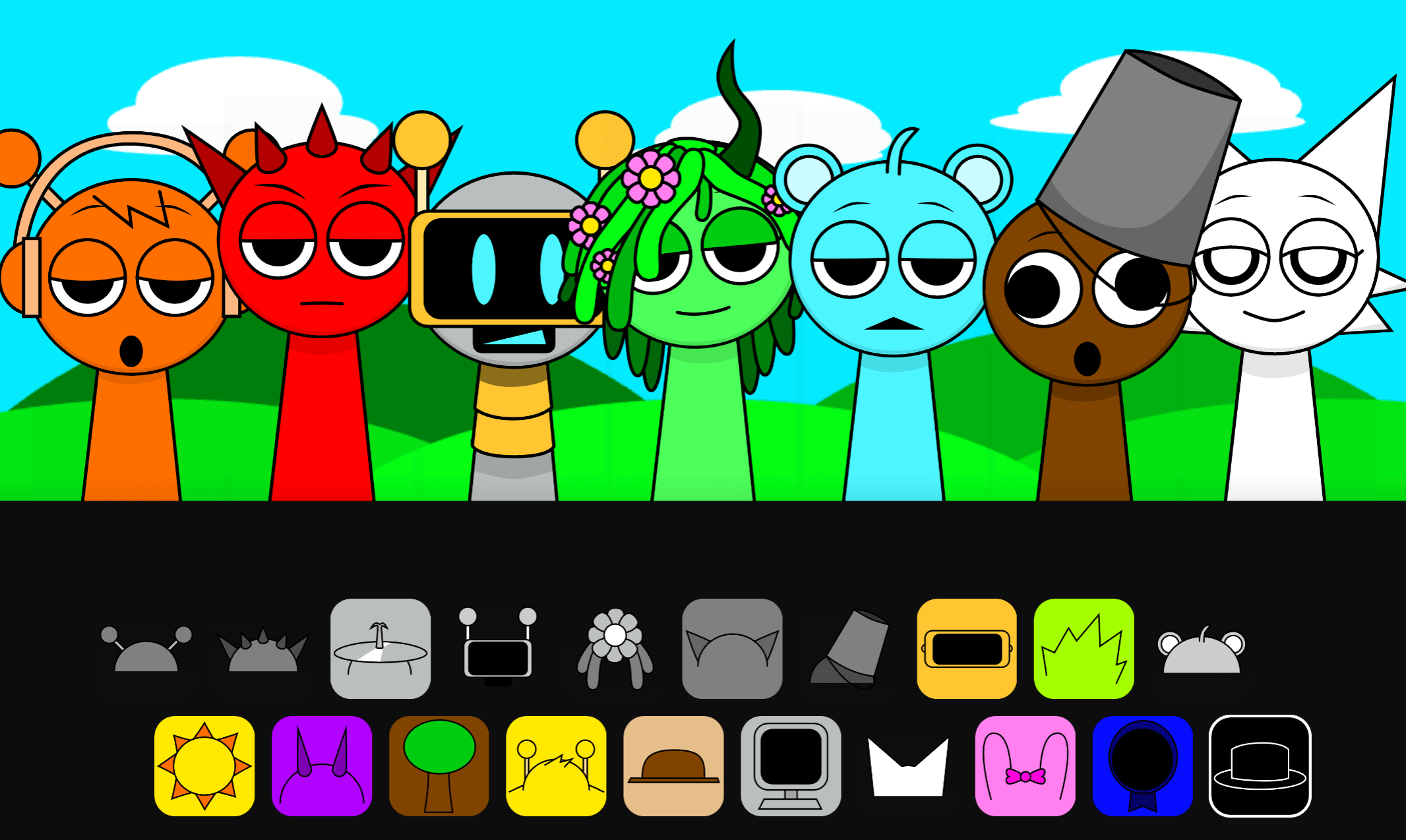
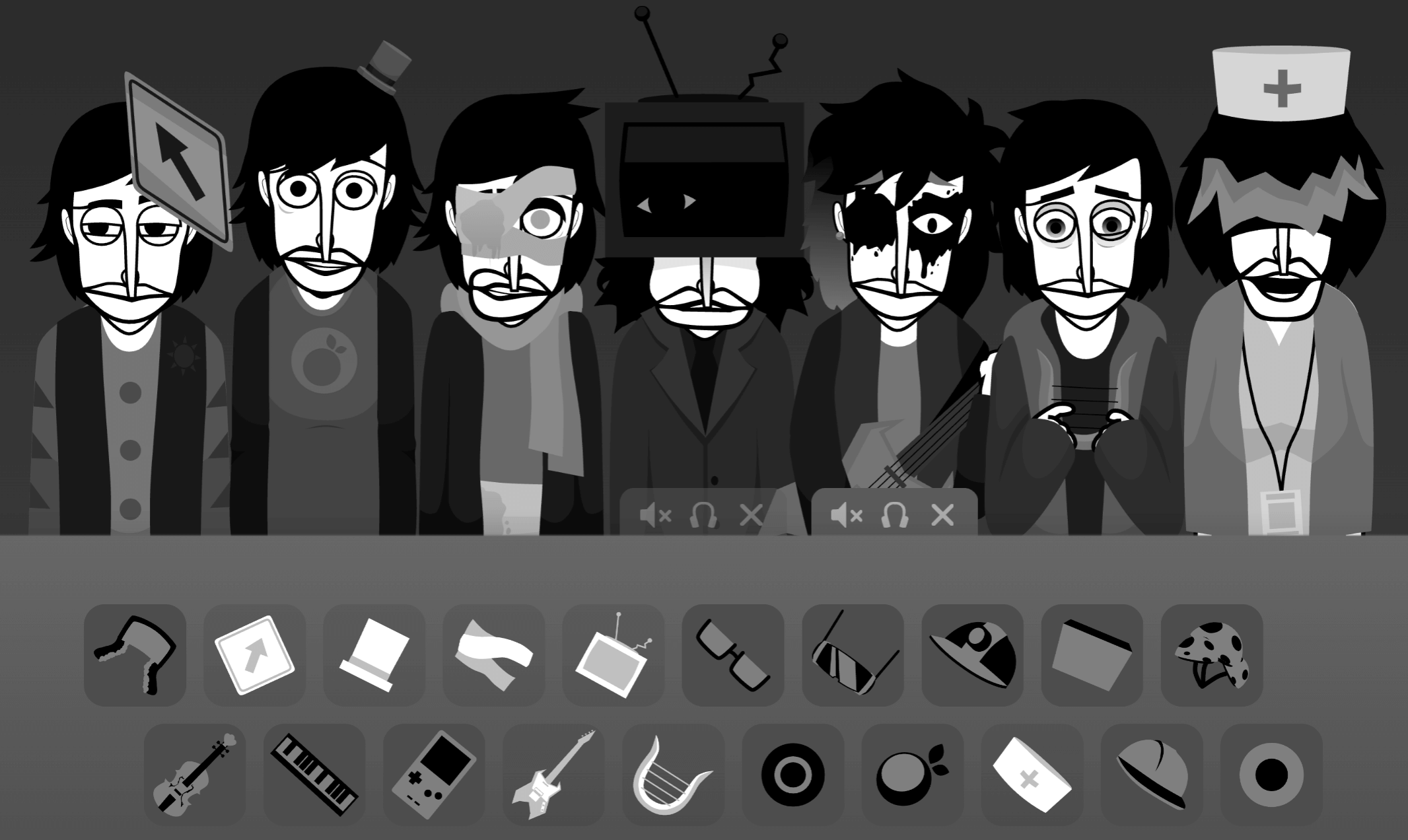
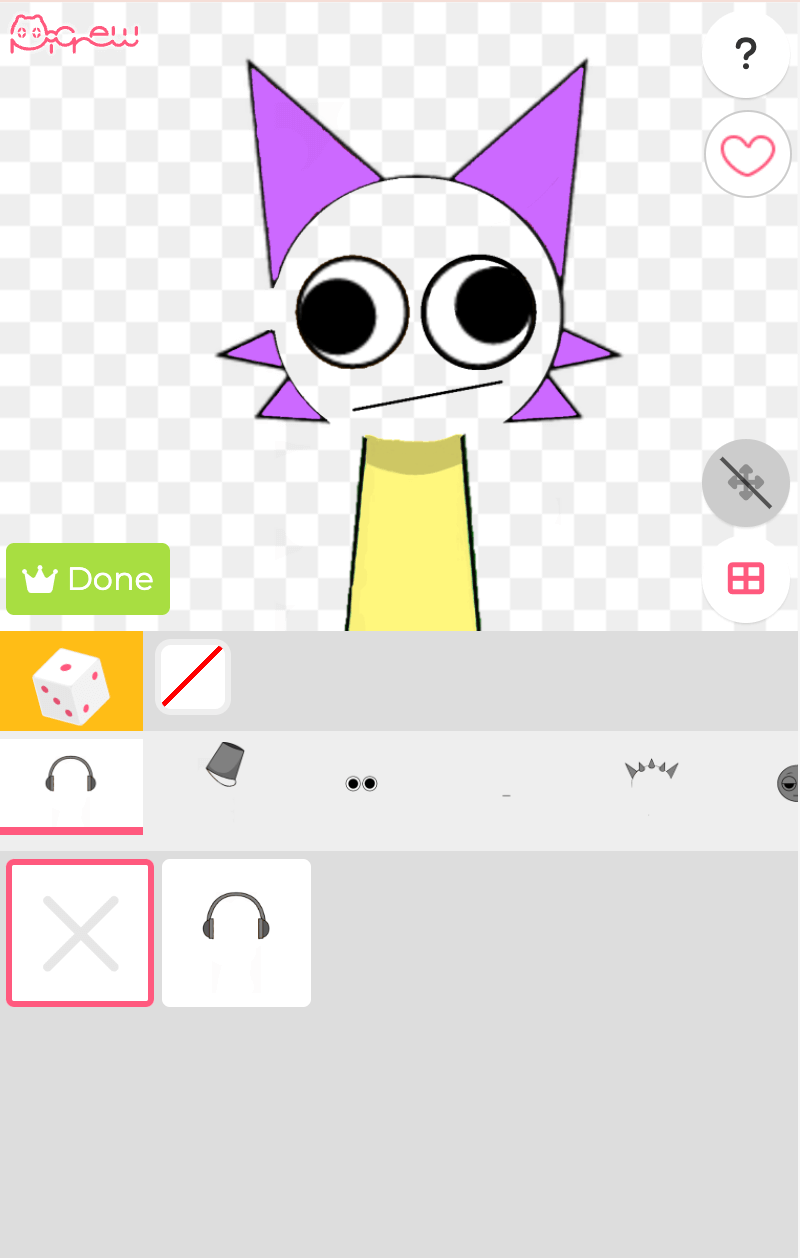
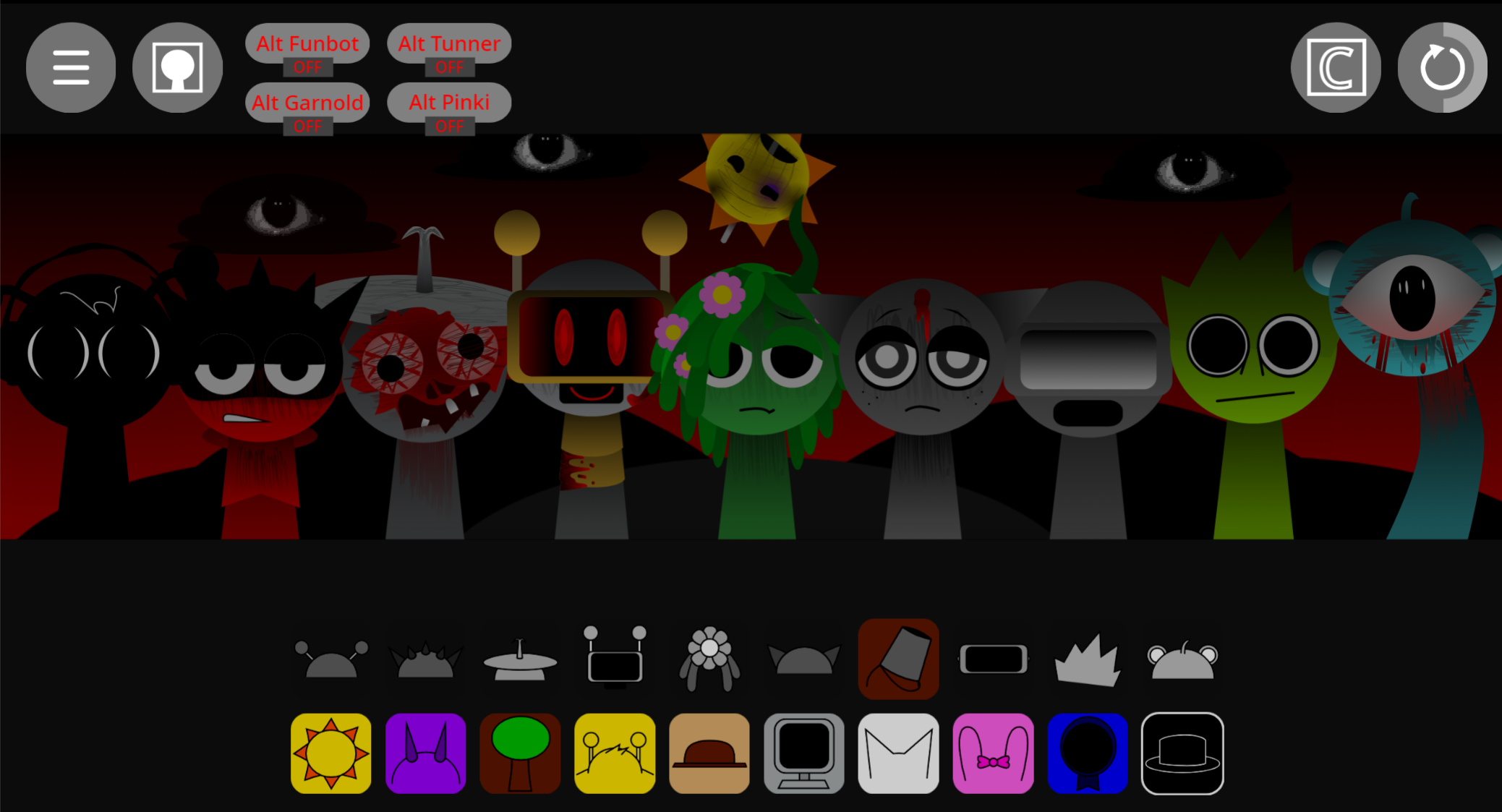
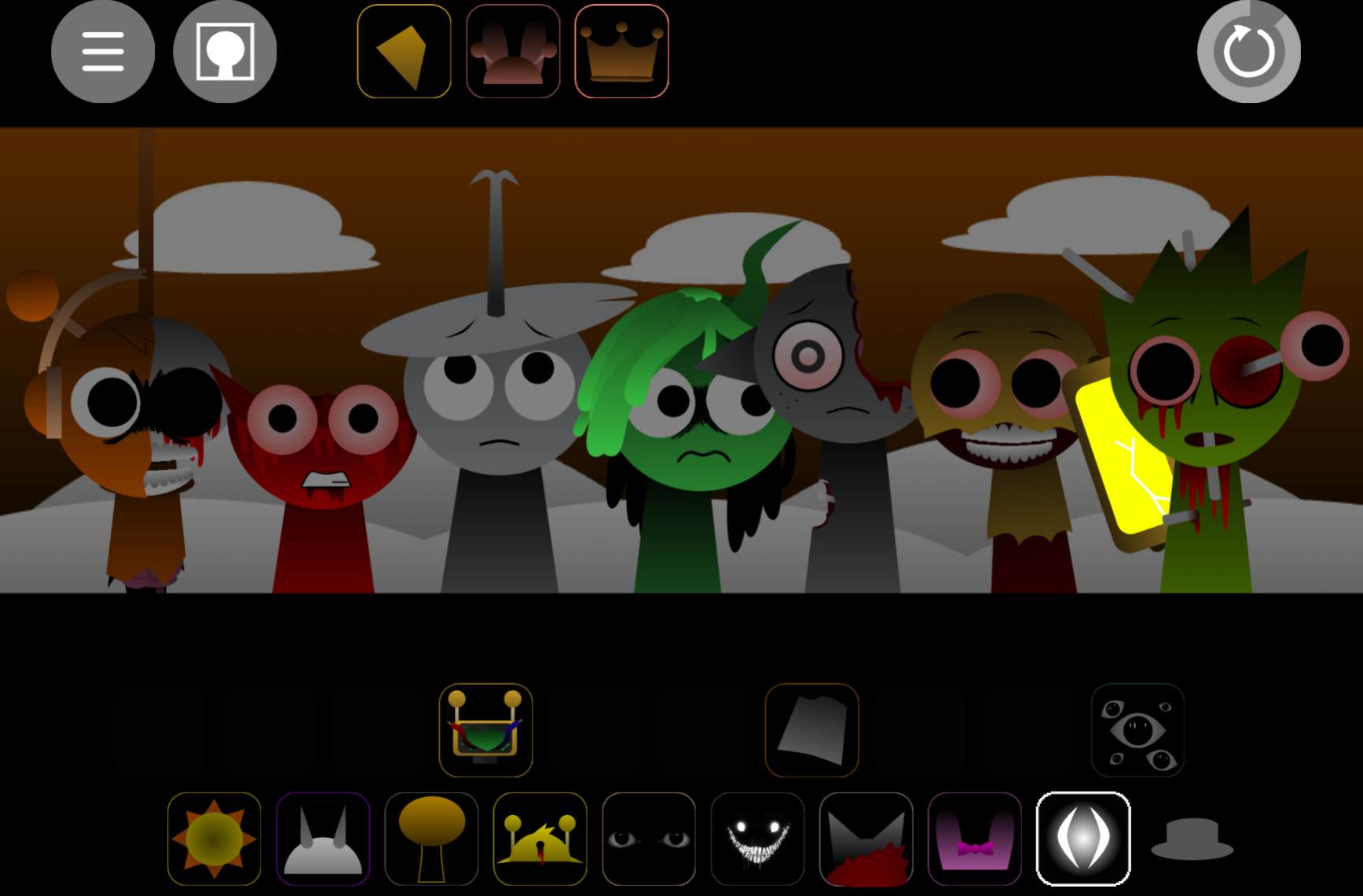


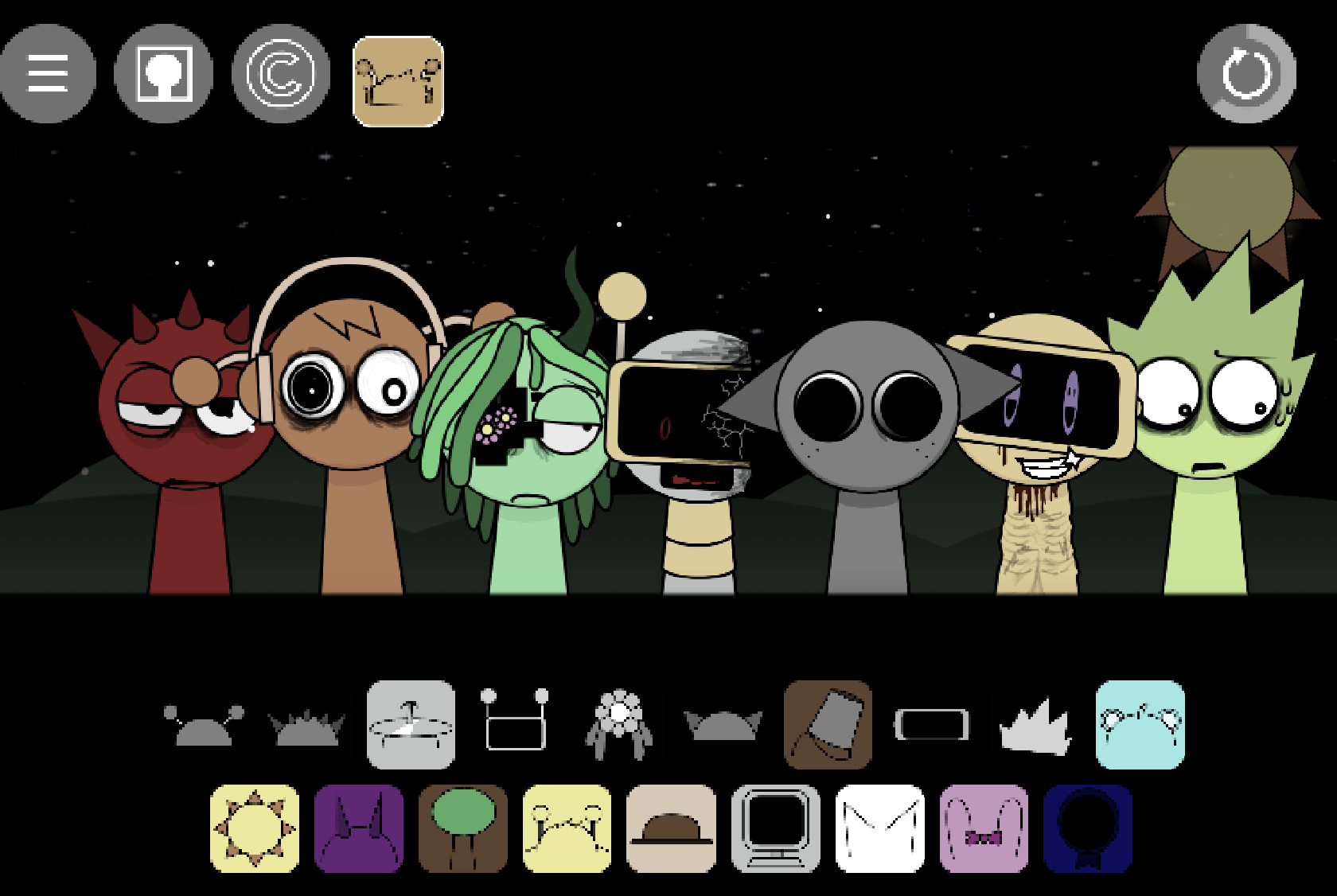
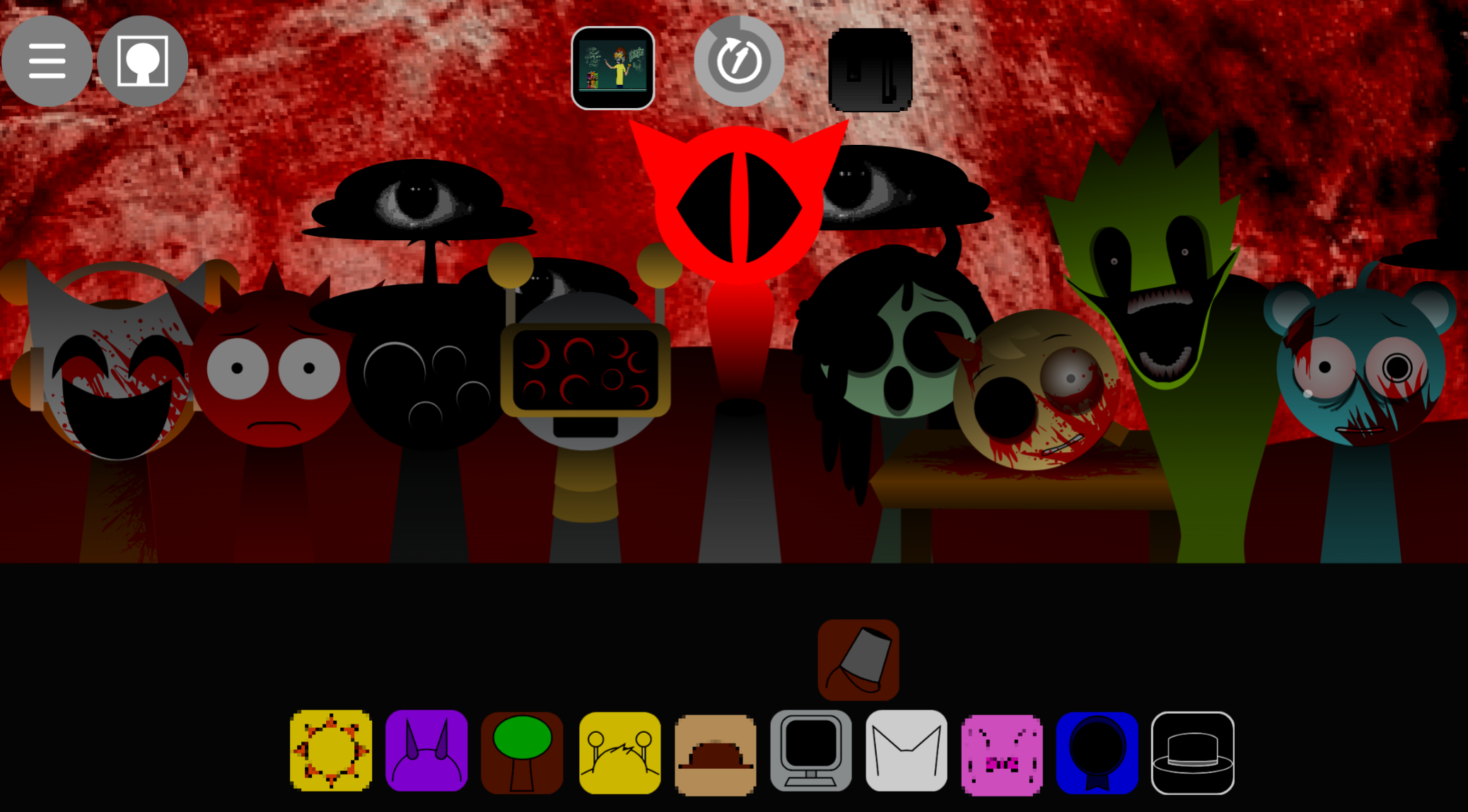
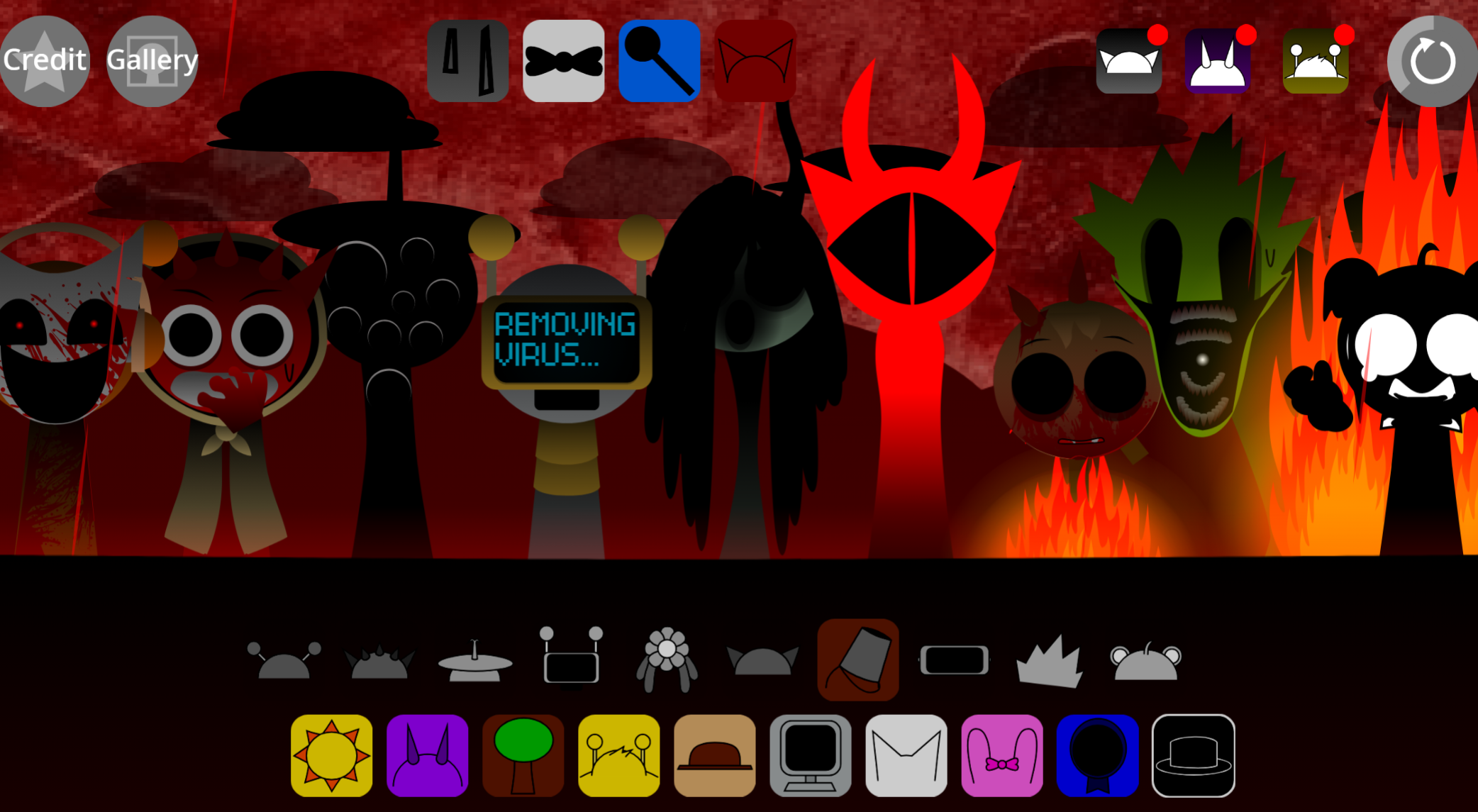
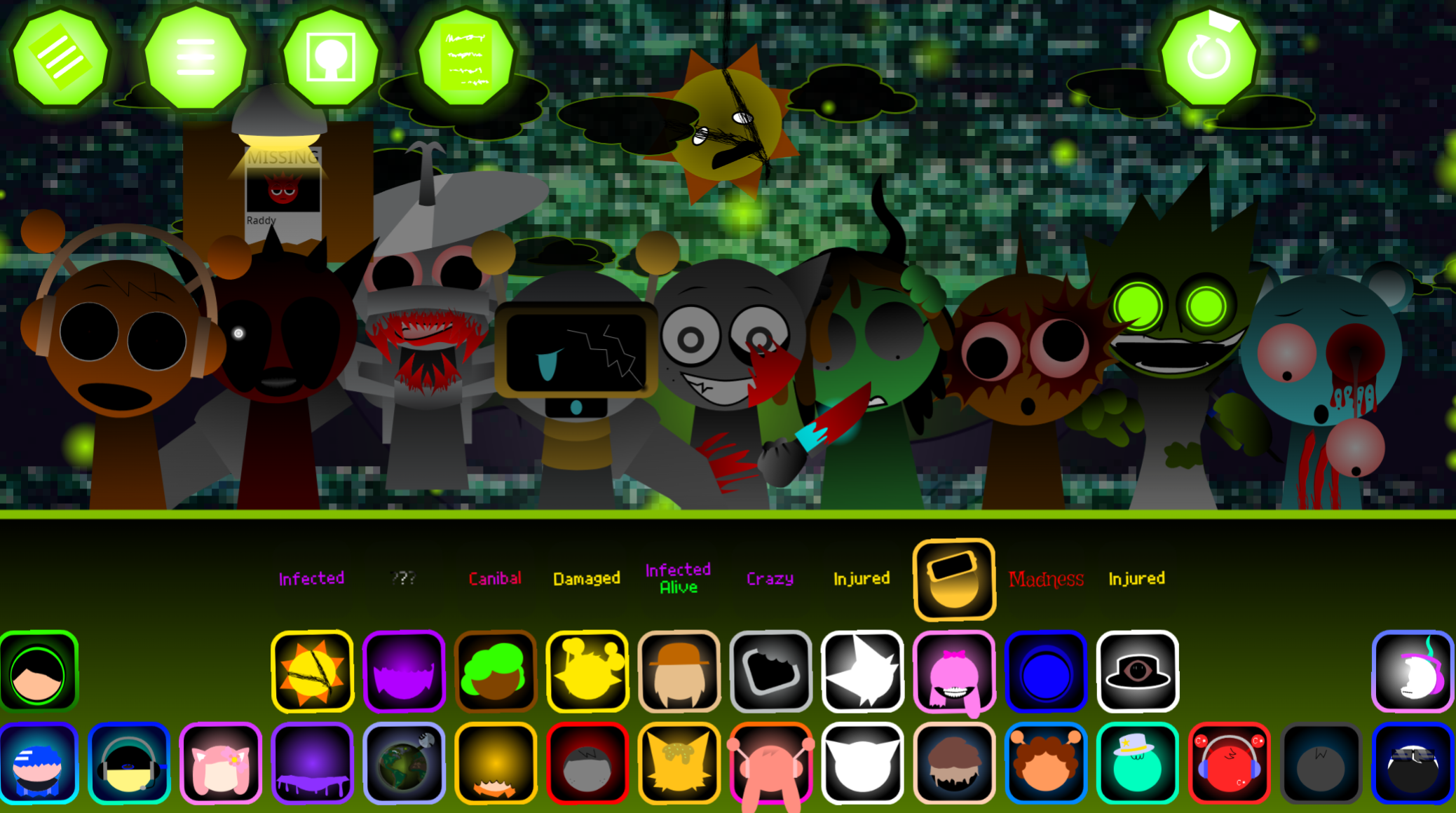
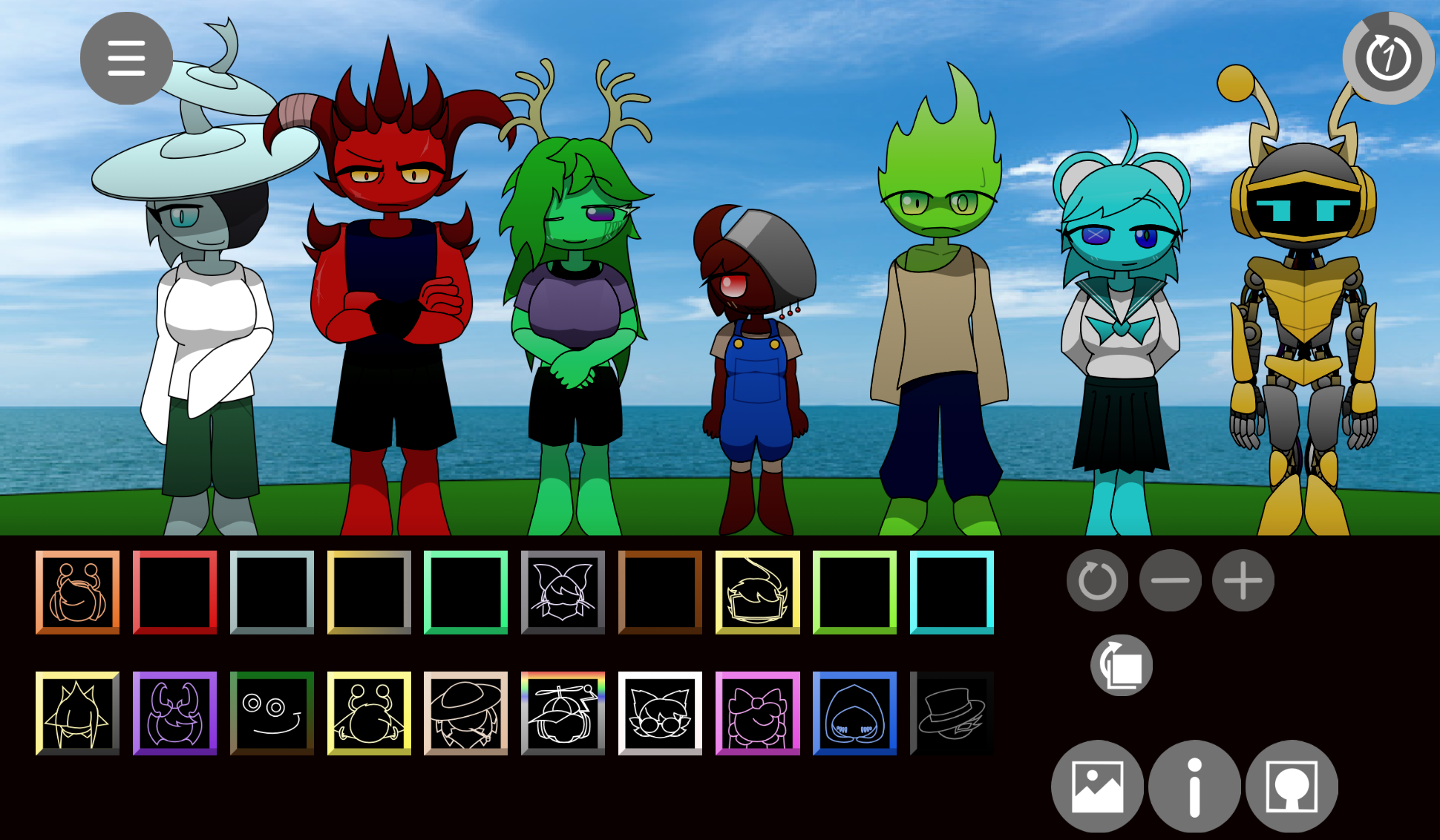
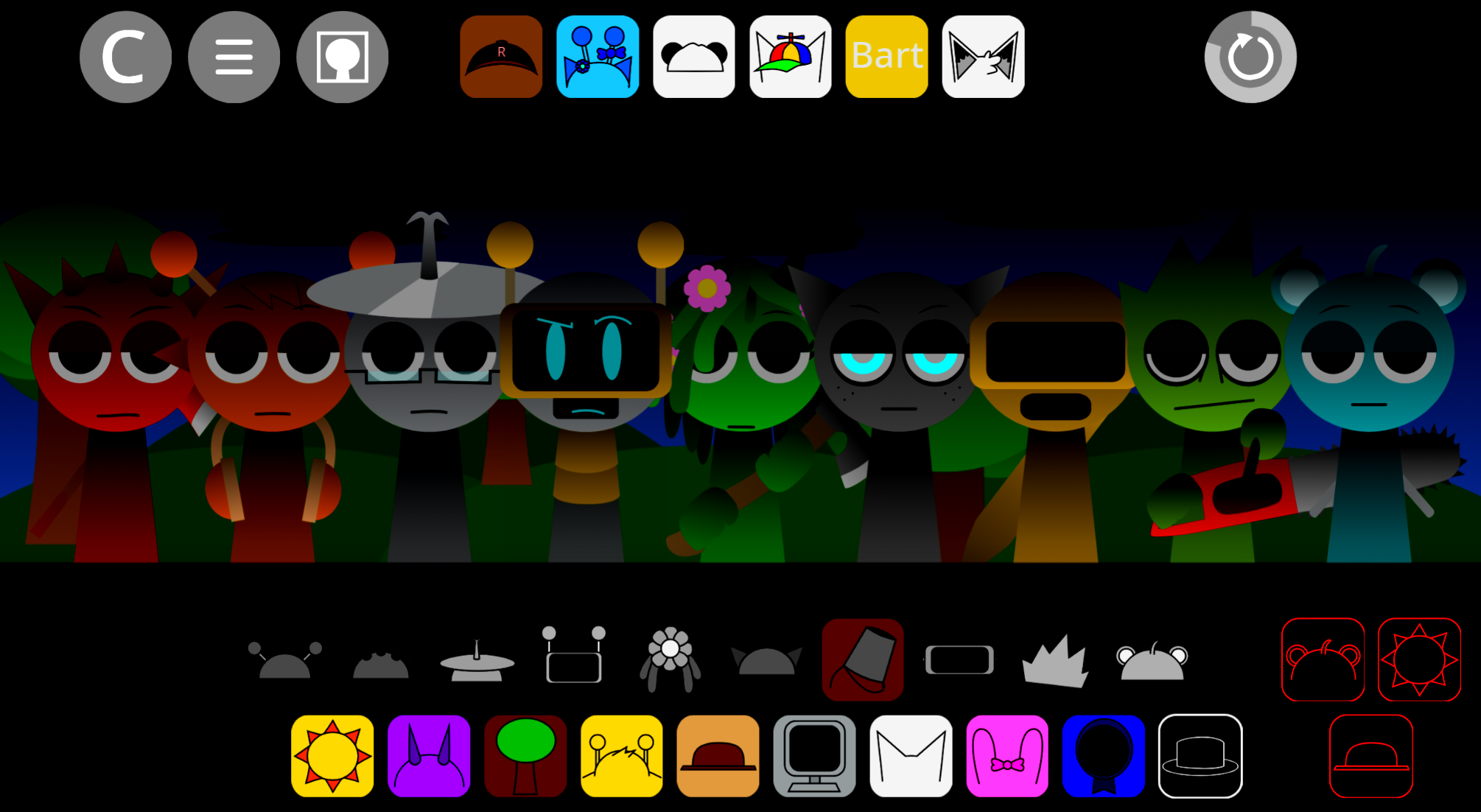
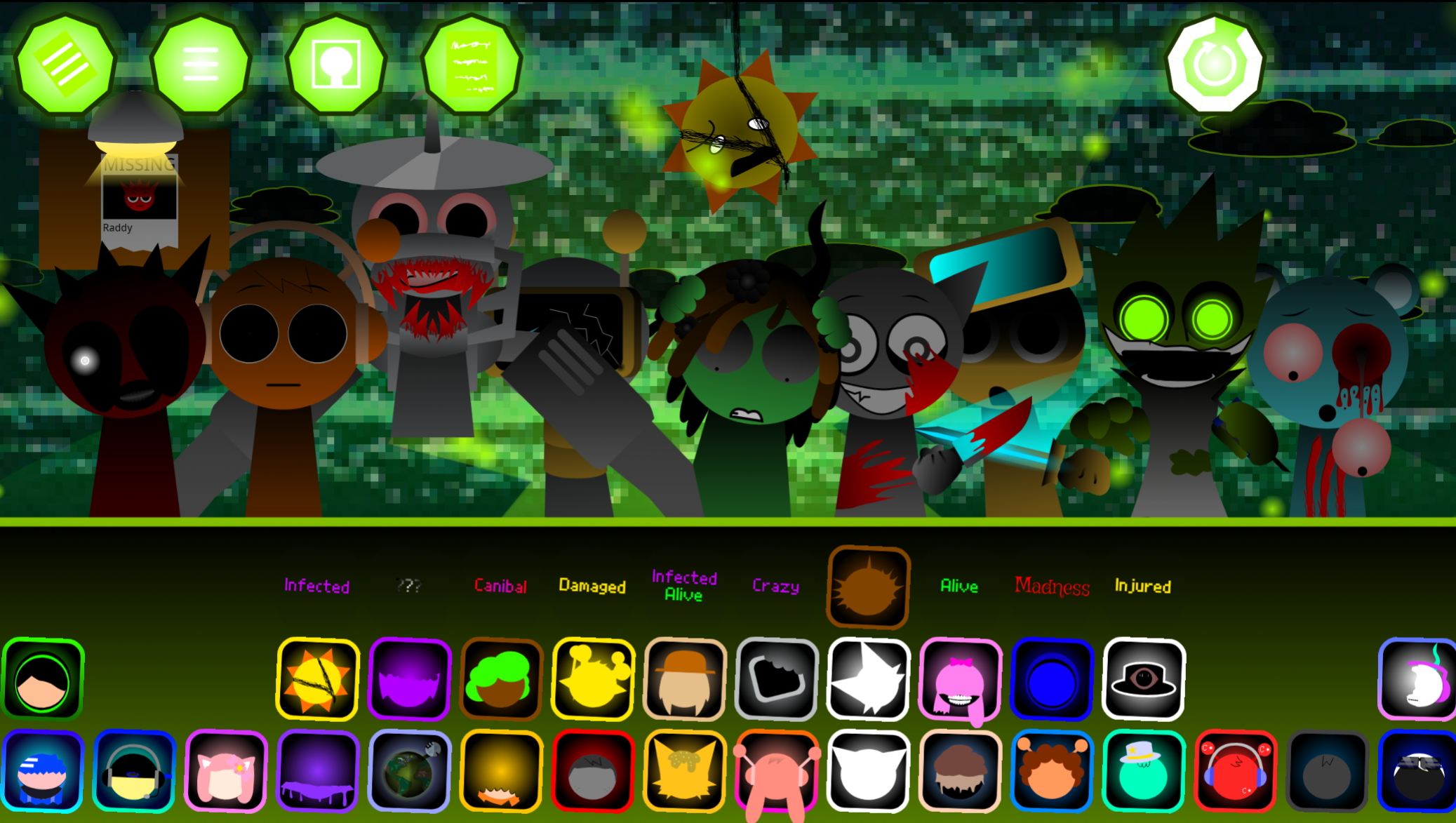
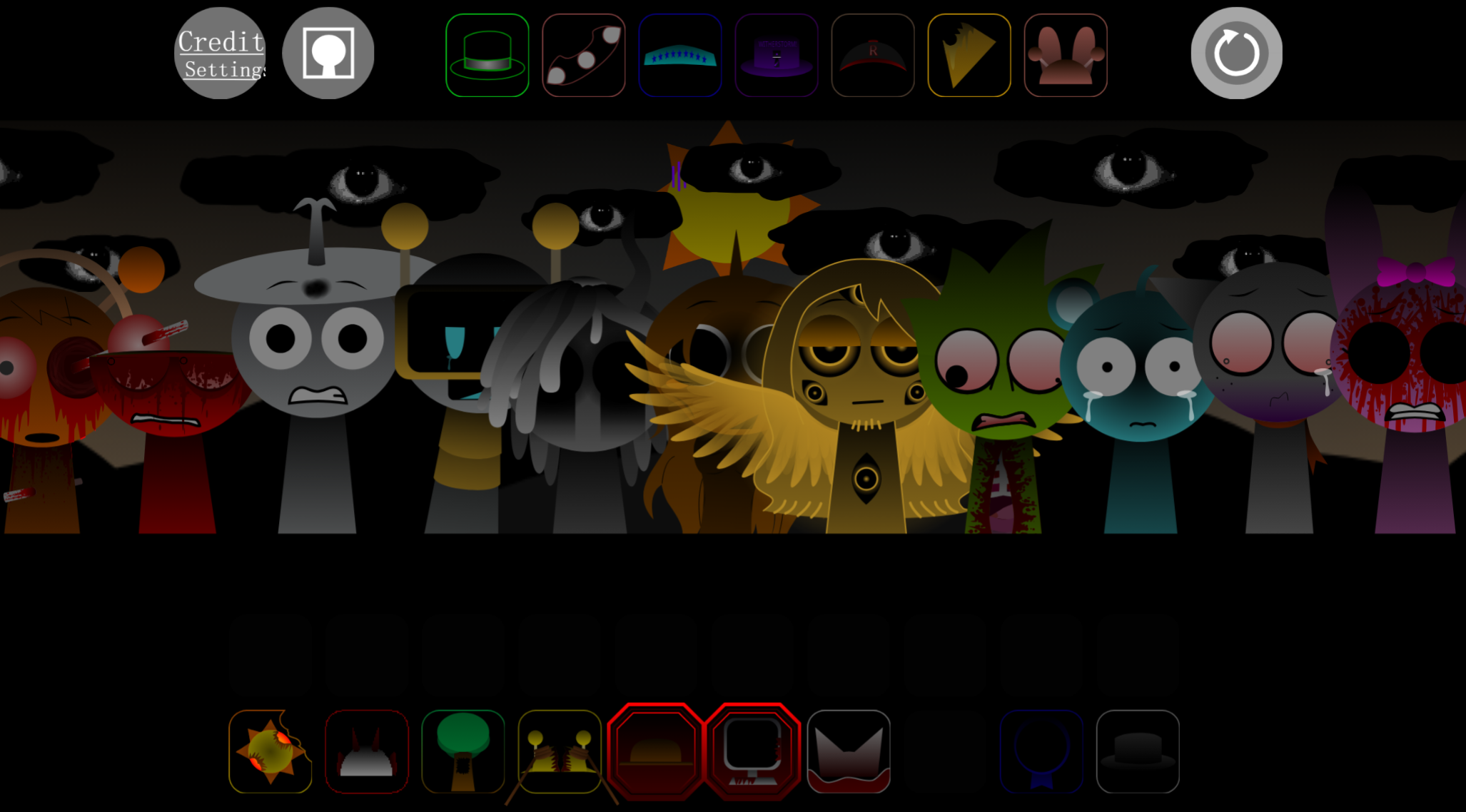
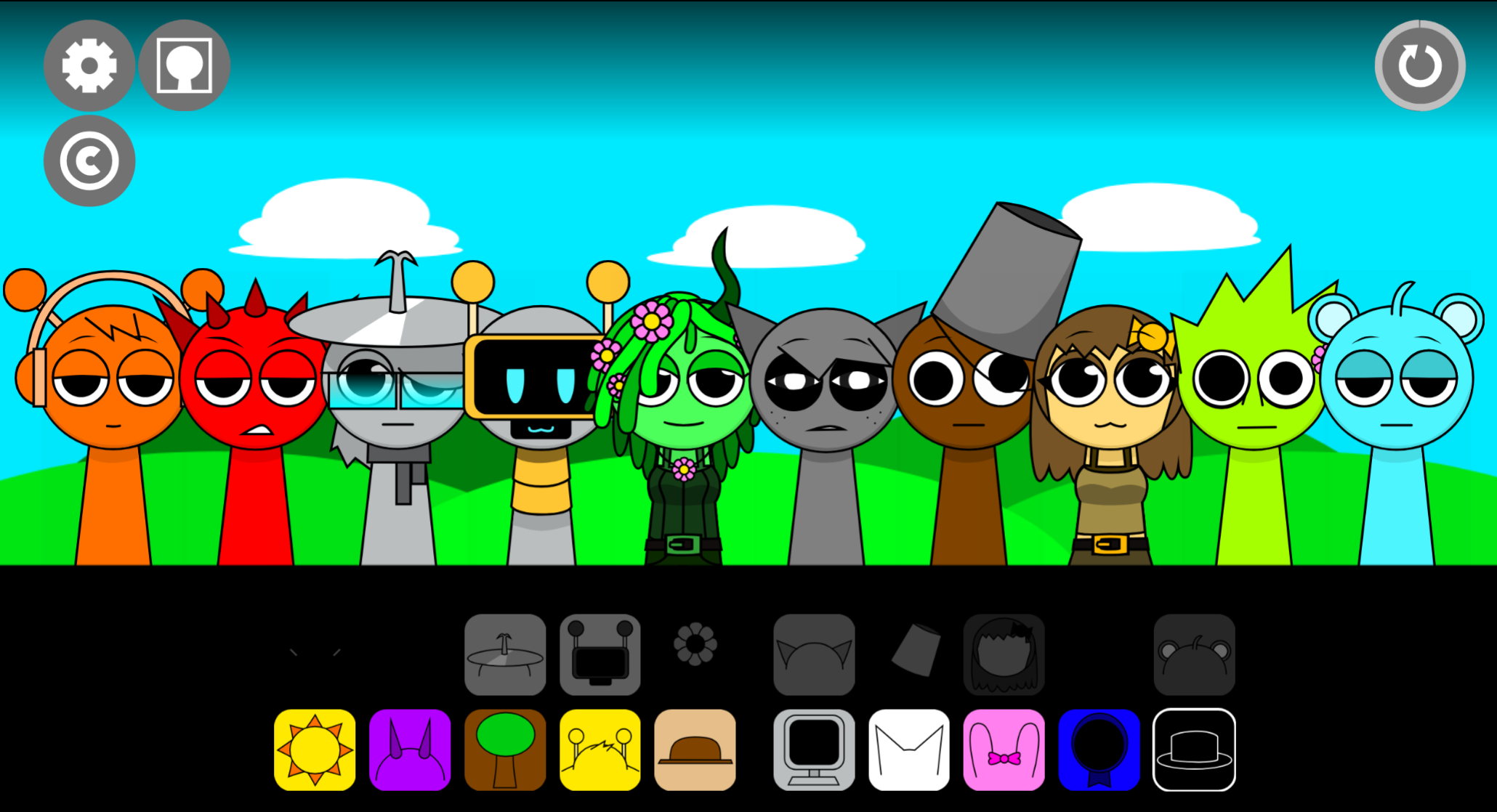
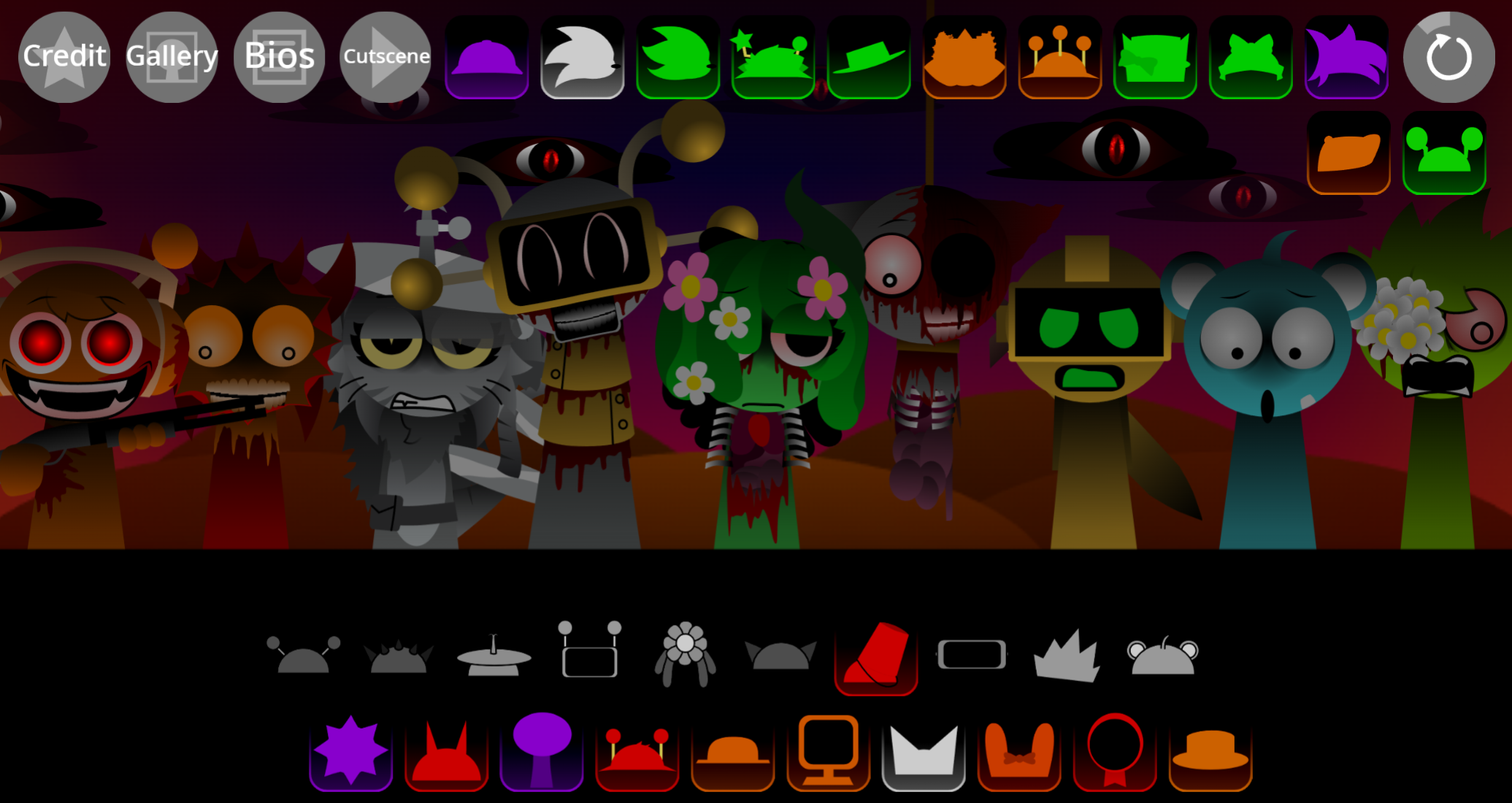
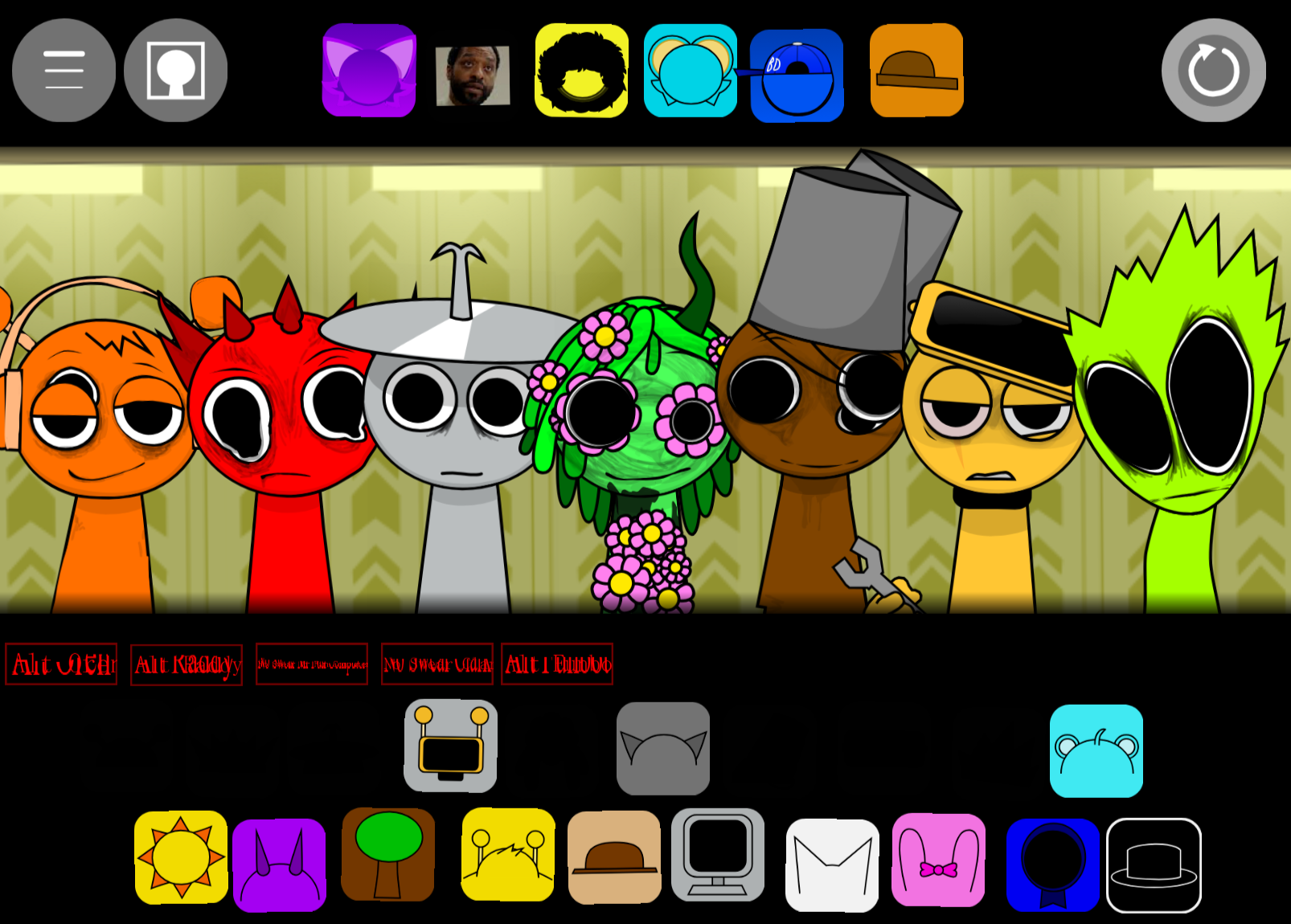
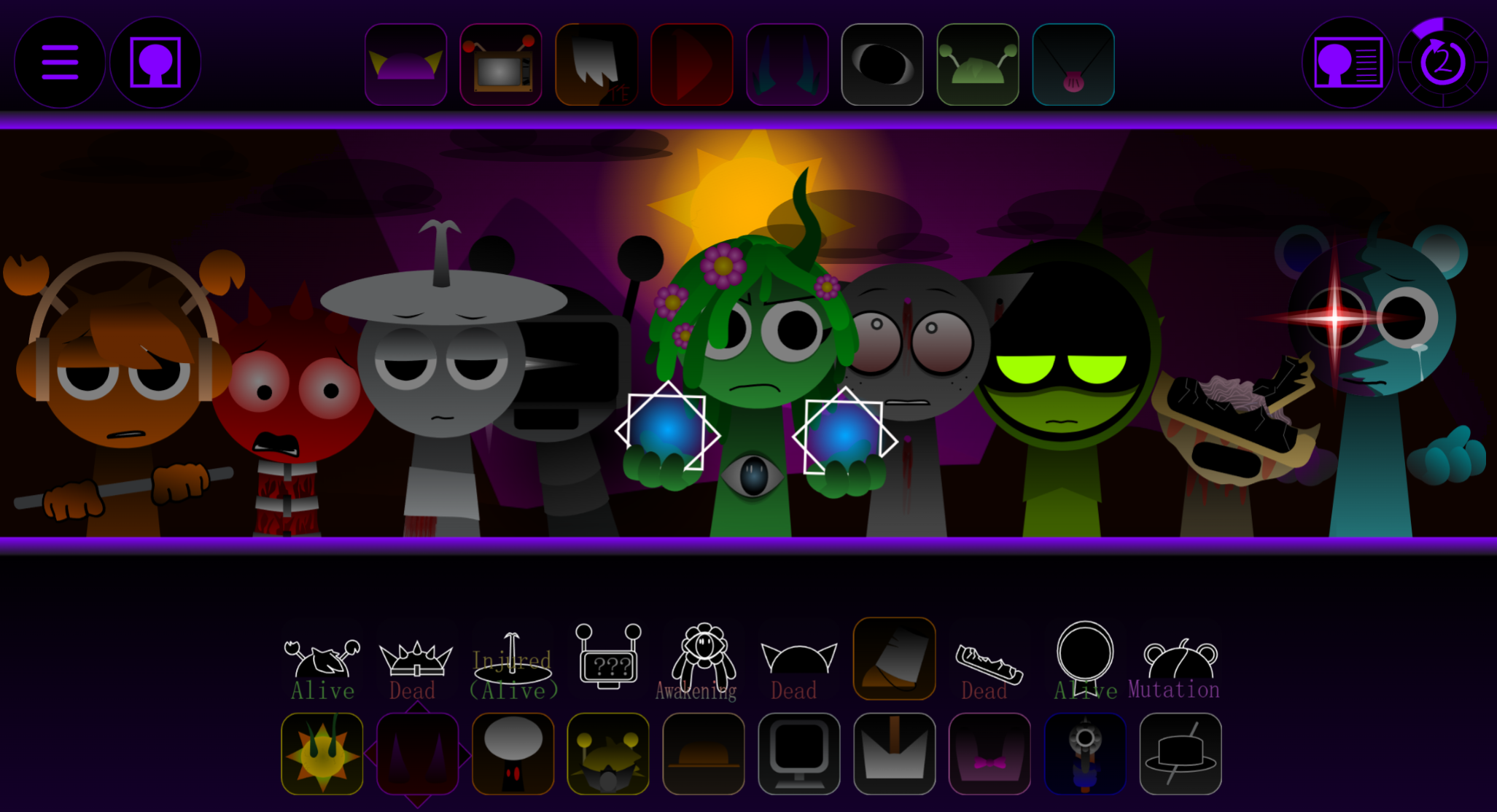
Sprunki Joren Engine V14.0 Part 1/3 is a buildable framework template rather than a finished game. Available source material presents it as a Joren Engine release by @OriyaHaitov2, which matters because you are opening a creator-facing base, not a polished standalone remix.
That changes what players should expect from the first minute. The familiar drag-and-drop Sprunki format is still visible, but the real value sits underneath it: prebuilt character handling, sound integration, and visual presentation that can be reused instead of rebuilt from scratch. This article focuses on what that foundation gives you, how the portal gate idea changes the template’s scope, and who will actually benefit from Part 1/3.
If you only want a ready-made session, this can feel sparse. If you want to see how a Sprunki framework is assembled and extended, that same simplicity becomes the point.
Features of Sprunki Joren Engine V14.0 (Part 1/3)
Sprunki Joren Engine V14.0 Part 1/3 is best read as a template system for modders. Instead of giving you a finished soundtrack, a locked character set, and a clear end-state, it gives you the working base that future remixes can grow out of. The built-in structure already covers core character behavior, sound placement, and visual response, so creators can test ideas without having to build the whole shell from zero.
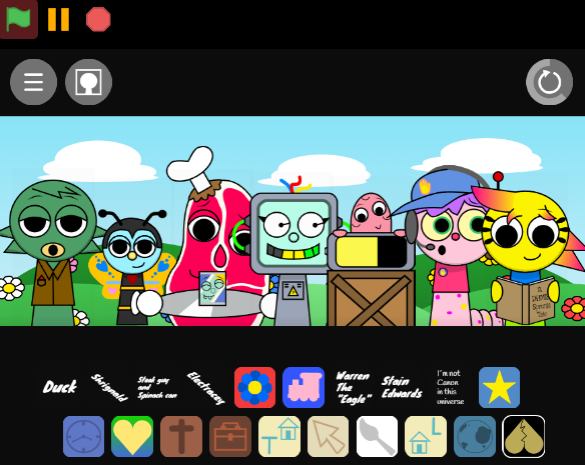
One of the more distinctive ideas here is the portal gate concept. In practical terms, it frames the engine as a place where different Sprunki OCs and even different fan-universe ideas can be linked inside one project. That makes the release feel broader than a one-theme character pack. It is less about “here is the final mix” and more about “here is the system that can host several kinds of mixes and character setups.”
Template System Highlights
- Reusable template structure: The engine works as a foundation creators can adapt for their own Sprunki builds.
- Built-in core systems: Character handling, sound integration, and visual presentation are already in place.
- Portal gate support: The framework is designed to connect different Sprunki OCs and broader fan concepts inside one setup.
- Part-by-part rollout: Part 1/3 reads like the first stage of a larger engine path rather than a one-off drop.
Those points matter because they reduce setup work. For a creator, the main gain is not raw novelty; it is getting a usable base for testing combinations, checking how audio layers behave, and seeing how visual feedback holds together before a bigger project is finished.
What Changes From a Normal Sprunki Mod?
A normal Sprunki mod usually asks whether the new sounds, characters, or theme are fun to play right away. Joren Engine Part 1/3 asks a different question: can this framework support the version you want to build next?
That shift affects how you read every feature. Character placement still matters, but here it doubles as a way to inspect the template’s logic. Audio layering is still part of the interaction, but it is also a test bed for custom sound assignments. Even the Part 1/3 label matters more than usual, because it signals an opening stage in a larger engine sequence instead of a finished remix that already stands on its own.
For returning Sprunki players, this is the biggest adjustment. The fun is not mainly in mastering a finished track; it is in seeing the base architecture, understanding what is already solved, and deciding how far that structure can be pushed.
Why Part 1/3 Matters in the Version Chain
The numbering is not decorative. Part 1/3 tells you this release is supposed to establish the foundation before later pieces add more on top of it. That gives the current version a narrower but clearer job: set the framework, prove the concept, and leave room for expansion. If you judge it like a finished mod, it can feel underdeveloped. If you judge it like stage one of a creator toolkit, it makes much more sense.
How to Play Sprunki Joren Engine V14.0 (Part 1/3)
Because this is an Engine template, you use it more like a buildable framework than a finished Sprunki mod. The goal is to learn what the base already does well, then test how your own ideas fit inside it.
Start with the Joren Engine foundation.
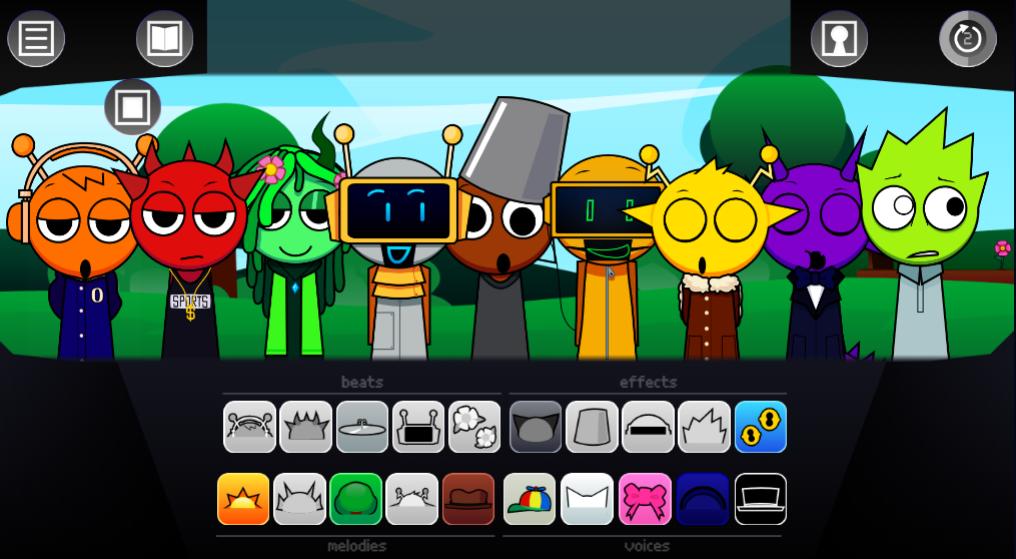
Load the template and look at the systems that are already active. Character behavior, sound handling, and visual presentation are not blank placeholders here; they are the point of the release.
Place and test characters.
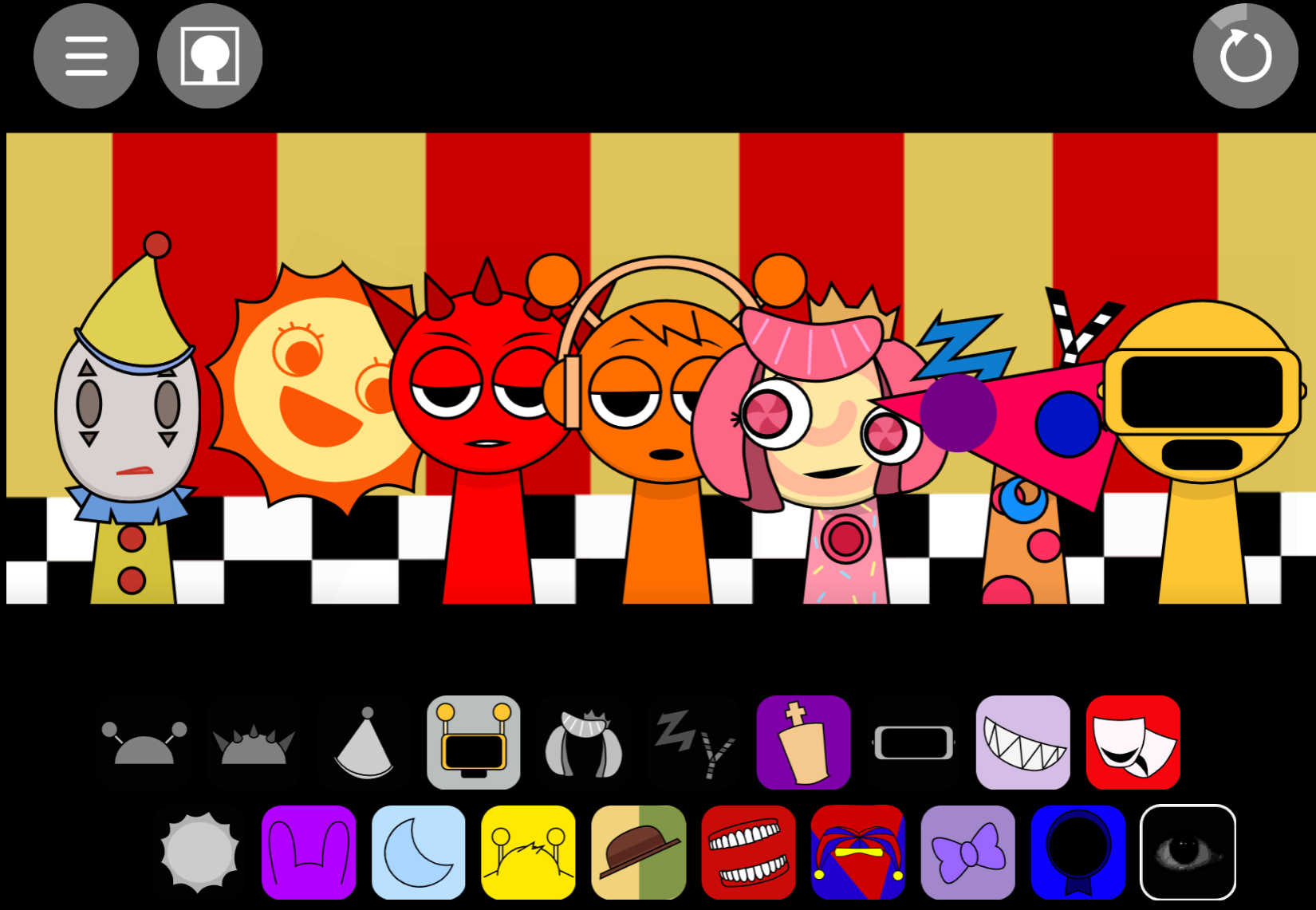
Use drag-and-drop like you would in other Sprunki experiences, but pay attention to what the template is revealing. You are not only making a mix. You are checking how slots, sounds, icons, and on-screen reactions work together.
Experiment with custom setups.
Try combinations that tell you something about the framework: which roles feel fixed, which parts look reusable, and where the template feels open to reinterpretation. That is more useful here than chasing a single polished output.
Use the portal gate idea as a design clue.
If the framework is meant to connect different Sprunki OCs and broader fan concepts, then treat this Part as infrastructure. It is a place to test how separate character identities and styles can live inside one engine rather than a finished showcase that answers everything by itself.
The more helpful mindset is “study and adapt” rather than “beat and move on.” Once you approach it that way, Part 1/3 reads much more clearly.
What Returning Creators Will Notice First
Creators who have spent time around finished Sprunki remixes will notice that this template front-loads the boring but necessary work. Instead of making you invent the whole shell, it gives you a readable base where character systems, sound hooks, and visual cues already exist.
That does not make the work disappear, but it changes where the effort goes. You spend less time laying pipe and more time asking whether your version needs different characters, different sound roles, or a different visual identity. That is why this release is more valuable to builders than to casual players who only want a quick themed session.
Related Games
- Carl Sprunki Template — Like Joren Engine V14.0 Part 1/3, this is built around a template-first structure that lets players study character slots, assets, and mod foundations instead of just playing a finished remix.
- Sprunke.Msi New Update — Joren Engine is framed as a base for MSI-style creations, so this update is a strong follow-up for seeing the kind of more developed mod the template is meant to help creators build.
- Sprunki The Definitive Phase 12 Part One — Its “Part One” structure makes it a relevant next click for readers interested in staged, evolving Sprunki projects rather than standalone one-off mixes.
Who Is Part 1/3 For?
This Part suits players and modders who want to understand the Joren Engine structure, test ideas, or study how a Sprunki template is assembled. It is a good fit for creators who like reusable systems, staged rollouts, and framework-driven projects more than self-contained one-click experiences.
It is a weaker fit for readers hoping for a polished music-mixing session right now. Part 1/3 is the foundation, not the full toolkit. If your goal is to inspect the base and build on top of it, it is worth opening. If your goal is instant payoff as a finished mod, a more complete Sprunki release will serve you better.

Discuss
Loading comments...
Failed to load comments. Please try refreshing the page.