
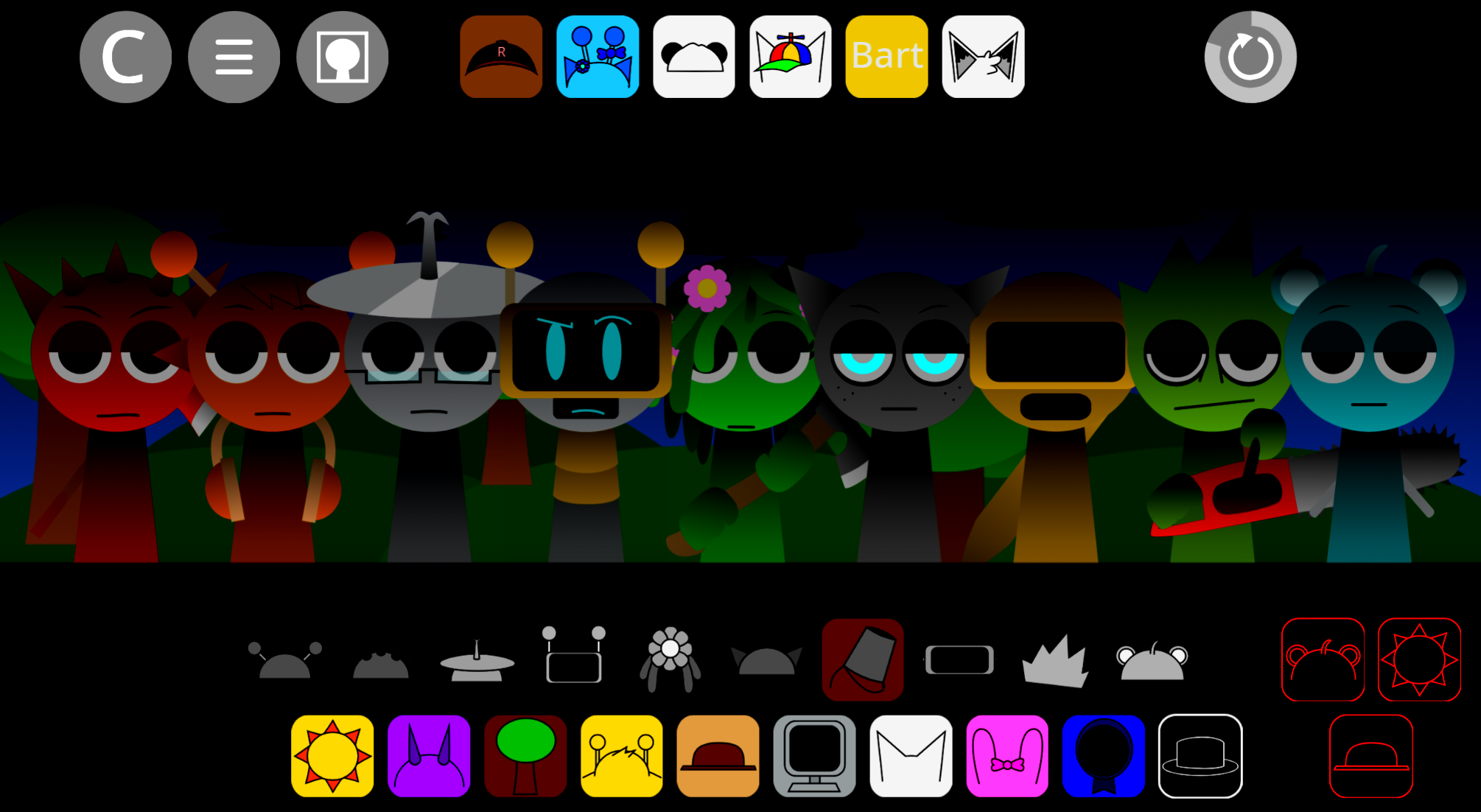
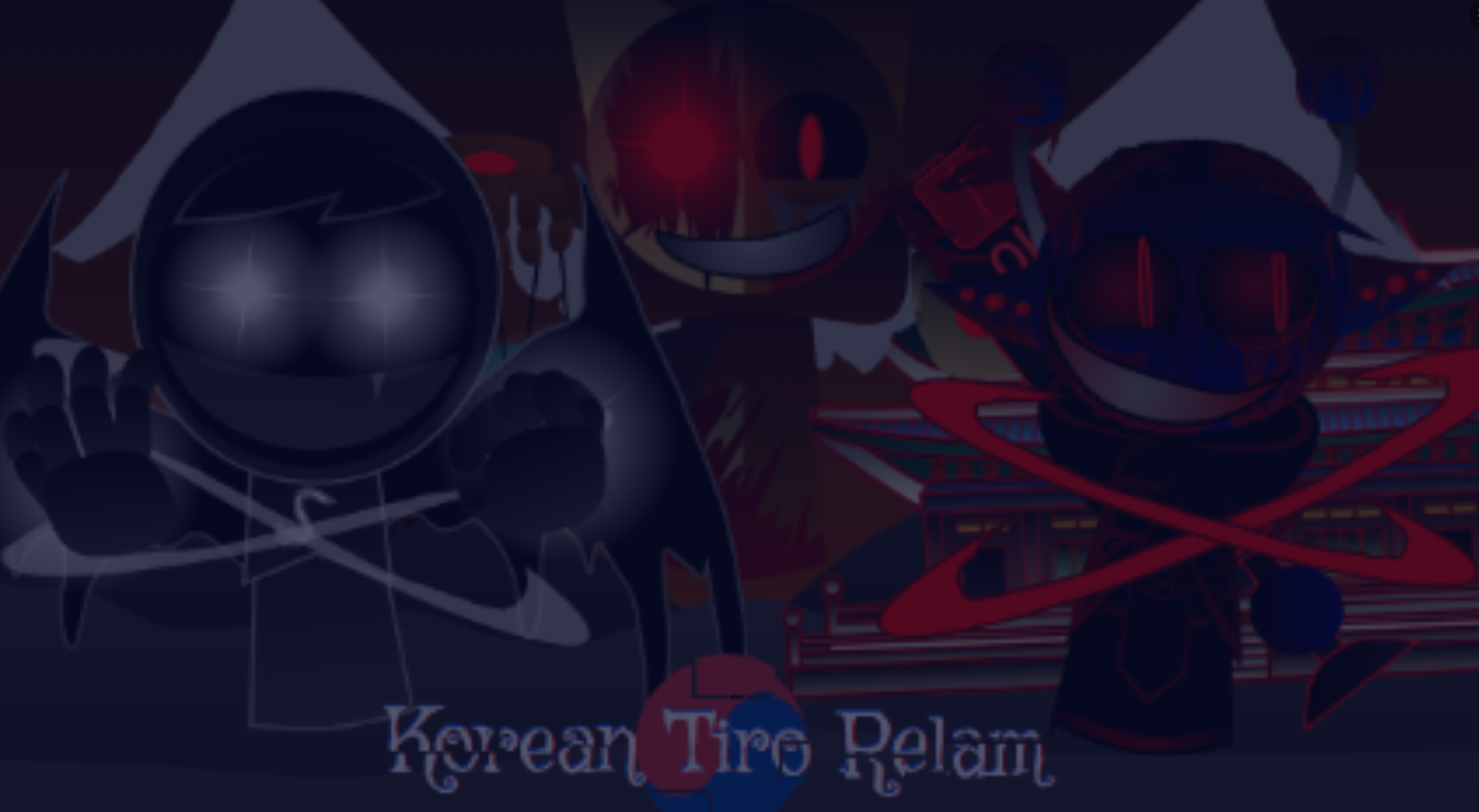


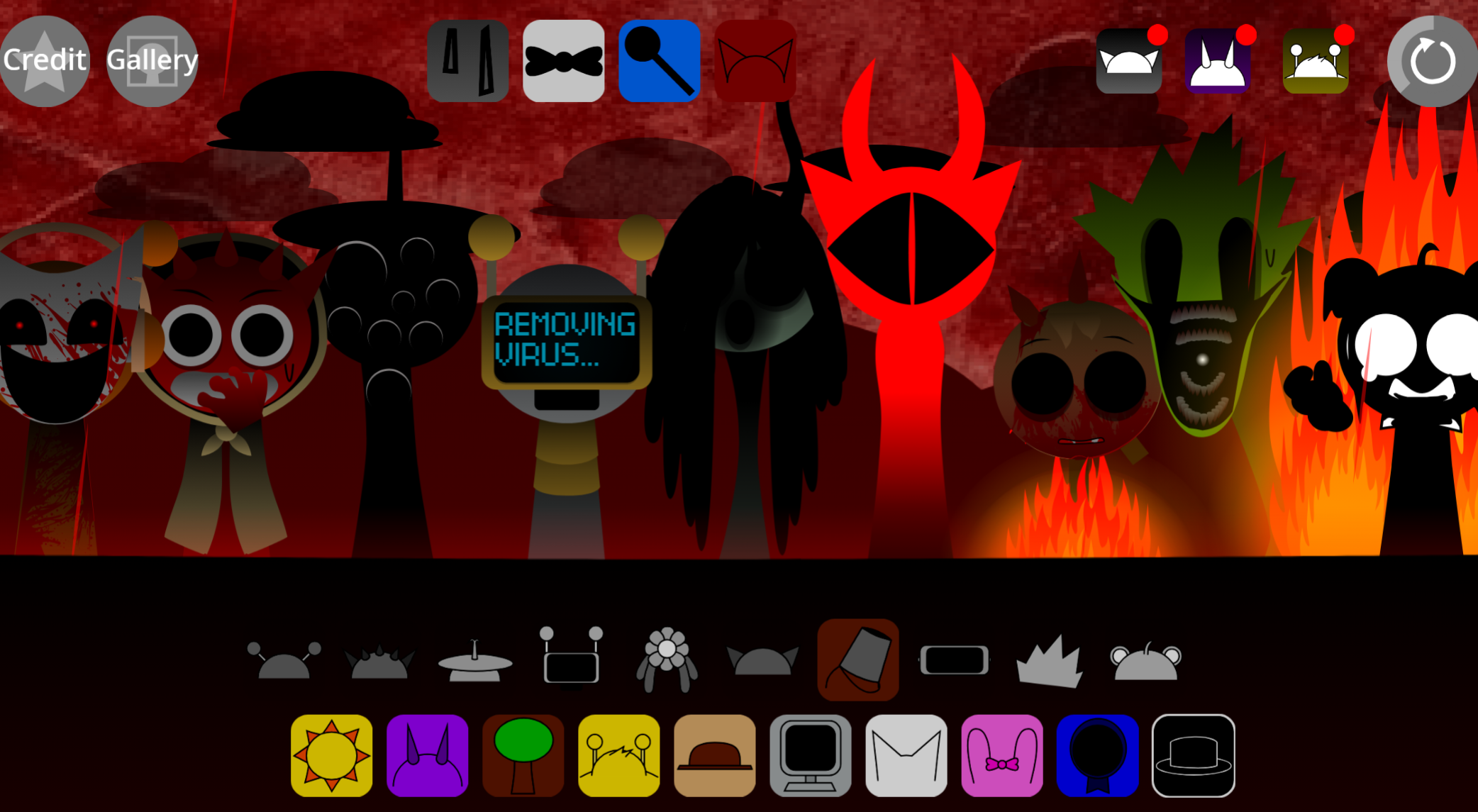
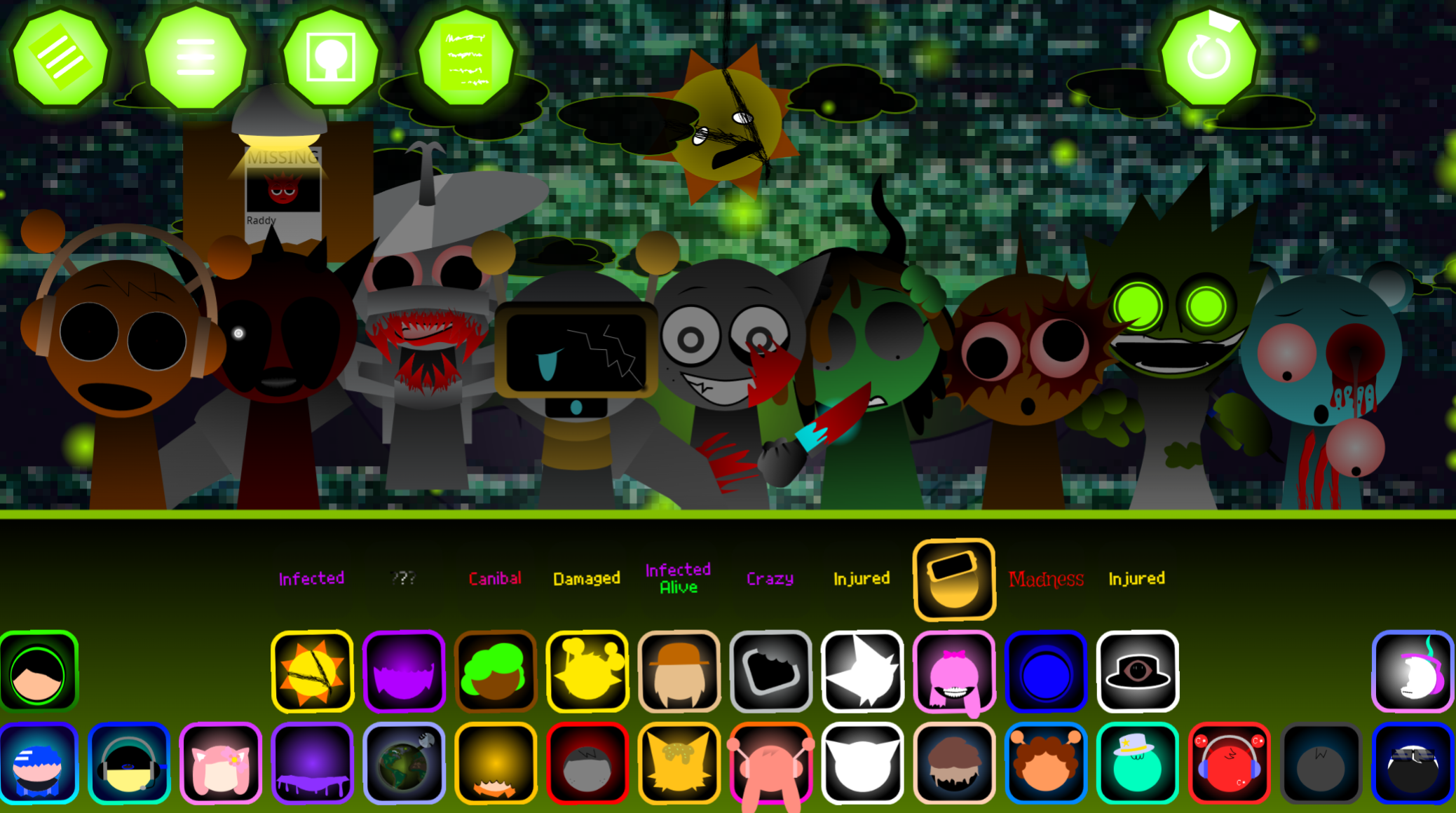
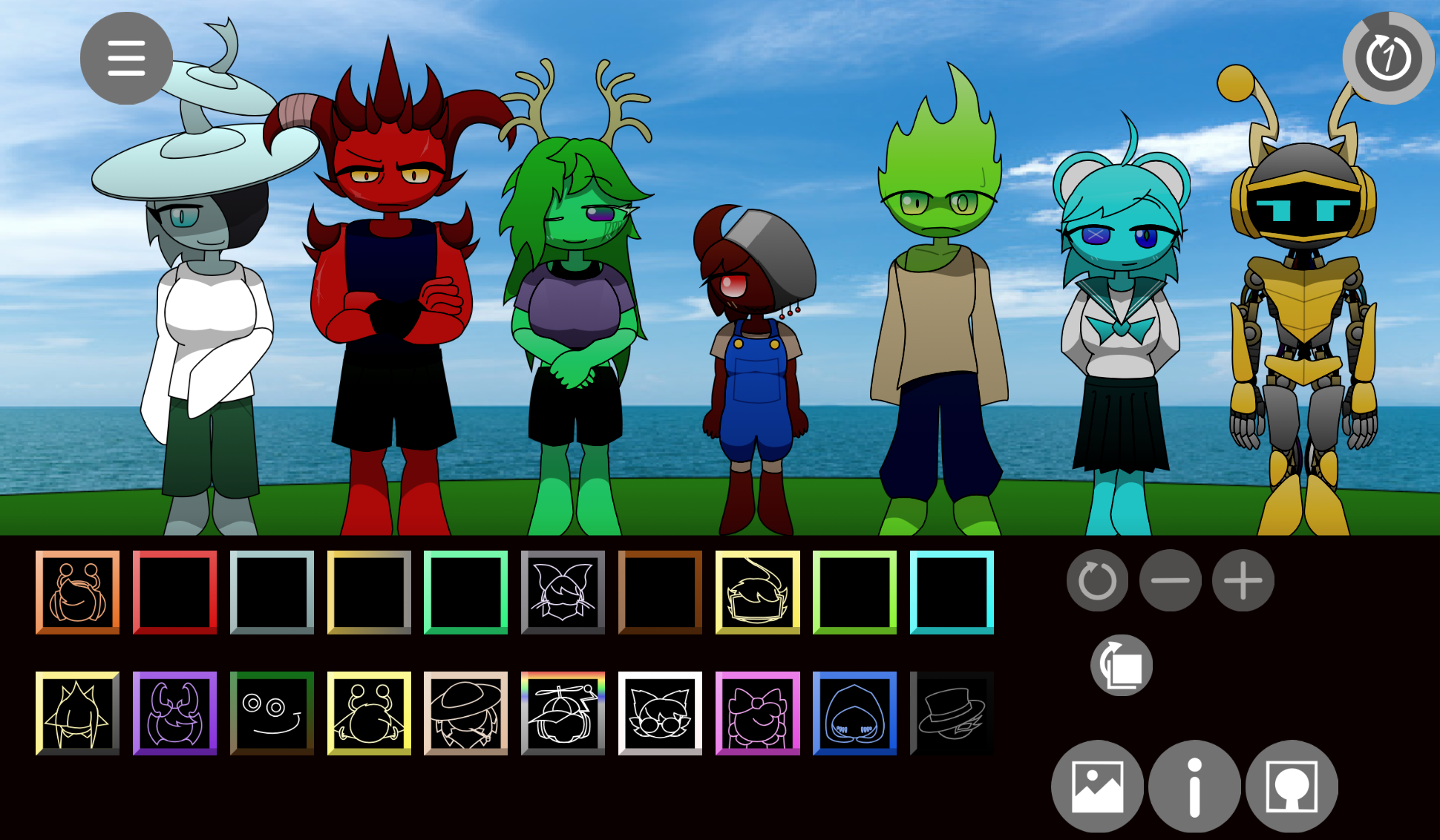
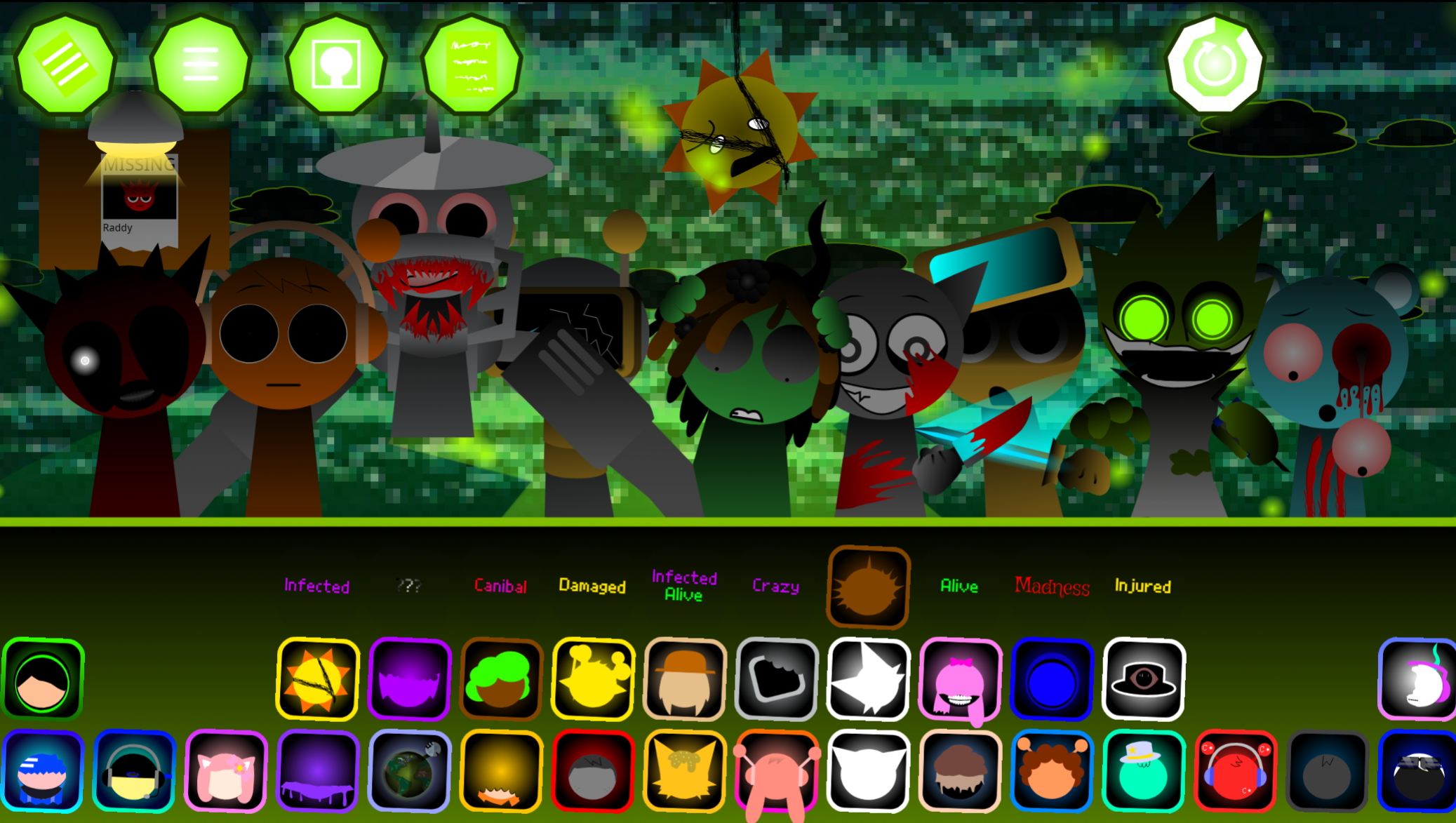
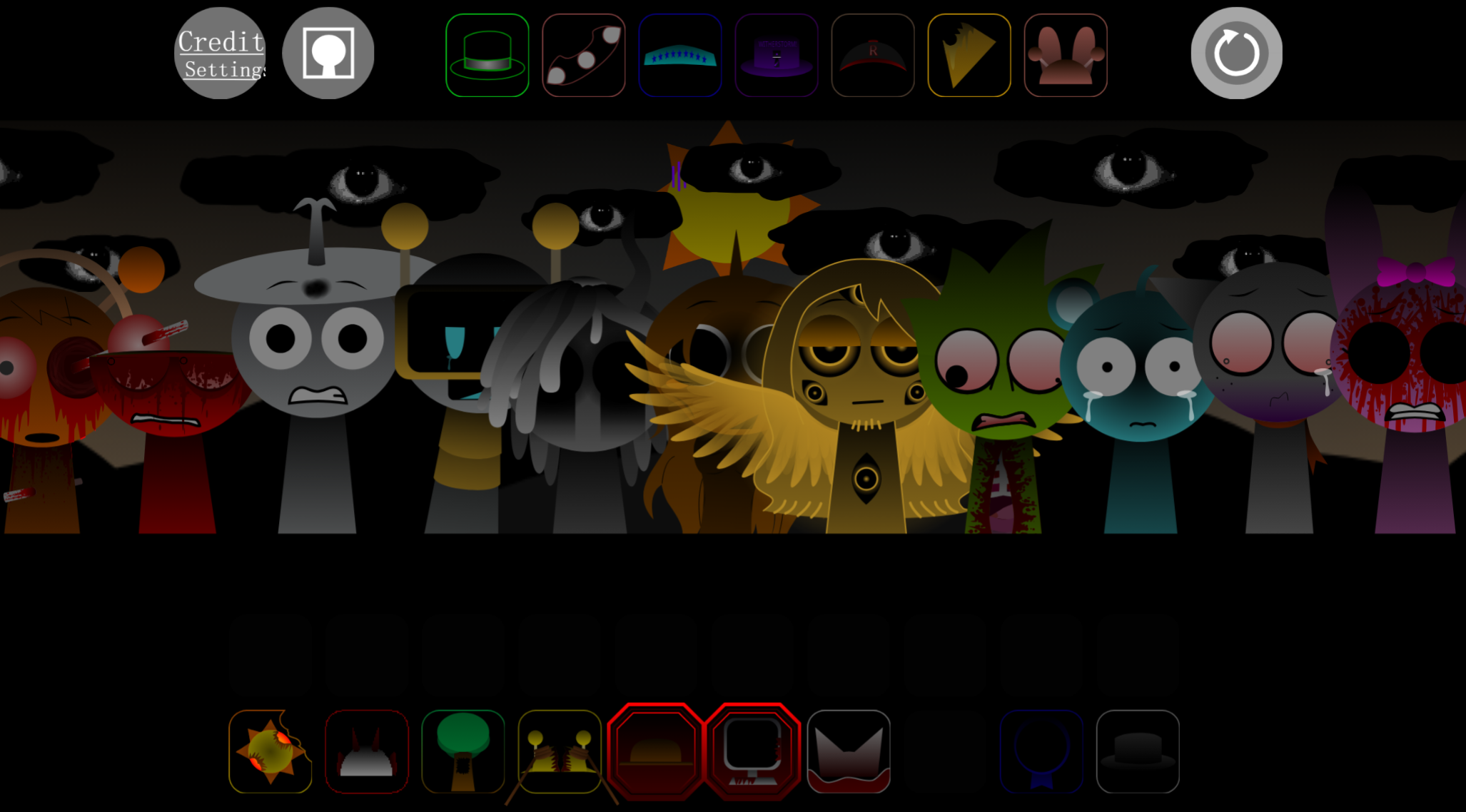
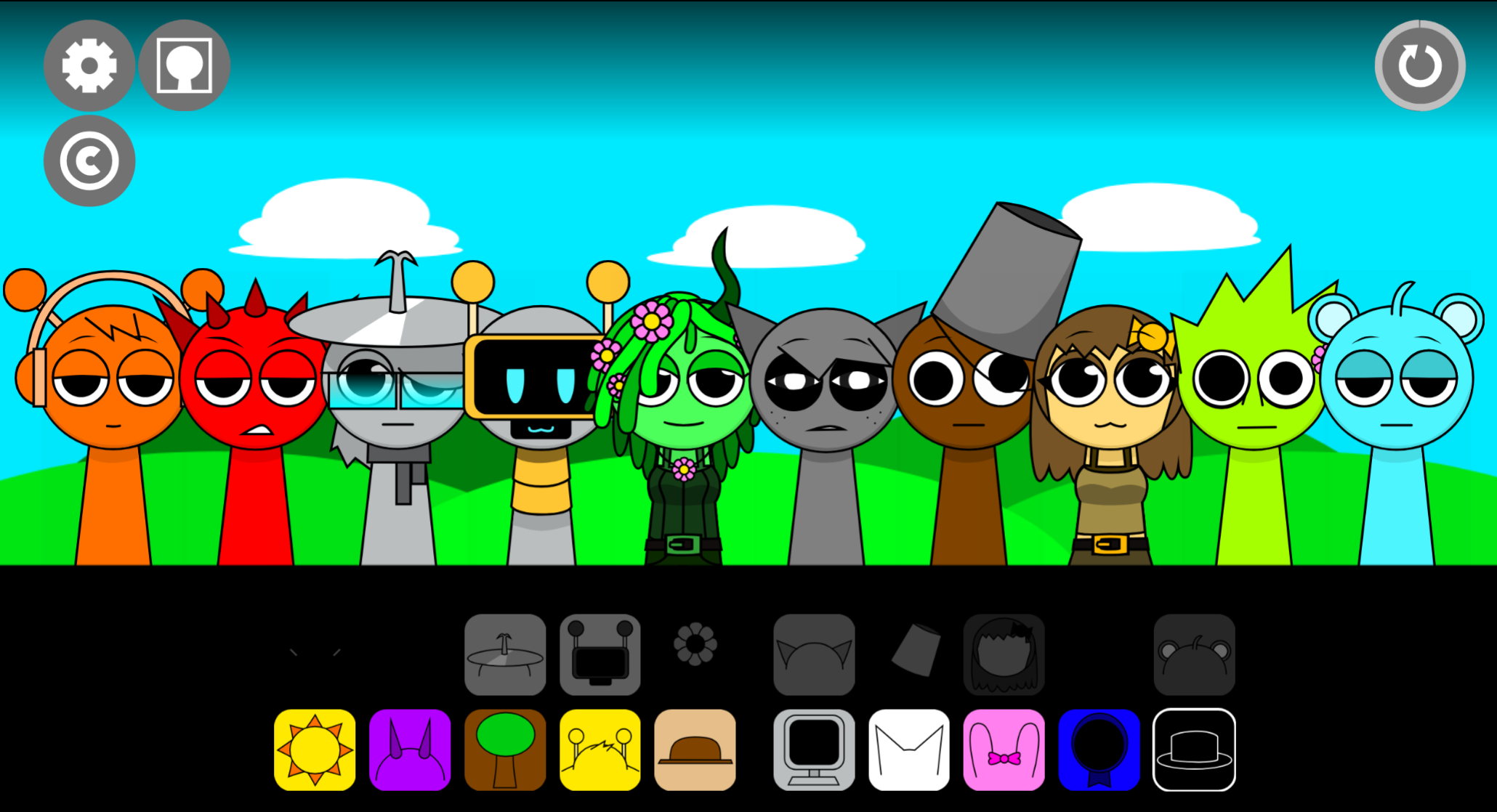
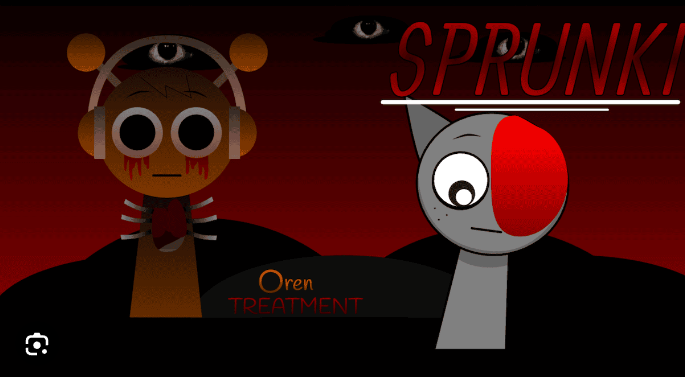
Sprunki Muhammad Carl Treatment is a community-made horror-styled variation of the browser-based Sprunki music creation game, where players arrange animated characters to build layered beats and melodies.
This article walks through what makes the Muhammad Carl Treatment distinct from other Sprunki mods, how to play it in your browser, and which creative or horror elements stand out most.
What Is Sprunki Muhammad Carl Treatment?
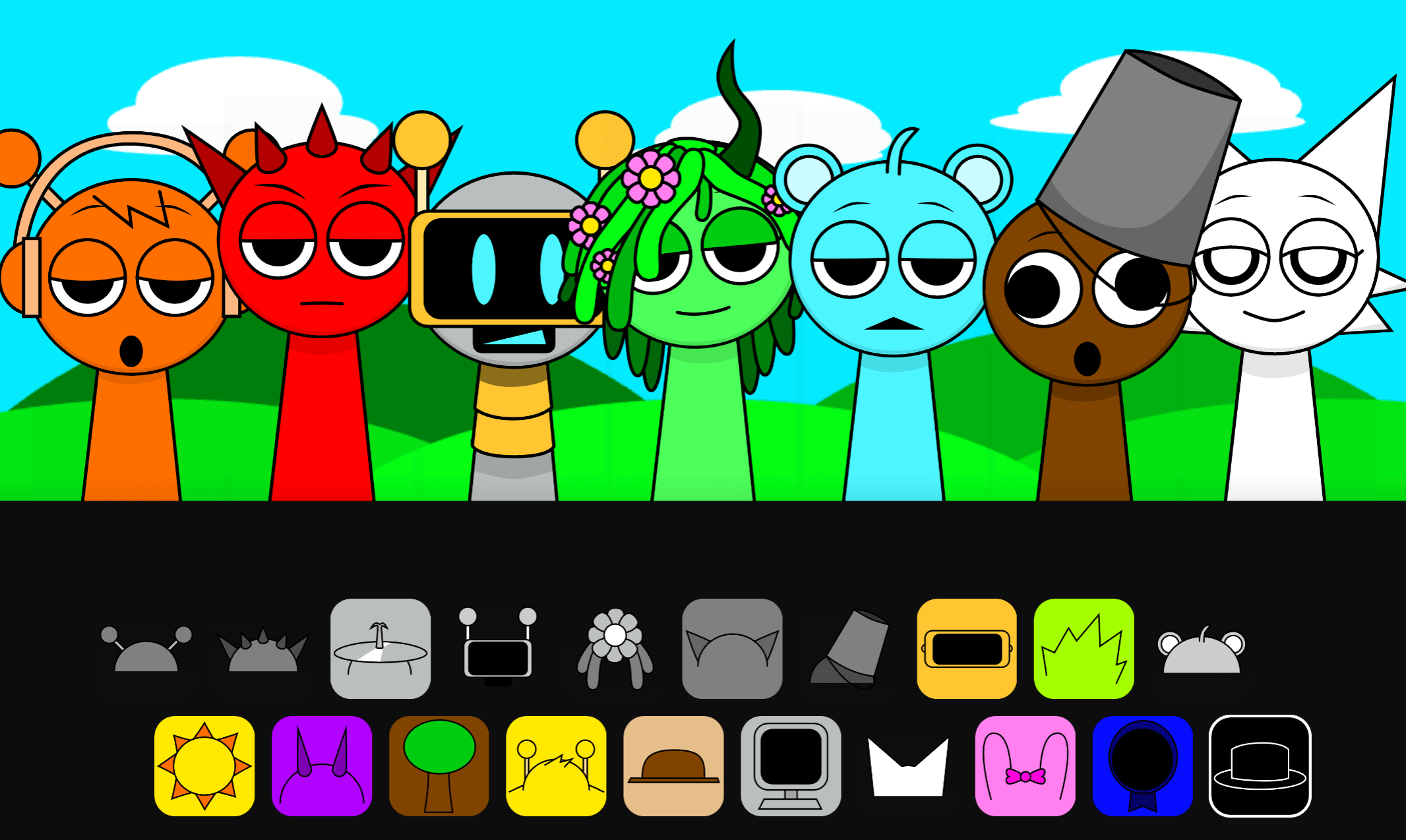
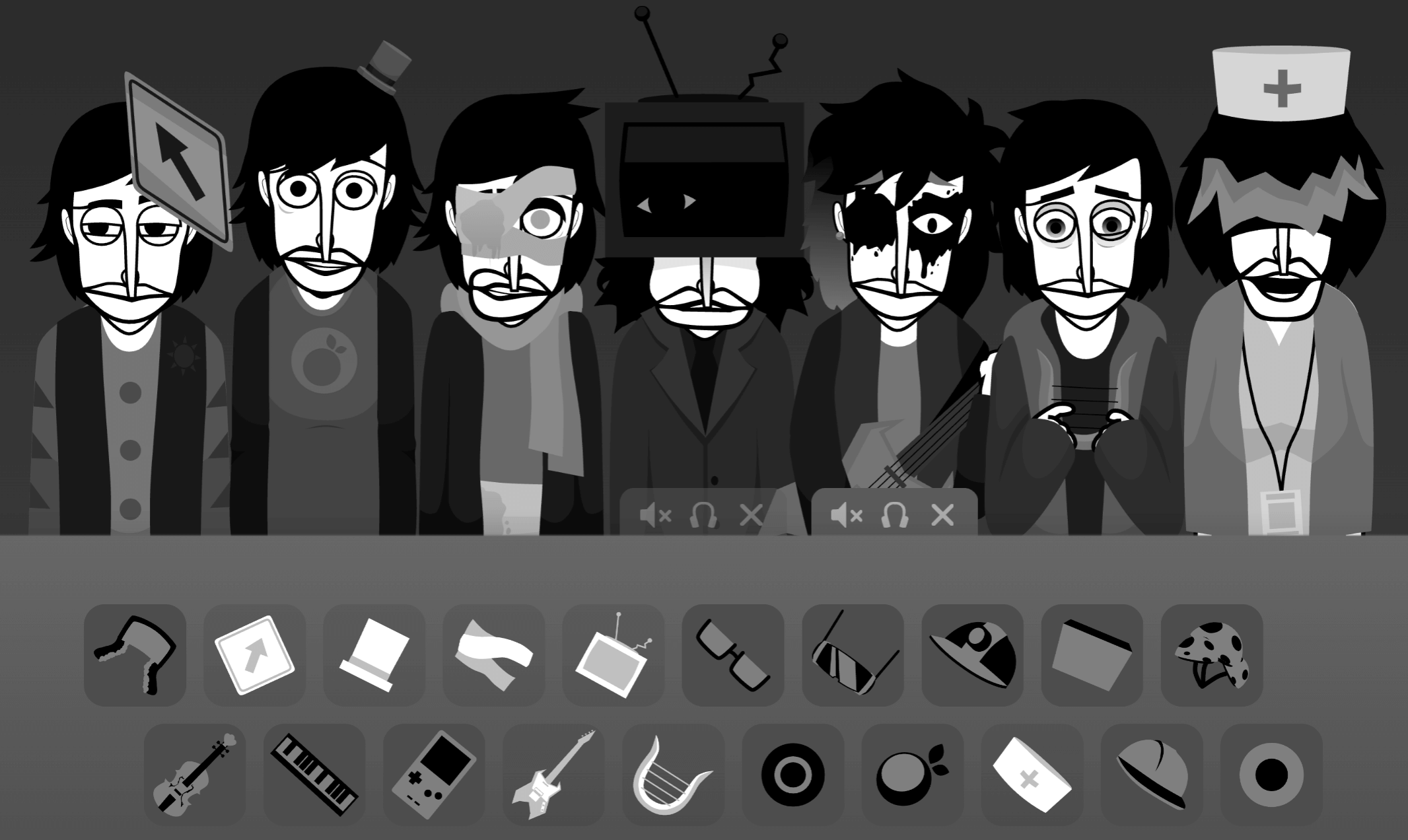
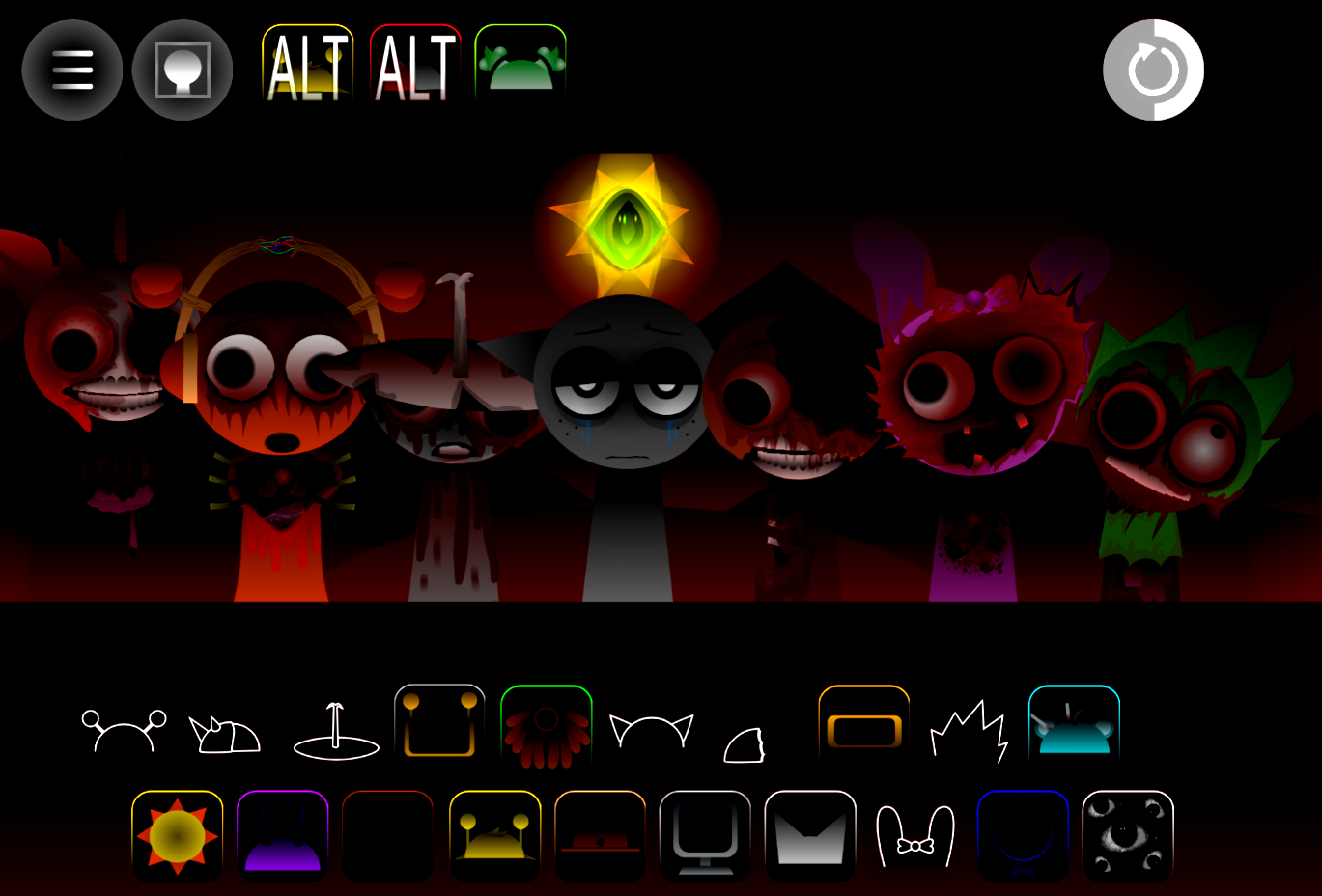
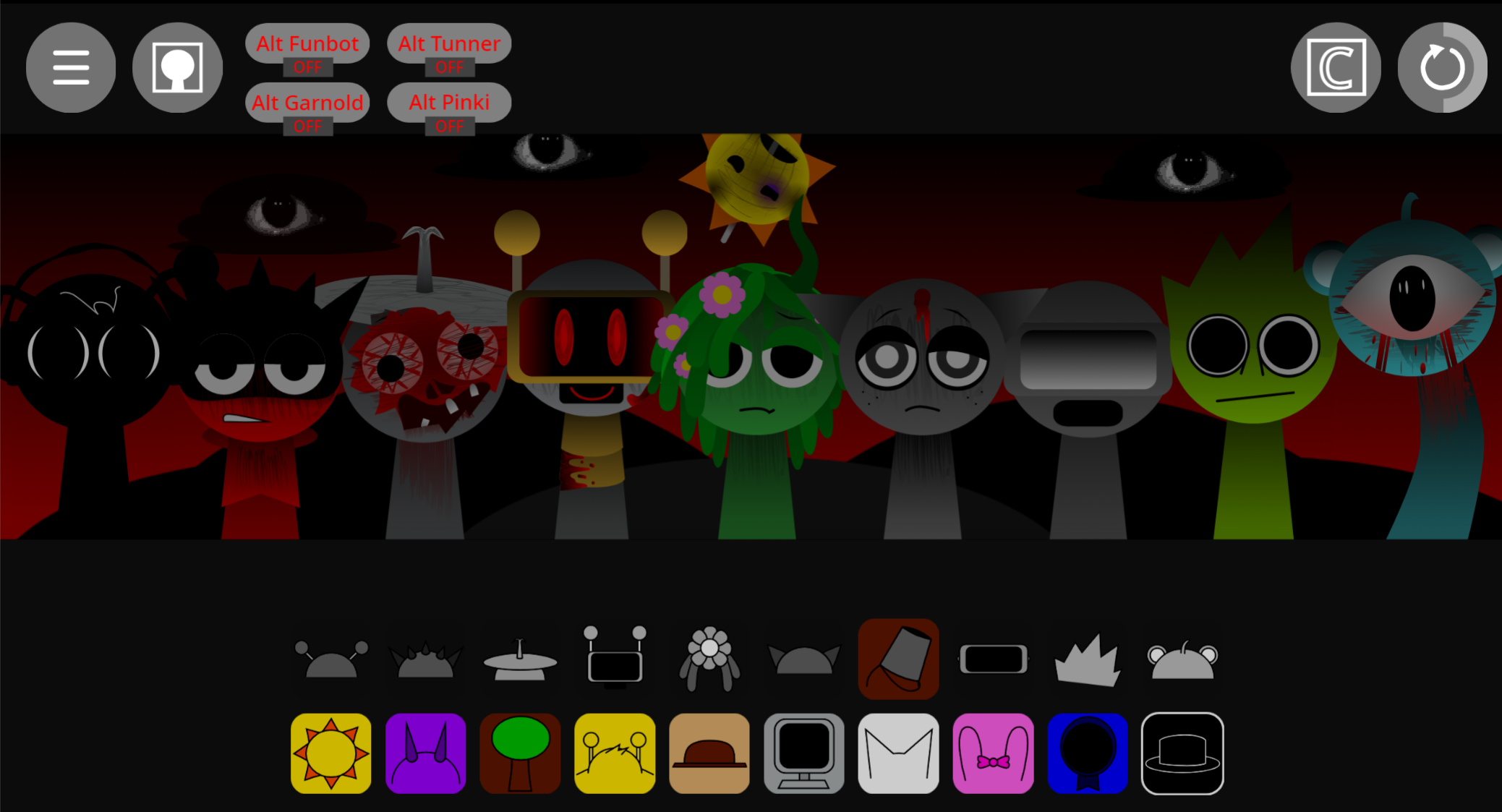
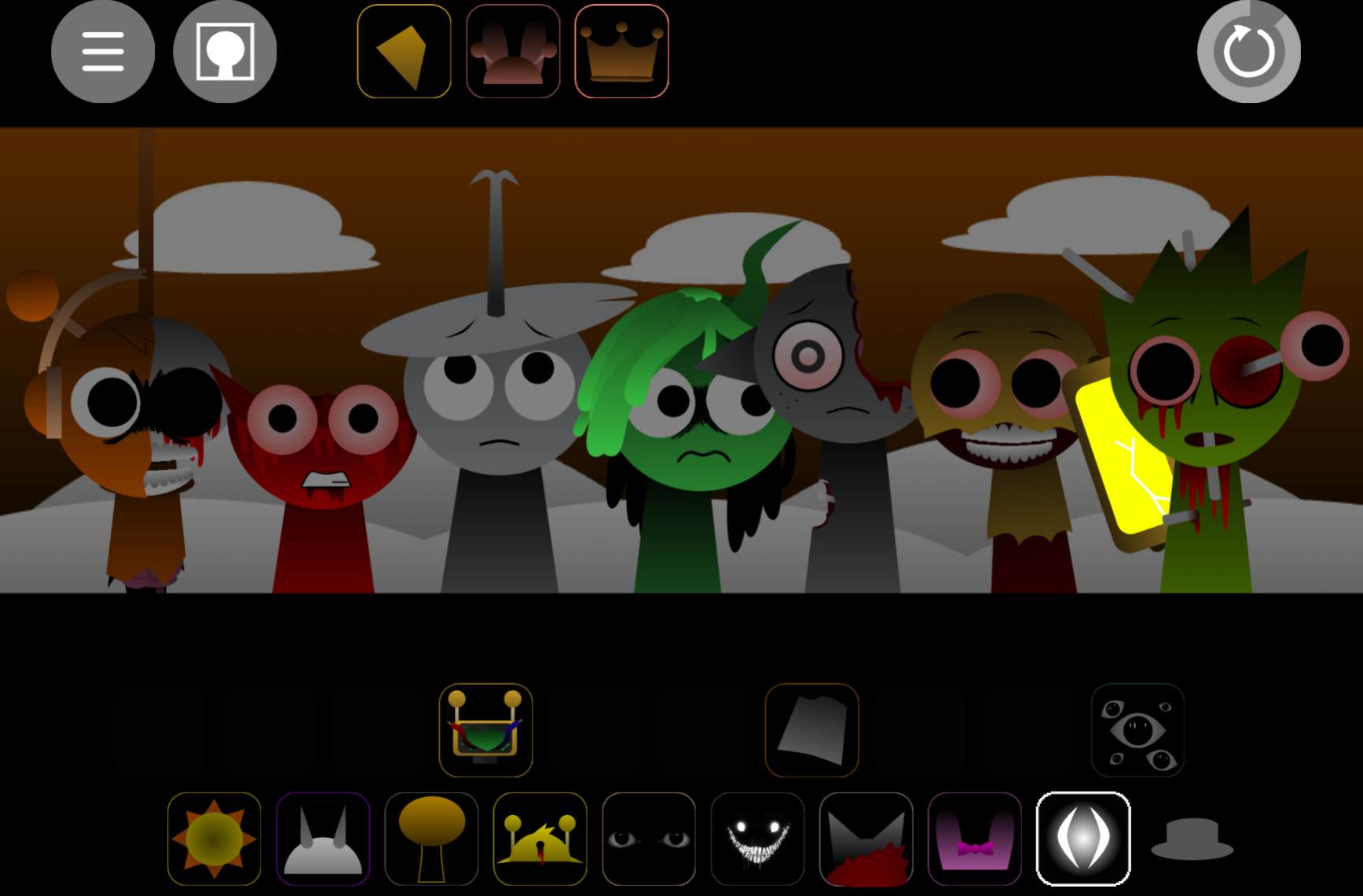
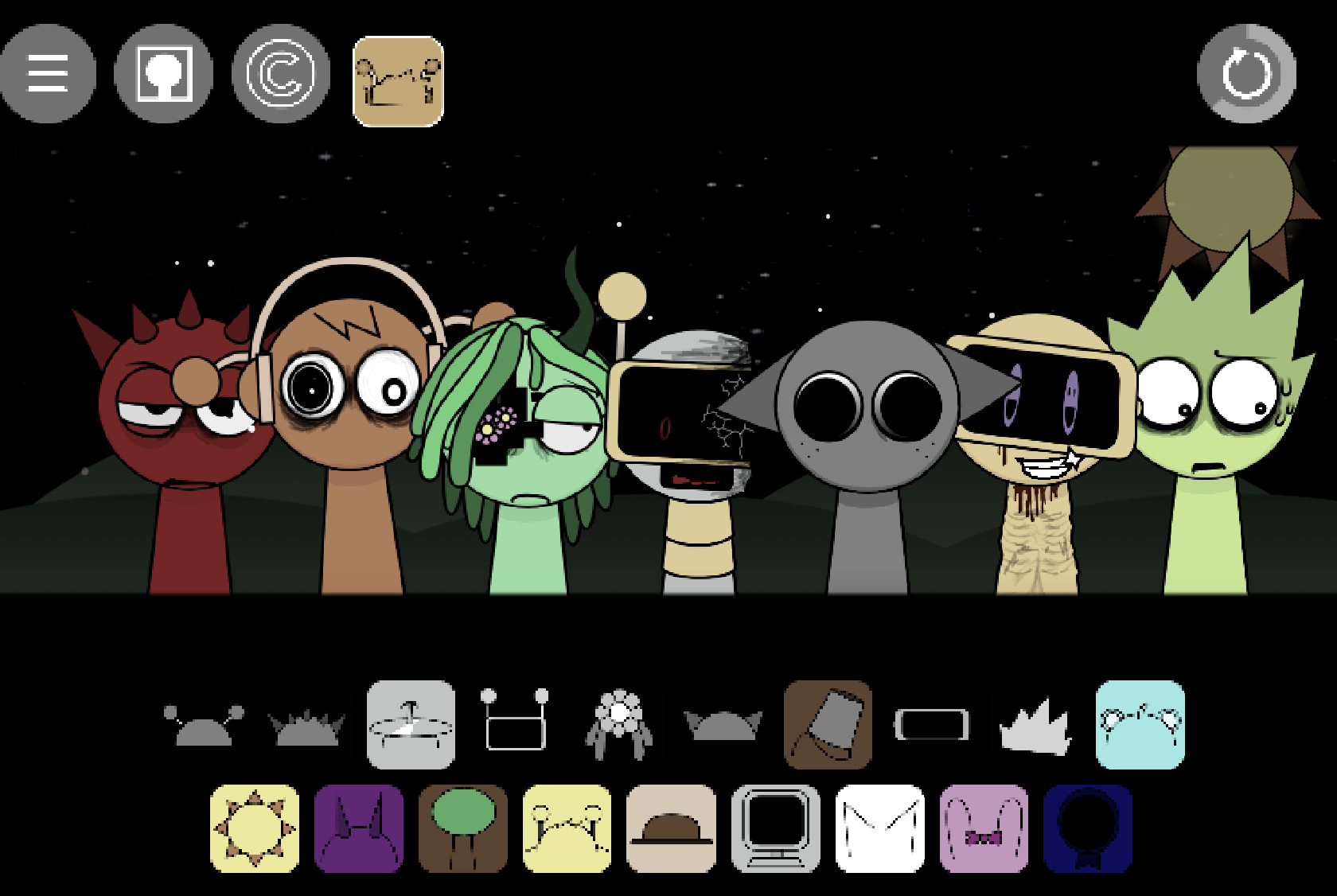
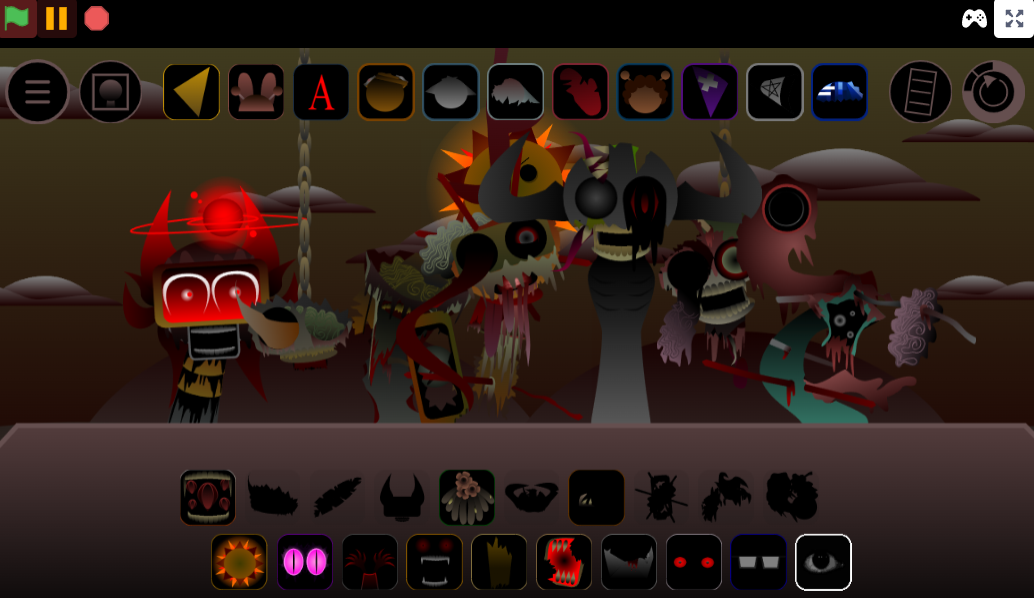
Sprunki Muhammad Carl Treatment is a community-made horror-styled variation of the browser-based Sprunki music format. Players assign sounds from four banks—Beats, Effects, Melodies, and Voices—to a line of expressionless, weapon-bearing characters against a dark backdrop.
Instead of cheerful loops, the available palette emphasizes low hums, warped bass, rhythmic fragments, and jaring combinations that shift into a chaotic horror soundscape during the Aftermath phase.
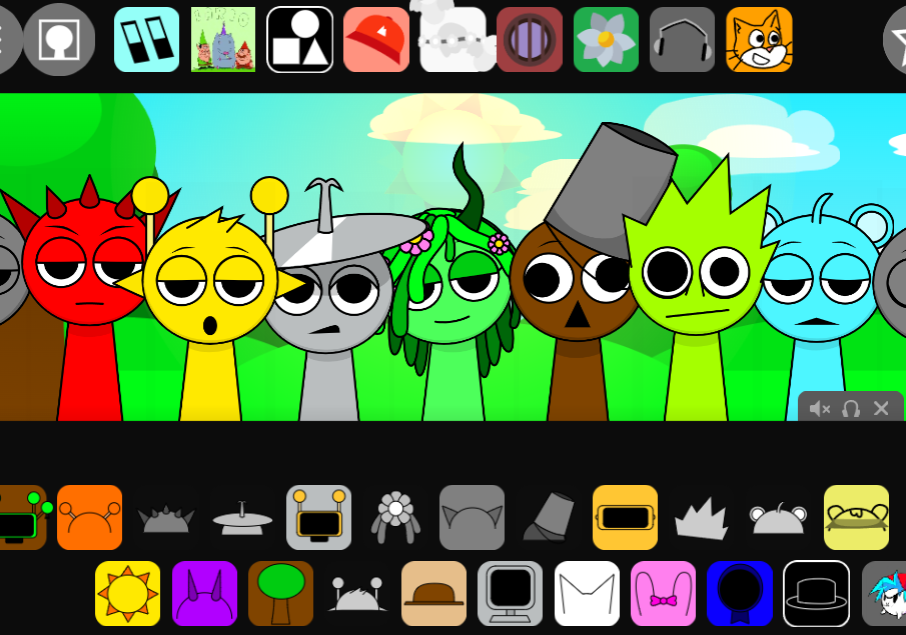
Created by @Muhammadcarlyt, this mod replaces the brighter, playful feel of the original Incredibox-inspired interface with stark visual design and heavy sound distortion.
“Treatment” refers to this specific fan-made remix project, not a medical process or gameplay system. Developed in PenguinMod after an earlier version was scrapped, the mod was later ported and made available through abgernygames.org.
How to Play Sprunki Muhammad Carl Treatment
Open Sprunki Muhammad Carl Treatment in a web browser on a platform such as abgernygames.org. The screen presents silent characters that activate when assigned a sound.
- Select an icon from the Beats, Effects, Melodies, or Voices bank.
- Drag or place it onto a character in the lineup.
- Listen as that character adds its part to the track.
- Add further characters to build a layered arrangement.
- Remove or replace sounds to change rhythm, balance, and tension.
A beat character establishes the pulse, while melody and voice roles add tonal and vocal layers. Effects characters introduce distortion, harsher textures, or abrupt sonic shifts.
Sound Design and Character Roles
Each character functions as a musical component, contributing a beat, melody, voice, or effect to the developing composition. The weapon-bearing, flat-faced designs establish the mod’s tense visual identity and signal its audio direction: low-frequency drones, heavy bass distortion, fragmented rhythms, and uneasy vocal textures.
Sounds are assigned through drag-and-drop placement, so the music develops layer by layer. Rhythm layers provide structure, melodies and voices create colder tonal contrast, and effects roughen the composition until it feels fractured.
The Aftermath Phase
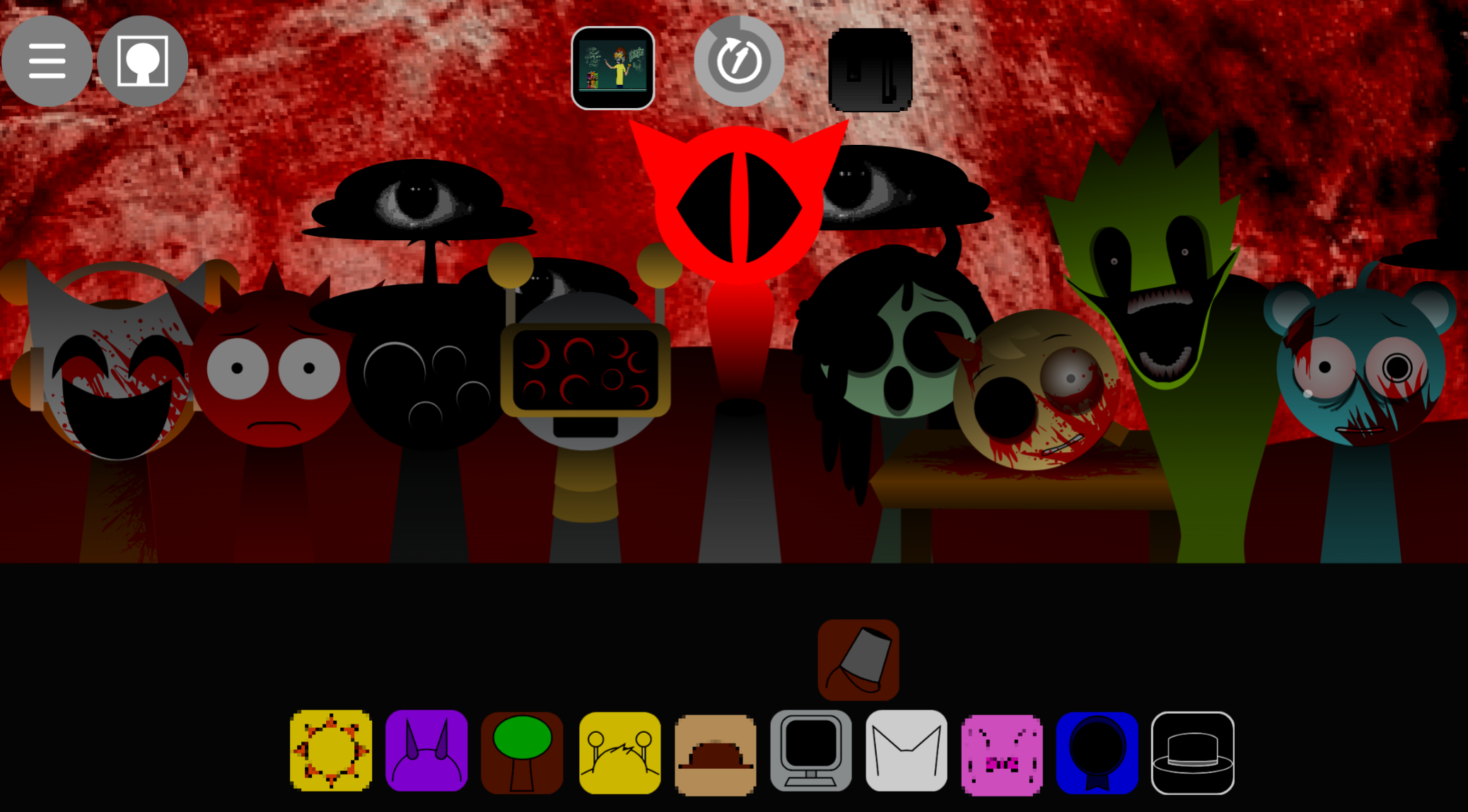
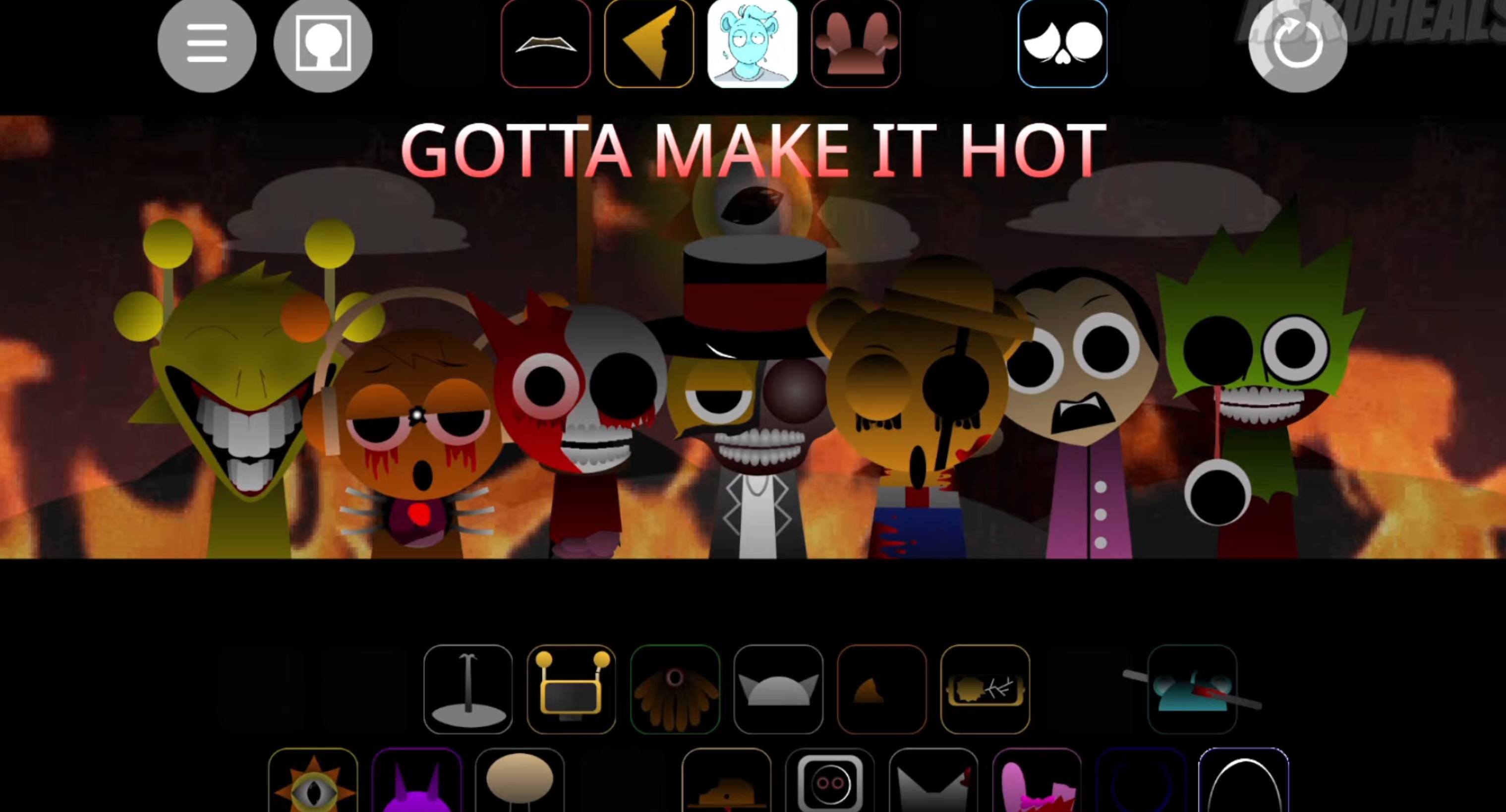
The Aftermath phase is the mod’s defining shift. Earlier arrangements can begin with organized rhythm and controlled mix, but continued experimentation pushes the sound into chaotic horror.
Audio elements clash, twist, and become more abrasive, while character imagery grows increasingly distorted.
This phase turns the familiar Sprunki format into an exploration of tension, instability, and unsettling sound combinations rather than polished loops.
Related Games
- Sprunki dark mode treatment — Its dark-mode presentation is the closest fit for players who want more ominous visuals and mood-driven Sprunki beat creation after Muhammad Carl Treatment’s bleak soundscape.
- Sprunki Wenda Treatment New Human — This Treatment-style entry offers a strong next click for players interested in distorted character-focused horror aesthetics and unsettling mod transformations.
- Sprunki The Definitive Phase 7 Better Sound But Remix — Its remix emphasis makes it relevant for players drawn to Muhammad Carl Treatment’s deliberate audio experimentation, clashing arrangements, and altered sound design.
Is This the Same as Sprunki Muhammad Carl Time?
Sprunki Muhammad Carl Treatment and Sprunki Muhammad Carl Time are separate projects by the same creator. Both share dark visual aesthetics and heavy audio distortion, but Treatment focuses on bass-heavy sound experimentation and the breakdown of structured tracks through the Aftermath phase, while Time follows a different thematic approach.
Discuss
Loading comments...
Failed to load comments. Please try refreshing the page.