
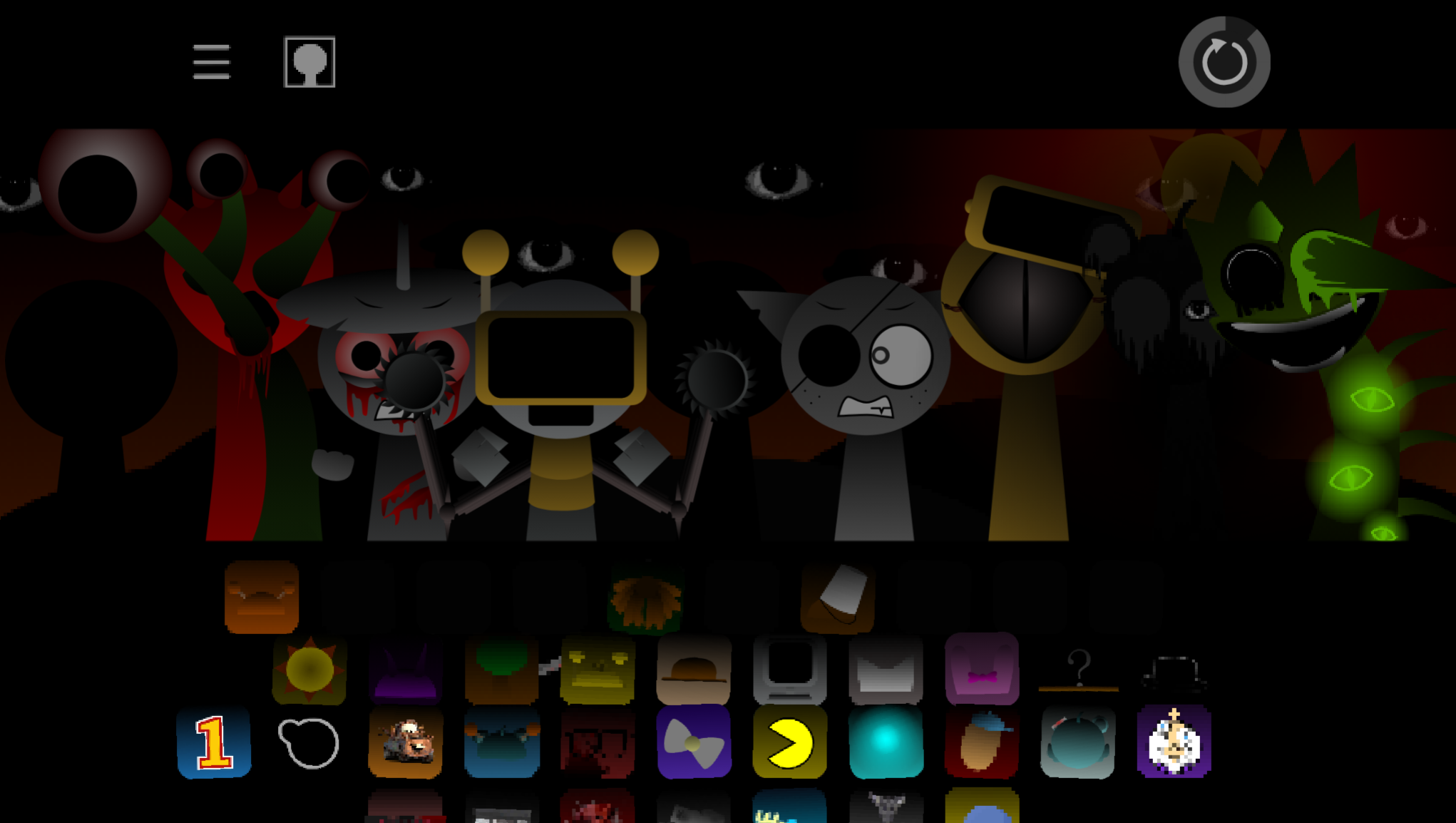
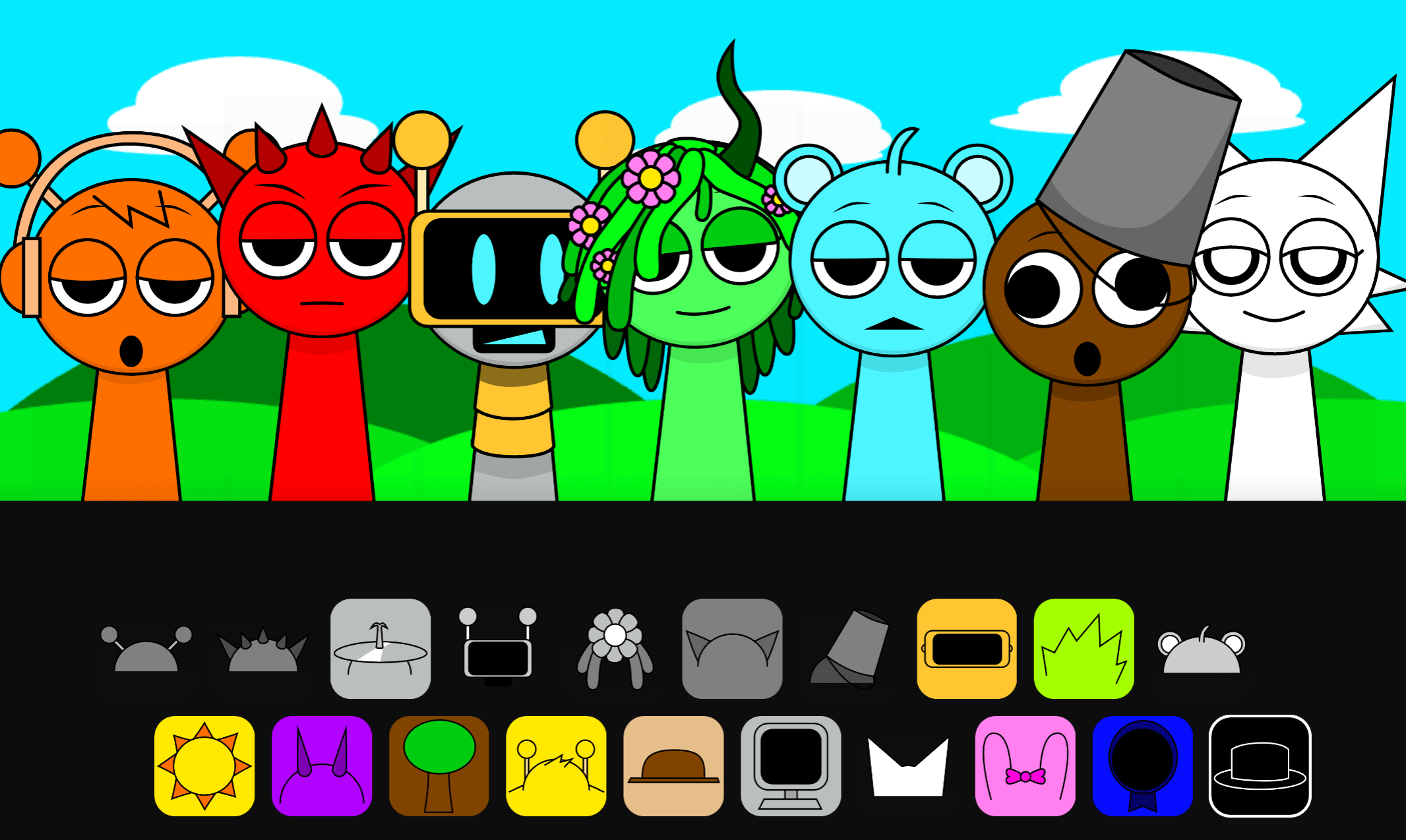
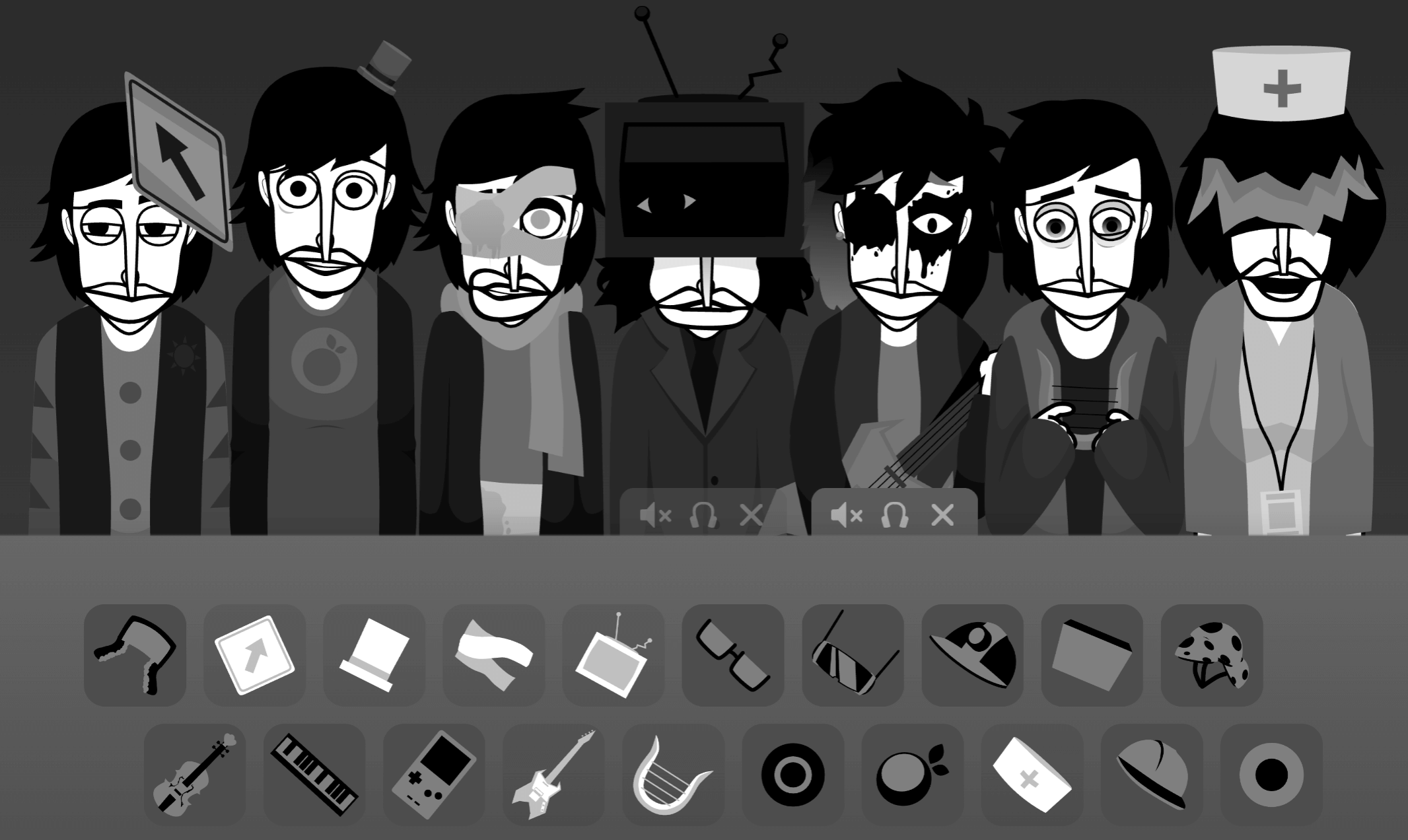
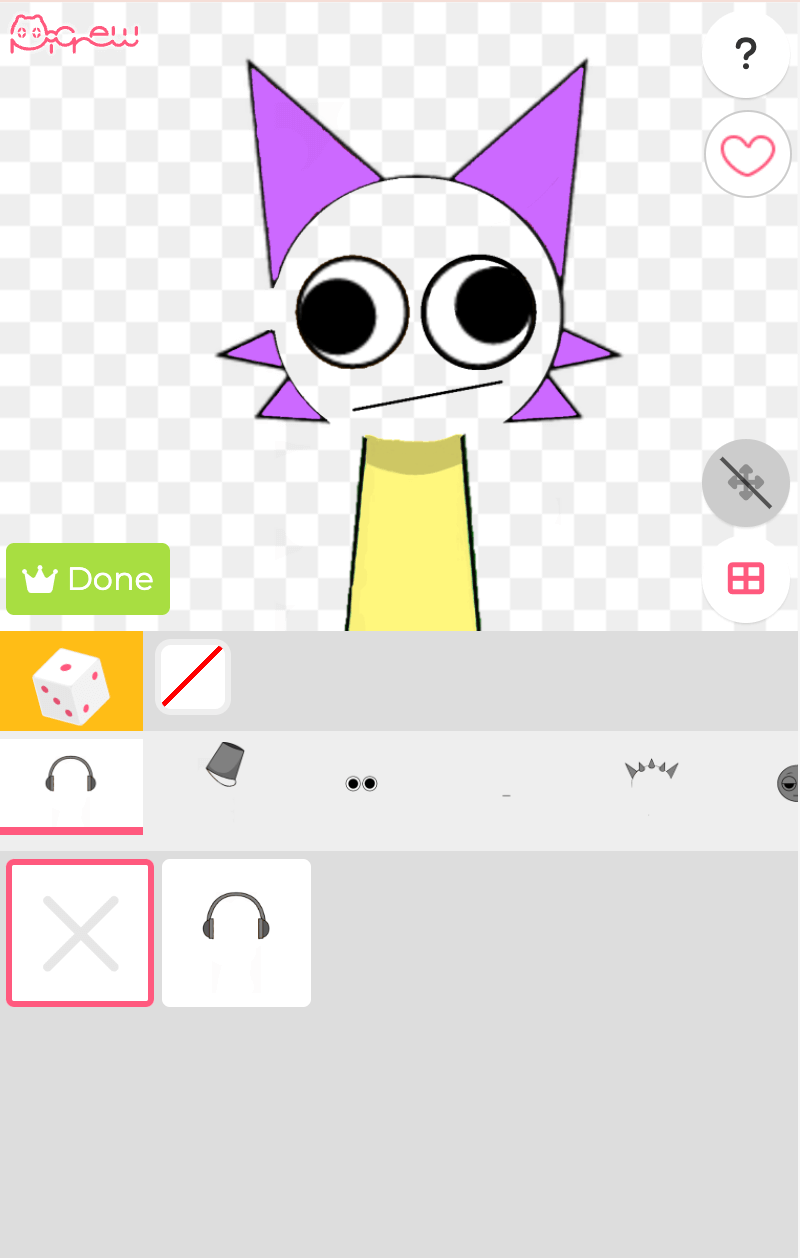
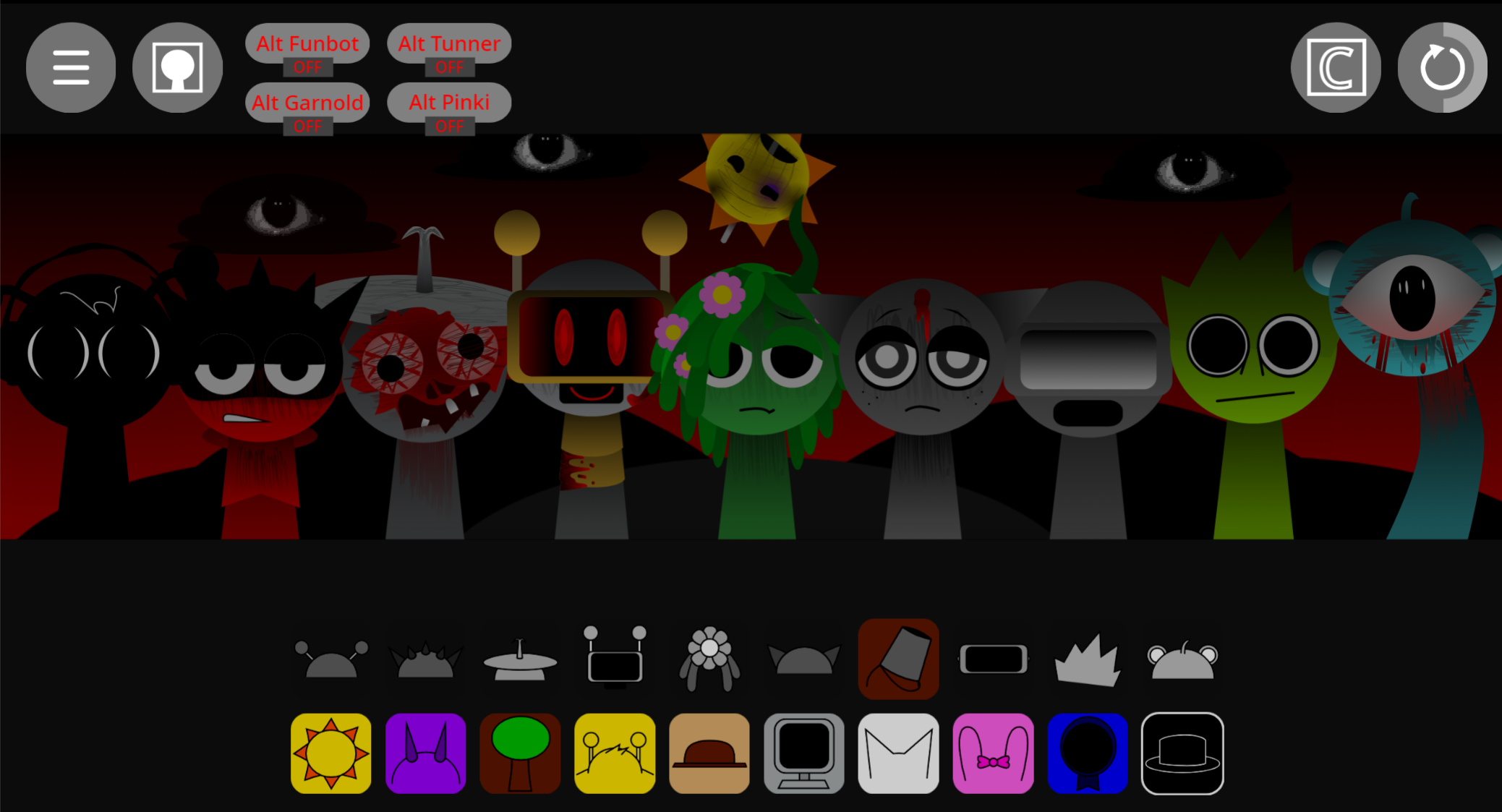
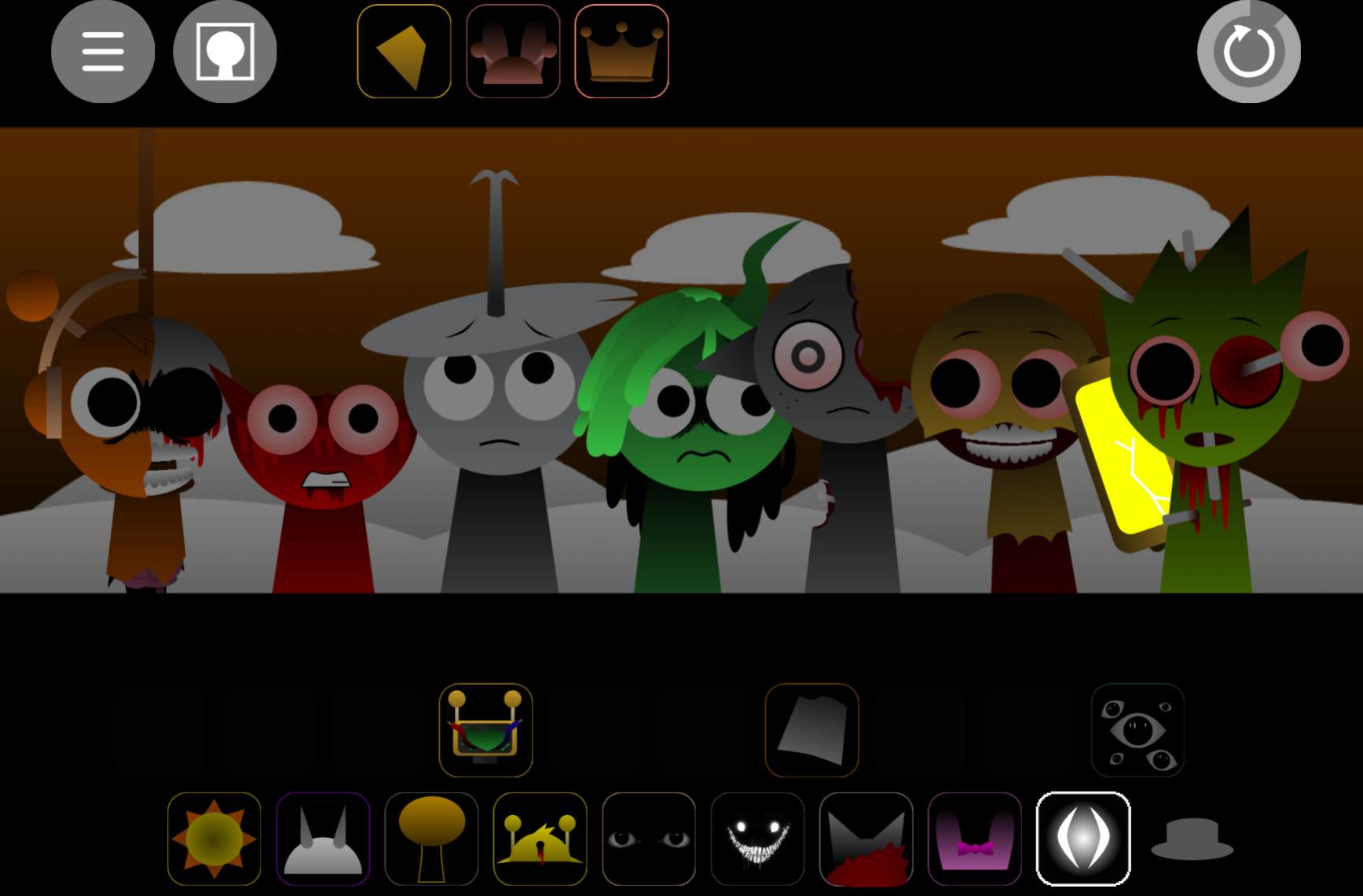


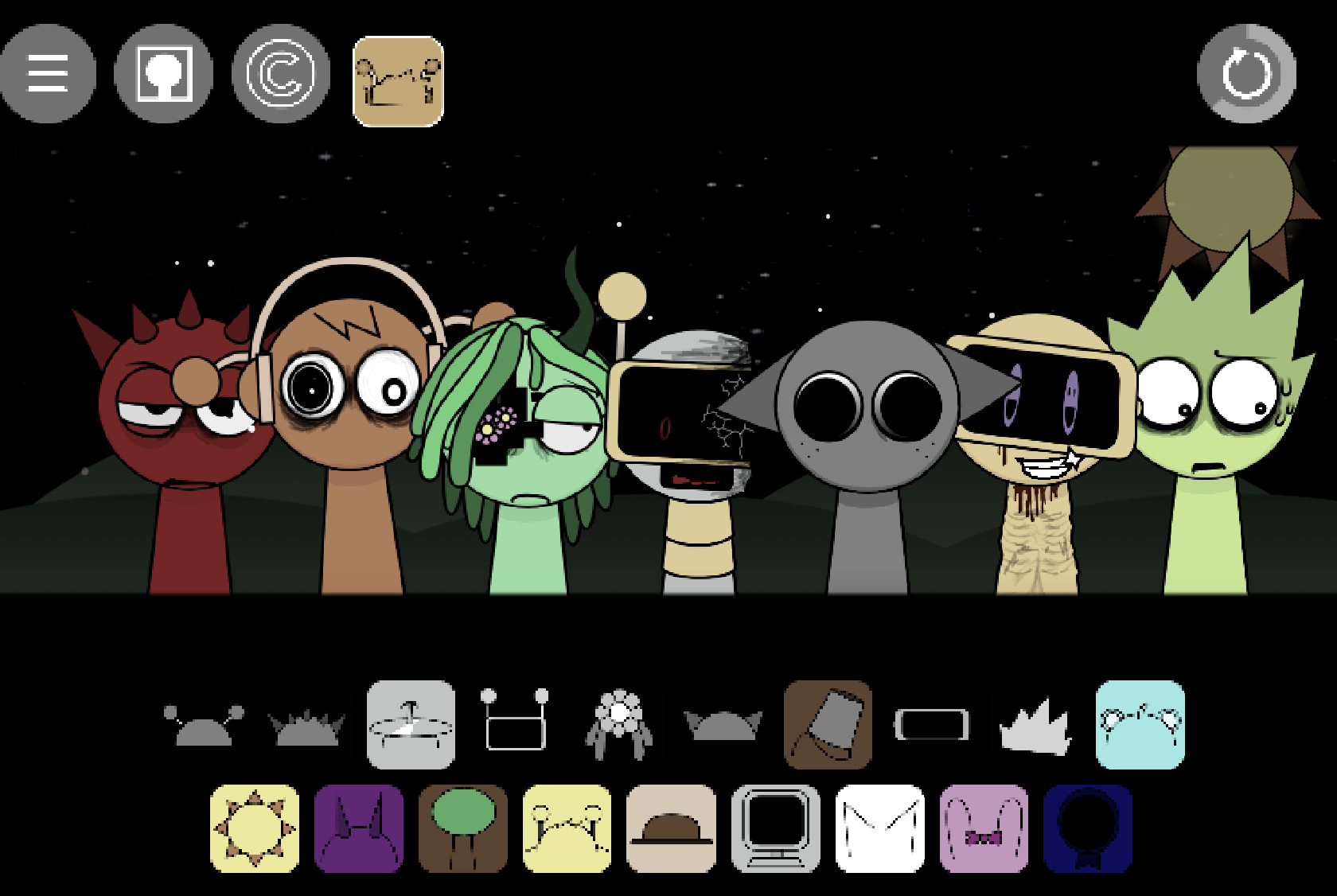
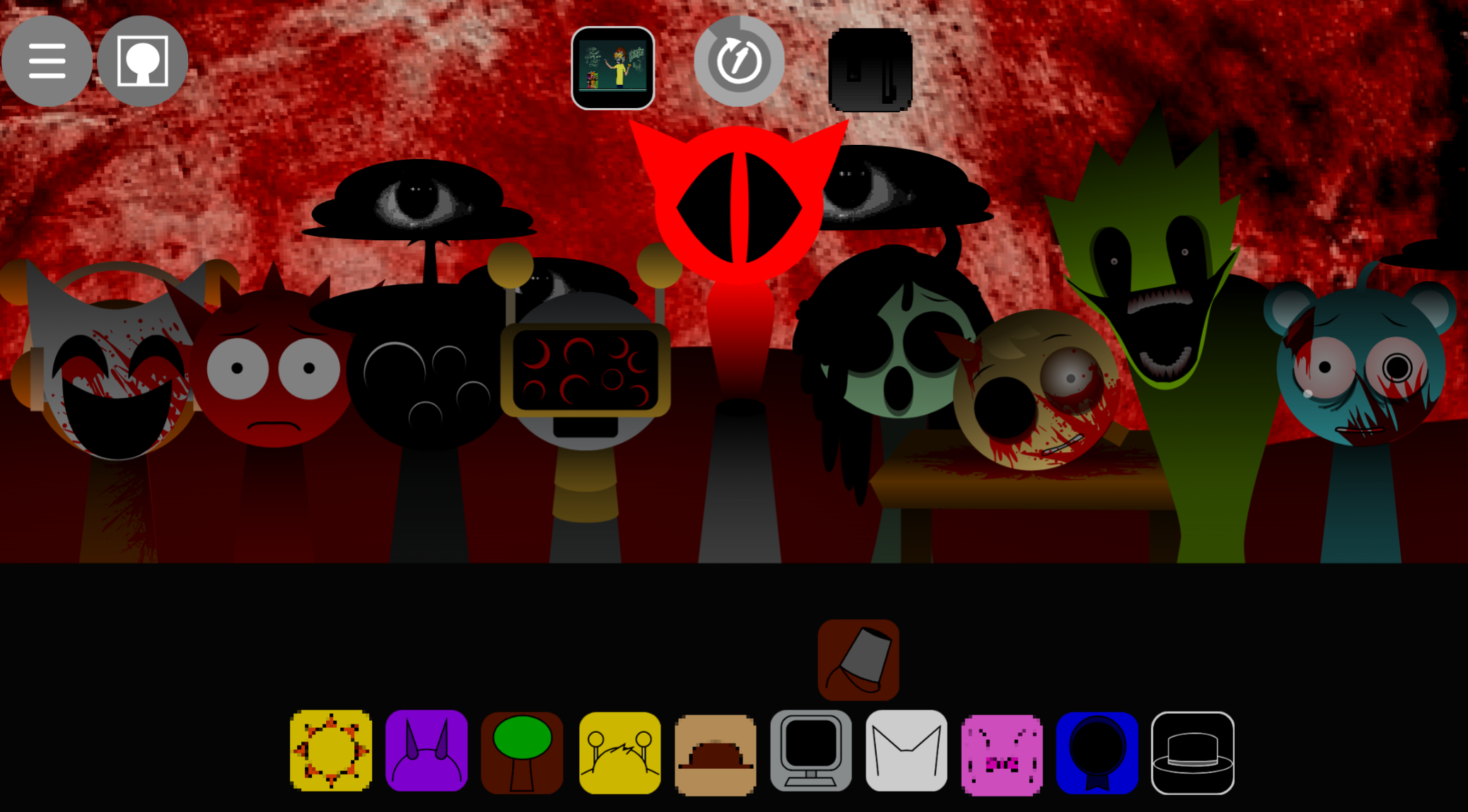
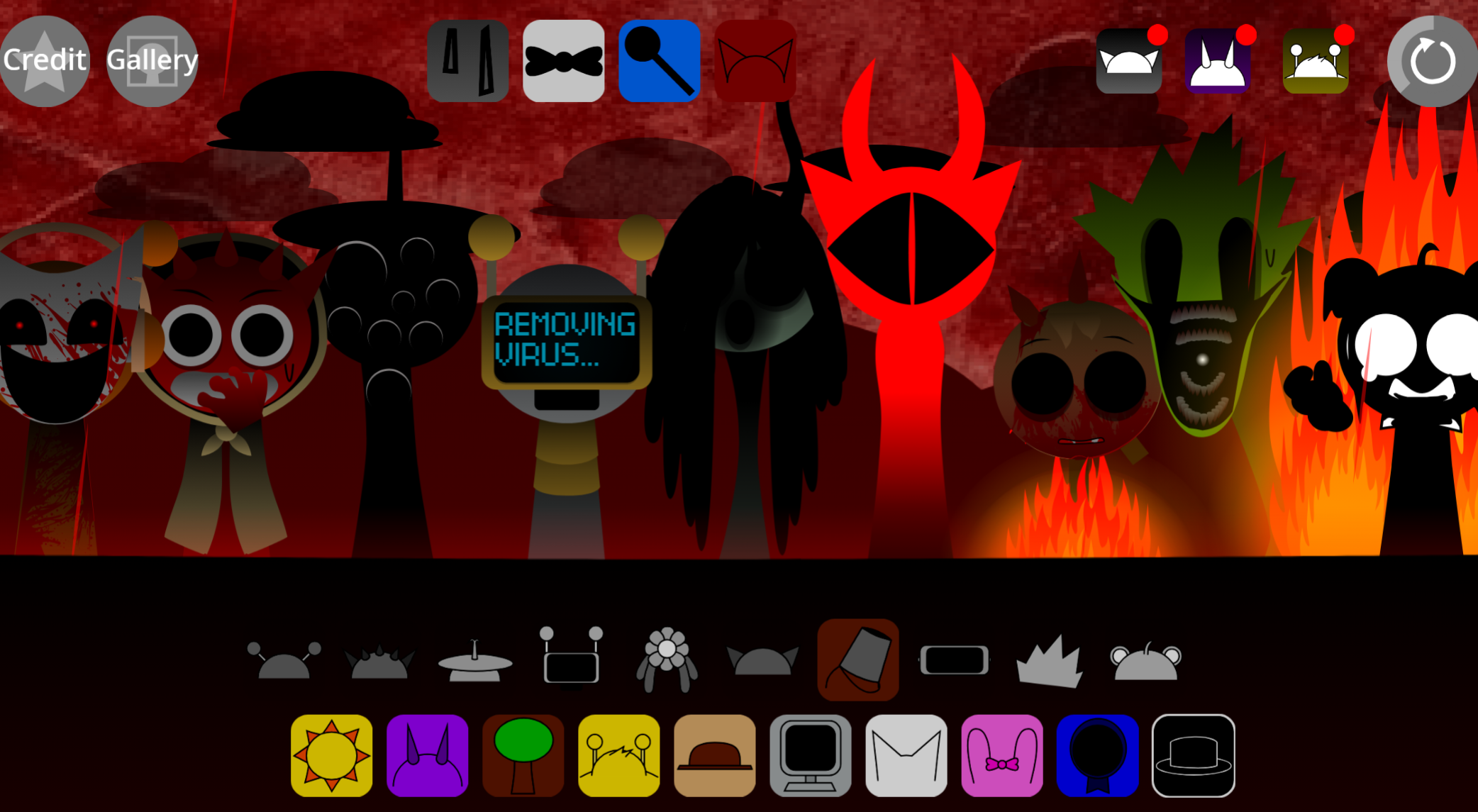
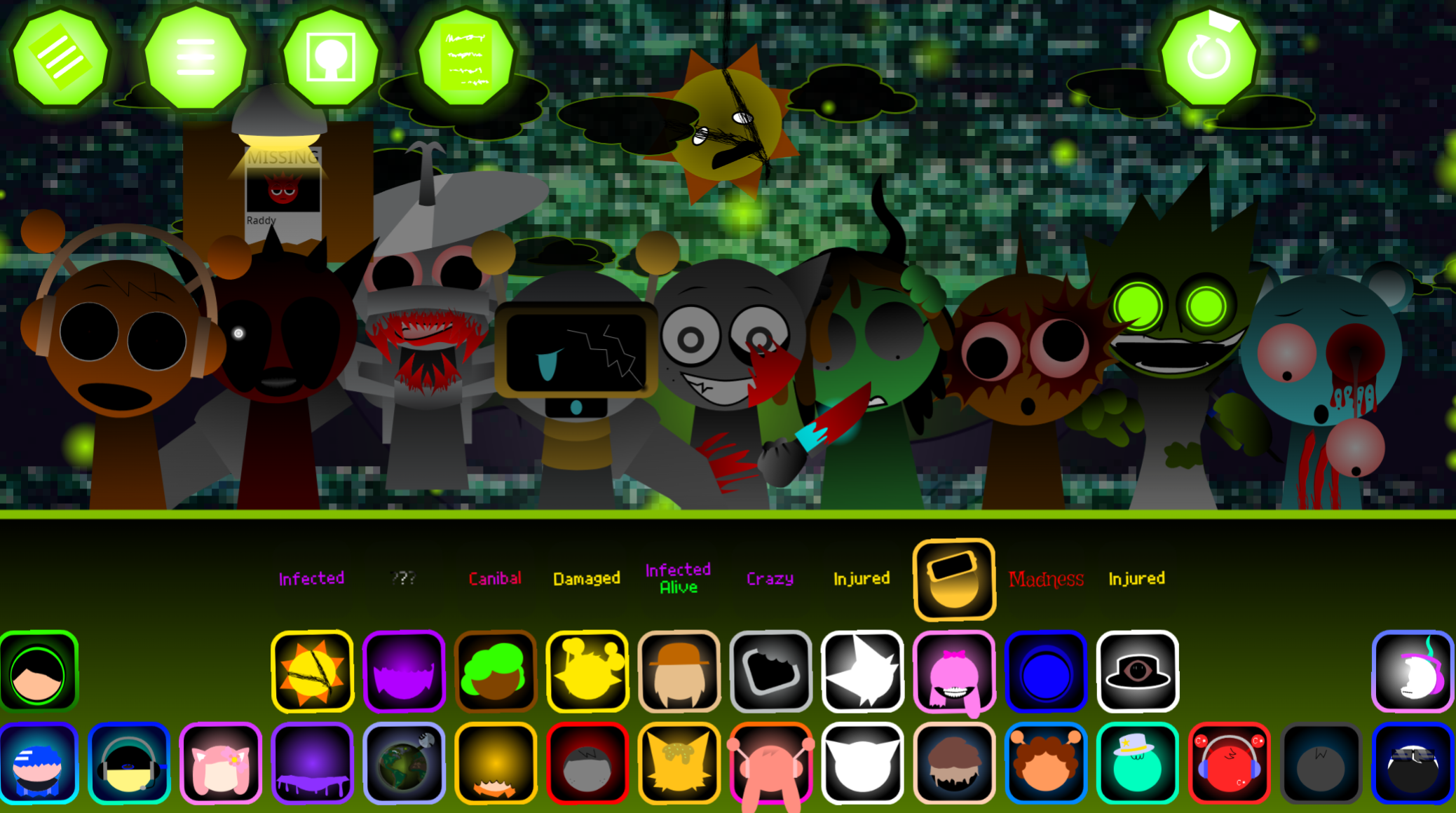
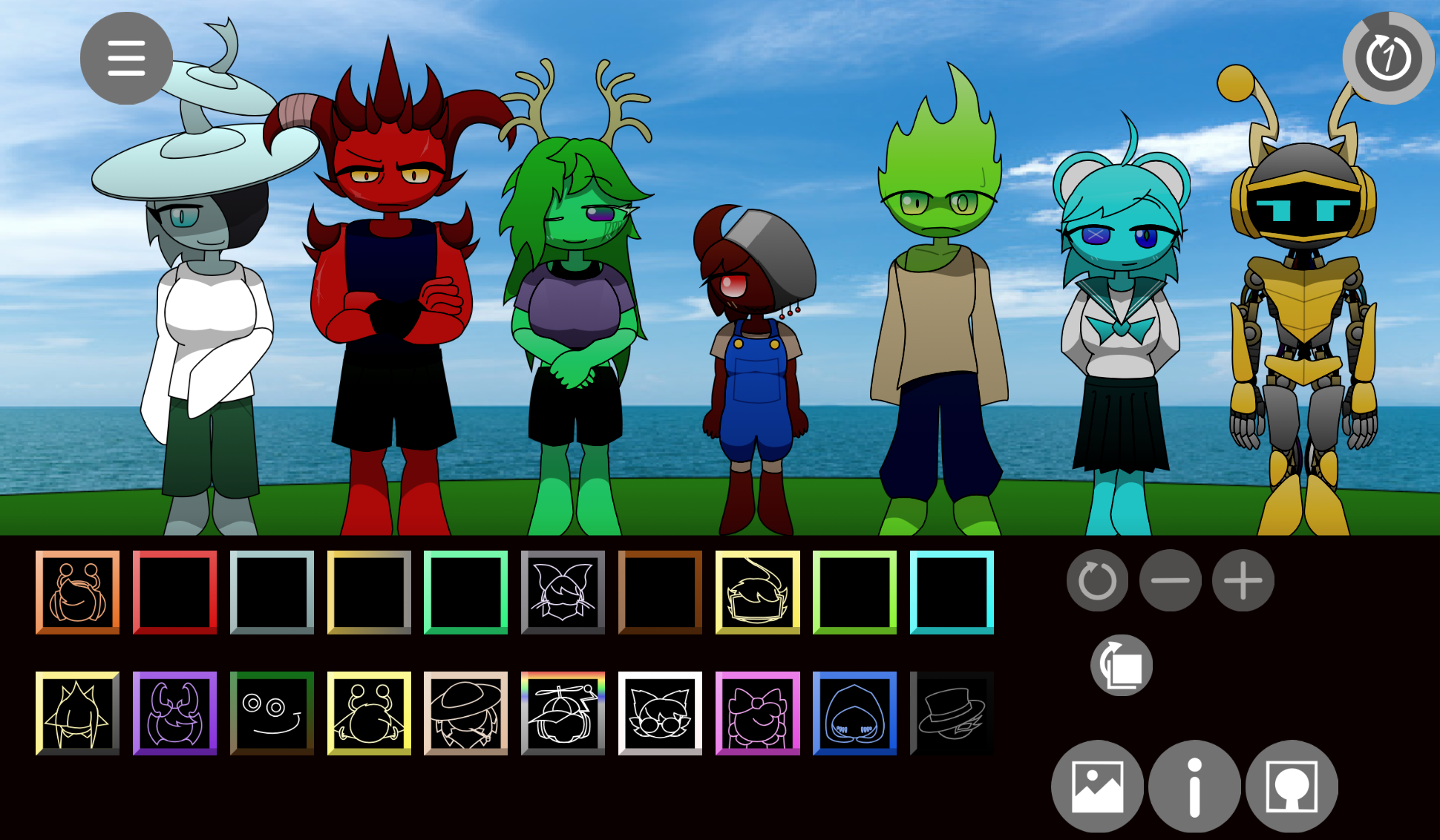
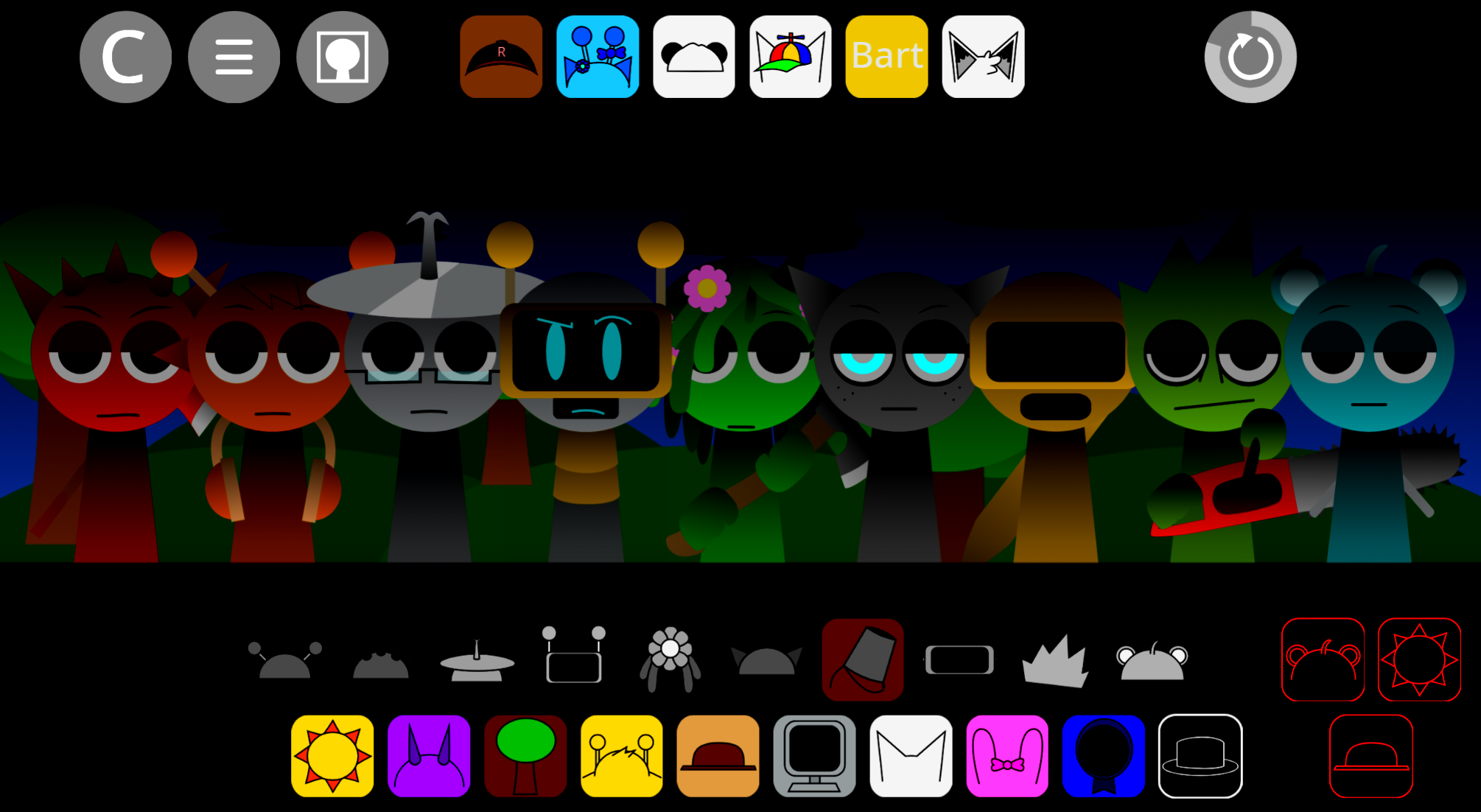
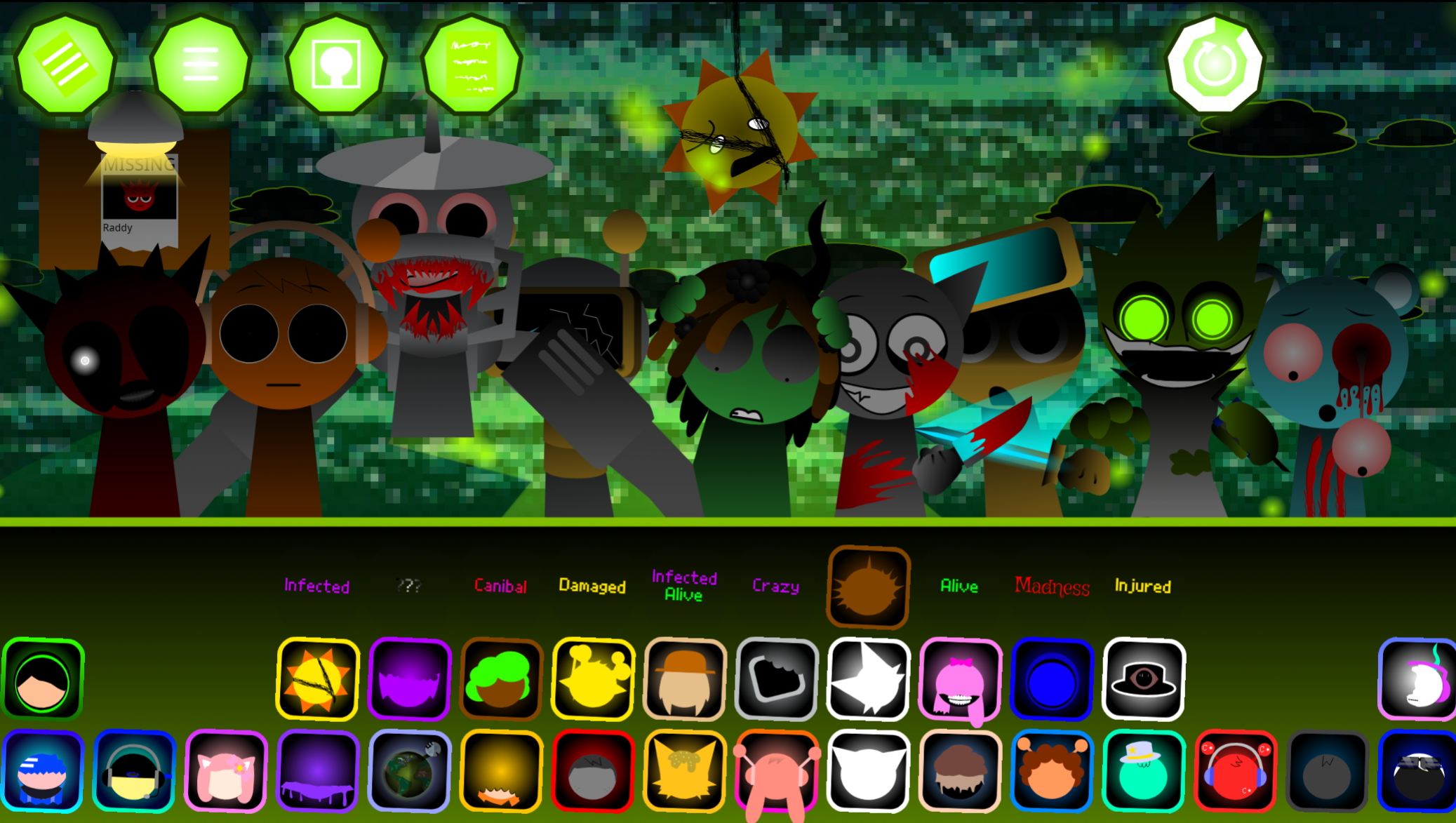
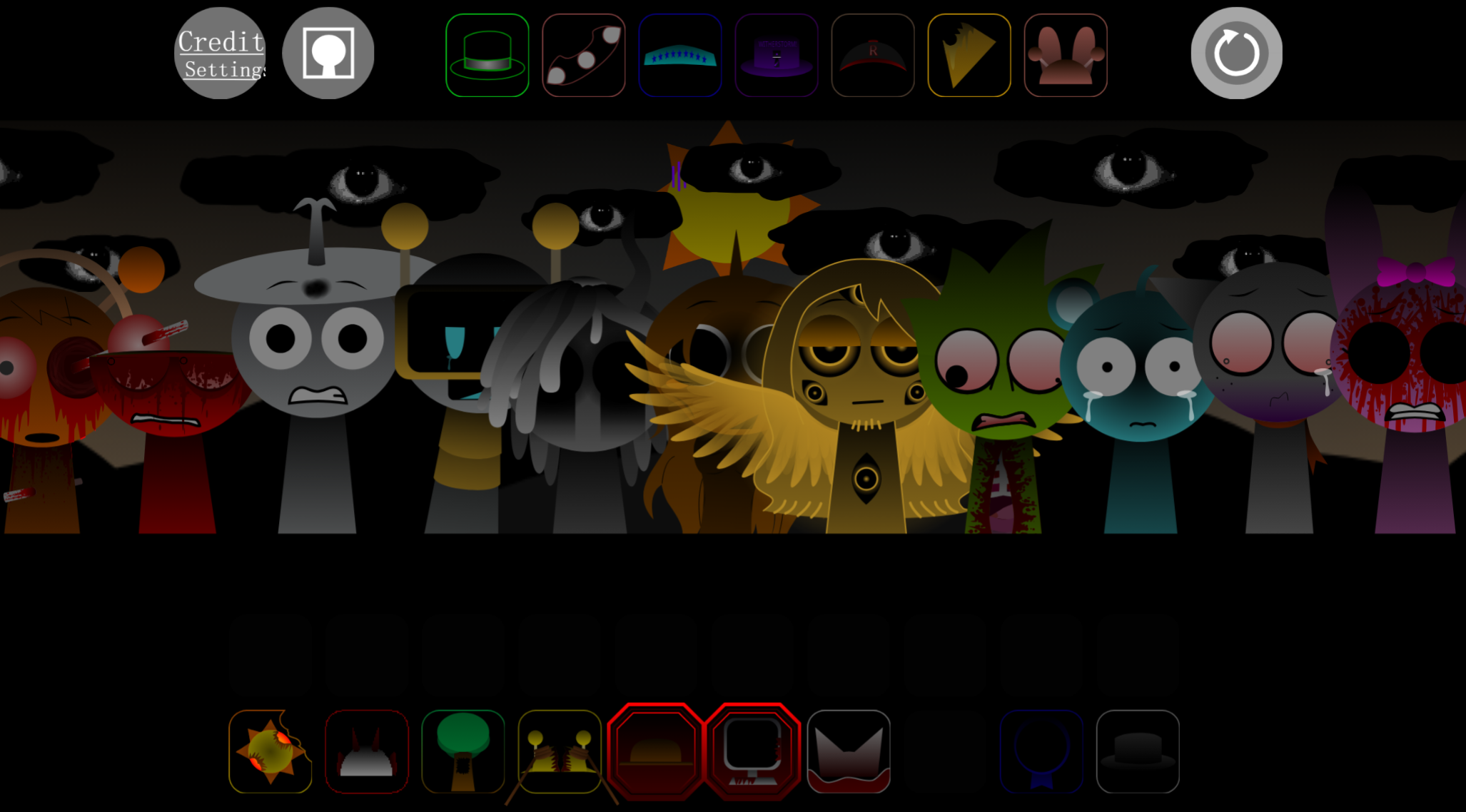
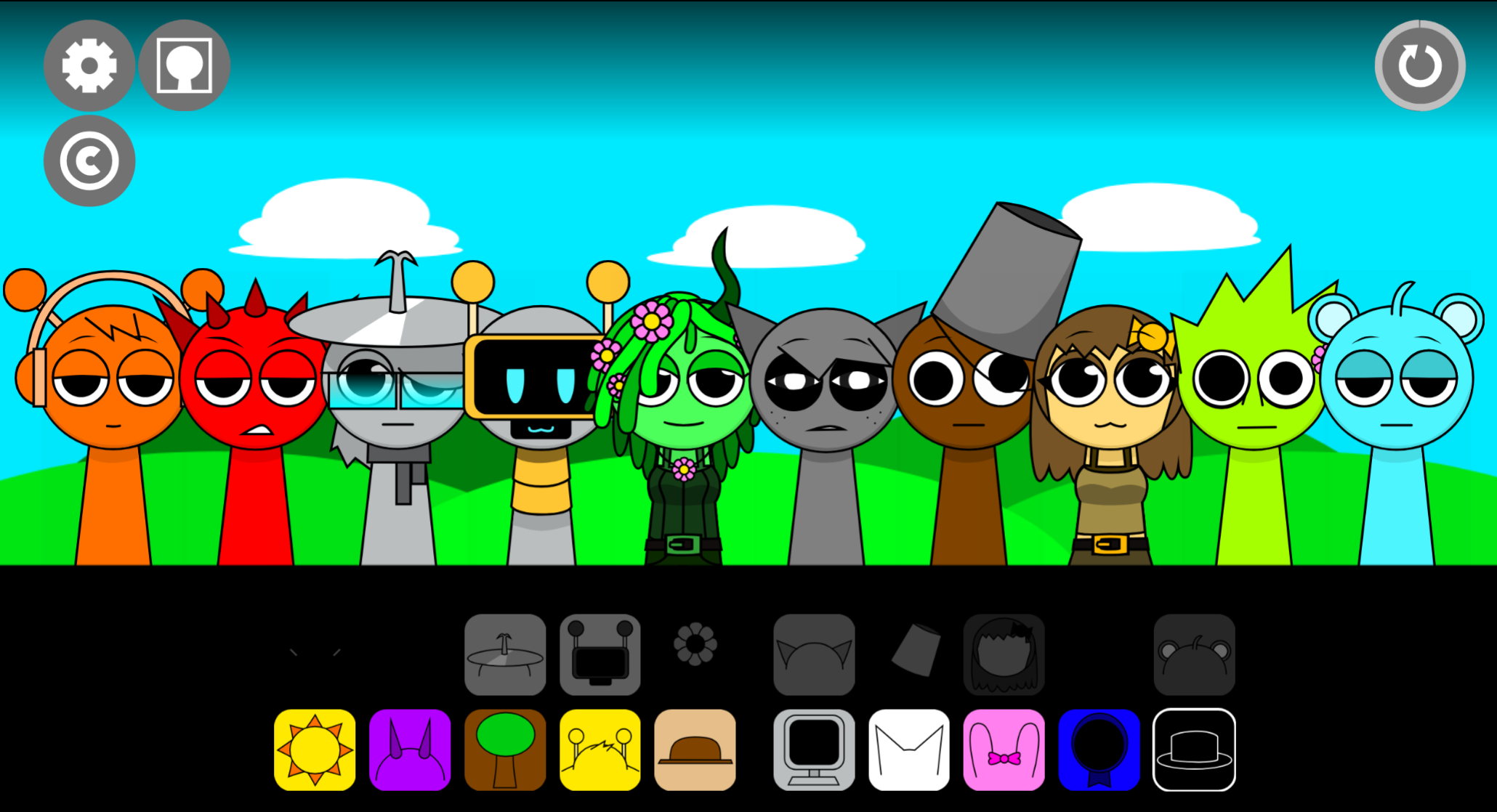
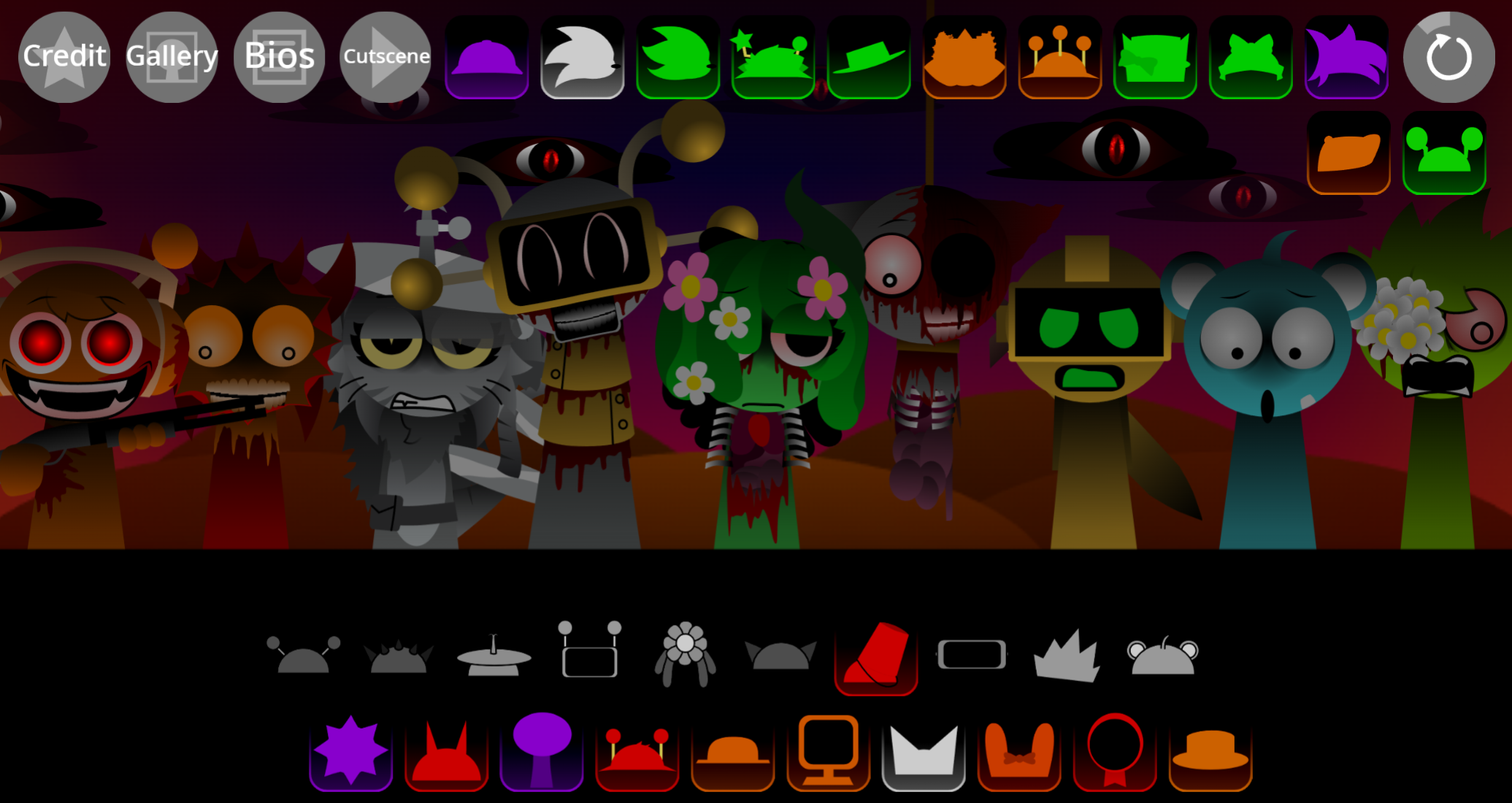
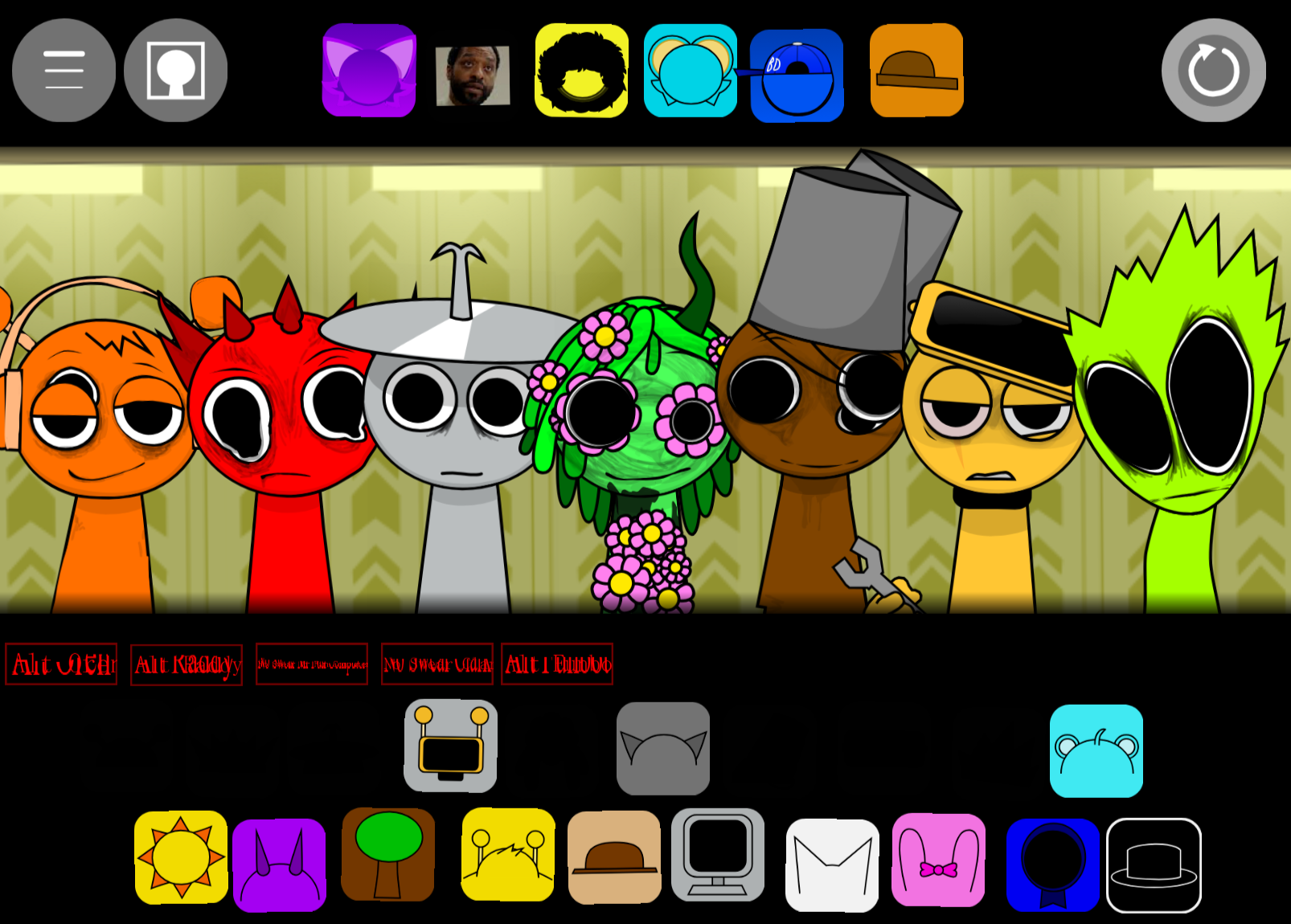
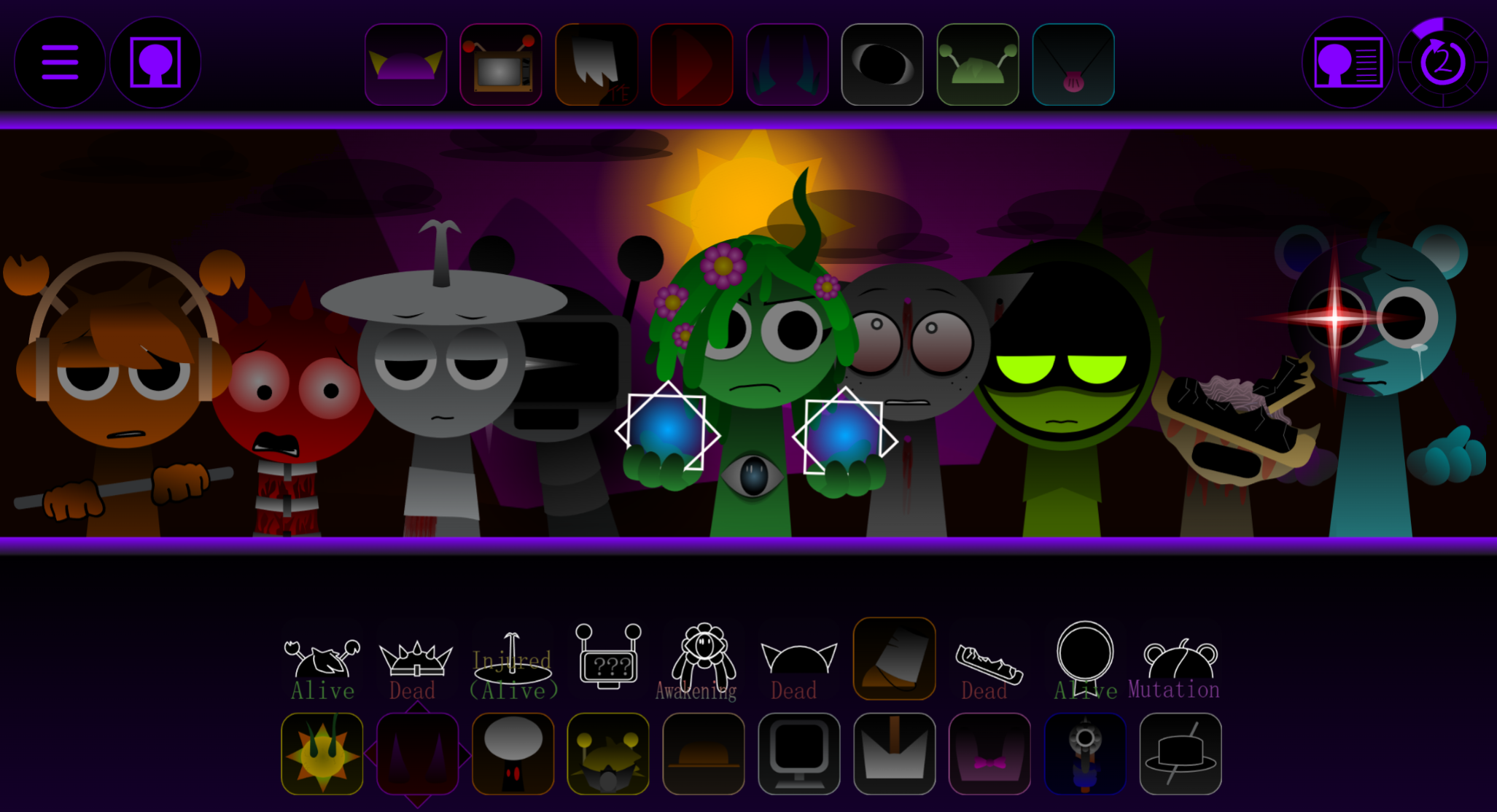
Sprunki Tri Anti Shifted Phase 5 is a rhythm-experimentation mode where players layer corrupted sound loops, test combinations against static interference, and build coherent tracks from fragmented audio.
The core gameplay revolves around testing which Sprunki, Tri, and Anti elements lock together before the mix colapses into noise. This article covers the most useful mechanics first: how Phase 5’s shifting corruption works, which layer combinations survive longest, and how to remove clashing sounds before they destabilize your entire composition.
Phase 5 rewards slow builders who test quickly—stack a baseline, add one experimental layer, listen for interference, then cut or keep.
Sprunki Tri Anti-Shifted Phase 5
Sprunki Tri Anti-Shifted Phase 5 is mastered by treating every character drop as a controlled escalation, not a random burst of noise. The phase is darker, denser, and more unstable than lighter Sprunki mixes, so the goal is not simply to make the loudest track. The real challenge is to keep the corrupted arrangement readable while the sound design pushes toward collapse.
Every character functions like both an instrument and a threat. Beats, vocal loops, basslines, melodies, and effects carry a heavier distorted edge, so placing a character is less like adding a clean layer and more like triggering a shift in mood. A strong mix usually begins with restraint: drag one icon in, identify its role, then add the next only when the rhythm still has space.
The Tri, Anti, and Shifted identity defines the pressure of this version. Tri-style layering encourages stacked patterns, Anti gives the track its darker resistance, and Shifted twists familiar Sprunki sounds into unstable forms. When the interface flashes, glitches, or changes color around certain pairings, treat it as feedback showing which combinations create narrative moments rather than just crowded loops.
The main danger is overloading the mix. Heavy bass and eerie vocals can create a powerful apocalyptic wall, but if too many loops fight for the same space, the melody disappears beneath distortion. Phase 5 rewards players who build slowly, test combinations quickly, remove clashing layers without hesitation, and keep the corrupted mix from becoming static.
How to Play Sprunki Tri Anti-Shifted Phase 5
Drag characters into the empty slots to build a looping track from the sounds they unleash. Each placement triggers audio immediately, so every choice can sharpen the mix or drag it into a distorted wall of noise.
The game includes 20 characters across 4 sound types, giving you enough range to move from sparse tension to full chaotic pressure. Begin with two or three characters and listen to how their beats, effects, vocals, and melodies collide. Around four or five active characters, the track can become dense and unstable, especially if heavy loops are stacked without rhythmic space.
Progress is not about solving a fixed puzzle. It is about listening closely, testing combinations, and recognizing when a distorted layer adds menace instead of mud. If a sound clashes, remove or replace that character and the mix updates instantly. This quick editing loop is the heart of the experience: place, listen, cut, rebuild, and push the track closer to controlled corruption.
Players familiar with calmer Sprunki phases may need to slow down here. Small changes feel heavier in the Anti-Shifted style, and one careless placement can overwhelm the rhythm. Build patiently, keep your ears on the pulse beneath the chaos, and let each new layer prove that it belongs.
How to Balance the Distorted Survivor Loops
Build from a small, stable core before allowing the heavier corrupted sounds to enter. Start with two or three complementary loops that hold the rhythm clearly, then add survivor layers one at a time so the track has a pulse before the distortion starts tearing into it.
Treat each survivor loop like a dangerous signal rather than a simple part. Drop one in, listen for what it changes, then decide whether it strengthens the groove or buries it. If a vocal loop feels too sharp or a bassline swallows the beat, pull it back with volume control, mute it, or replace it with a cleaner rhythm layer.
Cleaner beats and melodies are the anchor. They give the distorted loops something to push against, creating that tense Phase 5 pressure without losing readability. When the balance works, the chaos feels intentional: the survivor sounds scrape across the mix, but the listener can still follow the rhythm underneath.
Small combinations can shift the entire mood. A pairing that feels overwhelming at first may become usable if another loop is muted, softened, or replaced with a steadier pattern. Check the full track after every change instead of judging the new sound in isolation.
If the mix becomes a wall of noise, strip it back immediately. Remove the loudest or muddiest loop, rebuild the rhythm, and let the distortion return only when it serves the arrangement. Balance in Sprunki Tri Anti-Shifted Phase 5 is not about making the loops clean—it is about keeping the corruption controlled enough to survive.
Survival Tips for Mixing Chaotic Beats
Survival comes from restraint: build slowly, listen for what the chaos is hiding, and refuse to let every sound fight for the same space. The safest approach is not to dominate the phase, but to control its collapse one layer at a time.
Start with a small core rhythm.
Drop only a few beat-focused characters first and let their loops settle before adding anything else. Too many early layers can bury the pulse beneath static, making the mix feel powerful but directionless.
Add melodies and effects like threats, not decoration.
Each new character should sharpen the atmosphere or reveal a rhythm, not simply make the track louder. If a vocal loop or eerie effect overwhelms the beat, pull back and rebuild around the sound that still gives the mix structure.
Experiment with combinations, then cut aggressively.
Test strange pairings and listen for moments where the chaos locks into something usable. If a combination turns into a muddy wall of noise, remove one layer instead of forcing the full stack to work.
Use volume balance as a survival tool.
Heavy beats can lead, but they should not erase supporting sounds. Lower aggressive loops when needed, let quieter details breathe, and treat every adjustment as a way to uncover the melody hidden beneath the corrupted pressure.
Compare strong versions instead of losing them.
When you land on a clean but intense arrangement, save it before pushing further. Phase 5 invites reckless experimentation, but saving strong builds lets you test risky combinations without losing a stable mix.
Do not chase perfection too early.
No music theory is required. Your best weapon is repeated listening. Test, mute, swap, and refine until the track feels dangerous but still readable.
Features of Sprunki Tri Anti-Shifted Phase 5
Sprunki Tri Anti-Shifted Phase 5 focuses on fast, character-driven music creation wrapped in a darker, more unstable presentation.
- Drag-and-drop composition: Players build tracks by placing Sprunki characters onto the stage, turning each action into an immediate audio trigger. The system stays accessible even without music experience, but the darker atmosphere makes every placement feel heavier than a simple loop.
- Character-based sound layers: Each character contributes a specific beat, melody, vocal effect, bassline, or distorted texture. In the Tri Anti-Shifted style, these sounds are designed to clash, overlap, and mutate into something erie rather than clean or predictable.
- 20 characters across 4 sound types: The roster gives players enough variety to shape different kinds of pressure, from minimal rhythmic tension to dense corrupted layering.
- Layered experimentation: The core gameplay comes from testing combinations until the rhythm begins to reveal itself beneath the static. Some pairings create chaotic density, while others give the mix enough space to breathe.
- Basic mix control: Volume adjustments, muting, removing, and replacing characters let you pull certain sounds forward or push harsher elements into the background. This matters because an unchecked arrangement can quickly become a wall of noise.
- Reactive presentation: Interface flashes, glitches, and color shifts around certain pairings help signal when a combination is creating a stronger moment or unlocking a more dramatic change in tone.
- Hidden secret: There is a hidden secret that changes the tone of the music, giving curious players a reason to keep testing combinations instead of settling on the first decent loop.
- Free browser access: The game can be played online without a download or installation at abgernygames.org, keeping entry simple for returning Sprunki players and newcomers alike.
- Save and share options: Finished tracks can be saved and shared with the Sprunki community, giving players a way to compare mixes, study combinations, and discover sounds they may have missed.
Related Games
- Sprunki Tri Anti Shifted Cocrea Port — This is the closest follow-up for players who want the same Tri Anti-Shifted character-mixing style with a less climactic but still corrupted audiovisual setup.
- SPRUNKI MSI but anti shifted phase 3 — Its Anti-Shifted Phase 3 angle makes it a useful earlier-stop comparison for the distorted survivor lore and darker beat-building that Phase 5 pushes further.
- Sprunki Anti-Shifted Computer Treatment Chapter 1 — This is a strong next click if the appeal is the Anti-Shifted universe’s story-driven horror presentation rather than just another standard Sprunki remix.
Why Play Sprunki Tri Anti-Shifted Phase 5?
Play Sprunki Tri Anti-Shifted Phase 5 if you want a hands-on remix experience that feels darker, stranger, and more unstable than a simple loop builder. Its appeal comes from control: every character you drag into place immediately alters the track, letting you shape a corrupted soundscape through instinct, timing, and experimentation.
The core loop is easy to enter but tense to master. You can begin with only two or three characters, listen for what locks together, then add heavier layers, sharper voices, or more chaotic effects. Because removing or replacing a character instantly changes the music, the act of play becomes a constant negotiation between rhythm and collapse.
The drawback is that the Anti-styled intensity can overwhelm newcomers at first, especially when too many sounds compete for space. But for Sprunki players who enjoy discovery, pressure, distorted survivor loops, and unsettling creative freedom, Tri Anti-Shifted Phase 5 gives the mix a sharper edge.


Discuss
Loading comments...
Failed to load comments. Please try refreshing the page.