


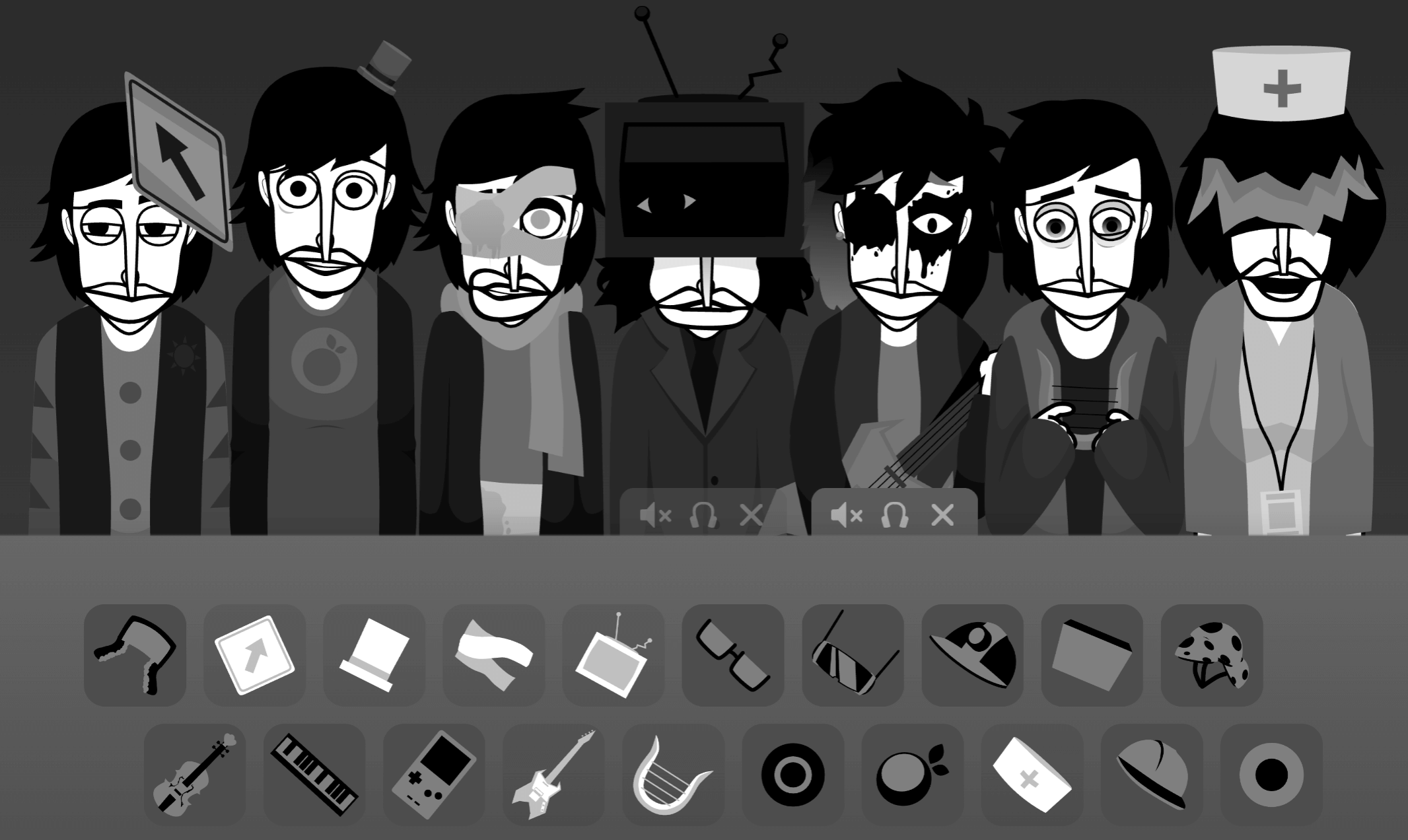

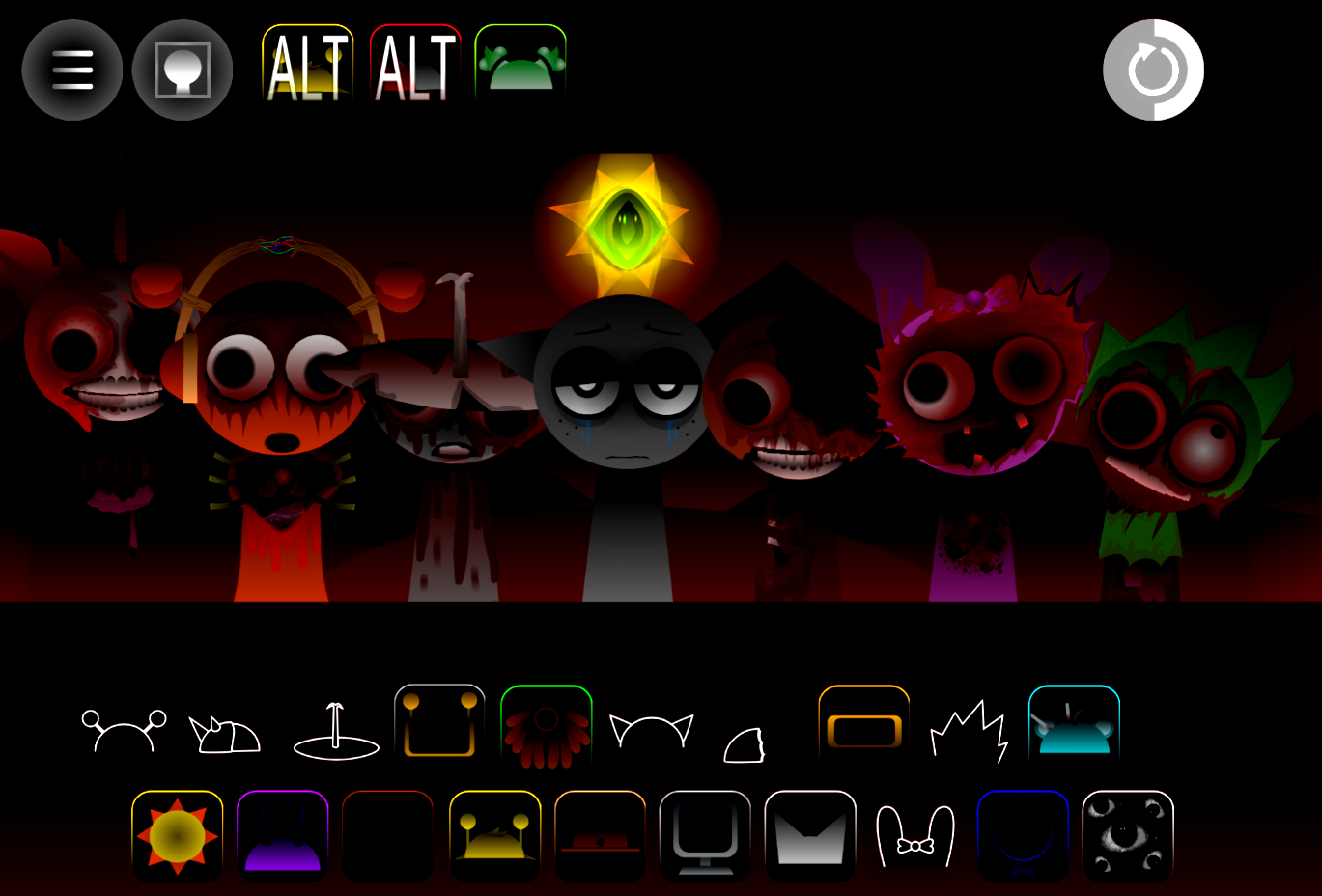






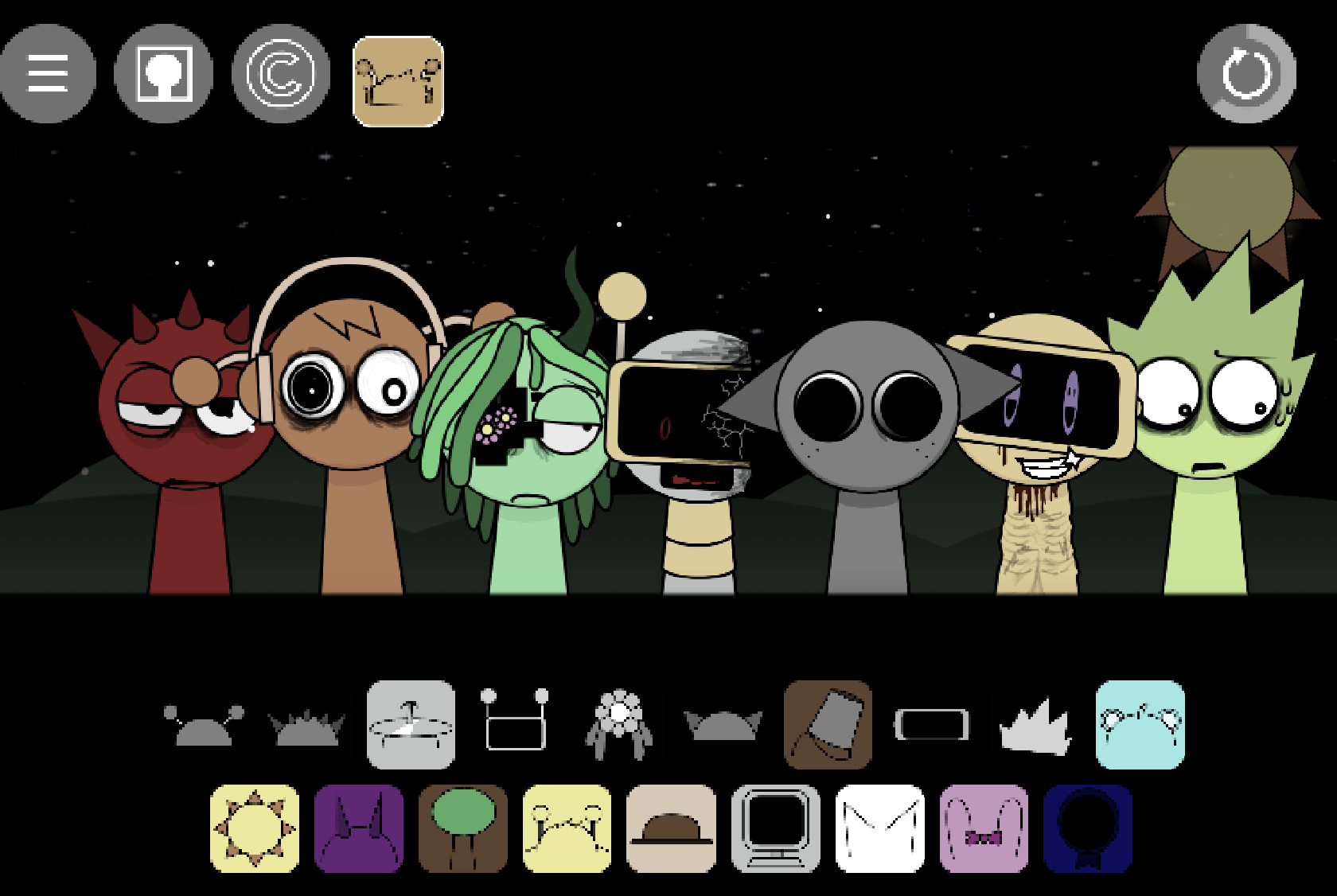
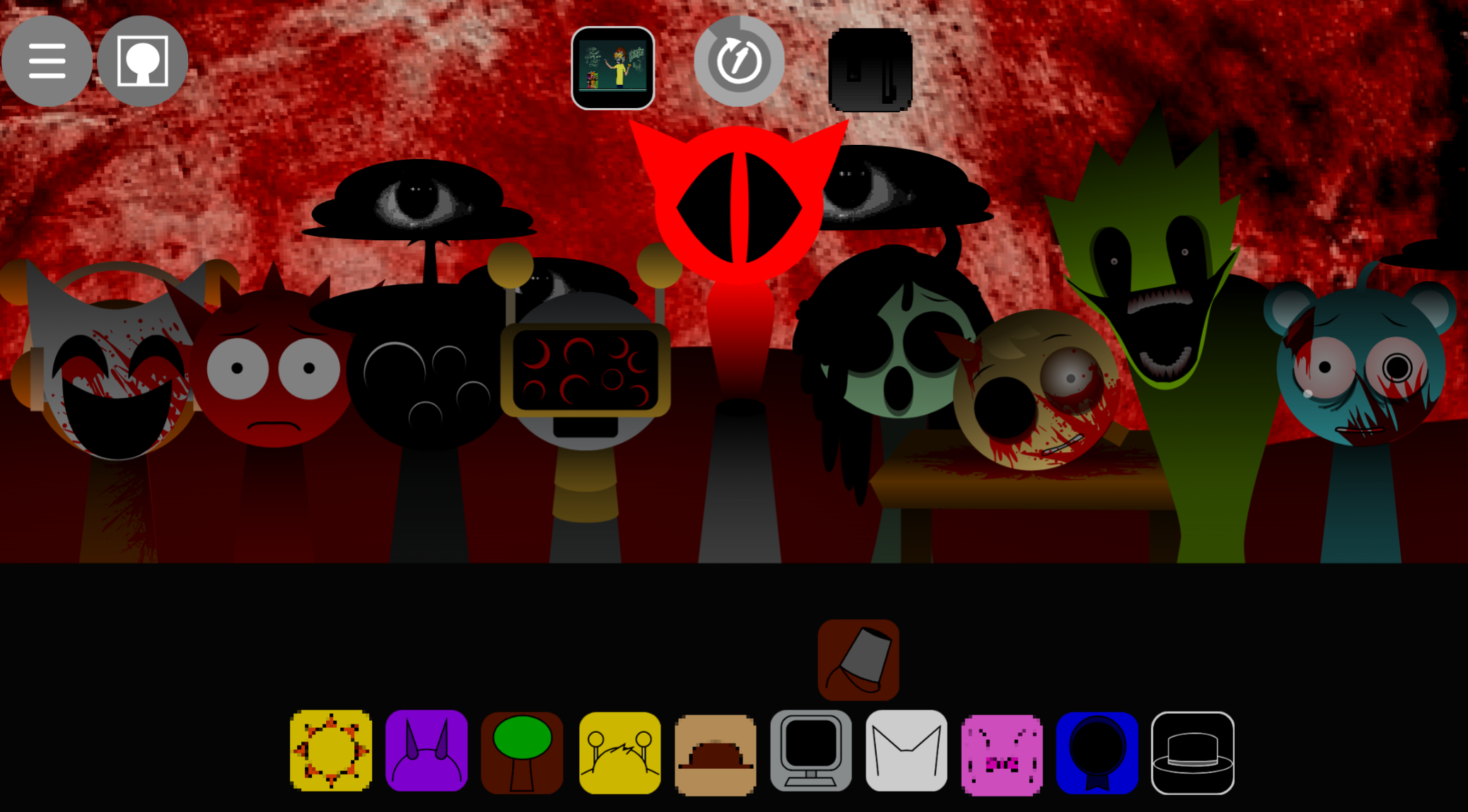





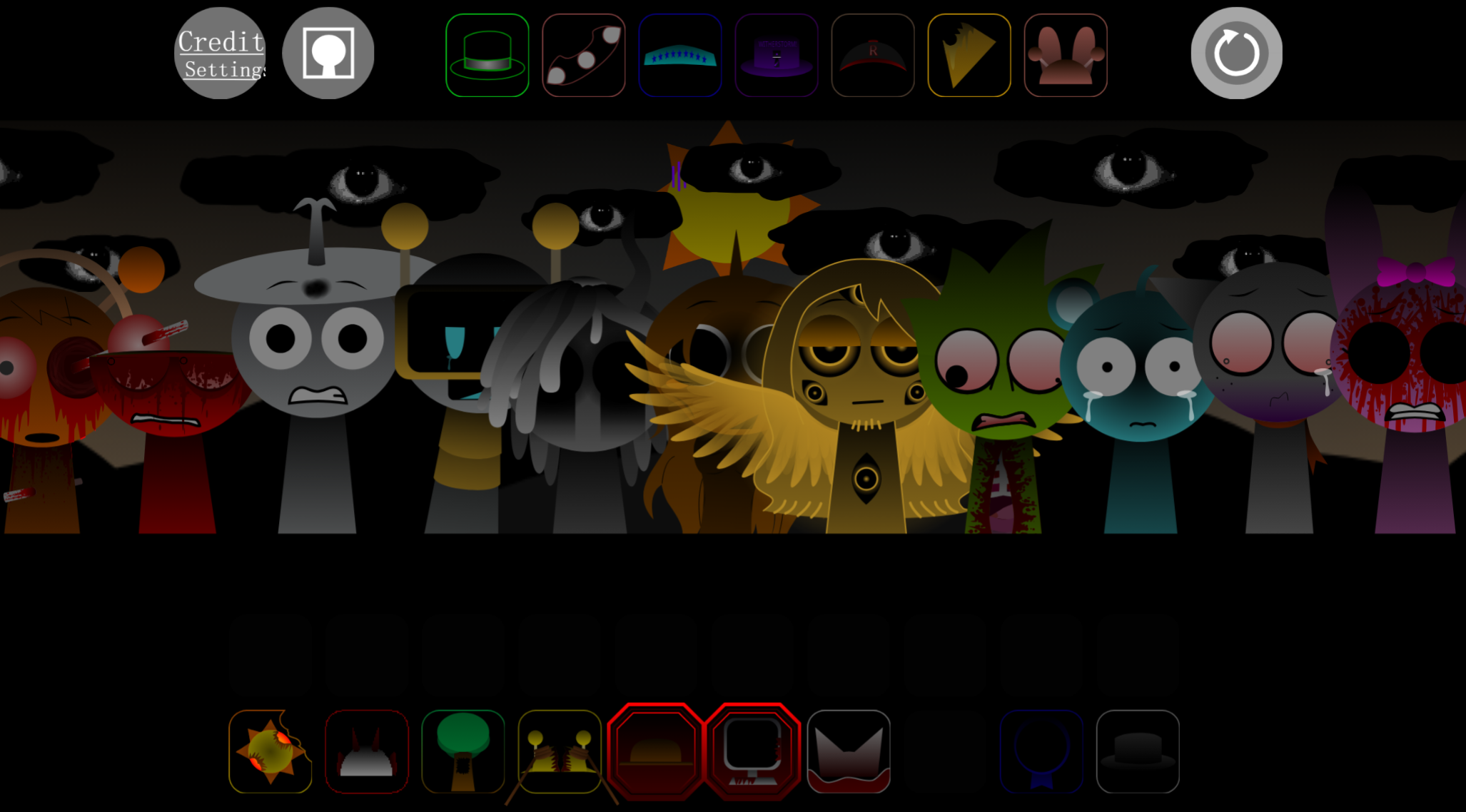

Sprunki Phase 3: Decay And Corpse is best understood as a darker reinterpretation of Phase 3 rather than a brand-new system-heavy mod. The familiar loop-building structure stays in place, but the mood changes sharply. Instead of leaning on a cleaner, brighter phase feel, this version pushes a decayed, corpse-like presentation to the front and lets that visual identity reshape how the same music-building loop feels in practice.
That difference matters because the source framing keeps pointing to the same value: V1.0 puts the gritty horror vibe front and center without throwing away rhythm or musical coherence. So if you are deciding whether it is worth trying, the real question is not whether it reinvents Sprunki from the ground up. The better question is whether you want a Phase 3 variant that sounds usable, feels unsettling, and turns the familiar drag-and-layer formula into something harsher and more atmospheric.
What Sprunki Phase 3 Decay And Corpse Actually Is
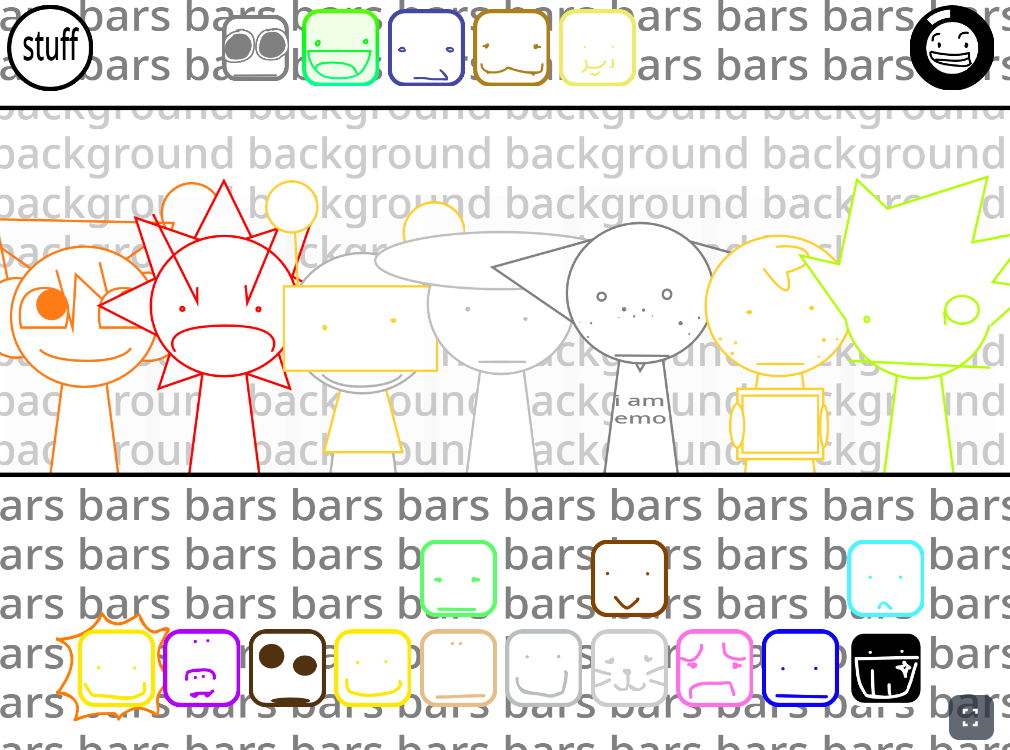
This is still a browser-based Sprunki-style mixing experience. You open it, drag sounds onto characters, build your loop, and listen for how the arrangement changes as you add or remove layers. The core interaction is recognizable.
What changes is the emotional frame around that interaction. The source material describes the mod as a version built around a decayed, corpse-like look and a grittier horror tone. That means the appeal is not just visual shock. The appeal is the contrast between catchy, functional music-building and an atmosphere that feels more ruined, worn down, and uncomfortable than standard Phase 3.
That distinction is important because some horror-flavored mods stop being useful as music sandboxes once the mood work overwhelms the loop. This version appears to avoid that problem. Its identity comes from shifting the tone while still letting the musical structure hold together.
Why the Decay-and-Corpse Style Works
The strongest thing this mod seems to understand is that horror works better when it changes the feel of the whole session, not just the surface look. The decay theme is valuable here because it affects how you read everything else: the characters look more worn out, the general presentation feels rougher, and the same layering process starts to feel more tense.
Just as important, the music does not appear to be sacrificed for the theme. The source repeatedly frames this version as one that balances a creepy atmosphere with actual music quality. That is a useful distinction. Many players can tolerate dark visuals for a few minutes, but they will not stay if the loop itself becomes muddy or annoying. Decay And Corpse works better as a recommendation because it tries to keep both parts alive: horror mood and listenable rhythm.
This is why the mod has more practical value than a throwaway shock remix. It does not simply darken the art and call it done. It tries to make the whole mix feel like it belongs inside a more corroded version of Phase 3.
How to Play It So the Mood Actually Lands
The best approach is to treat it as a tension-building mix rather than a “fill every slot” challenge. Because the mod depends on atmosphere, each added part should deepen the mood, not just increase activity.
A practical first pass looks like this:
- Start with a simple rhythmic base so you can hear the shape of the loop before the atmosphere gets crowded.
- Add darker elements gradually and listen for whether the track becomes more tense or just less clear.
- Swap sound roles when the mix starts feeling too thick, because contrast matters more than sheer density here.
- Stop once the loop feels eerie and coherent instead of continuing to stack parts out of habit.
That final step matters a lot. A decay-themed version works best when the track still breathes. If every layer is fighting for attention, the mod stops feeling haunting and starts feeling blurred.
What Returning Phase 3 Players Will Notice First
If you already know cleaner or more standard Phase 3 variants, a few changes are likely to stand out quickly:
- The overall presentation feels rougher and more decayed instead of bright or playful.
- The same loop-building process creates more tension because the visuals and sound mood are pulling in a darker direction.
- The mod seems more interested in eerie cohesion than in cheerful momentum.
That last point is the most useful one. Returning players will probably recognize the structure immediately, but the session does not ask for the same emotional read. In a standard Phase 3 context, you might judge a mix mainly by how smooth or catchy it becomes. Here, part of the judgment is whether the arrangement keeps its unease without collapsing into noise.
That makes the version feel more intentional than a simple darker coat of paint. It changes what “a good mix” sounds like.
What New Players Often Misread
A common misread is to think that a horror-heavy Phase 3 variant must automatically be more extreme in every possible way. That is not really the useful way to judge this one. The better question is whether it stays playable while changing the emotional temperature of the loop.
Another common mistake is to assume the visuals are the whole point. They are important, but the stronger selling point is the balance between look and sound. If the mod only changed the art, it would be much less interesting. What makes it worth attention is that the darker presentation seems tied to a rougher, tenser audio feel without destroying musical clarity.
New players can also overfill the mix because they expect a darker mod to reward sheer excess. In practice, a decay-focused version often works better when the tension remains readable. Too many layers can flatten the atmosphere instead of intensifying it.
Is It Just a Dark Skin, or Does It Really Change the Experience?
It does more than change the skin, even though it keeps the same base interaction. The reason is simple: mood affects decisions. When the art direction, sound texture, and tension target all move in the same direction, you start mixing differently.
In a lighter phase, you may chase brightness, bounce, or immediate catchiness. In Decay And Corpse, you are more likely to listen for corrosion, unease, and balance between rhythm and discomfort. That shift is enough to make the familiar system feel different without requiring a new ruleset.
So no, it is not a completely separate game. But it is also not just a cosmetic repaint. It changes the intended result of the session, and that gives the mod a clearer identity than many horror variants manage to achieve.
Related Games
- Sprunki Phase 3 Rotten and Forgotten — This is the closest follow-up because the article directly frames Decay And Corpse against the Rotten and Forgotten style, making it the best comparison for players who want to hear how Phase 3 shifts from eerie grit to even more ruined horror.
- Sprunki Phase 4 DECAY BY DAY — It matches the same decay-heavy visual identity but pushes into a later phase, which makes it a strong next click for anyone who wants the same corroded atmosphere in a slightly evolved soundscape.
- Sprunki But Less Creepy — This works as a useful contrast pick for readers interested in the same remix-based music play without the full corpse-and-decay horror intensity described in the article.
Is Sprunki Phase 3: Decay And Corpse Worth Trying?
Yes, if you want a darker Phase 3 version that still respects the musical side of Sprunki. The best case for it is not novelty alone. The better case is that it seems to preserve rhythm, loop-building, and usability while pushing the presentation into a more decayed and corpse-like direction.
That makes it a strong choice for players who want horror atmosphere without giving up the satisfaction of shaping a track. The main caution is equally clear: if you prefer cleaner, brighter, or more upbeat Phase 3 sessions, this one may feel too grim from the first minute.
But if your goal is to hear how the same core Phase 3 structure changes under heavier visual ruin and darker tension, it is worth opening. It offers a sharper answer to that question than a lot of thinner horror edits do.





Discuss
Loading comments...
Failed to load comments. Please try refreshing the page.