
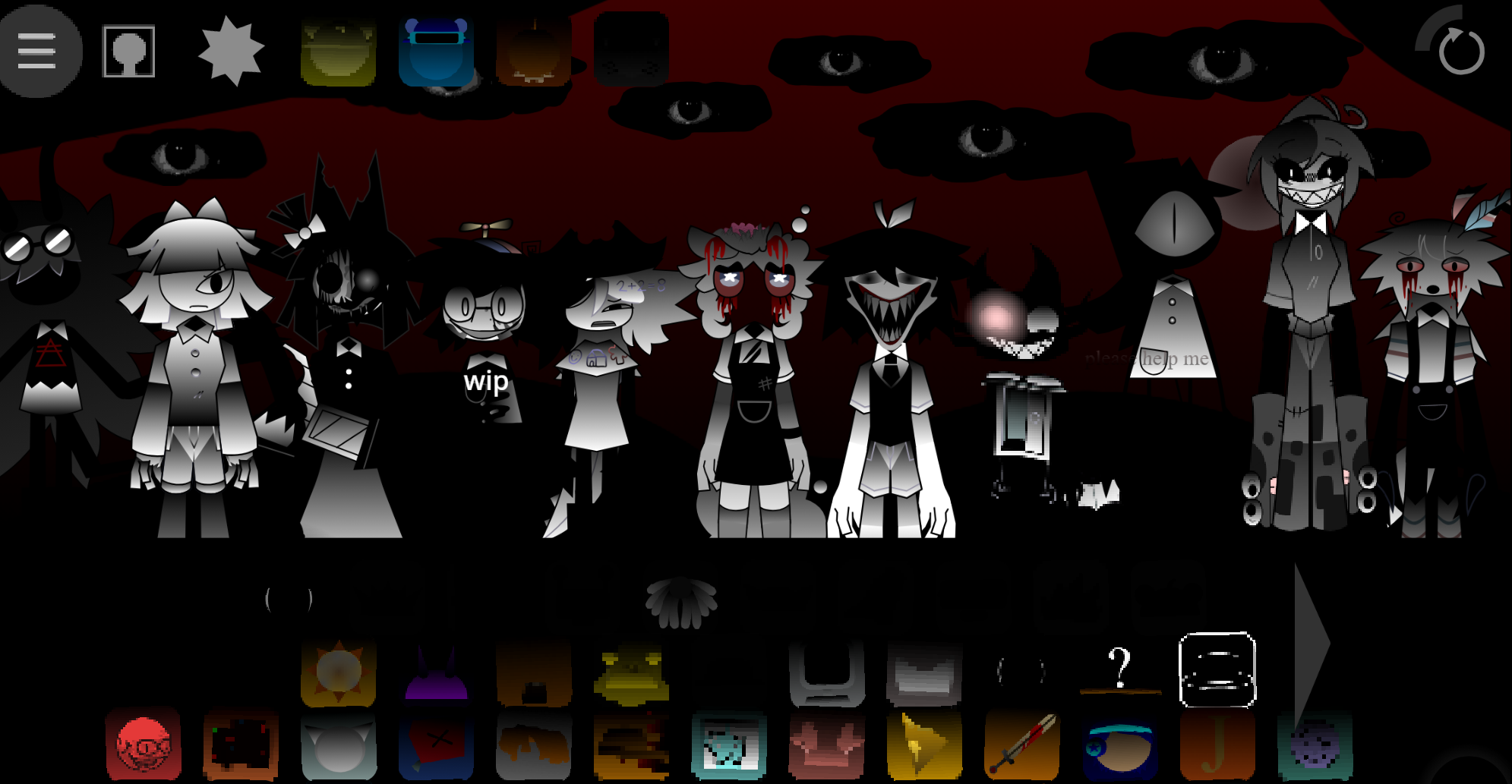
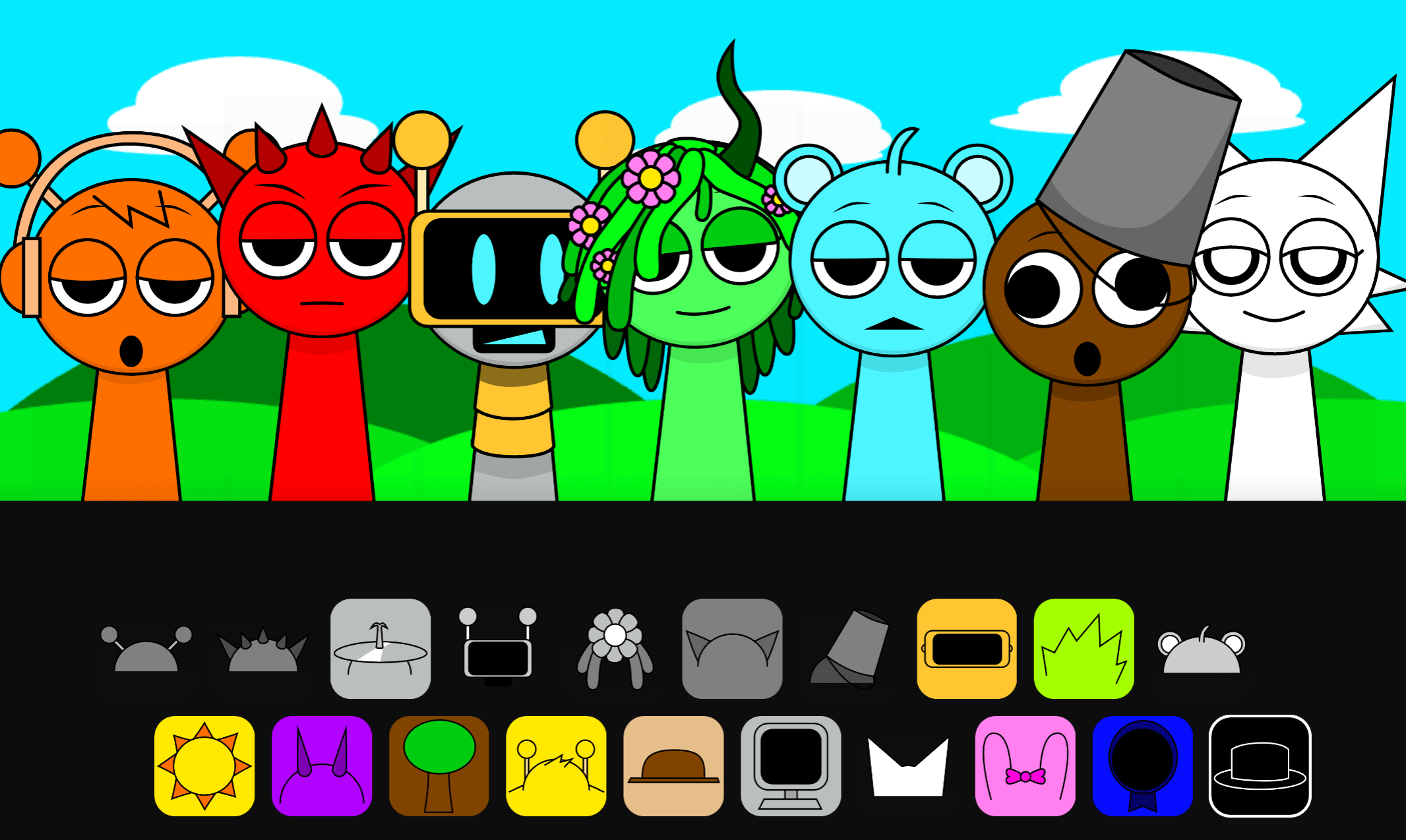
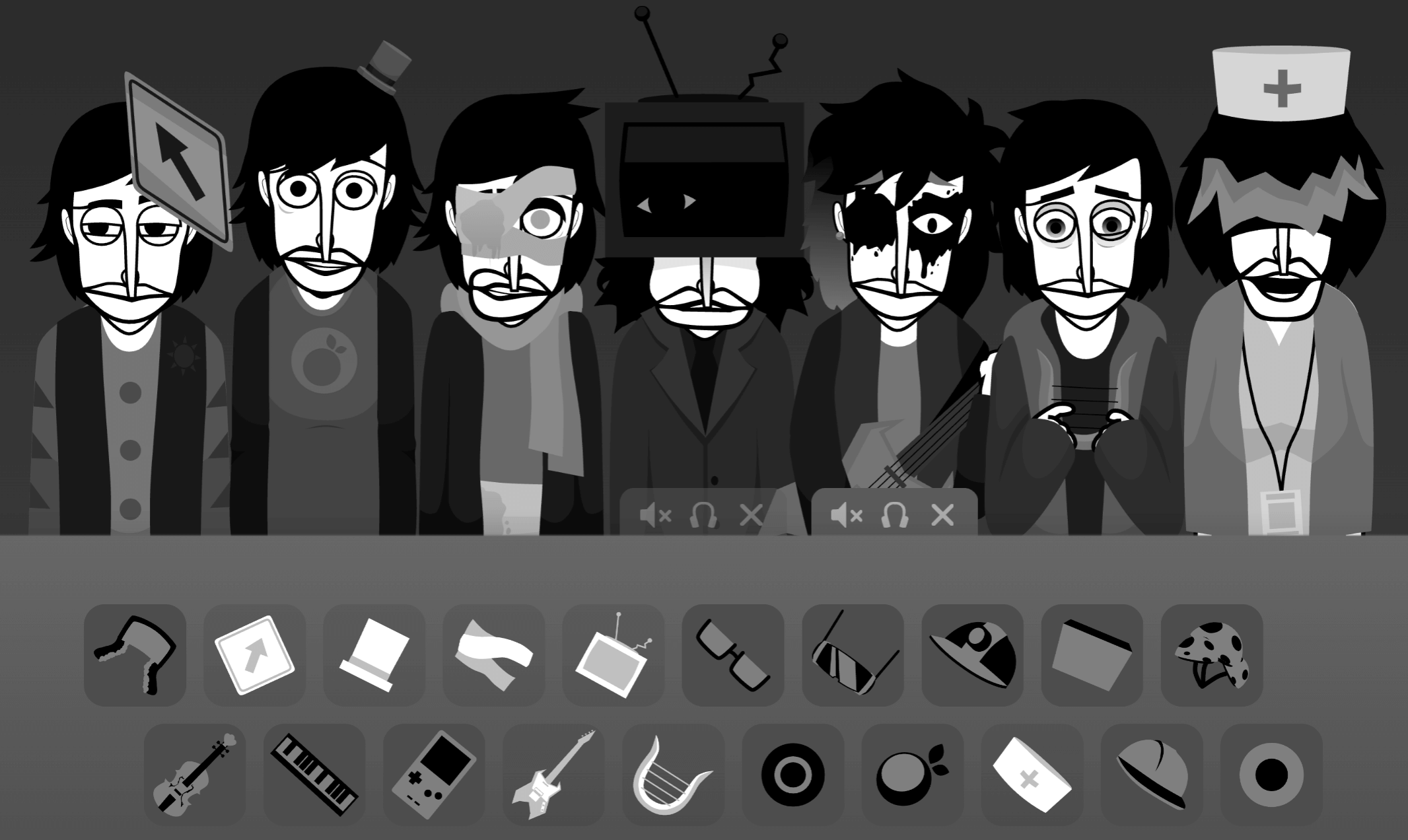
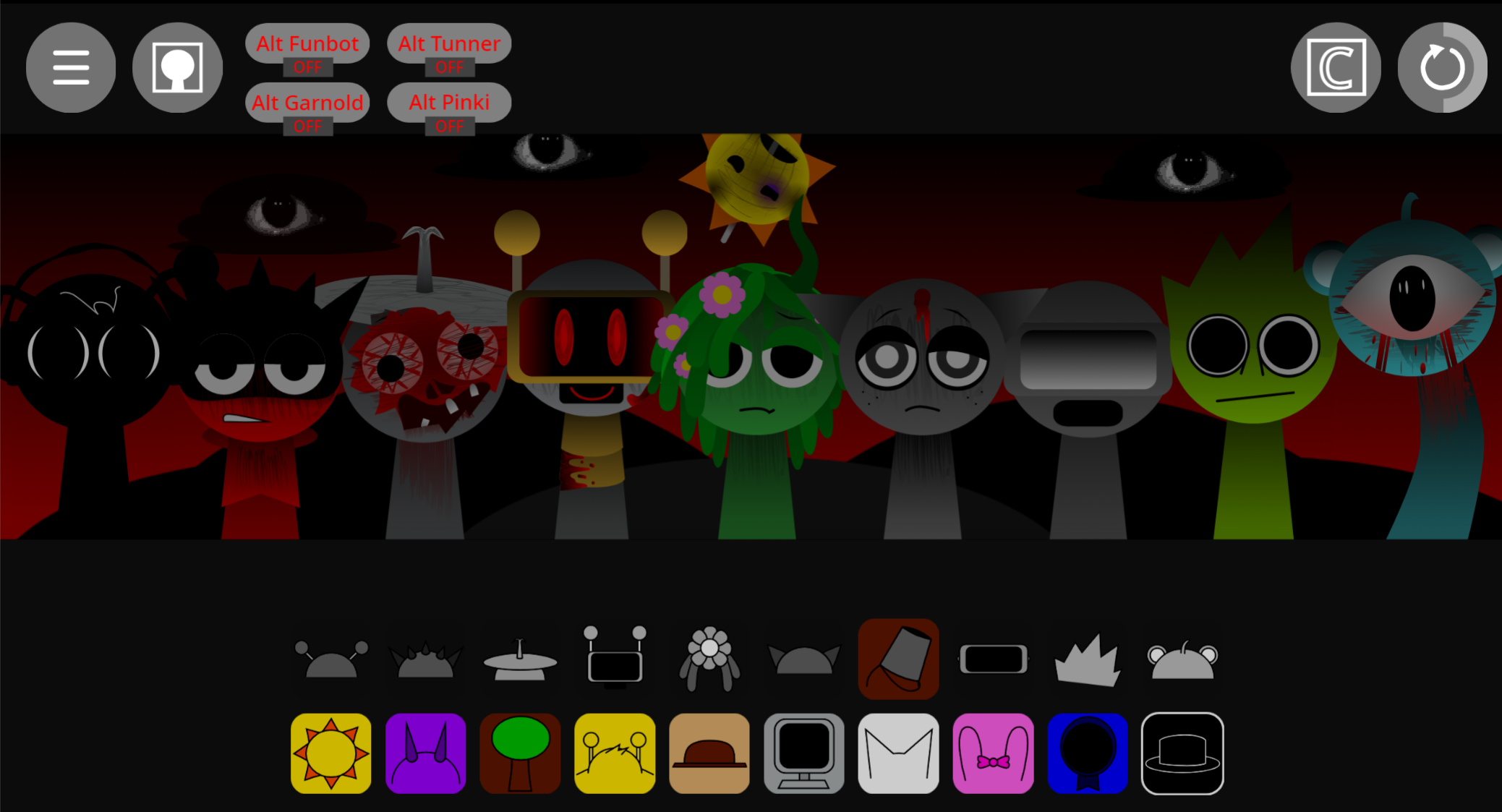
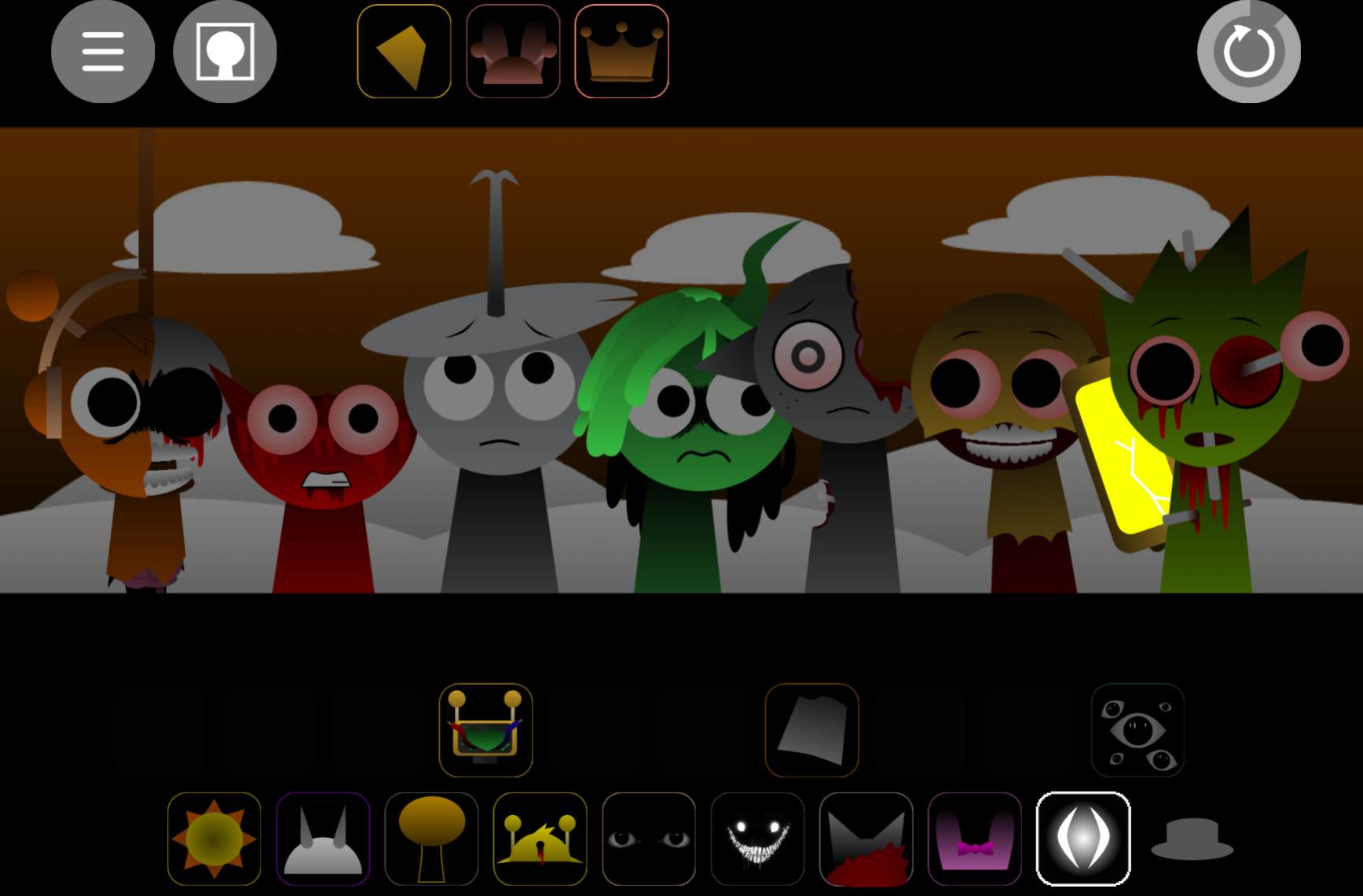


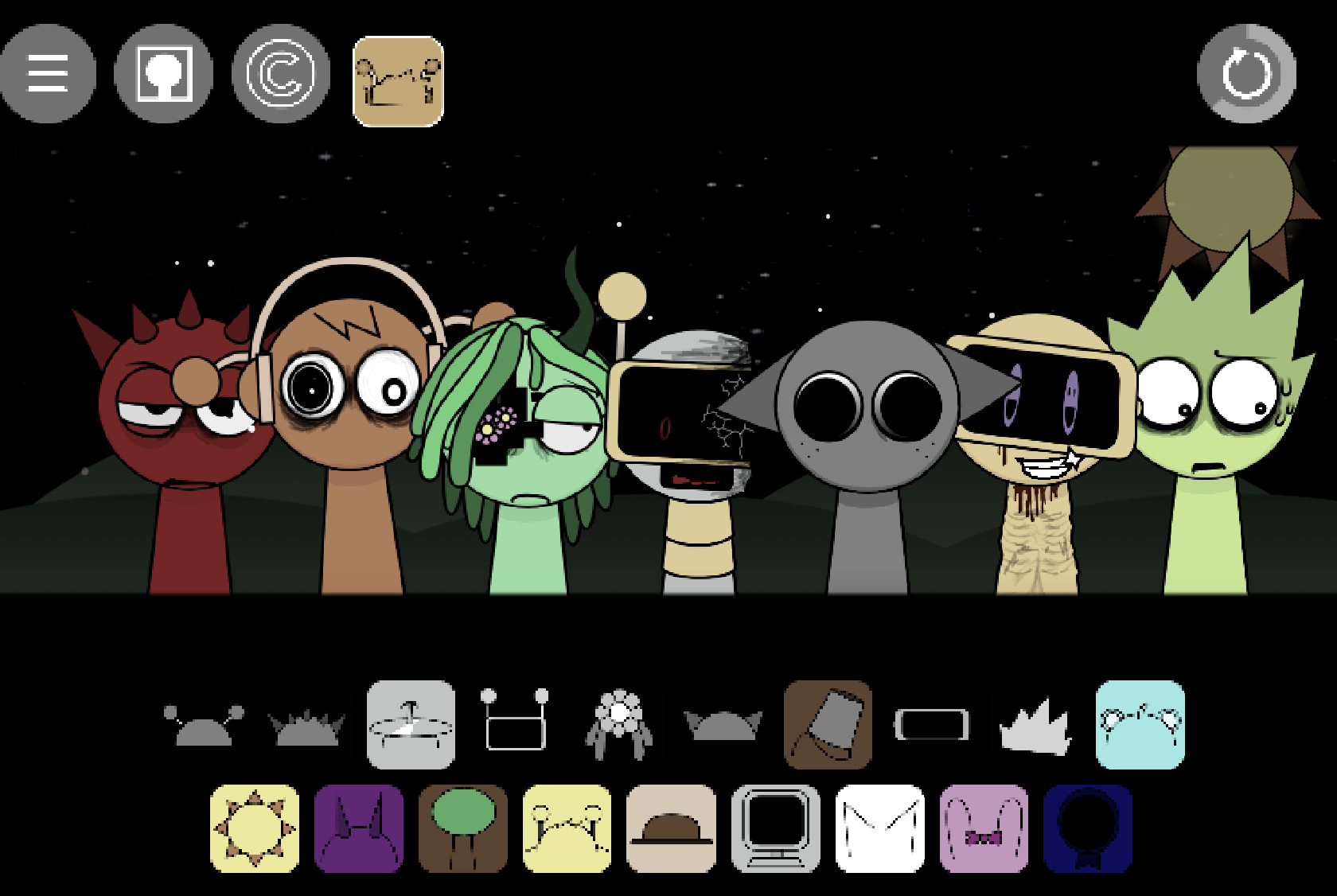
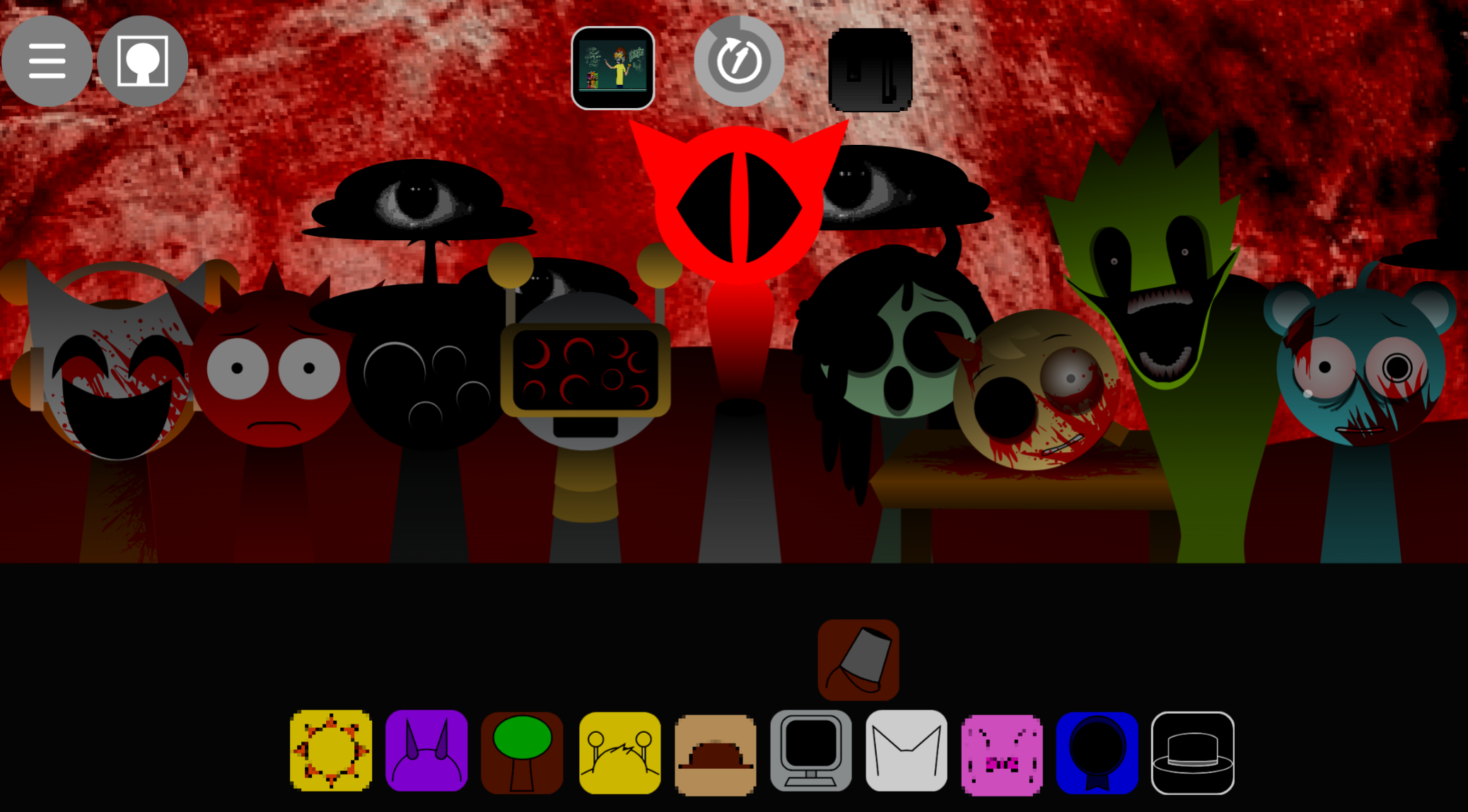
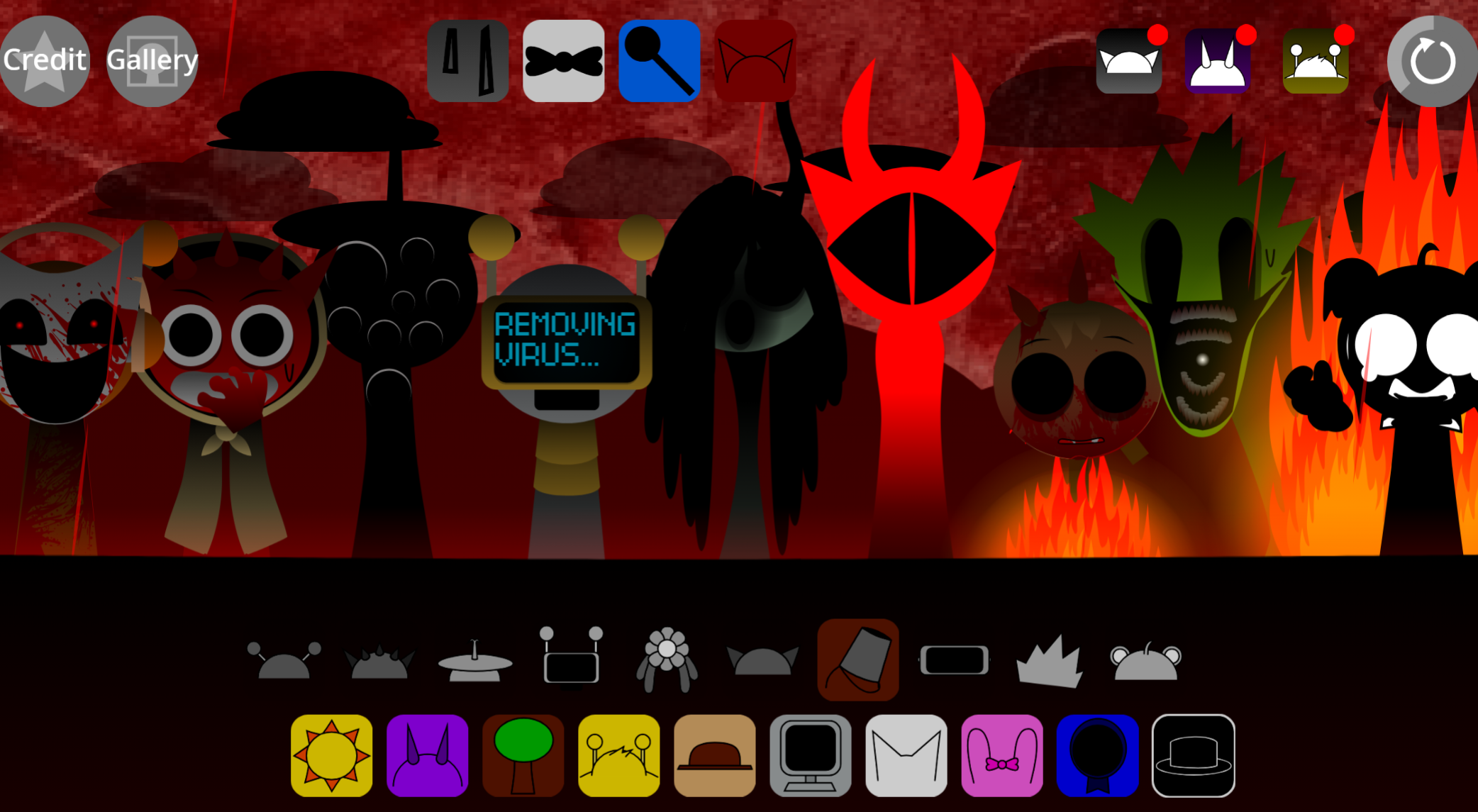
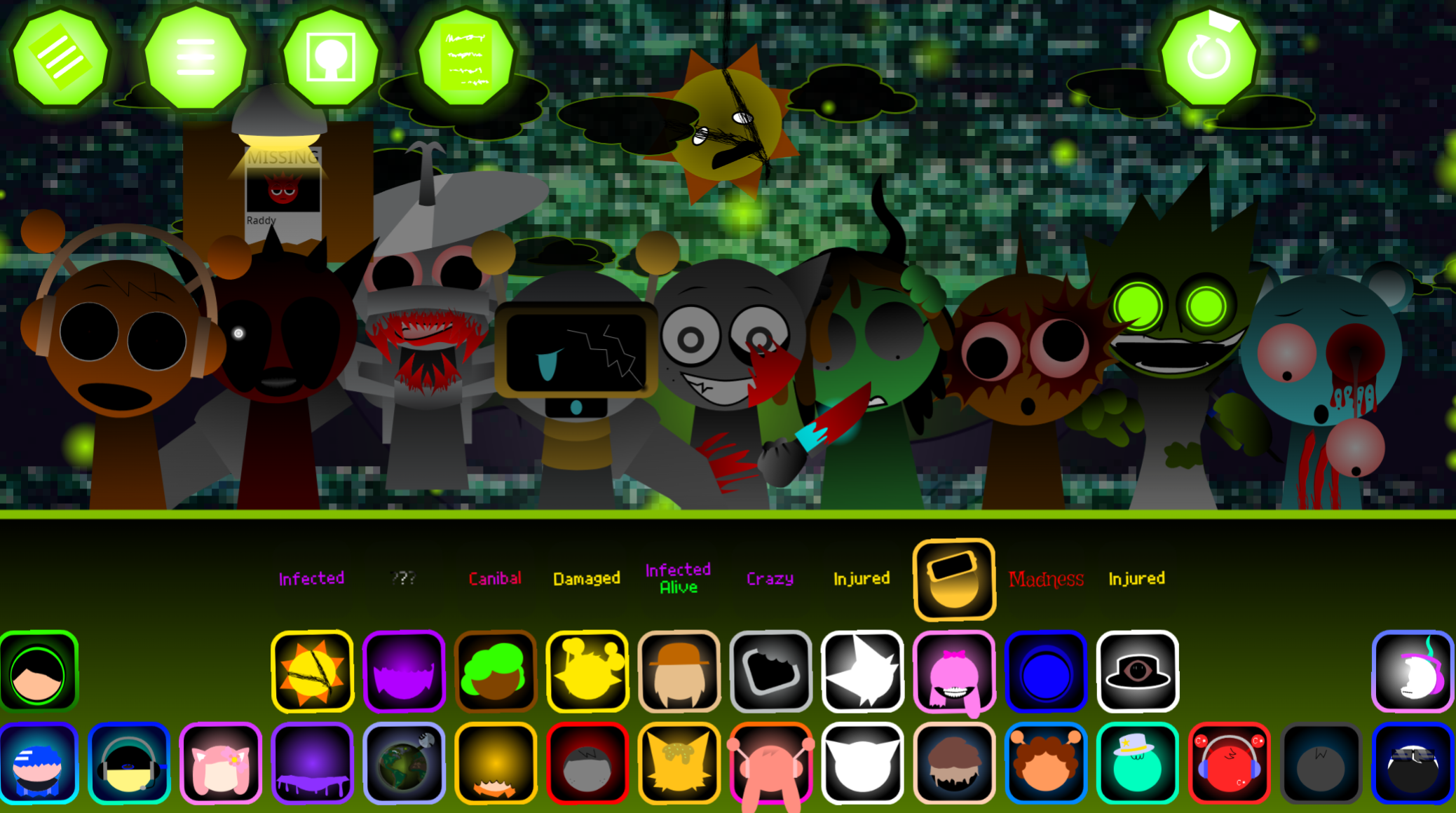
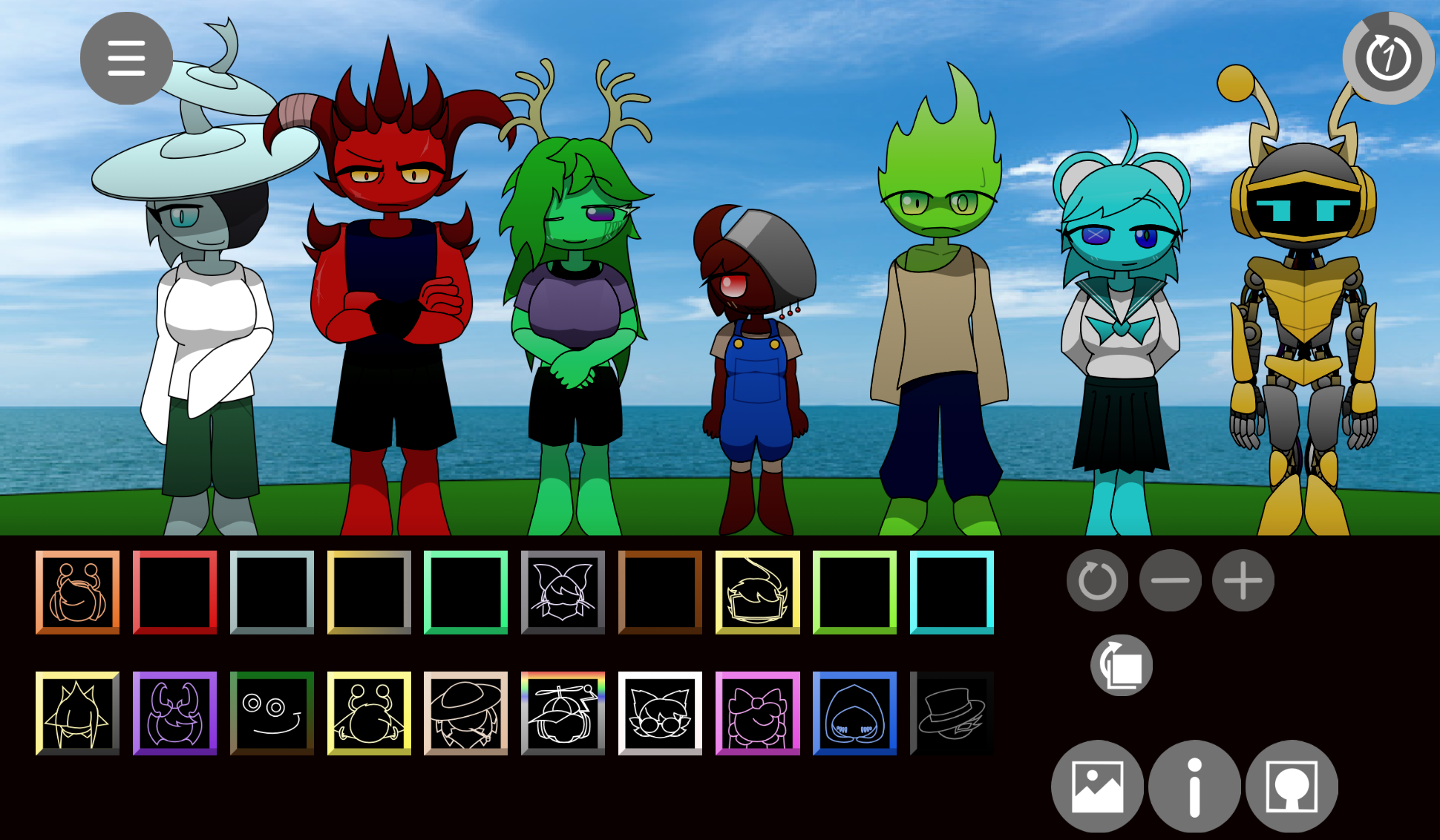
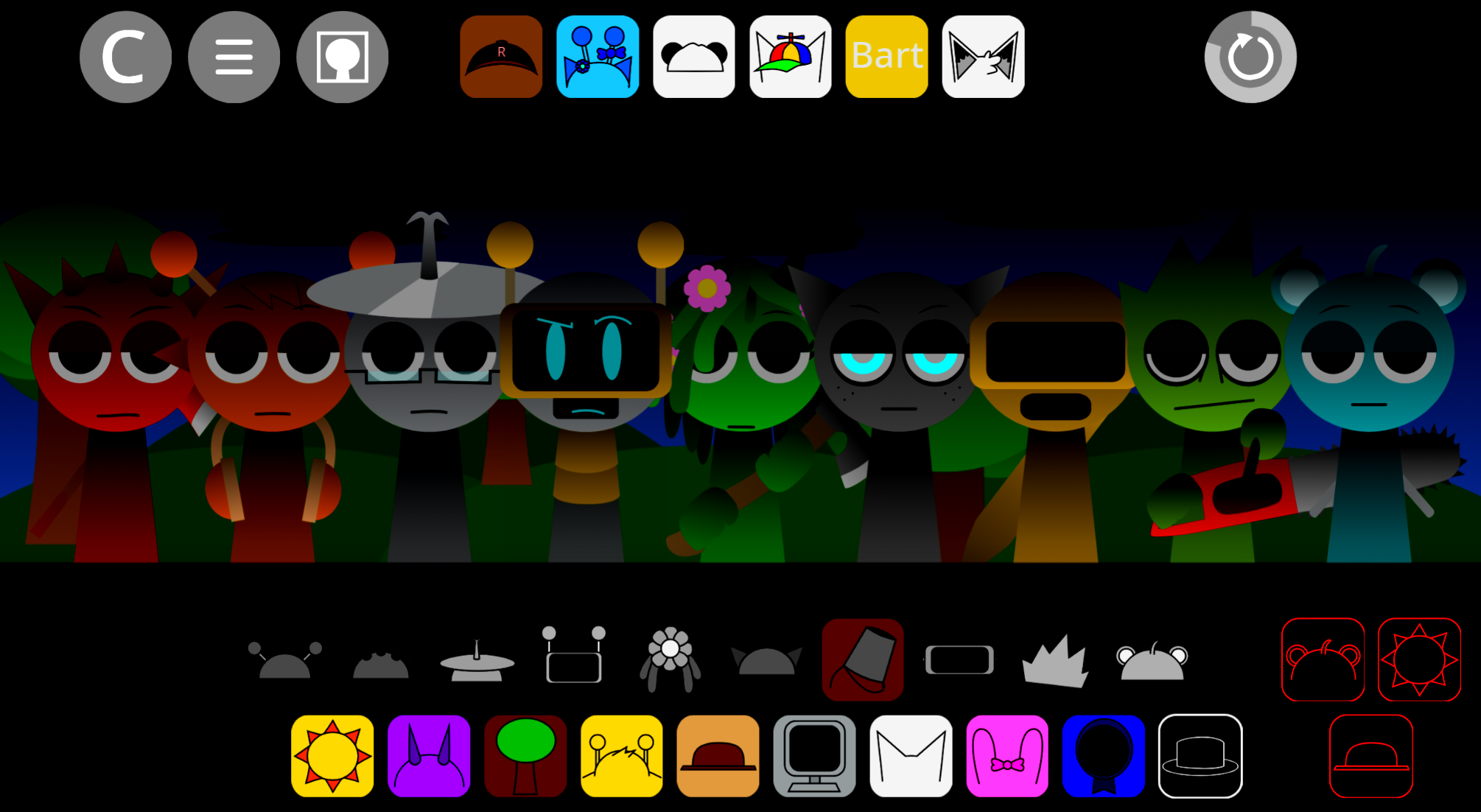
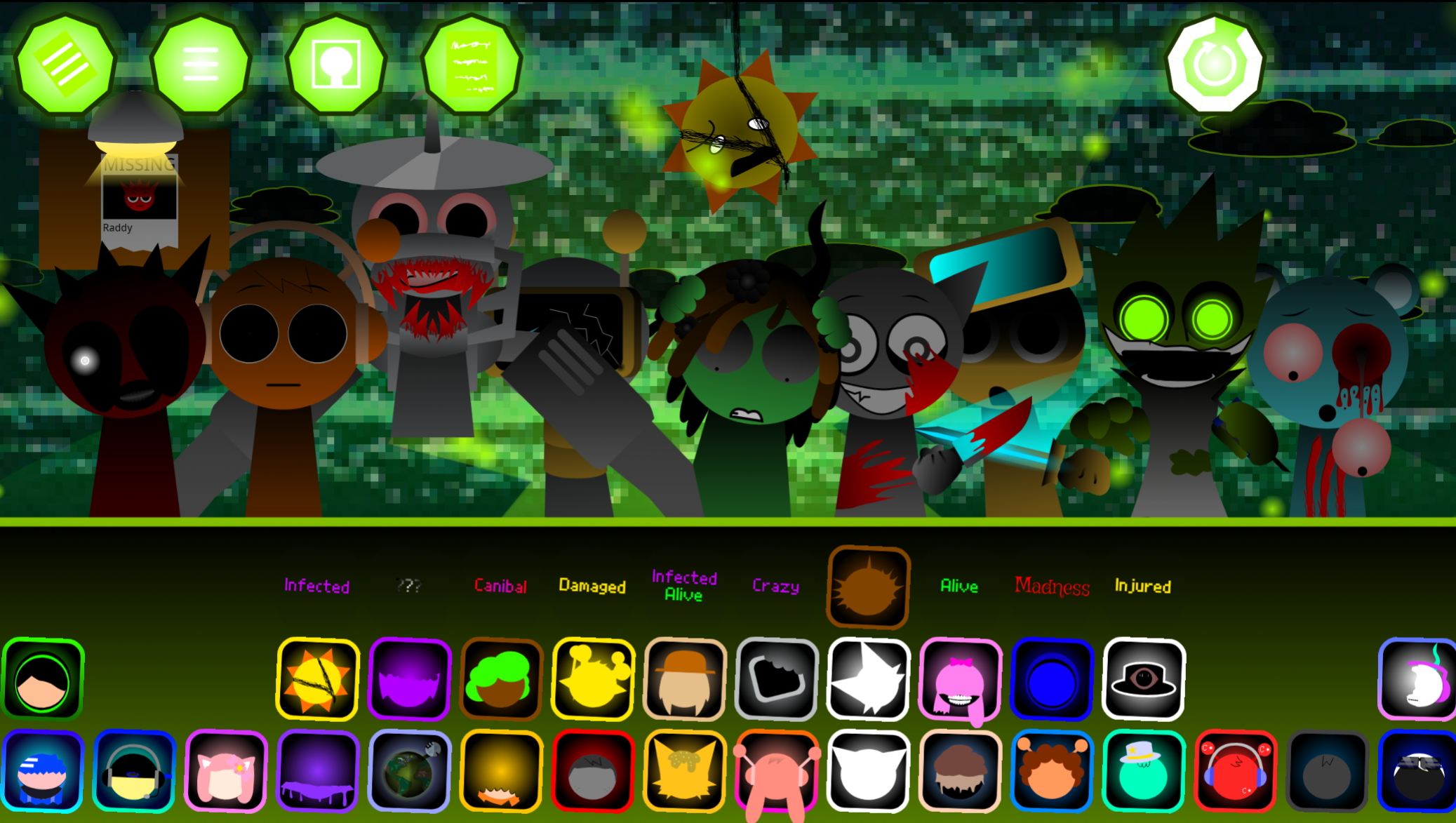
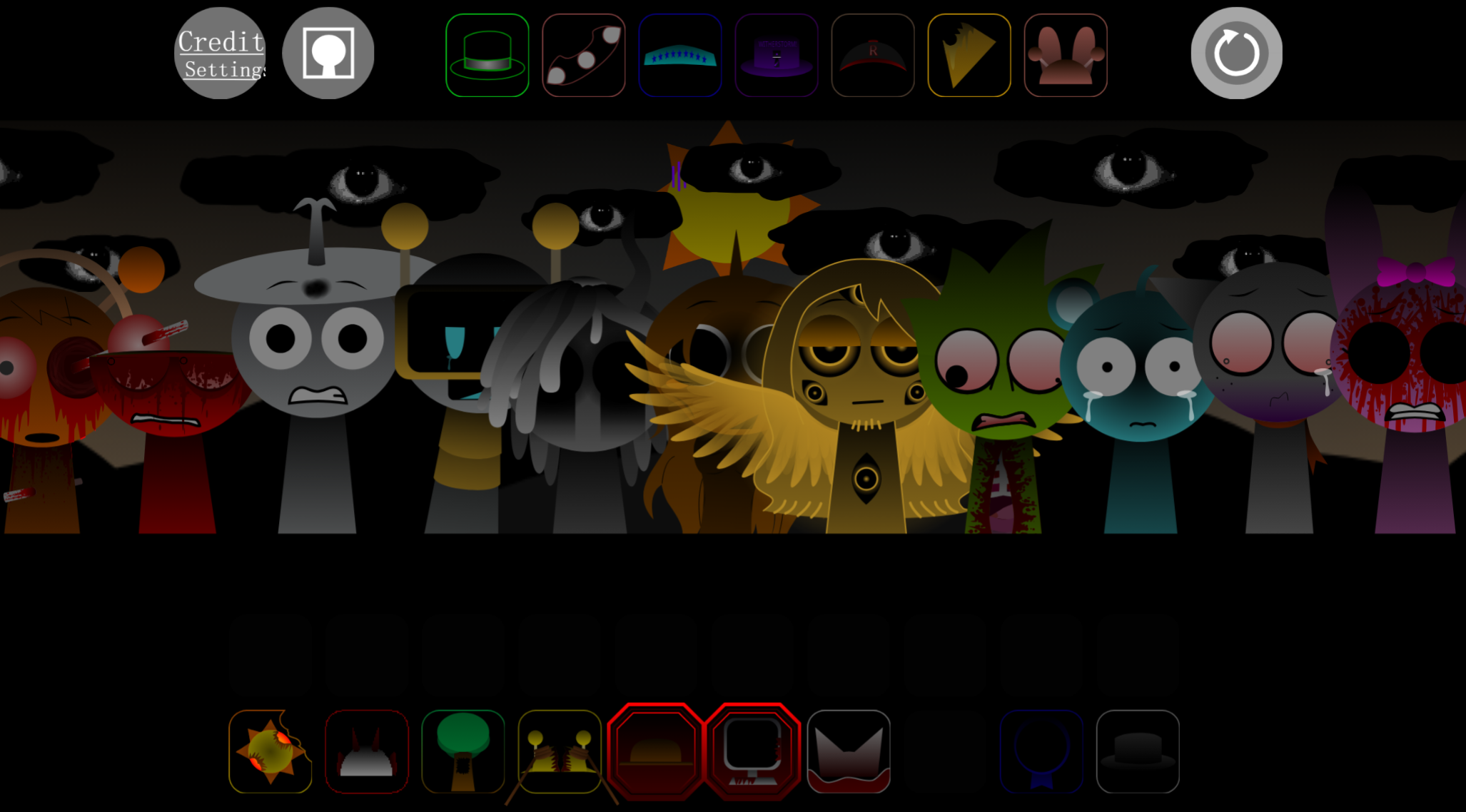
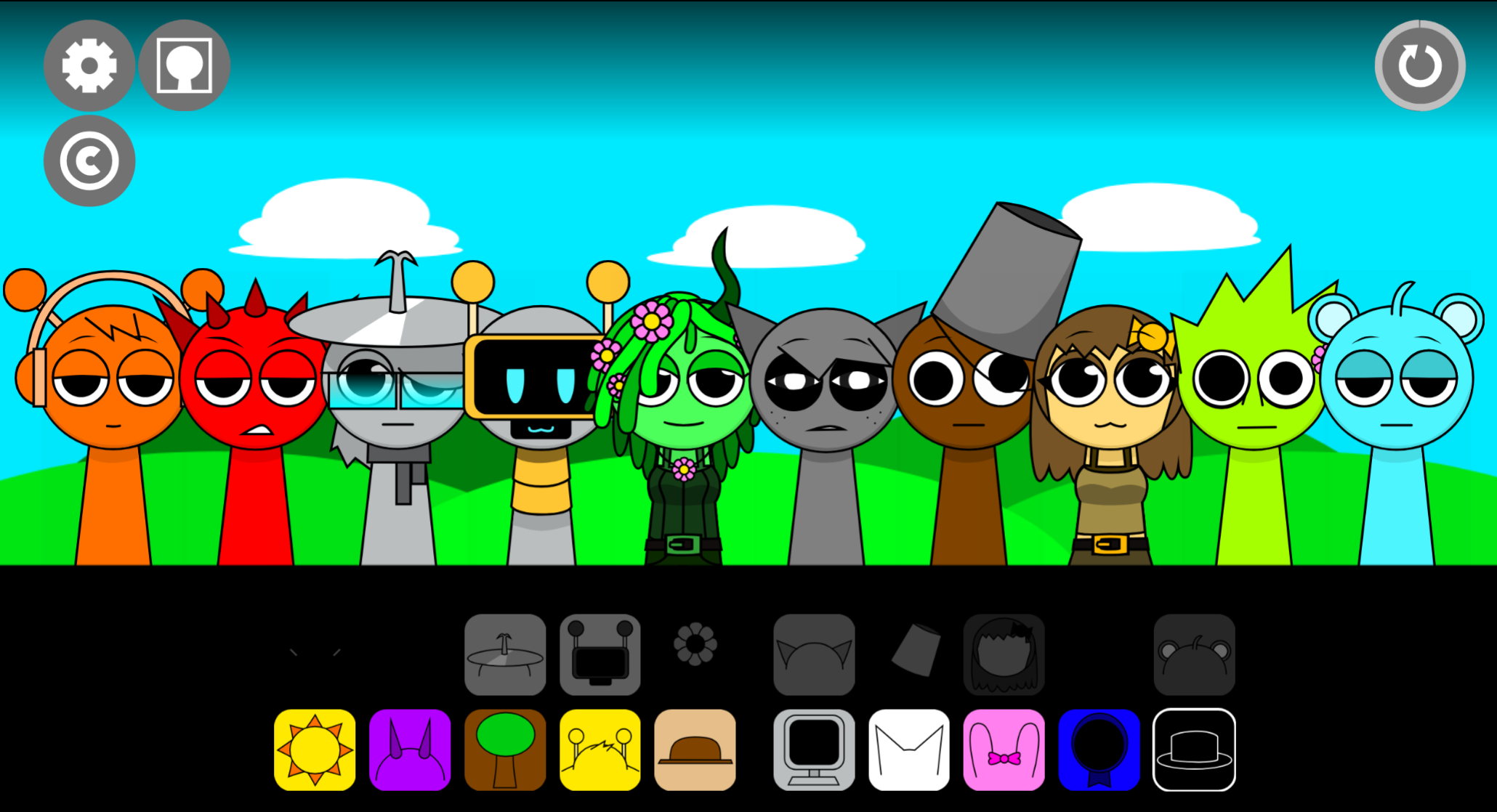
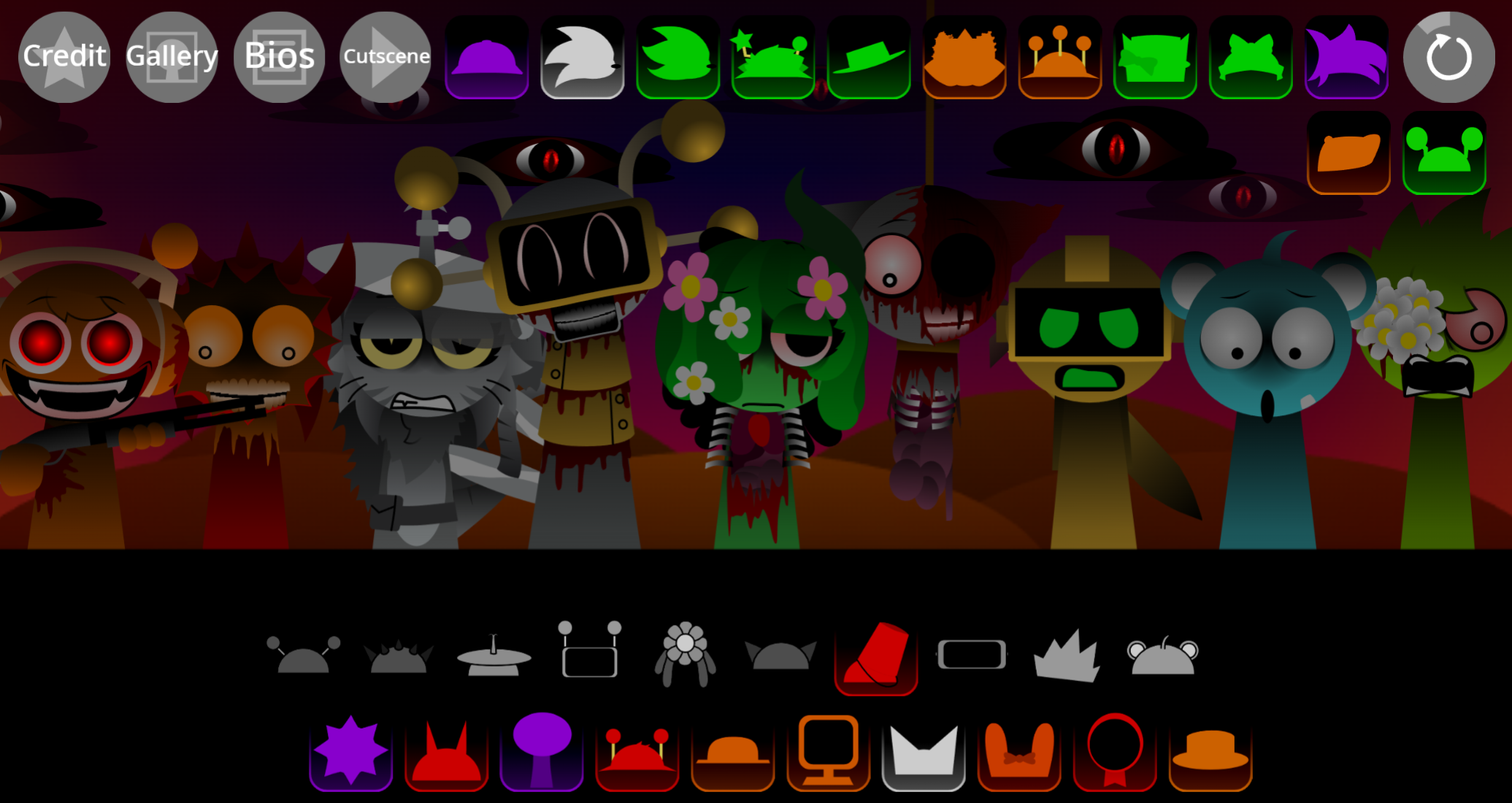
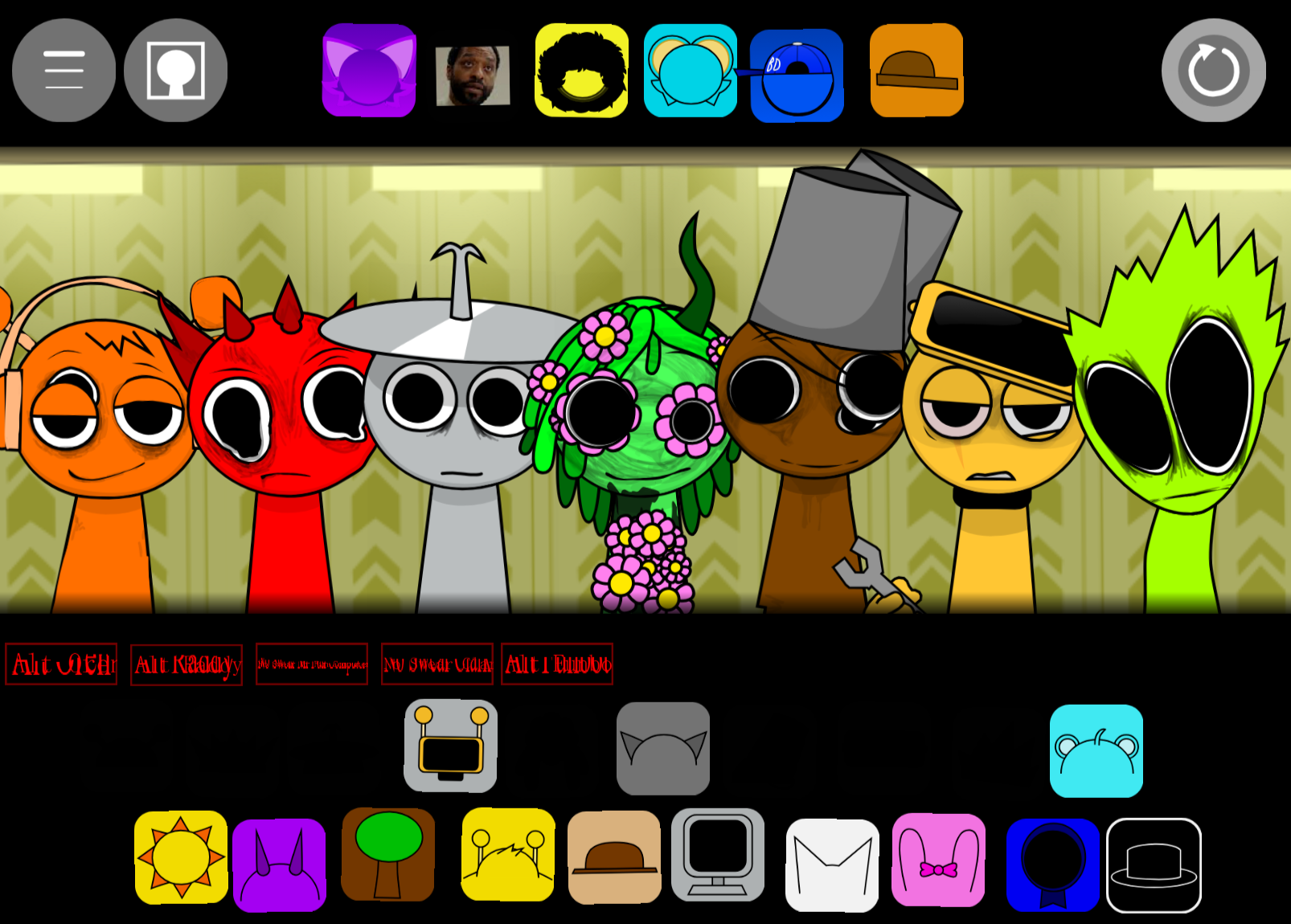
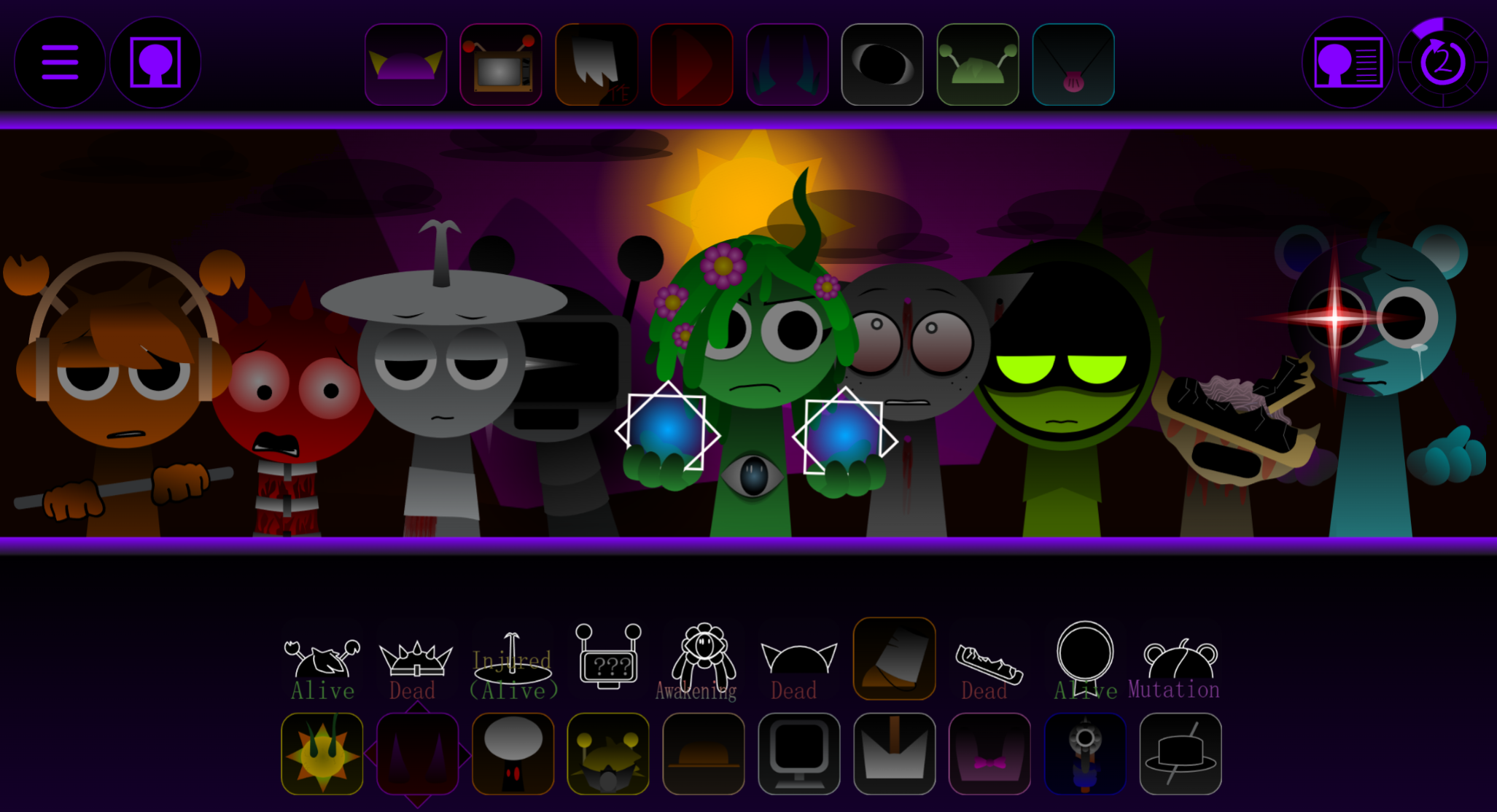
Sprunki Reversed Phase 4 But FPE is a fan-made mod that flips the audio logic of Phase 4 while layering in an FPE-inspired visual identity — the result is a version of Sprunki that sounds and looks structurally different from the base game, not just reskinned.
Every character plays back with reversed sound behavior, which means the mix you build responds differently from the first loop, and the FPE aesthetic changes how you read the stage at a glance. This article breaks down the features that make Sprunki Reversed Phase 4 But FPE distinct: how the reversed audio logic reshapes mix-building decisions, what the FPE visual layer actually changes in practice, and which Phase 4 elements carry over versus what the mod replaces entirely.
The focus is on concrete differences — the kind that affect how a session plays out — rather than surface-level comparisons to other Sprunki variants.
Features of Sprunki Reversed Phase 4 But FPE
Sprunki Reversed Phase 4 But FPE is a fan-made Mod that combines Reversed audio logic with an FPE-inspired visual identity. The result changes how you Play, how you build a Mix, and how the session feels from the first loop onward — it is not a cosmetic swap.
The Key feature is the reversed sound structure. Beats, vocals, and effects feel flipped, uneven, or deliberately off-center rather than clean and forward-driving. That makes layering more experimental than in a standard Sprunki session. Combinations that would sound stable in a normal build can turn tense, eerie, or jagged here, so short trial-and-error testing matters more than filling every slot at once.
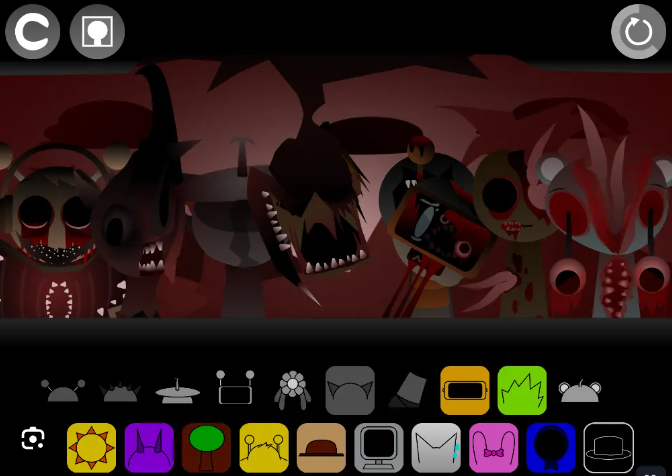
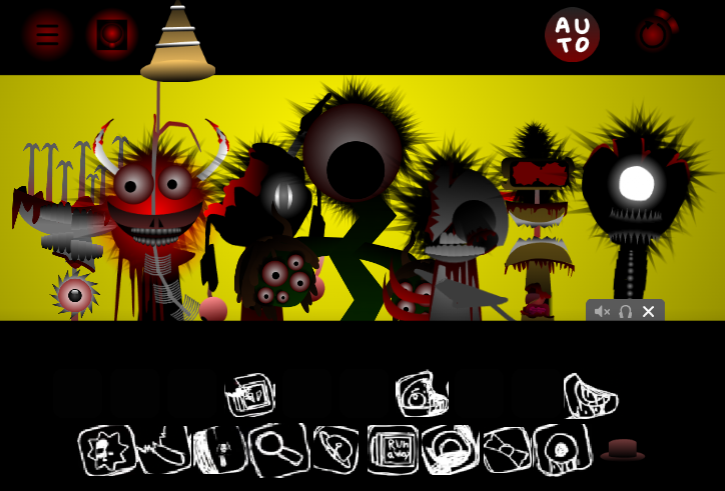
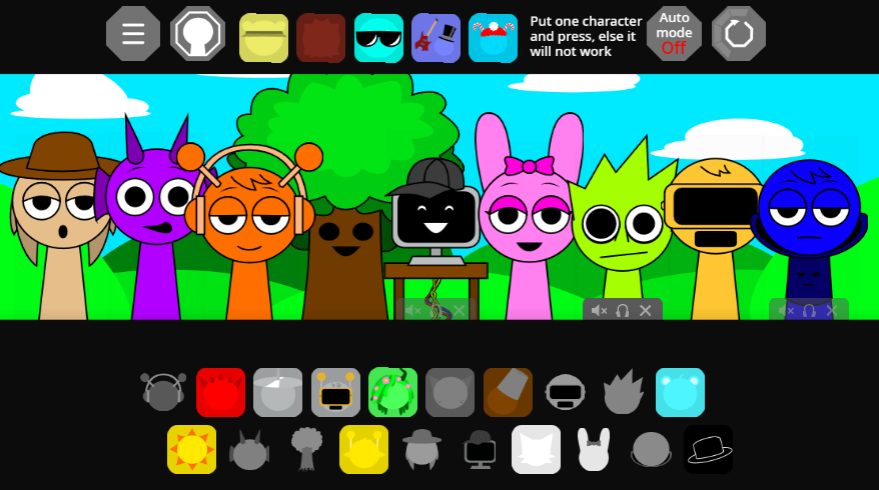
The “But FPE” side signals a themed crossover variant, not a standard phase continuation. Characters, icons, and the screen mood are reworked around a Fundamental Paper Education-inspired style — desaturated palette, glowing eyes, paper-themed presentation — giving the interface a more specific visual identity than base Phase 4. Players consistently point to these visual choices as a reason this version stands out before the audio even starts stacking.
The structure still sits on a recognizable Phase 4 foundation. If you know the usual browser-based Sprunki format, you can jump in quickly: drag icons onto characters, test layers, remove what clashes, and refine. The controls stay simple, but the reversed audio behavior makes the mixing process less predictable and more creative.
A few traits define this version most clearly:
- Reversed Phase sound design — Loops feel backward, unstable, or intentionally jarring, shifting focus toward timing, contrast, and unusual layering.
- FPE-based character and interface theme — The crossover styling changes more than surface decoration; it gives the whole session a distinct mood.
- Custom sound and character layering — Character choice affects both the tone of the soundtrack and the visual feel of the screen.
- Distinct from base Phase 4 — This keeps the core music-mixing loop while leaning harder into crossover presentation and experimental combinations.
- Quick browser-style access — Easy to load and test in short sessions, which fits the community habit of trying multiple builds fast.
Compared with Sprunki Reversed Phase 3, this version feels heavier and more visually tense. The atmosphere lands first; the harsher sound layering underneath defines the experience from there.
How to Play Sprunki Reversed Phase 4 But FPE
You build a track by dragging character icons onto the stage and listening to how each layer changes the overall sound. The rules are simple, but the Reversed structure rewards a slower build.
- Start with one character — Drag a single FPE-themed icon onto a polo and let the loop play by itself. Each character represents a specific sound, so one clean base makes the next choices clearer.
- Layer gradually — Add a second and third part instead of filling every slot at once. Reversed loops can clash quickly, so a slower build makes it easier to separate rhythm, atmosphere, and noise.
- Test combinations, not just quantity — The goal is not the loudest track. The real gameplay is finding pairings that create tension, balance, or a haunting tone without collapsing into clutter.
- Swap characters to control mood — If the track turns muddy or too aggressive, remove one layer and replace it. Fast swapping is often the most direct way to reshape a mix in a jarring Phase 4 variant like this.
- Work in short trial runs — Small changes reveal more than big resets. This Mod rewards frequent adjustment over careful linear planning.
No musical training is needed. The challenge comes from listening closely, not from learning a complex system.
How to Mix FPE Beats
Treat the Beats like puzzle pieces rather than stacking everything at once. The FPE presentation helps you track which character is active, but your best guide is still the audio.
- Pick a simple beat first — Start with one loop that feels readable on its own. That gives you a clear anchor for the rest of the arrangement.
- Add layers one at a time — Bring in a second rhythm, then a melody or effect. Reversed loops often feel sharp or off-balance, so gradual layering helps you catch clashes early.
- Pair rhythm and melody carefully — A reliable test setup is one beat loop, one effect, and one melodic layer. If the track turns muddy, swap one part out before adding anything else.
- Watch transitions during quick swaps — Short character changes reveal whether two loops connect smoothly or grind against each other. This matters more here than in a standard forward-flowing build.
- Balance the final arrangement — If the version includes volume or effect controls, use them to keep the mix readable before saving or sharing.
A useful rule for this Mod: if a layer sounds interesting alone but confusing in a stack, the problem is usually the interaction, not the sound itself.
What Changes from Standard Phase 4?
The crossover matters most when you compare it with a normal Phase 4 session. The controls stay familiar, but three differences show up fast:
- The loops feel less stable. Reversed timing makes familiar layers land in stranger, more tense ways.
- The FPE theme changes how you read the screen. Character design and interface mood give the session a much more specific crossover identity.
- Short test runs matter more. Because the mix can turn muddy quickly, this version rewards quick A/B swaps instead of filling every slot at once.
If you already know standard Phase 4, that difference is the point: same basic input, much less predictable output.
Related Games
- Sprunke Reversed Phase 3 definitive — This is the clearest follow-up because the article directly contrasts Phase 4 with Reversed Phase 3, letting players hear how the newer phase intensifies the flipped-beat structure.
- Sprunki REVERSED Phase 2.5 Definitive Fanmade — It matches the same reversed-audio experimentation focus, making it useful for comparing how earlier fanmade reversed mixes handle layering before Phase 4’s denser sound.
- Sprunki Wenda Treatment Dandys World Style — This is a strong aesthetic companion pick because it also leans on a distinct style swap, appealing to players who like seeing Sprunki’s music-mixing format re-skinned around a specific crossover theme.
What Makes Sprunki Reversed Phase 4 But FPE Stand Out?
The clearest reason Sprunki Reversed Phase 4 But FPE stands out is that it changes both sides of the session at once: the reversed audio behavior makes layering less predictable, and the FPE crossover gives the screen a much stronger visual identity than a basic palette swap.

Discuss
Loading comments...
Failed to load comments. Please try refreshing the page.