
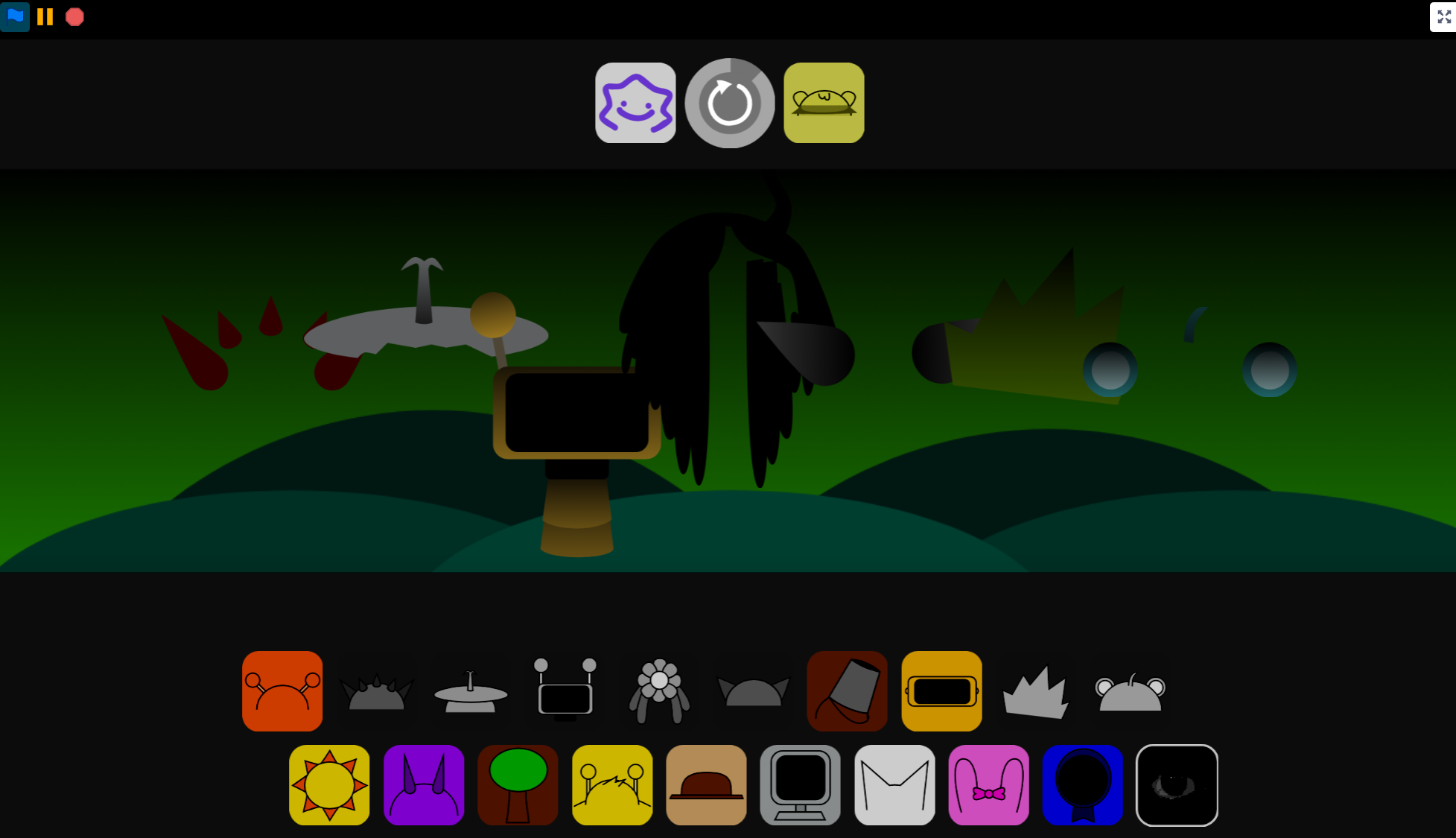

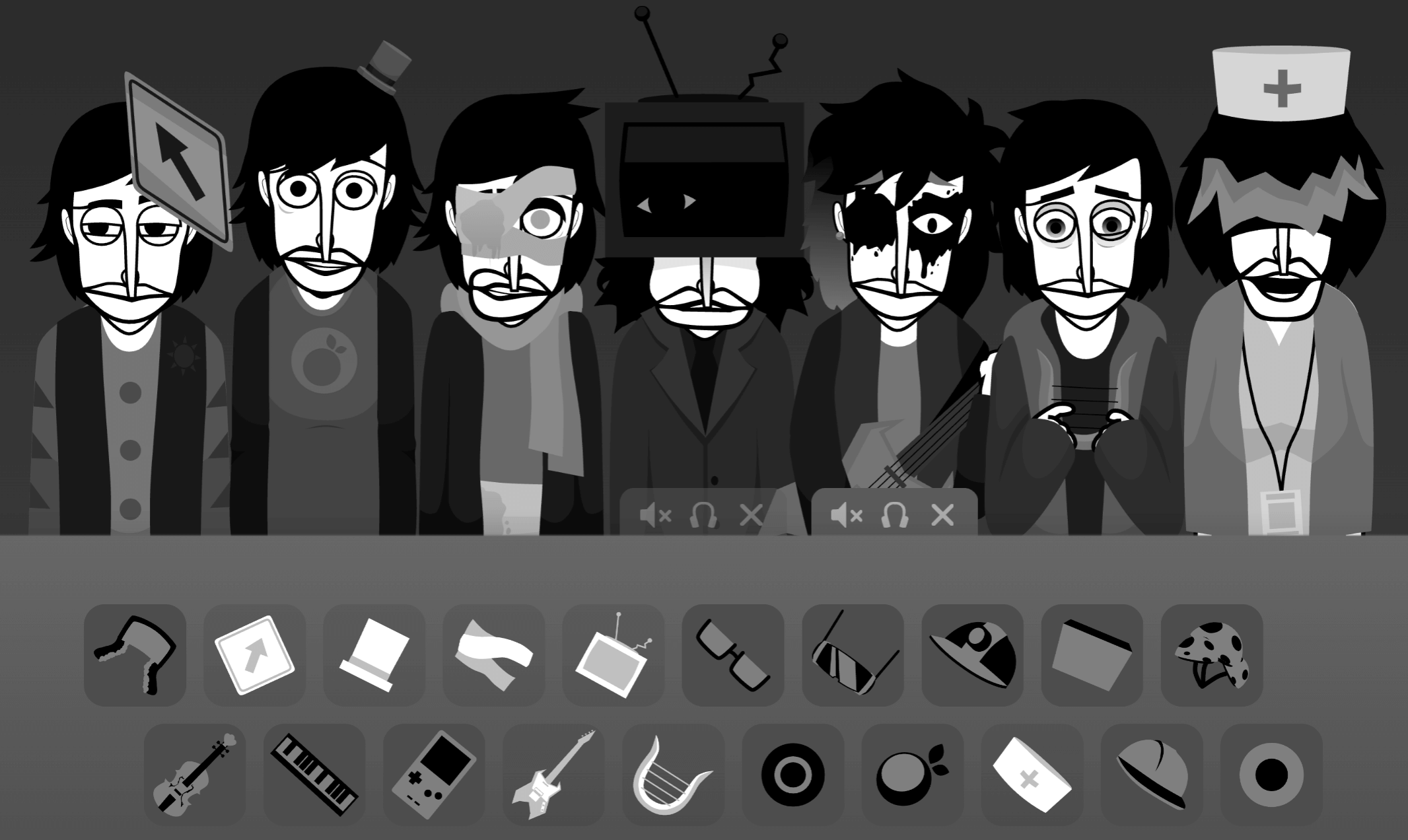
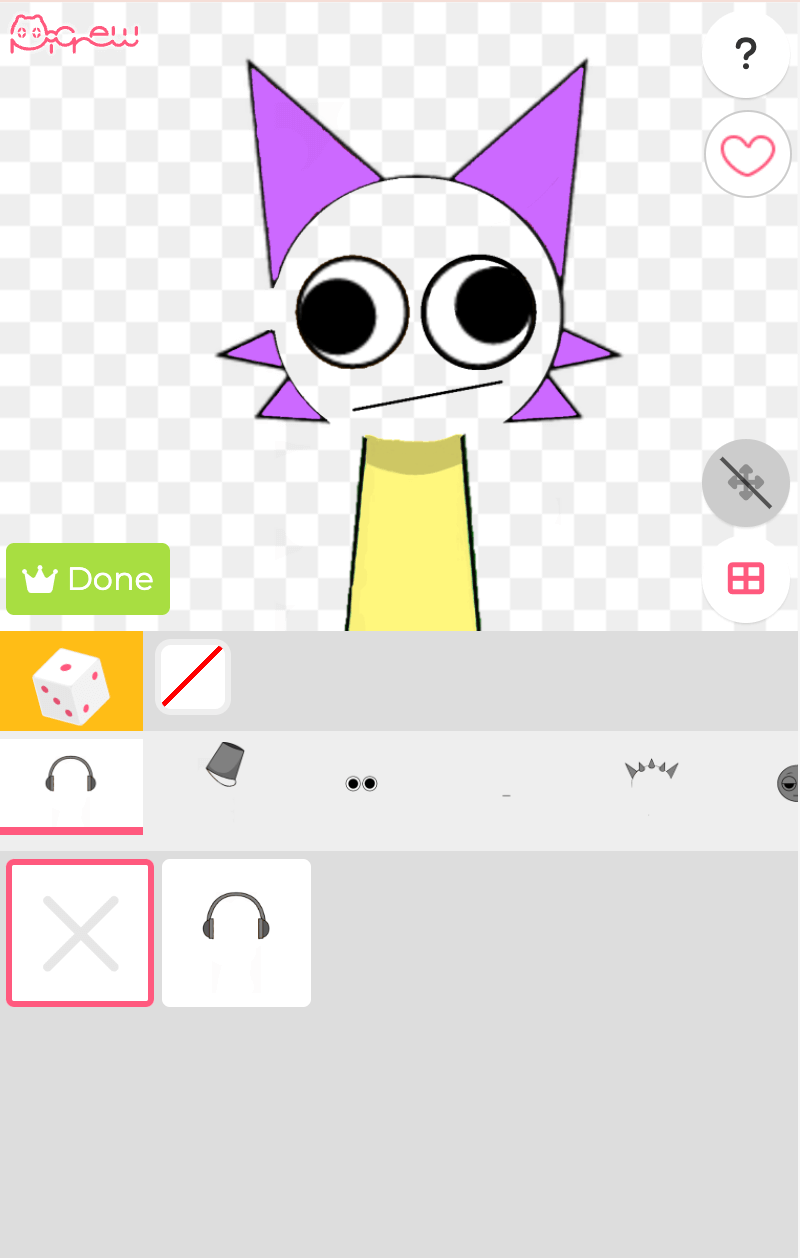
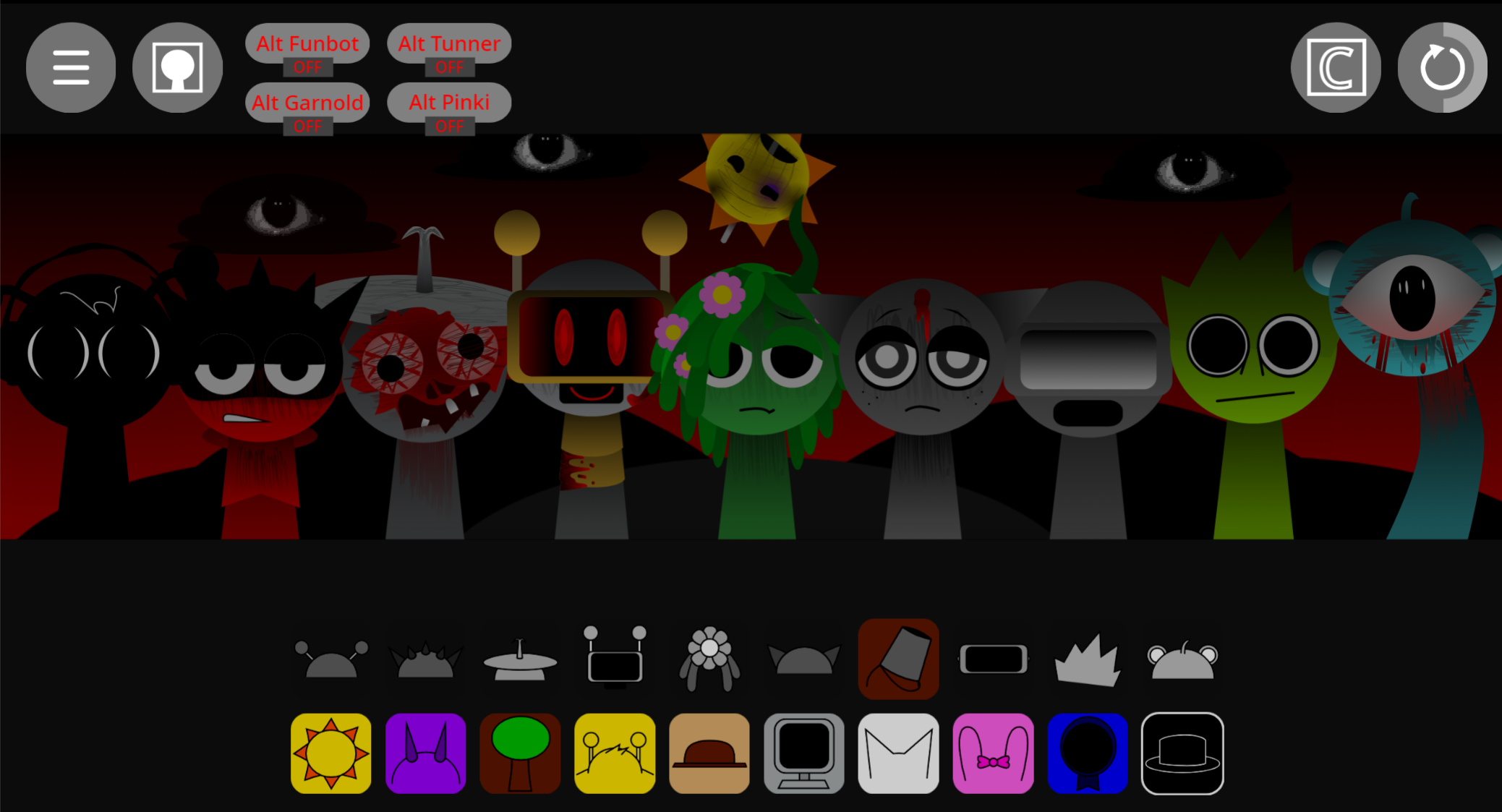
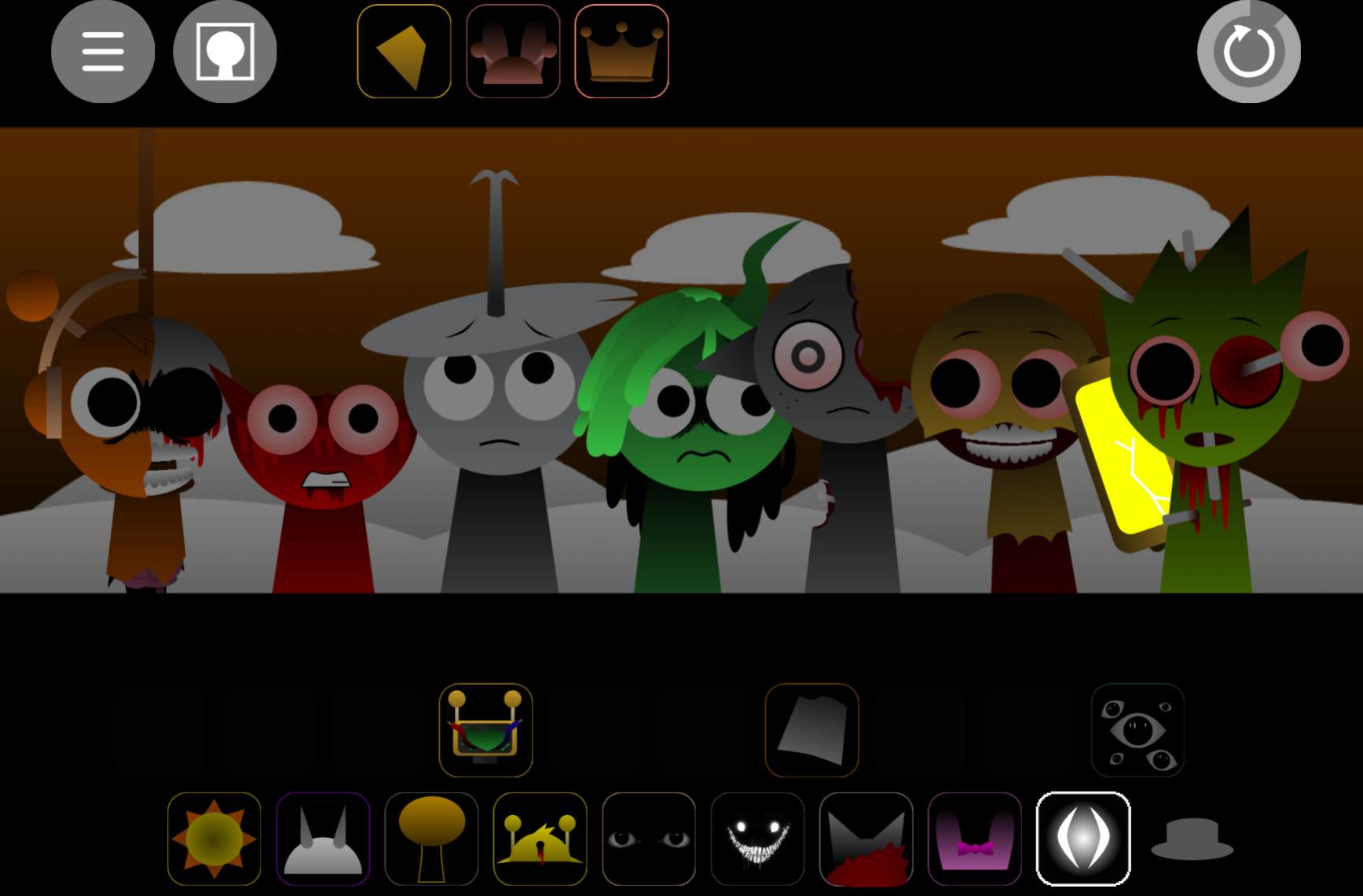


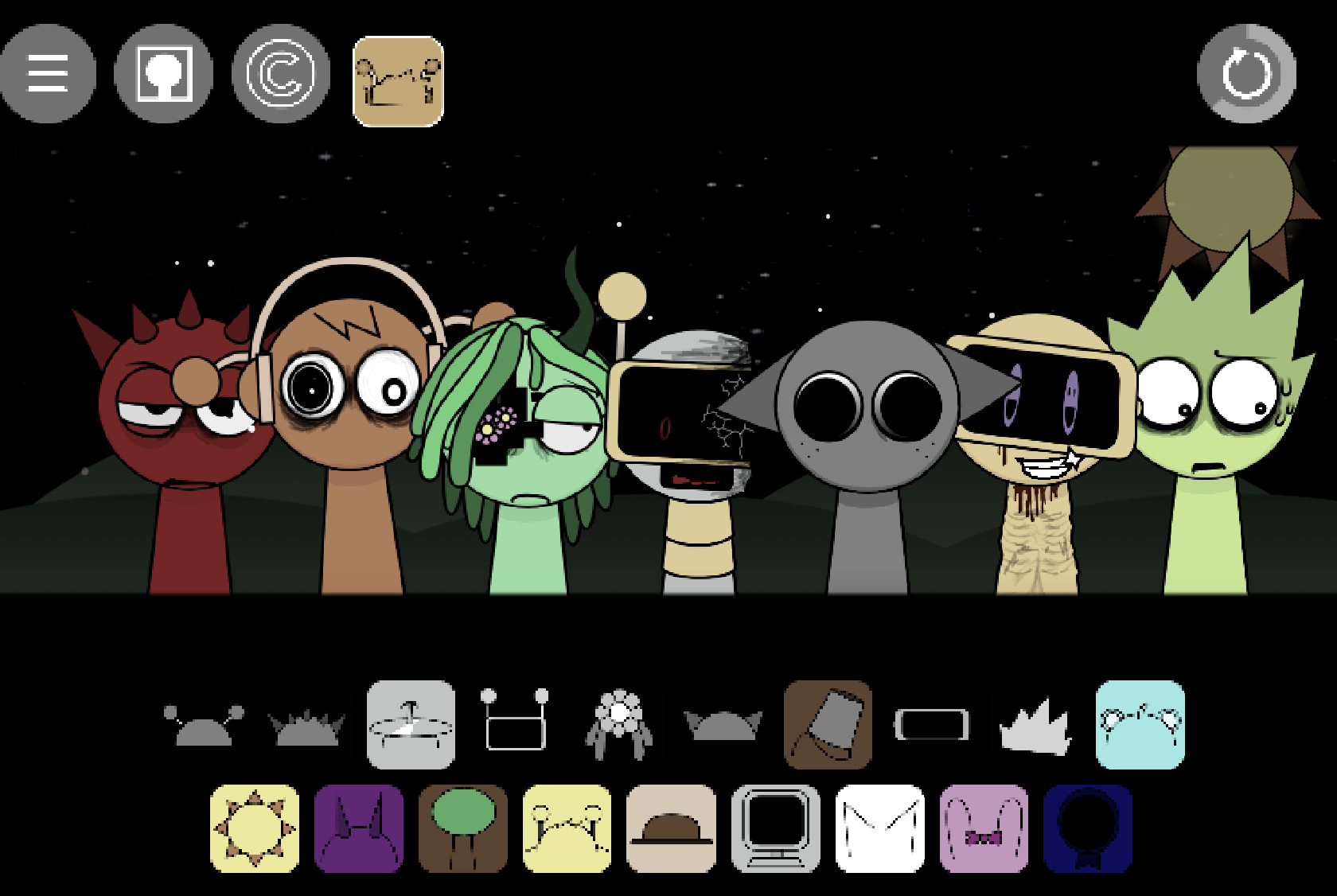
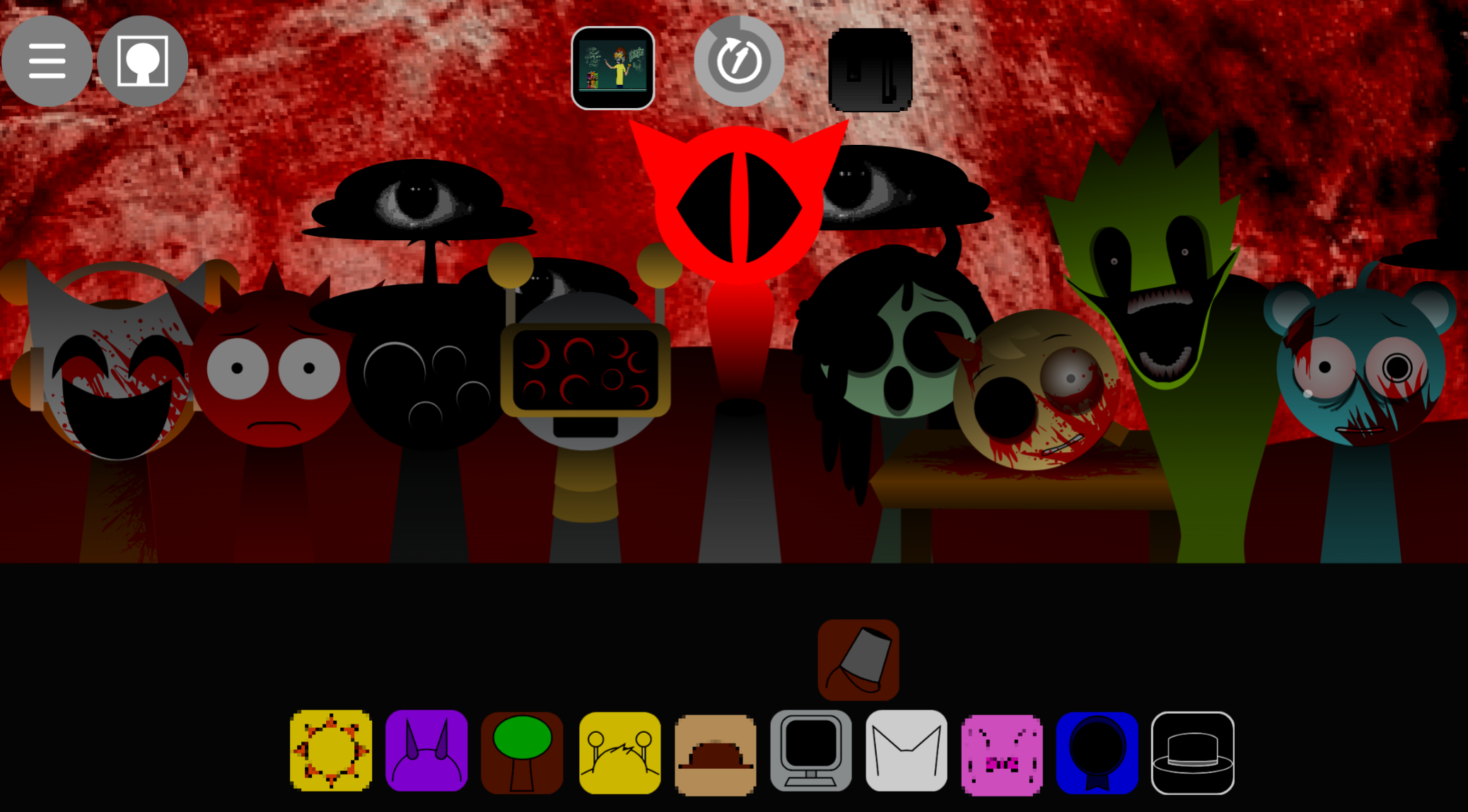

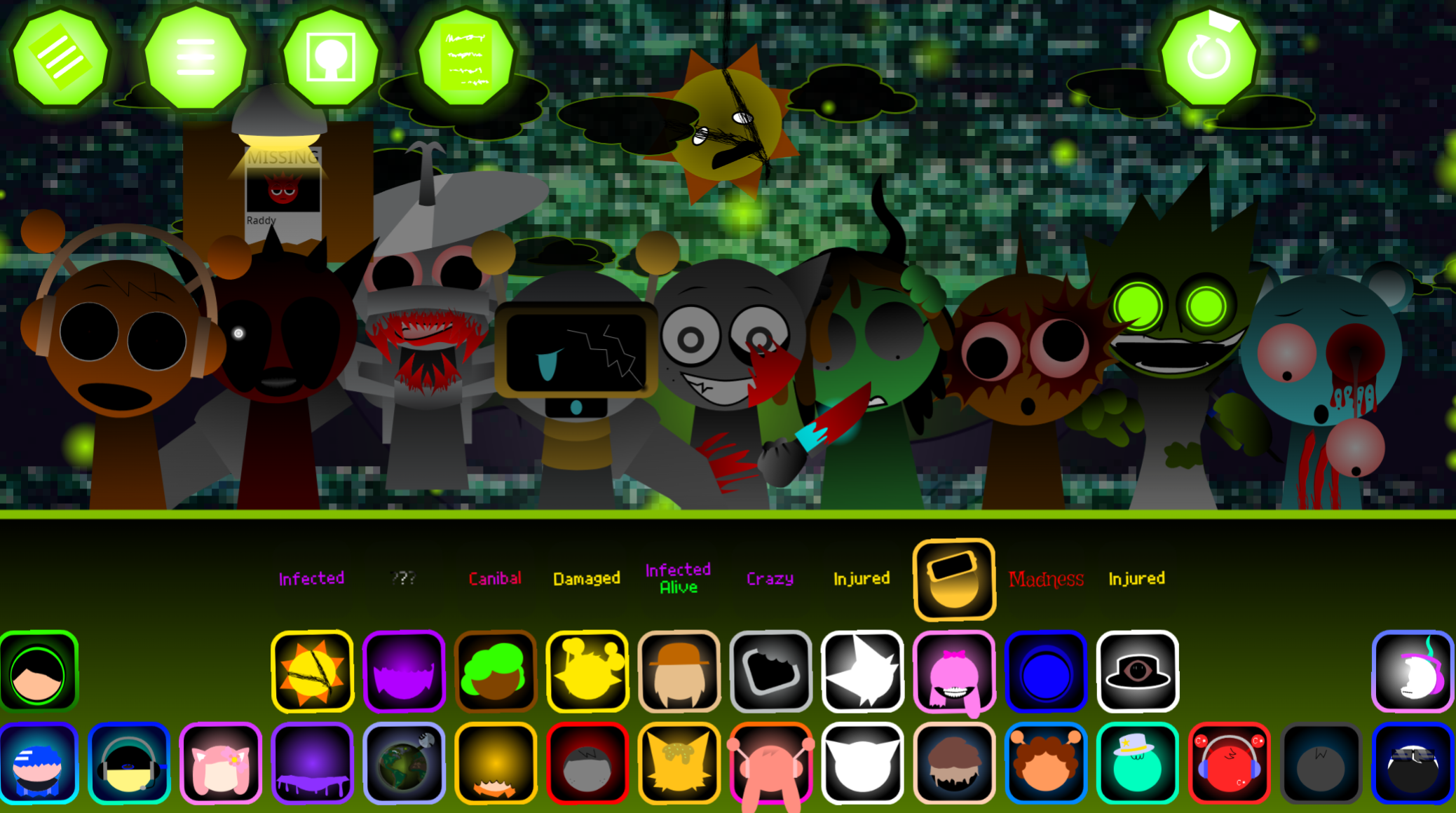
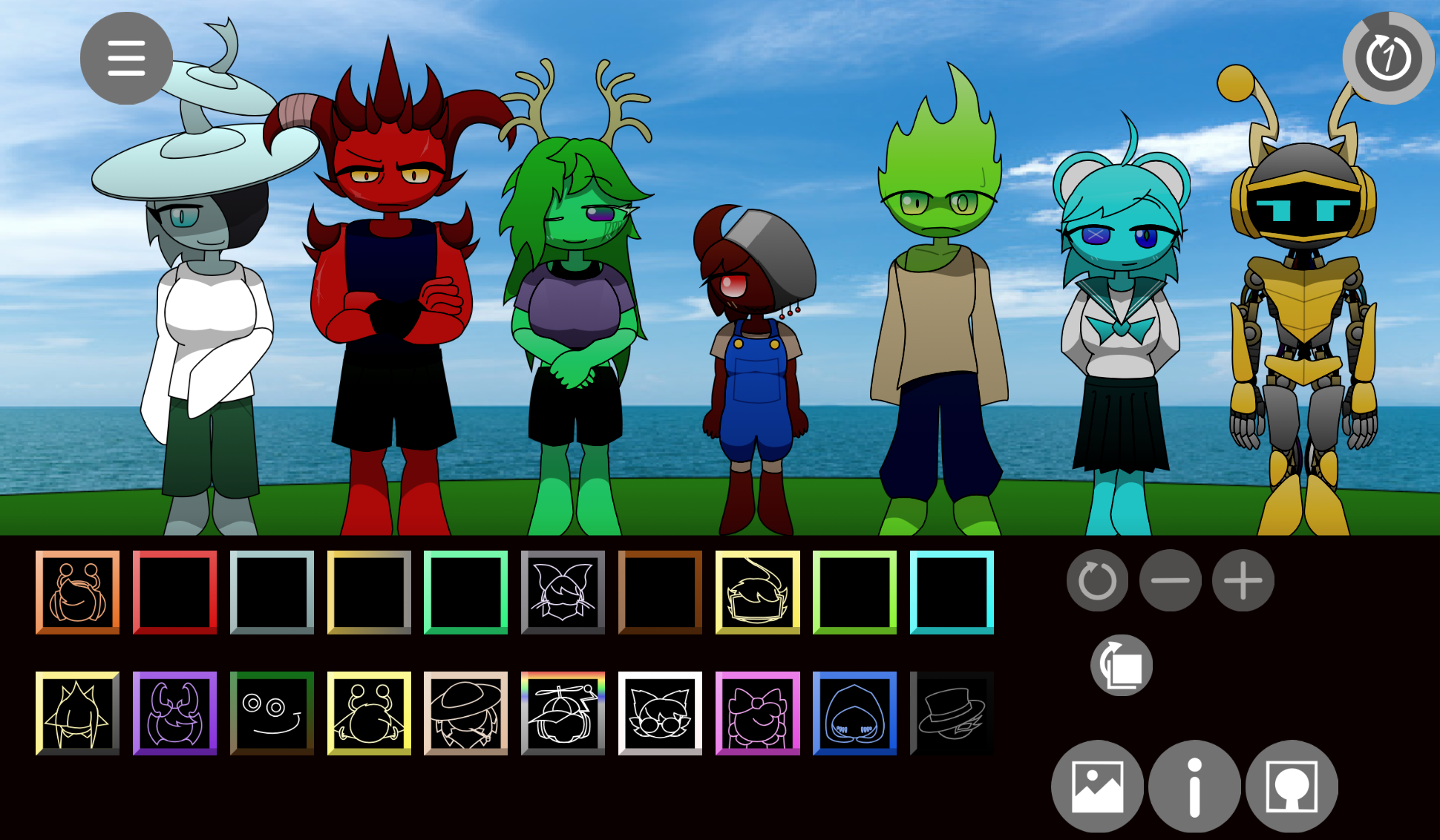

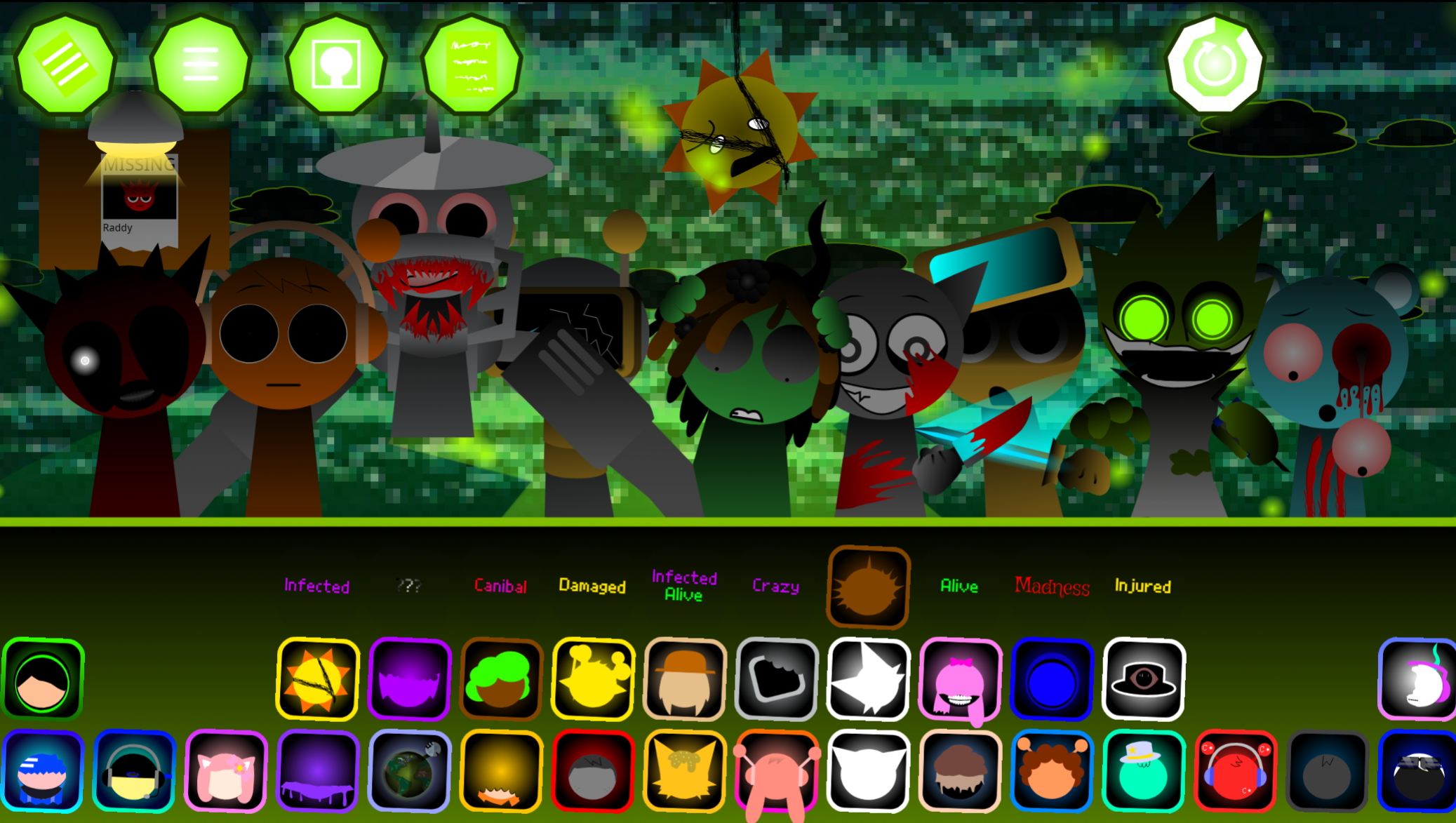
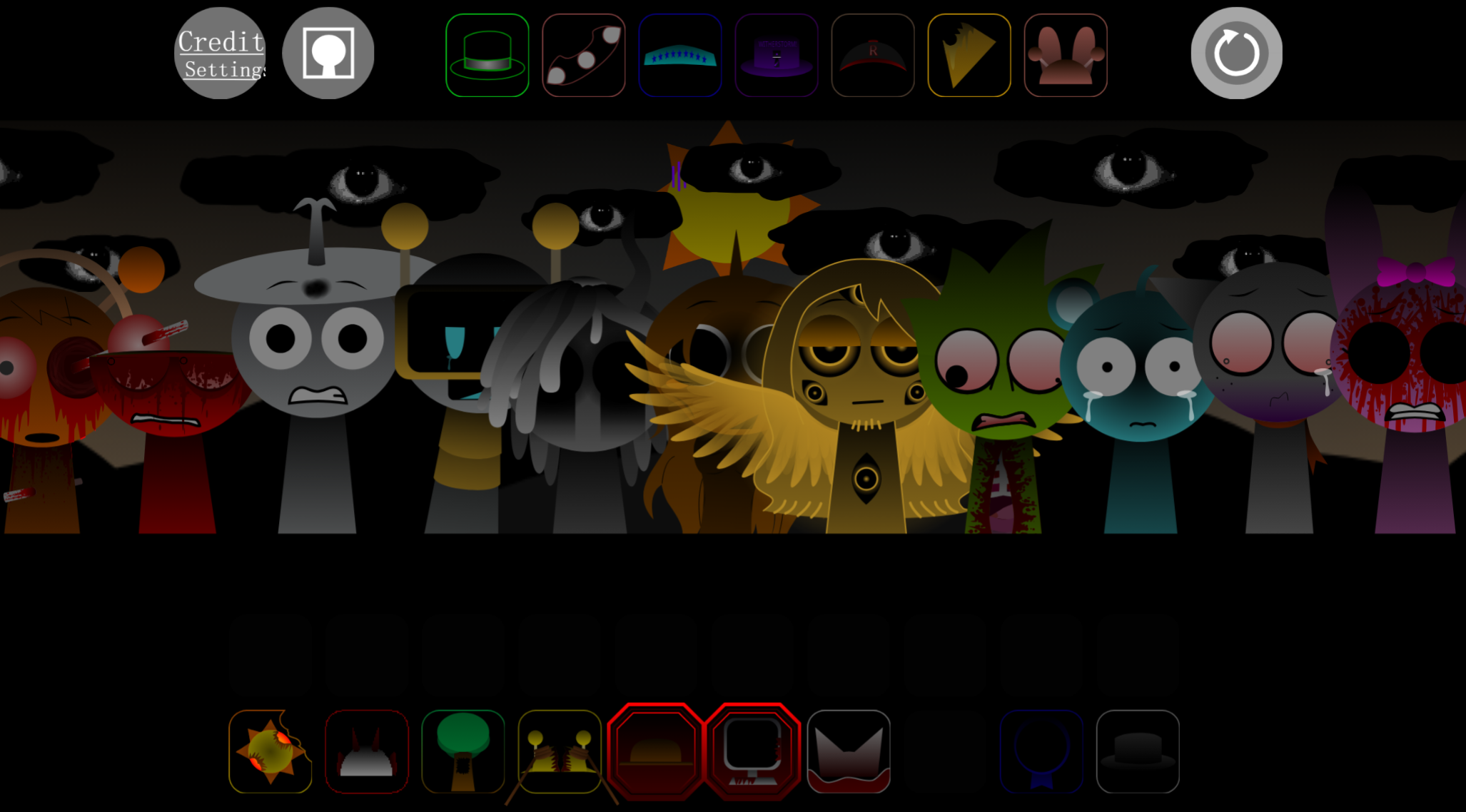
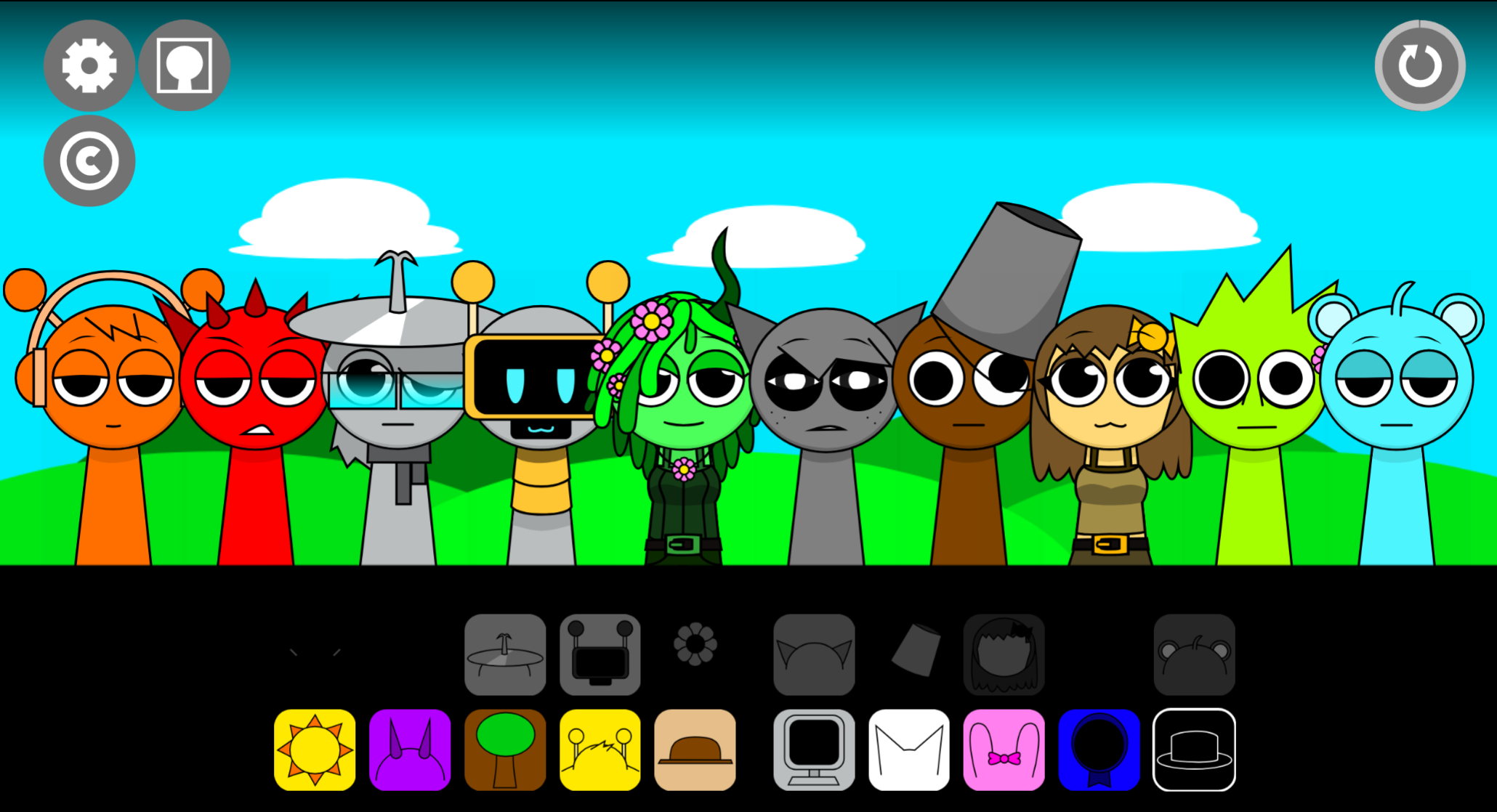
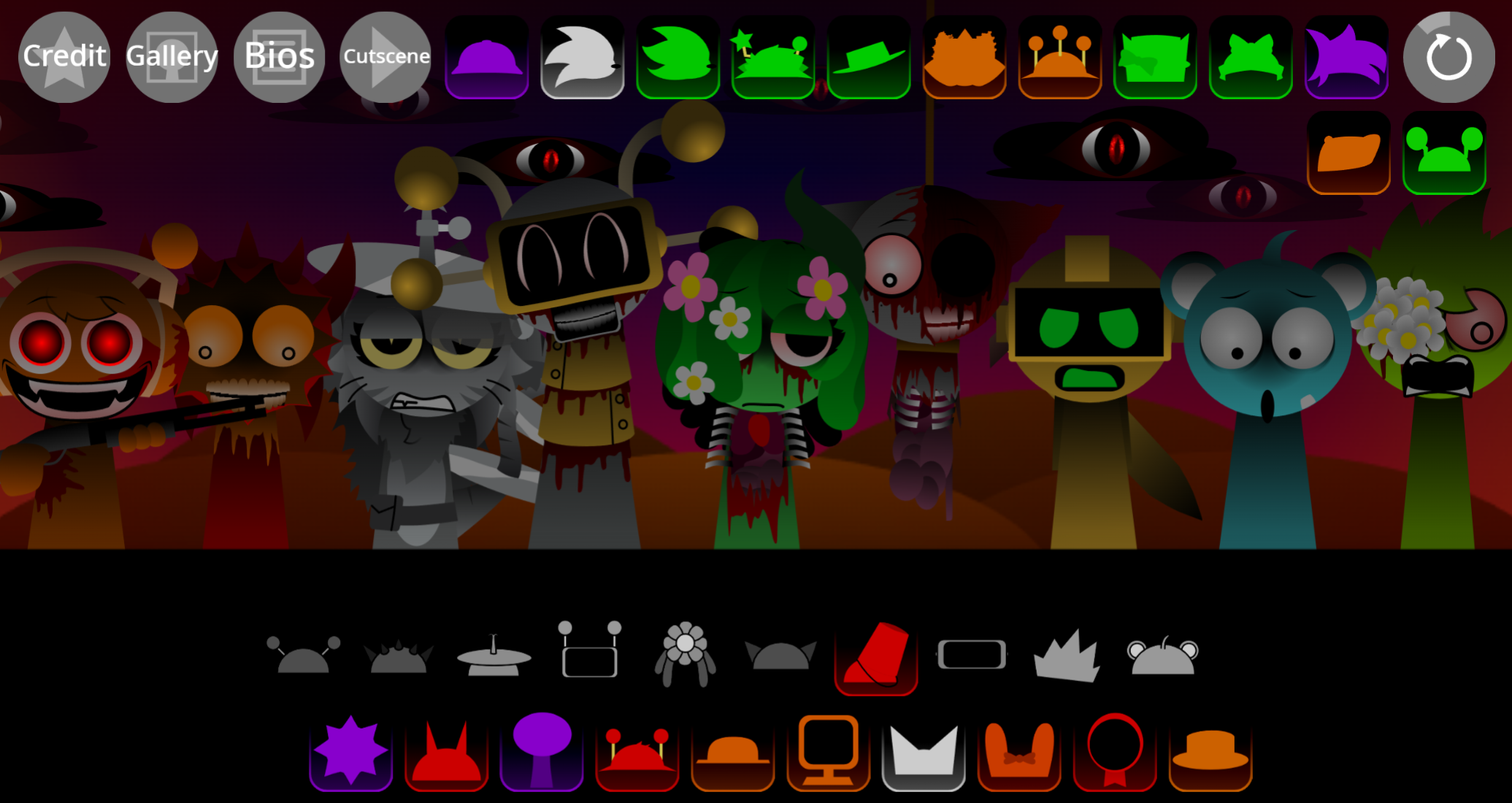

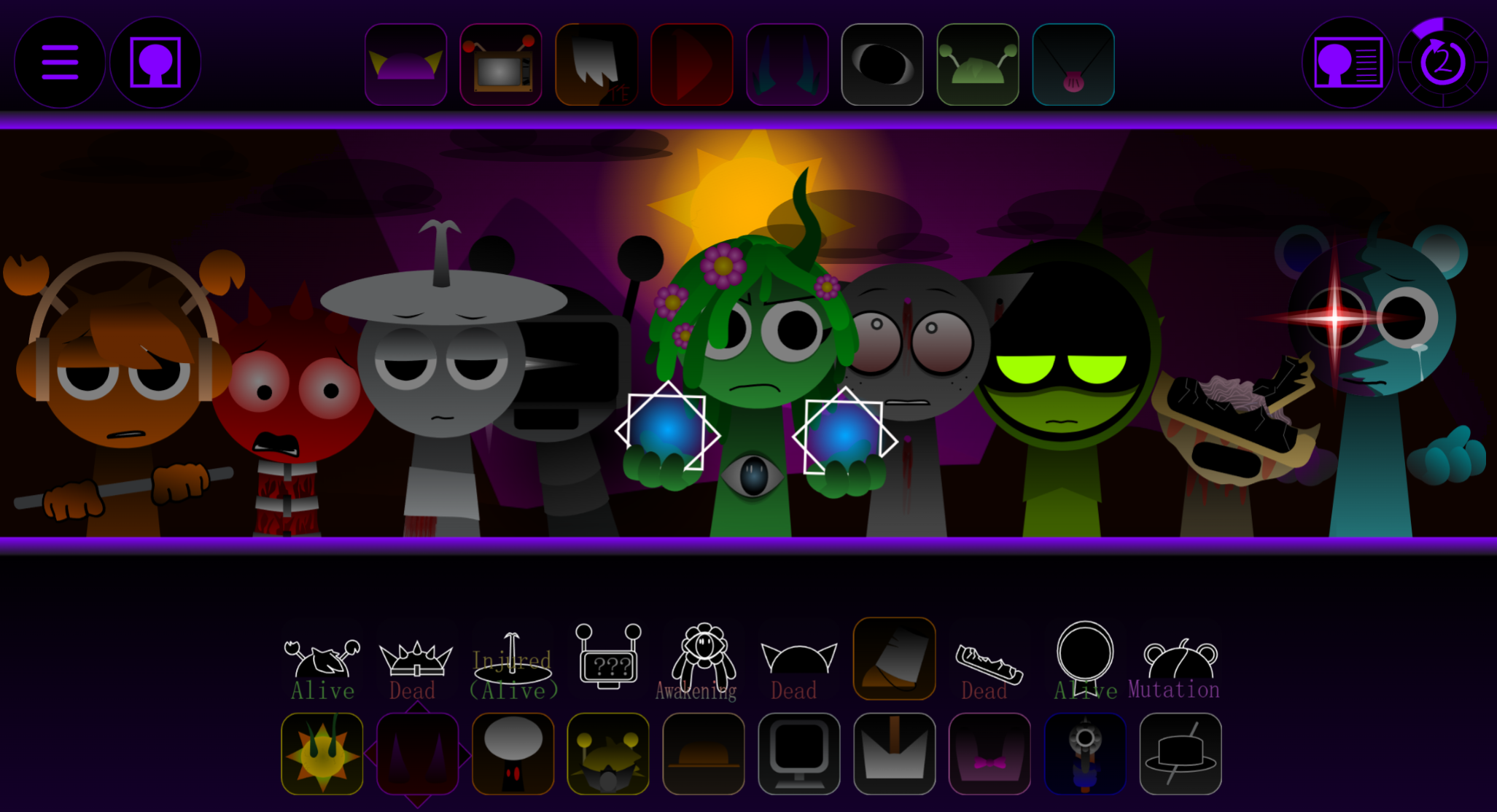
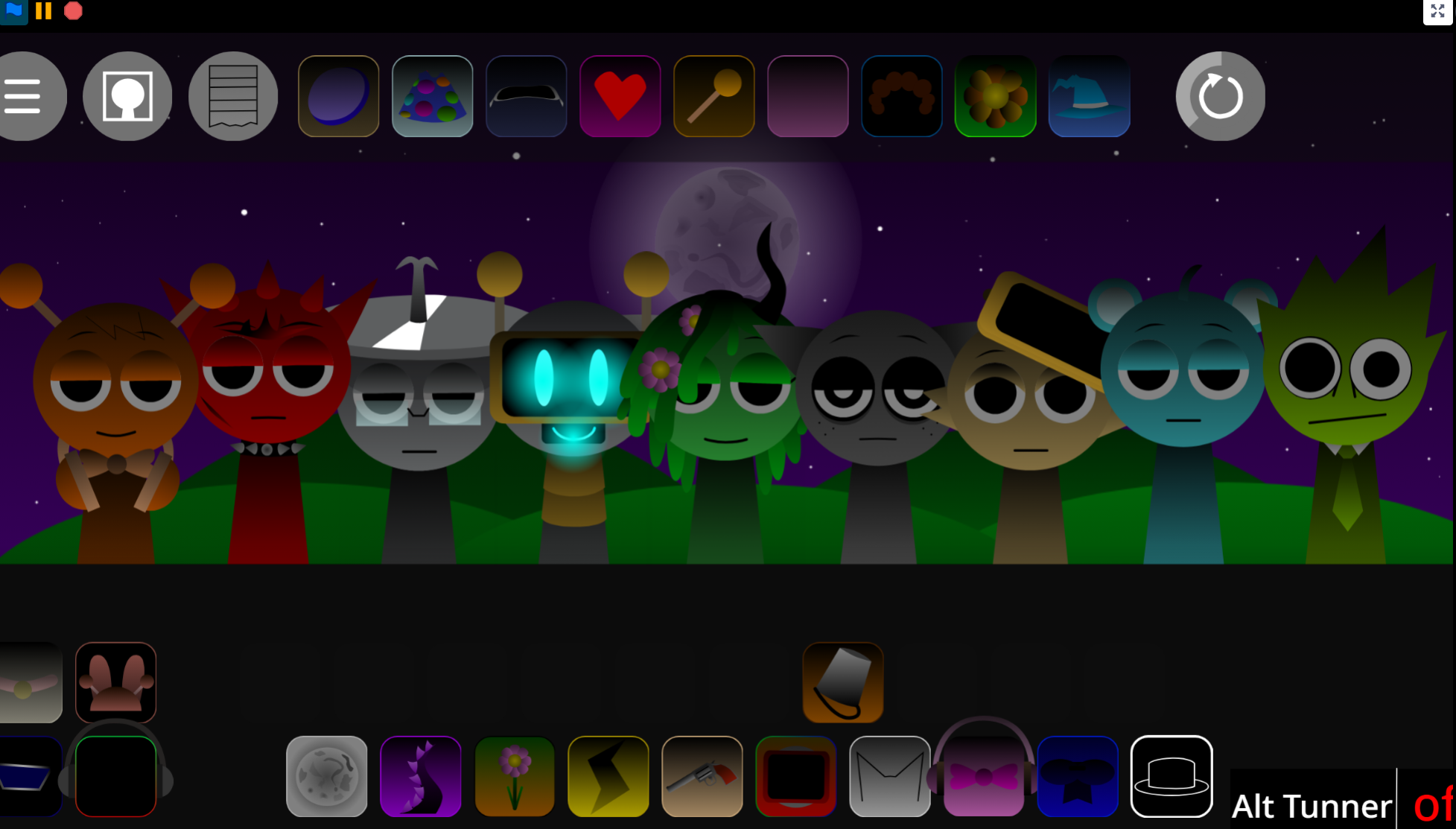
Sprunki 5 Shifted With Only Accessories is a constrained variant of the Sprunki Shifted format where character identity changes are delivered exclusively through hats and add-ons rather than full model replacements.
That single rule — accessories only — is what separates it from a generic reskin: the base silhouettes stay intact, so the original characters remain readable while the Shifted scramble plays out entirely on top of them. This breakdown focuses on what that constraint actually produces in practice.
Because the accessories carry the full weight of the identity shift, each hat and add-on has to work harder than it would in a standard variant, and the design choices become easier to isolate and evaluate.
Features of Sprunki 5 Shifted With Only Accesories
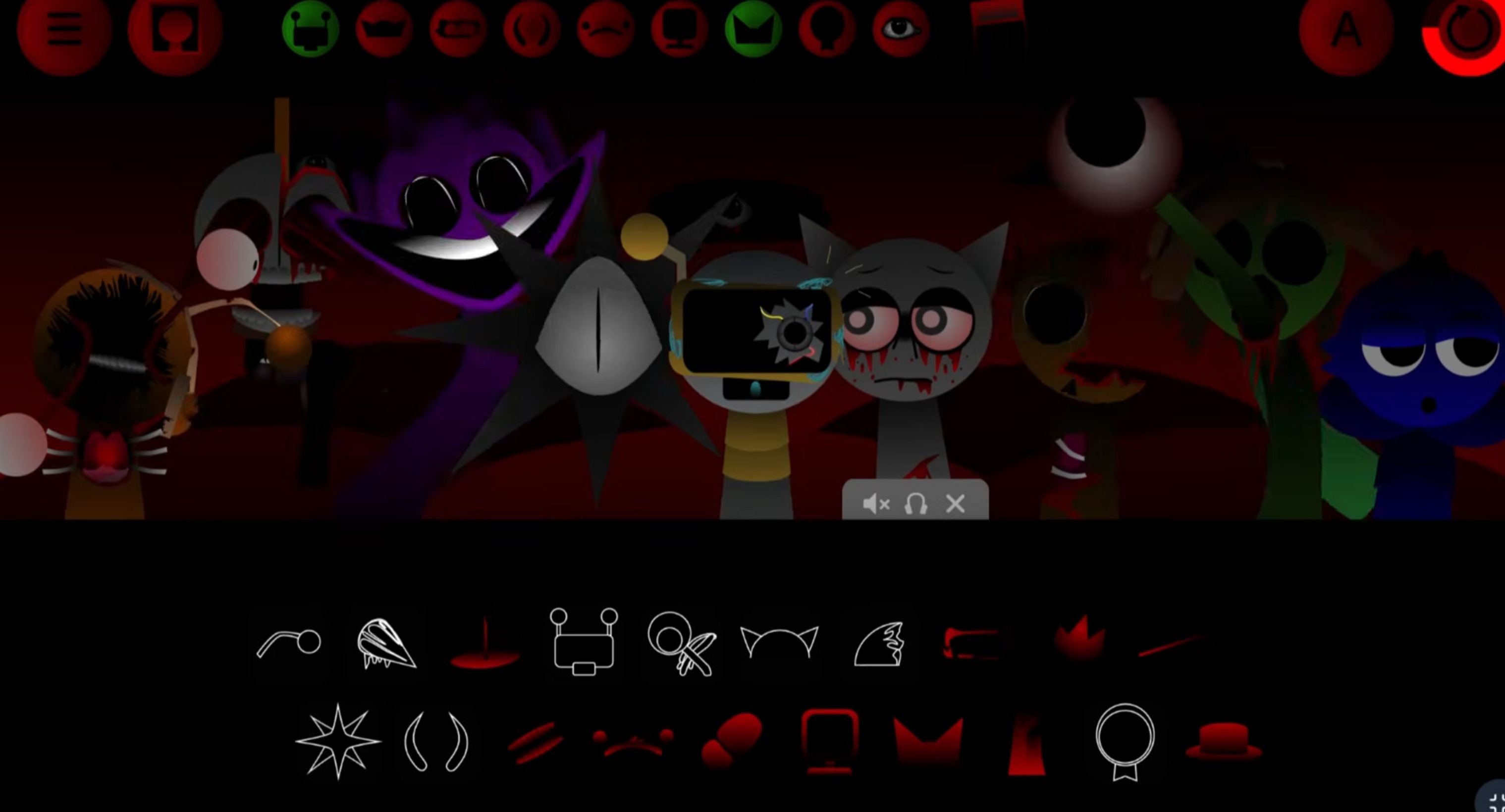
Sprunki 5 Shifted With Only Accesories is built around one strict rule: every character is shifted five positions to the right. That five-slot jump produces full role reassignment across the Phase 5 roster — a familiar face can suddenly carry a completely different beat, melody, or effect. The accessories-only presentation rule keeps the original silhouettes readable while the identity scramble plays out through hats and add-ons rather than total model replacement. Creator @FurbyCore released this as V1.0, and the clearest example of how far the system pushes things is Pinkmon becoming Gentra — a different audio role and a different visual read, not just a cosmetic swap.
What separates this from standard Shifted variants is the size of the jump. One- or two-position shifts produce mild role changes. Five positions produces harsher reversals, and pairing that with an accessories-only rule means the base silhouettes stay recognizable while the mismatch between appearance and audio role becomes more noticeable, not less.
Key Shifting Features
The five-slot jump is what makes this version more than a light remix. Every character is displaced far enough to create real role reversal, so a face that once suggested one kind of loop can suddenly carry a completely different beat, melody, or effect.
The accessories-only rule matters because it keeps the base roster readable. Full redesigns can hide the trick, but here the familiar silhouettes make the mismatch easier to see, compare, and remember. That creates a cleaner screen, stronger role confusion, and a mod that teaches its own logic the longer you experiment with it.
In practice, the appeal is not just novelty. It is the way the mod lets returning Phase 5 players feel how much a role shift changes the whole mix without removing the visual anchors they already know.
This is why the accessories-only rule has more value than it first appears to. By preserving the base shapes, the mod lets experienced Phase 5 players measure the reassignment directly instead of losing the comparison point. You can look at the roster, predict what should happen, hear something else, and then adjust your mental map. That makes the remix useful not only as a novelty but as a clearer demonstration of how shifted design changes decision-making inside a familiar phase.
How to Play Sprunki 5 Shifted With Only Accesories
The play loop stays close to normal Sprunki. You still drag characters into the active mix using the standard placement system. The difference is that you have to stop trusting surface recognition: an accessory-marked character may look familiar while delivering a beat, melody, or effect you usually associate with someone else.
The easiest way to learn the mod is to build short mixes and test each assumption one by one. Start with a familiar-looking character, hear what role it actually performs, then add a second layer that would normally pair with it and listen for how the five-slot shift breaks that expectation. Examples like Pinkmon becoming Gentra matter because they show the rule at its clearest: the design still feels readable, but the function has moved.
This creates a more focused kind of confusion than heavier redesign mods. There is less visual clutter, but there is also a stronger disconnect between what a character looks like and what it actually contributes, which is exactly why the mod works as a learning tool instead of just a novelty gag.
Getting Started with Character Shifting
This variant makes the most sense when you approach shifting as part of the creative loop rather than as a menu gimmick. Launch the relevant Phase 5 version, expect recognizable silhouettes with accessory edits, and treat every pick as a role check instead of a cosmetic choice.
Once that mindset clicks, the mod becomes easier to read than many heavier redesigns. The accessories give you just enough warning that something changed, while the preserved silhouettes let you compare old expectations against new sound roles in a way that is surprisingly good for learning the shifted roster.
A practical way to enjoy the mod is to treat each short session like a roster study. Build a simple loop, note which familiar-looking pick produces the biggest mismatch, and then test whether that reassigned role works better as your anchor or your disruption layer. Because the visuals stay readable, you can learn faster than in mods that fully redesign every character. The fun comes from turning recognition into a wrong assumption, then correcting it through play.
Related Games
- Sprunki 5 Shifted Retake New Update — This is the closest follow-up because it keeps the same five-slot displacement concept while offering another take on how shifted identities alter character sounds and visual roles.
- Sprunki Anti Shifted Phase 5 Mr As Take — Players intrigued by role-reversal mixing will find a strong contrast here, since the anti-shifted Phase 5 setup explores scrambled character assignments from the opposite direction.
- SPRUNKI MSI but anti shifted phase 3 — This is a useful next click for anyone who wants another MSI-style remix where familiar characters no longer match their expected audio functions, emphasizing the same memory-testing puzzle feel.
Who Will Get the Most Out of This Mod?
This version is most rewarding for players who already know how Phase 5 usually sounds and want a cleaner way to study role reassignment. Because the silhouettes remain readable, every mismatch teaches you something quickly instead of hiding the trick behind a full redesign.
If you mainly want wild visual changes, the accessories-only rule may feel understated. But if you enjoy recognizing familiar characters while relearning what each slot actually does, this is one of the clearer and more deliberate takes on shifted design.
It is also an easy recommendation for players who like system clarity more than spectacle. Instead of burying the idea under chaotic redesigns, it isolates the rule and lets the roster logic do the interesting work, which makes the mod easier to learn, compare, and talk about after a few sessions.

Discuss
Loading comments...
Failed to load comments. Please try refreshing the page.