

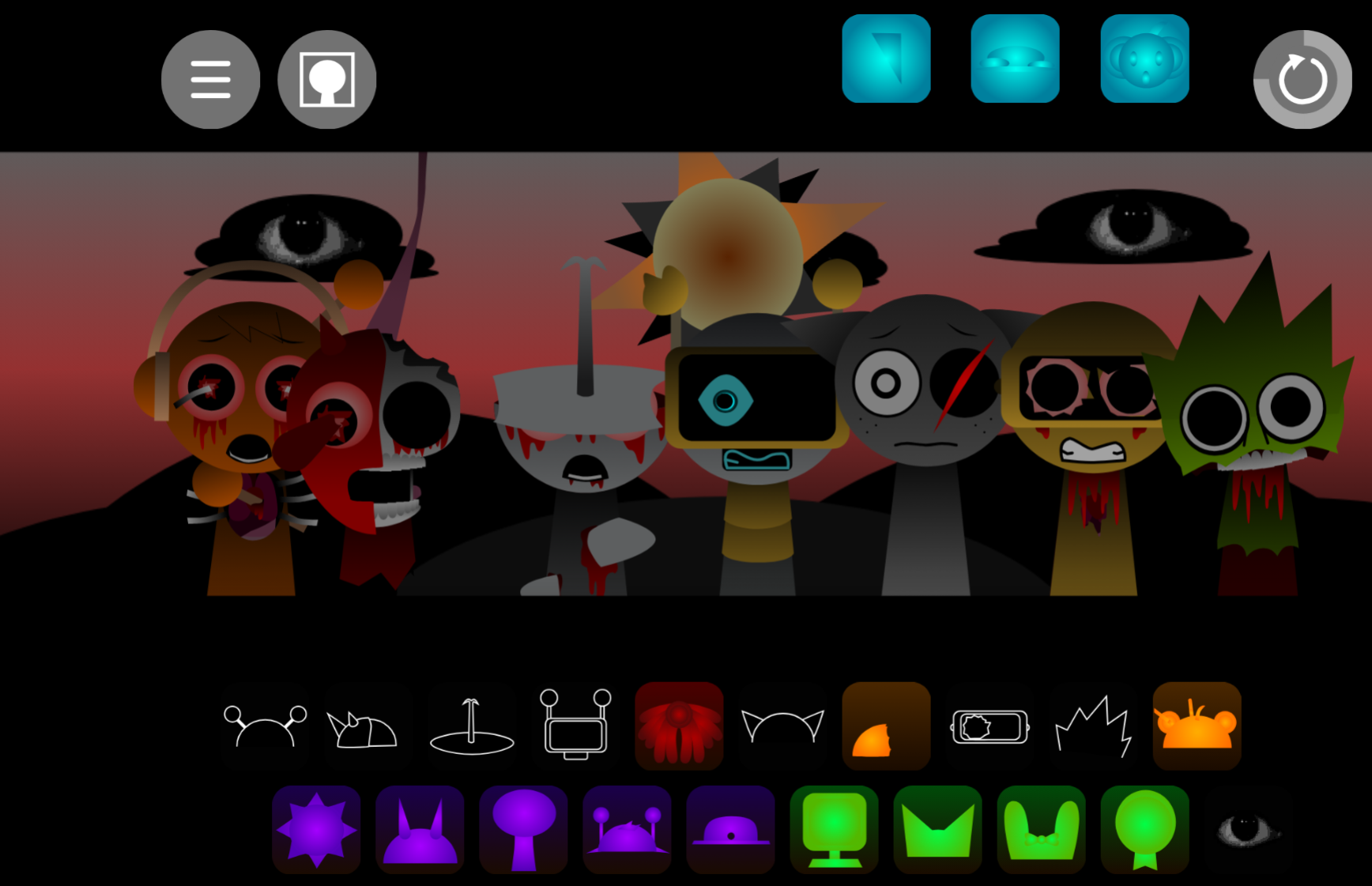
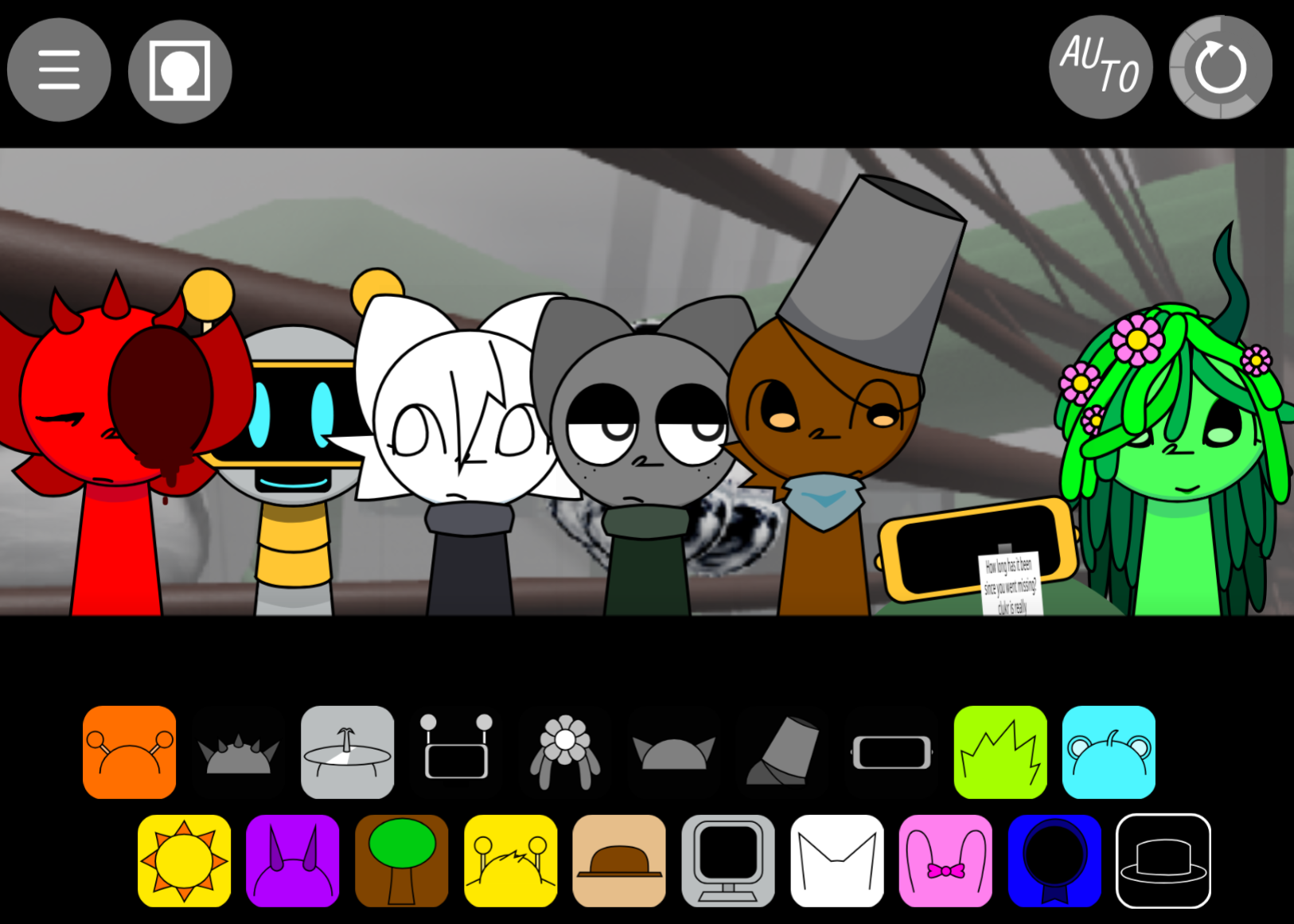
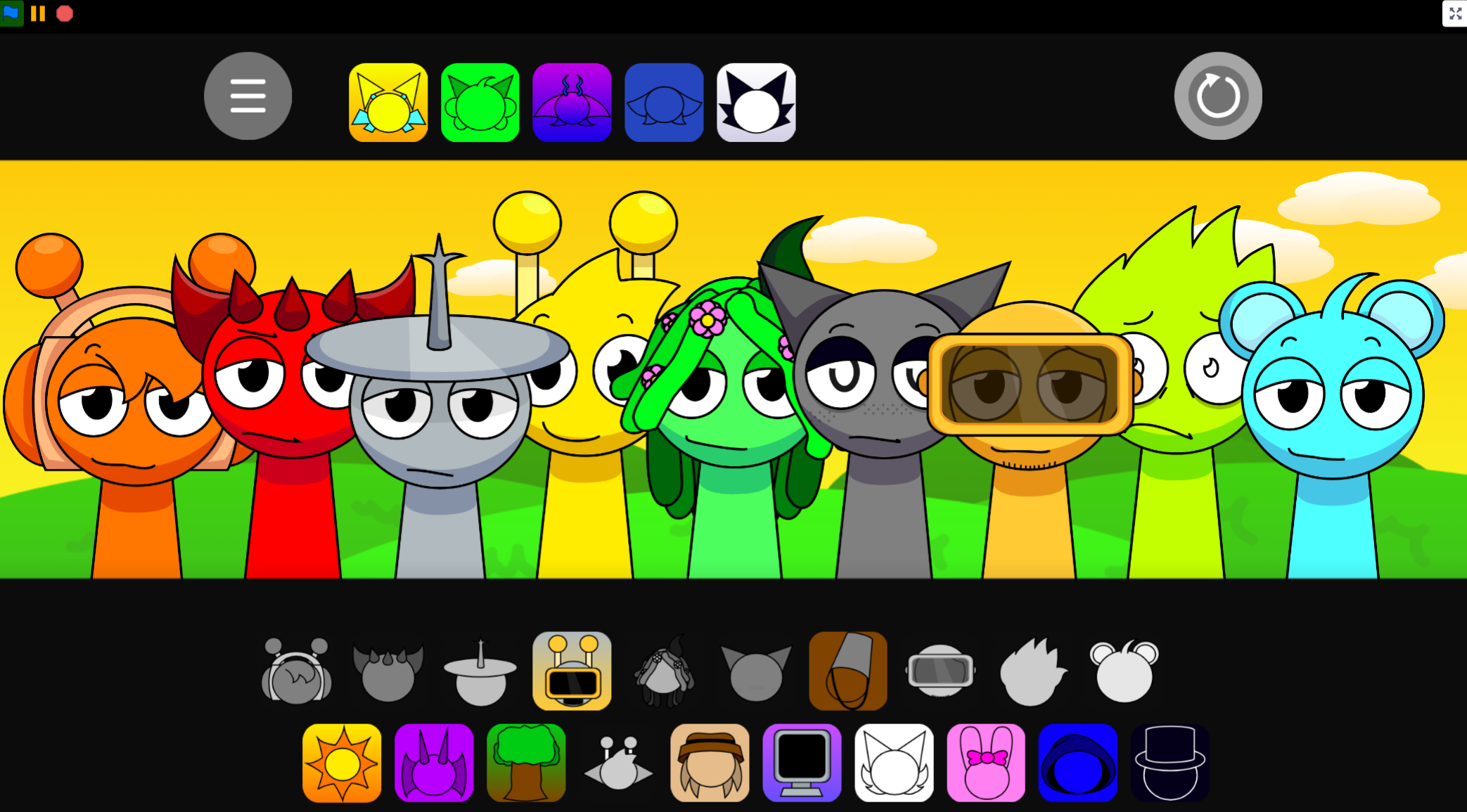
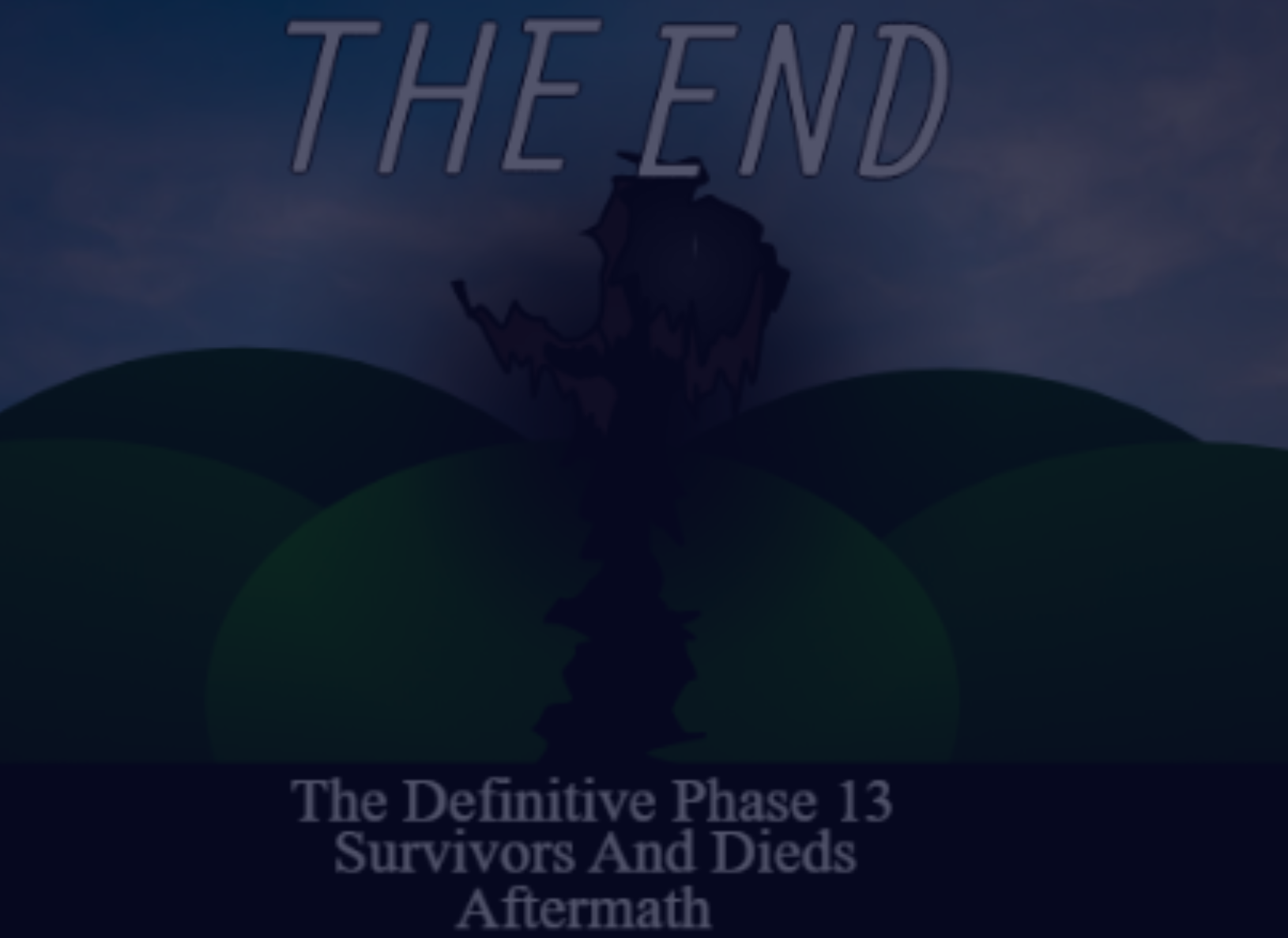
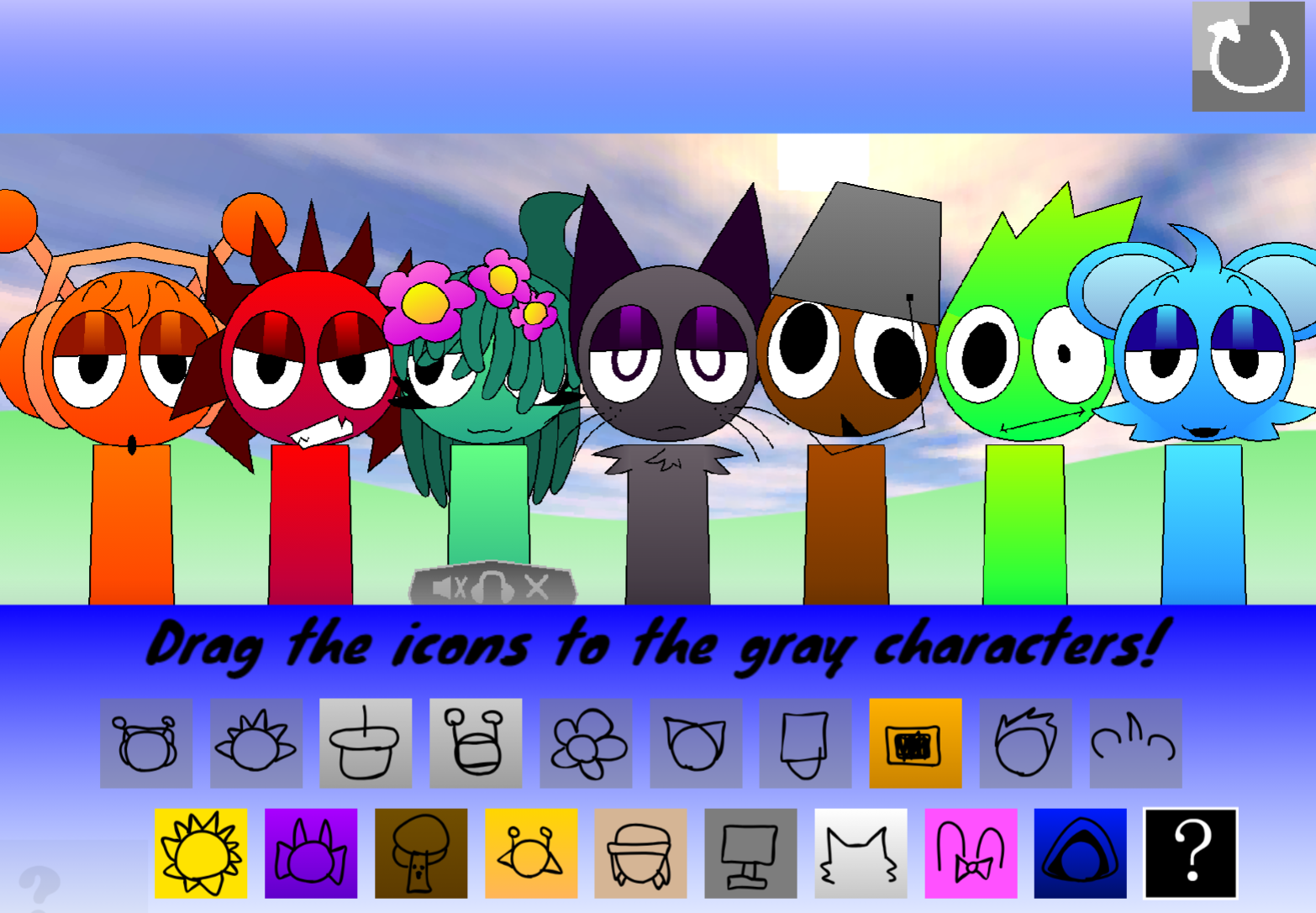
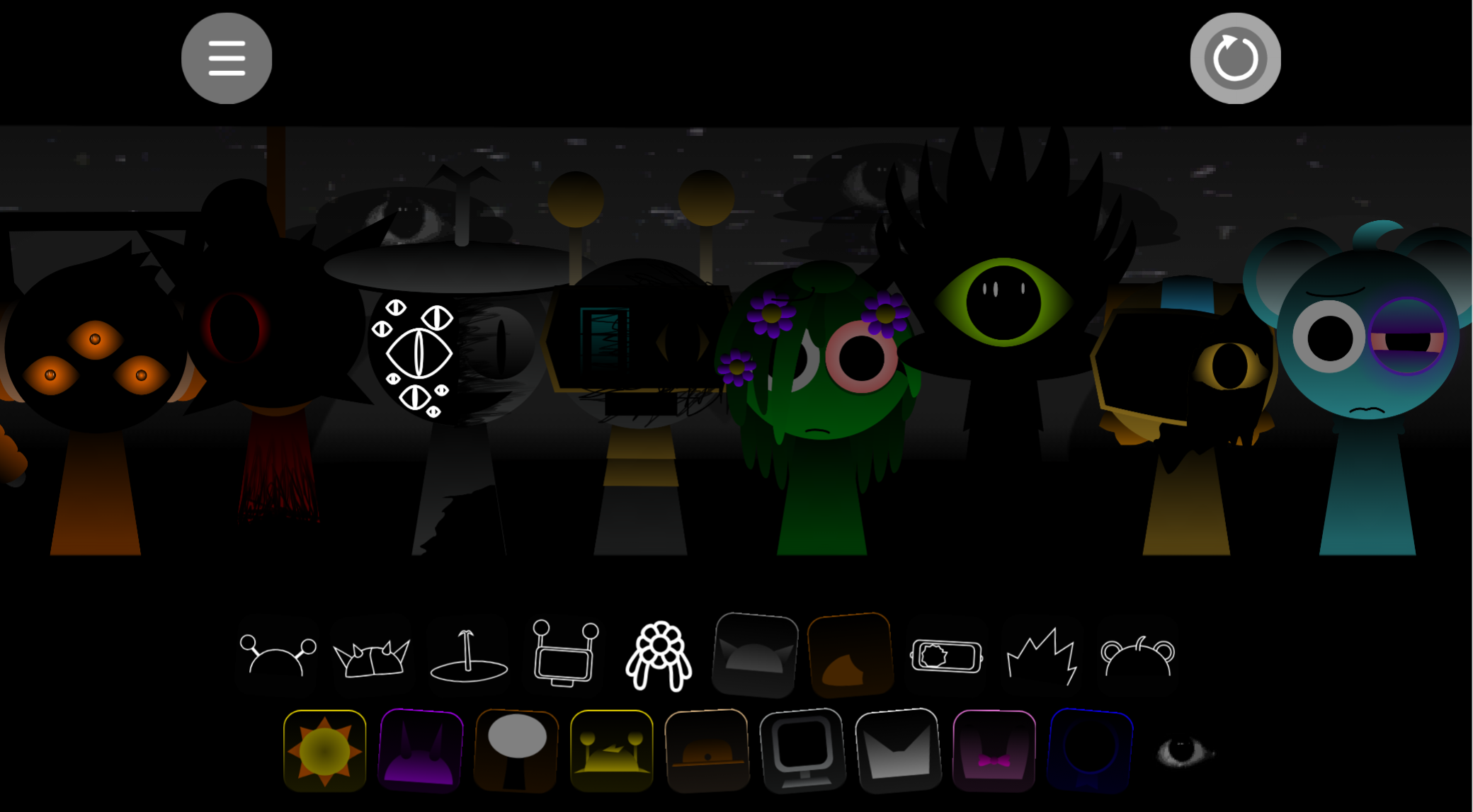
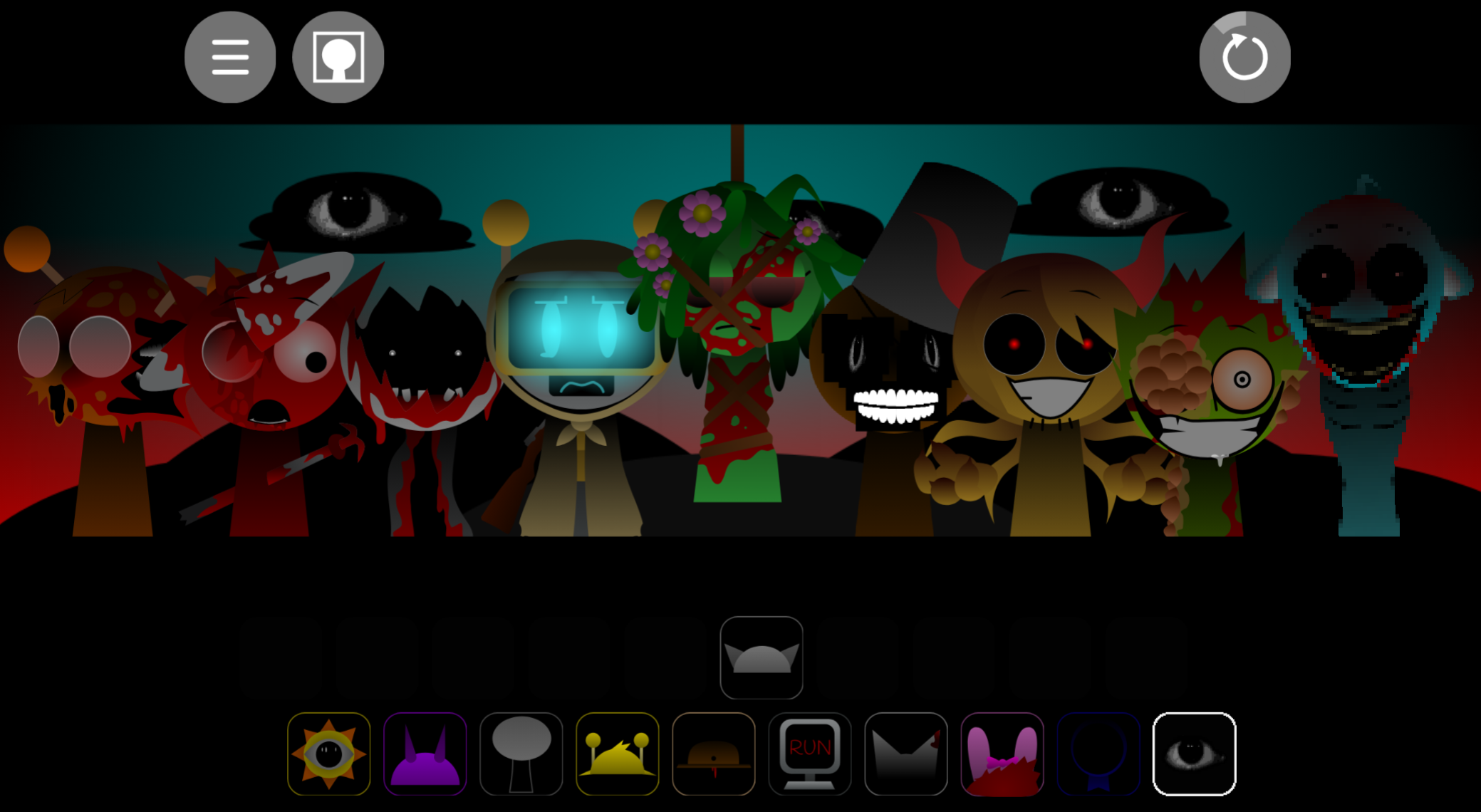
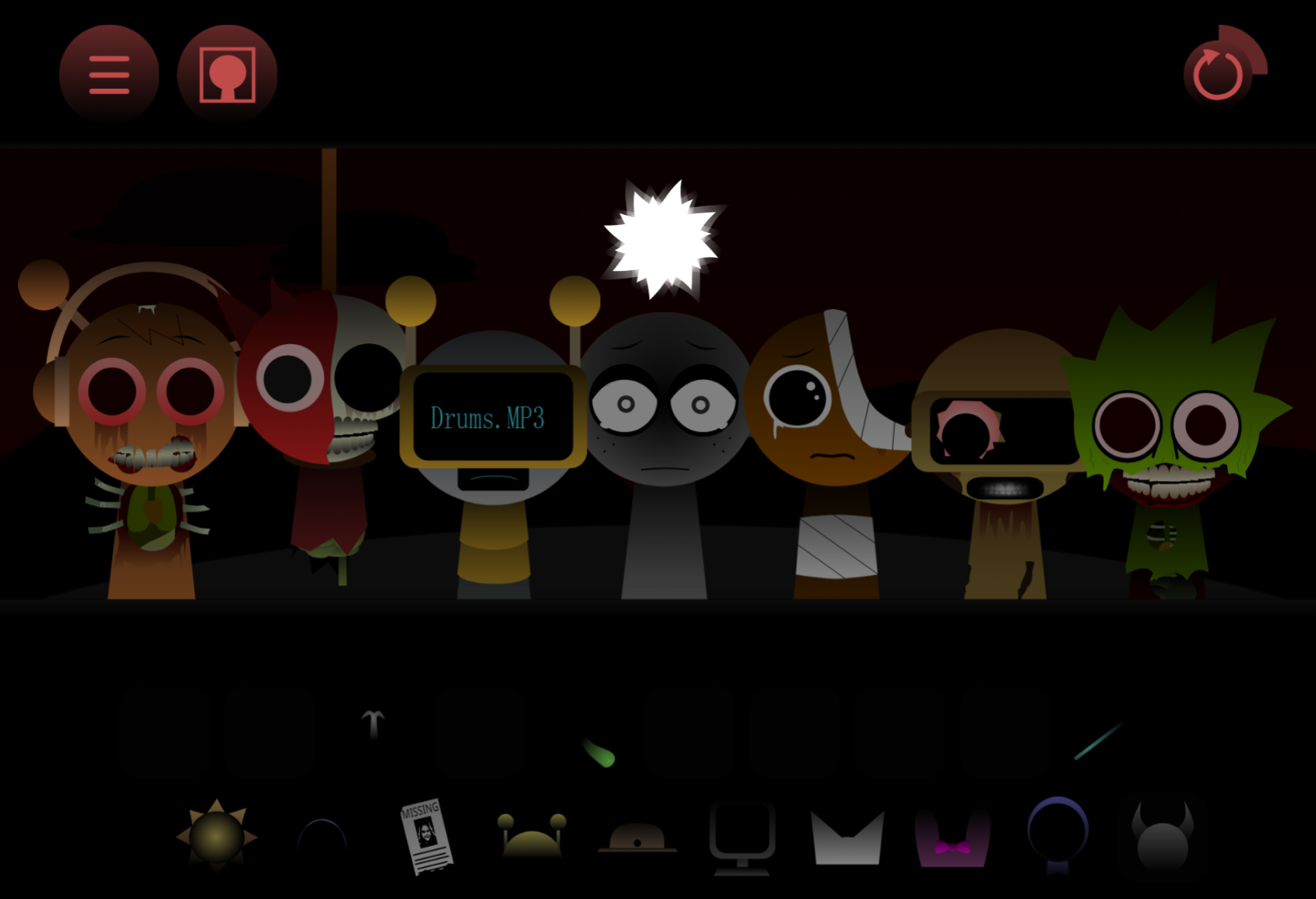
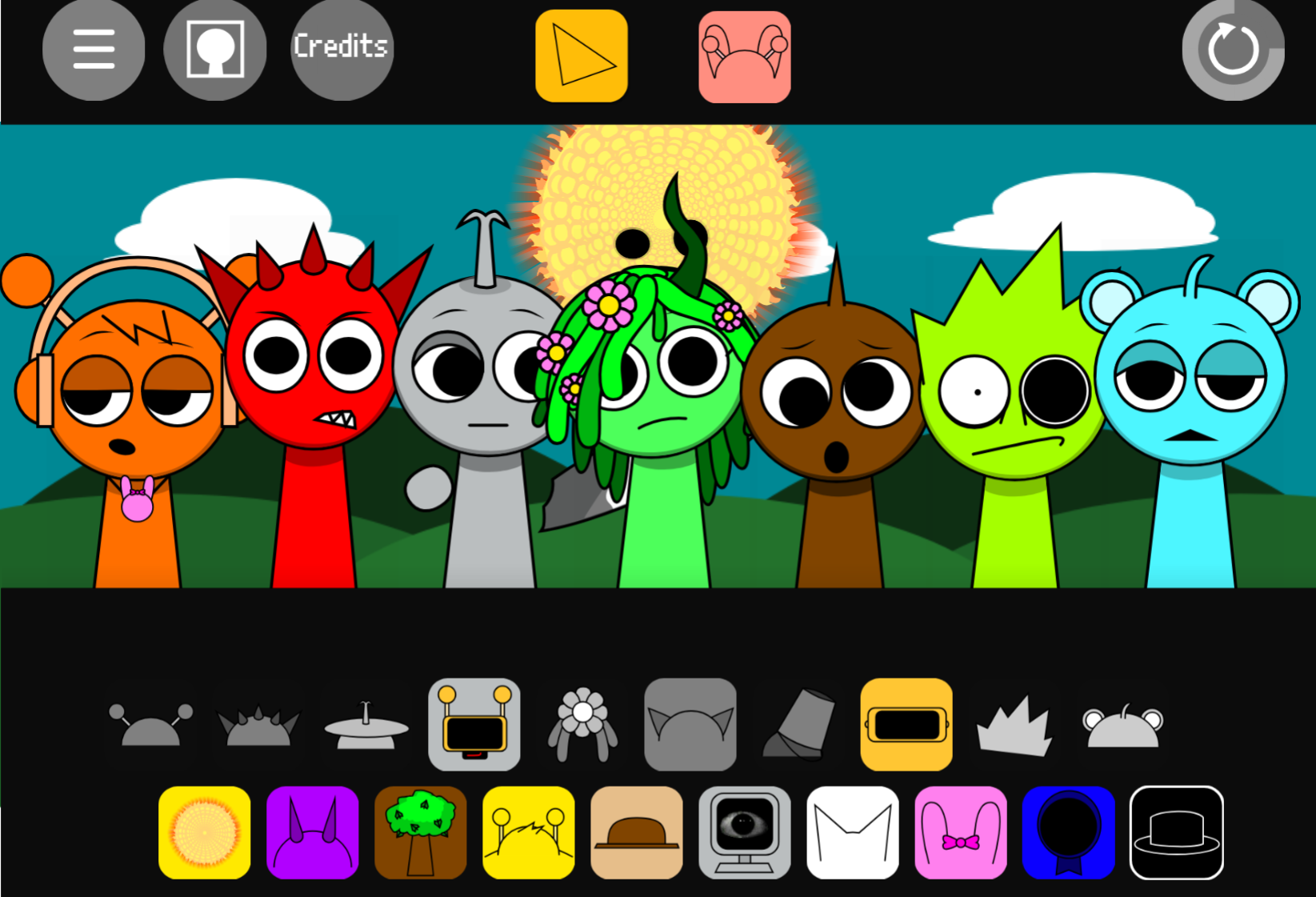

Sprunki Phase 8 Alive And Massacre is a horror-mode Sprunki variant where the same drag-and-drop music system becomes the delivery mechanism for a split timeline. The core hook is not simply gore. It is the moment a familiar performance structure breaks into two states, Alive and Massacre, and the player realizes that building the mix is also choosing which reality takes control.
That is why the phase stands out. The article does not need to retell every violent detail to make the point. What matters is how the split works, how the cast designs prove the world has already been damaged, and why the mod’s unfinished edges keep the community treating it like an active mystery instead of a settled release.
Sprunki - Phase 8 Alive And Massacre
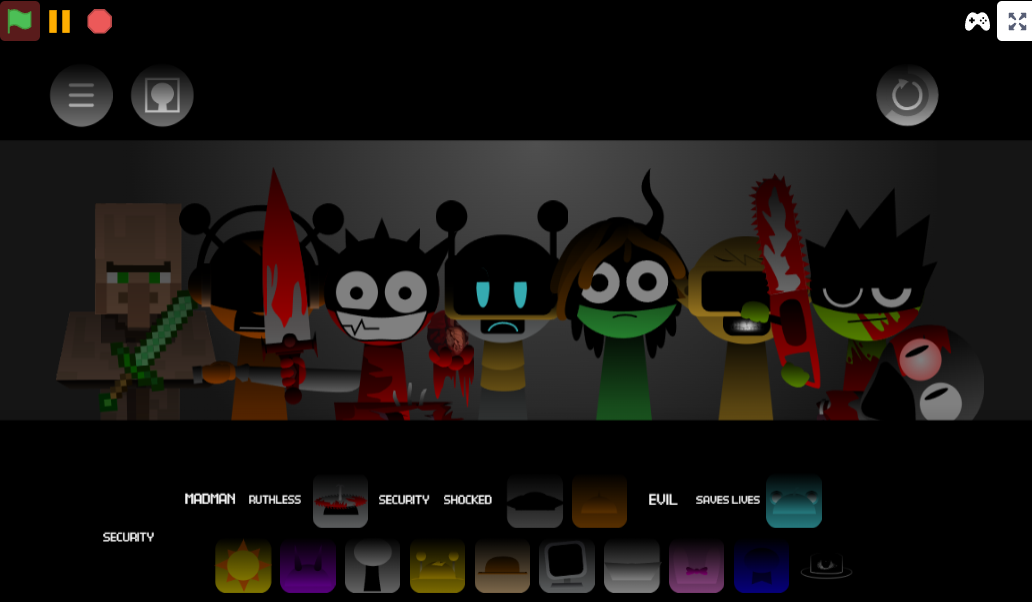
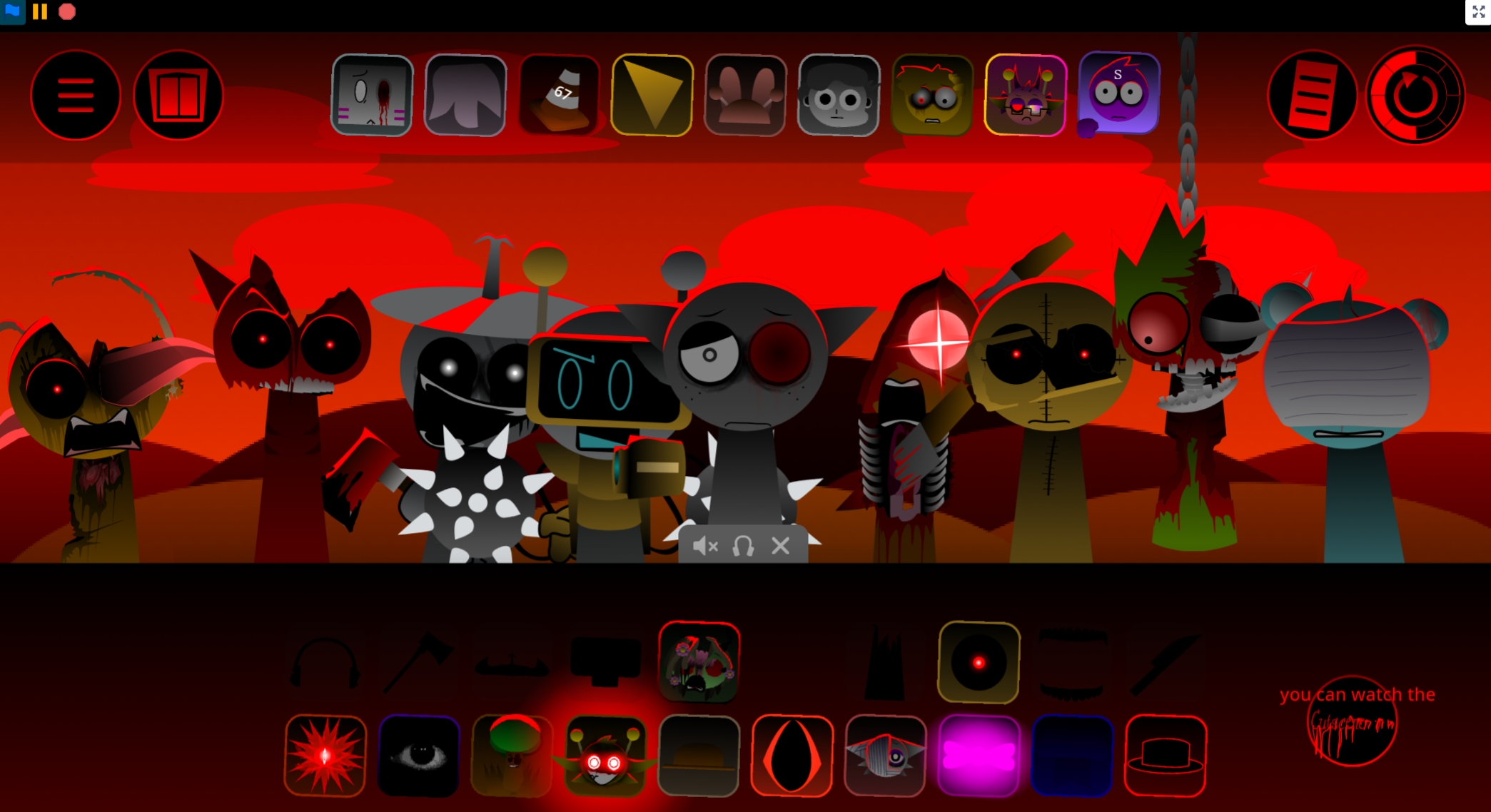
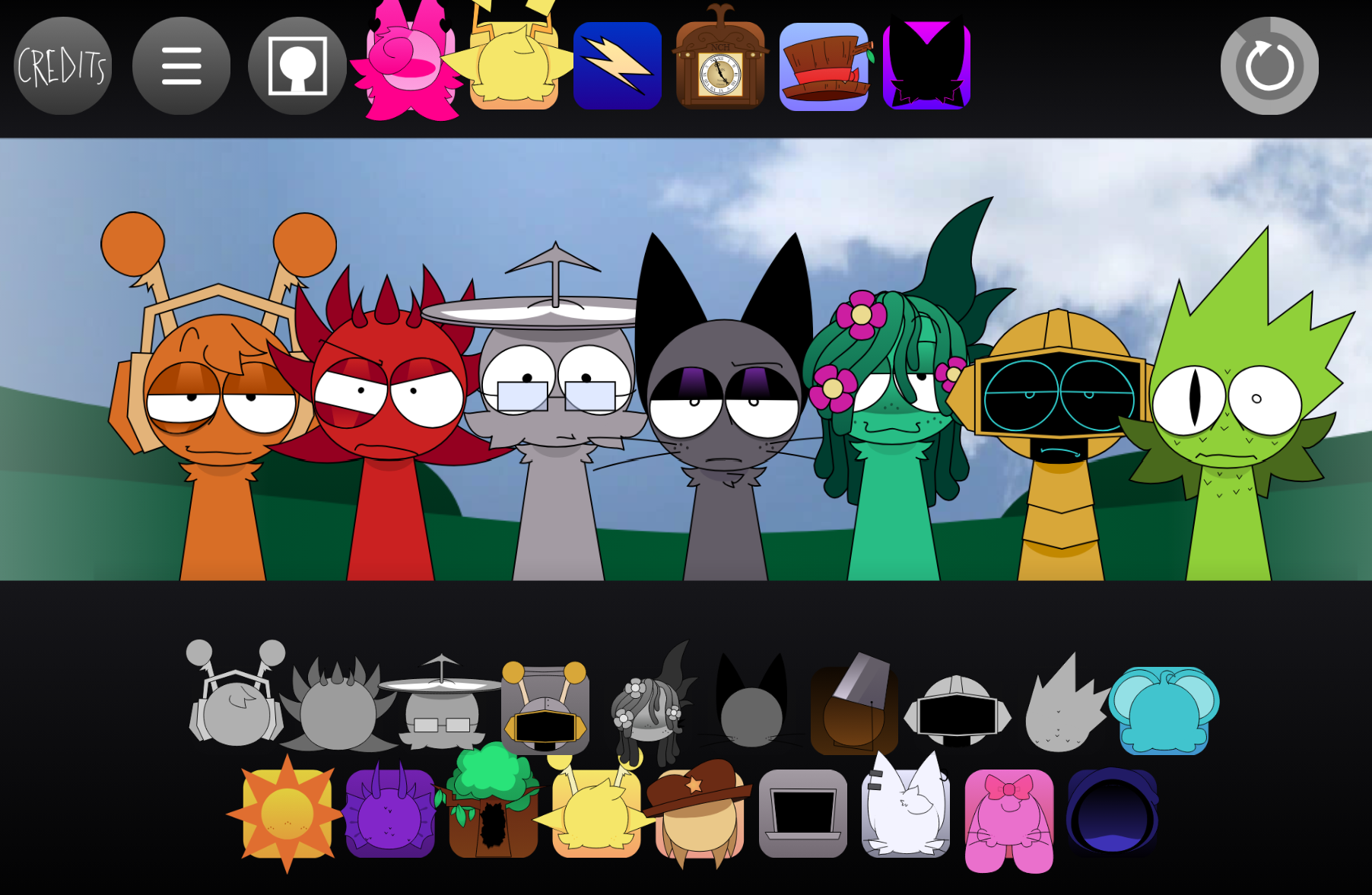
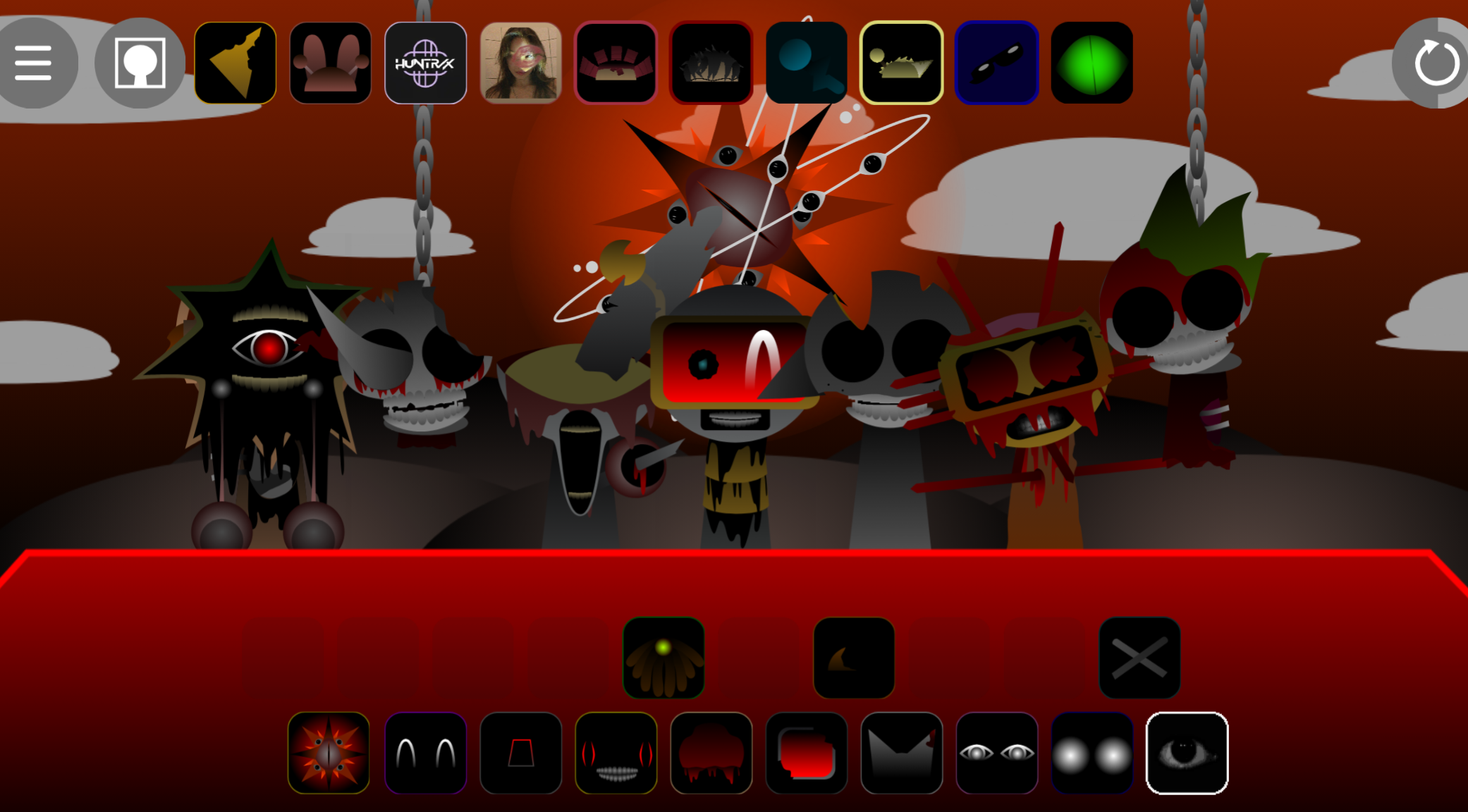
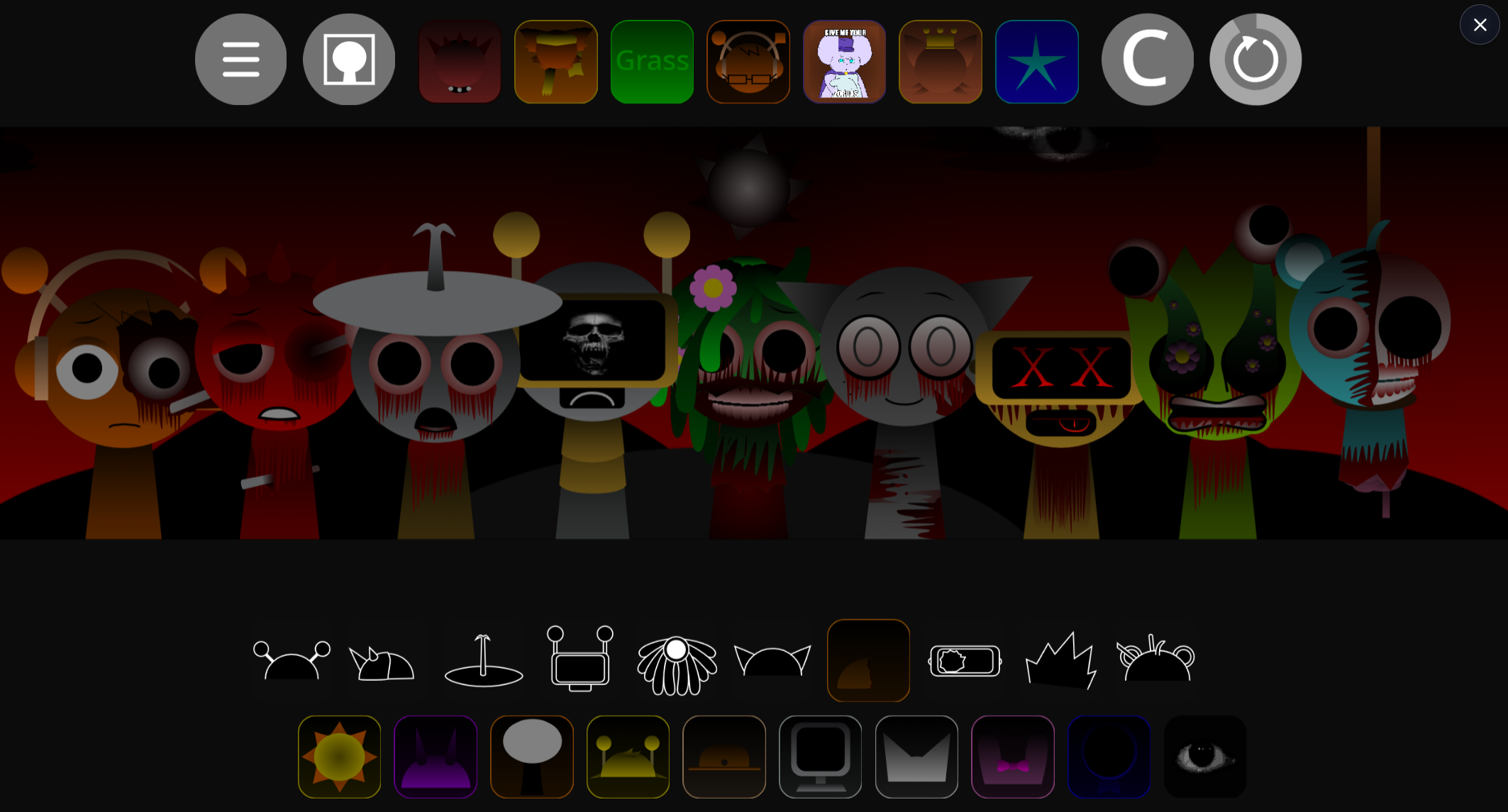
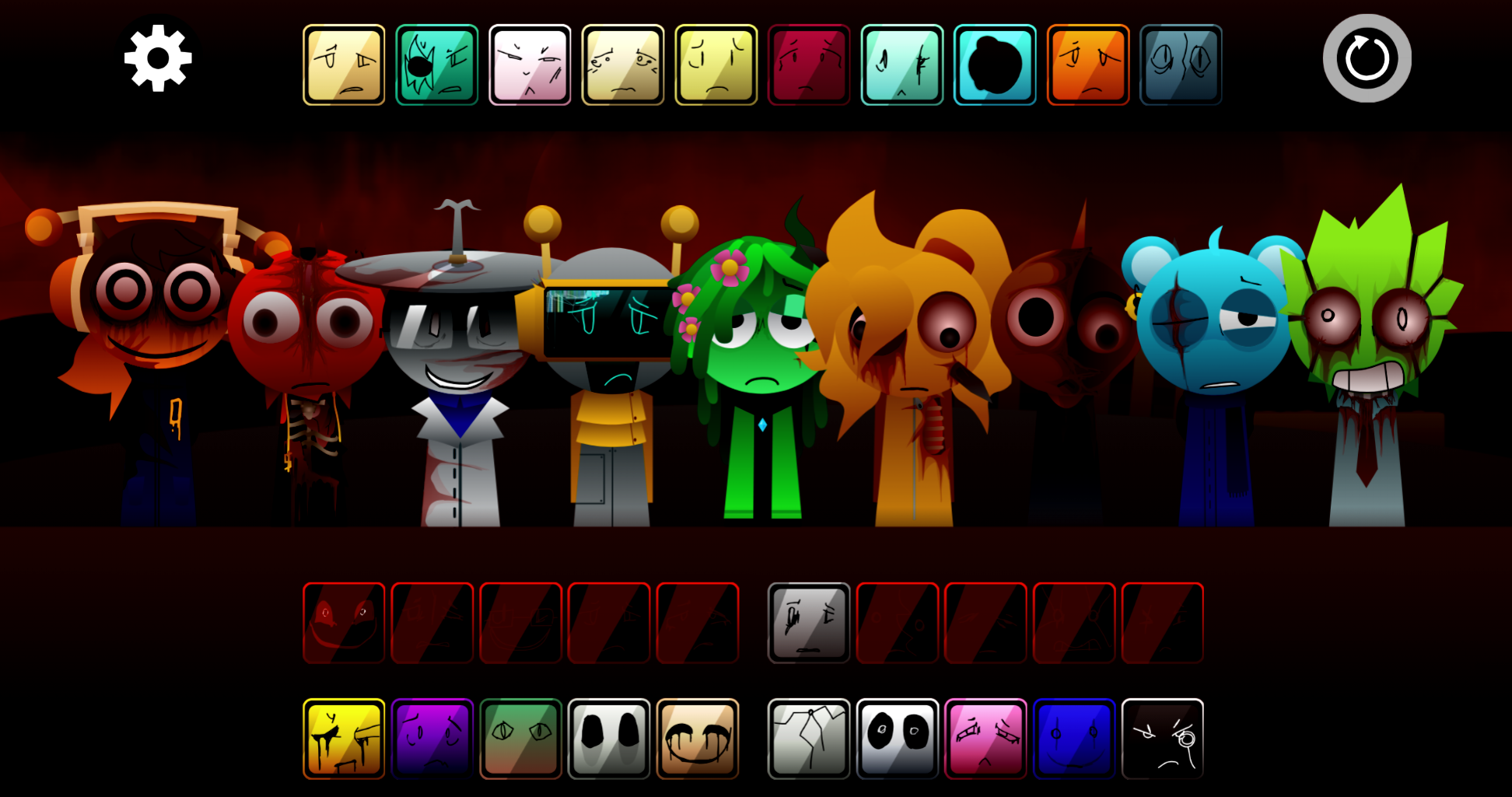
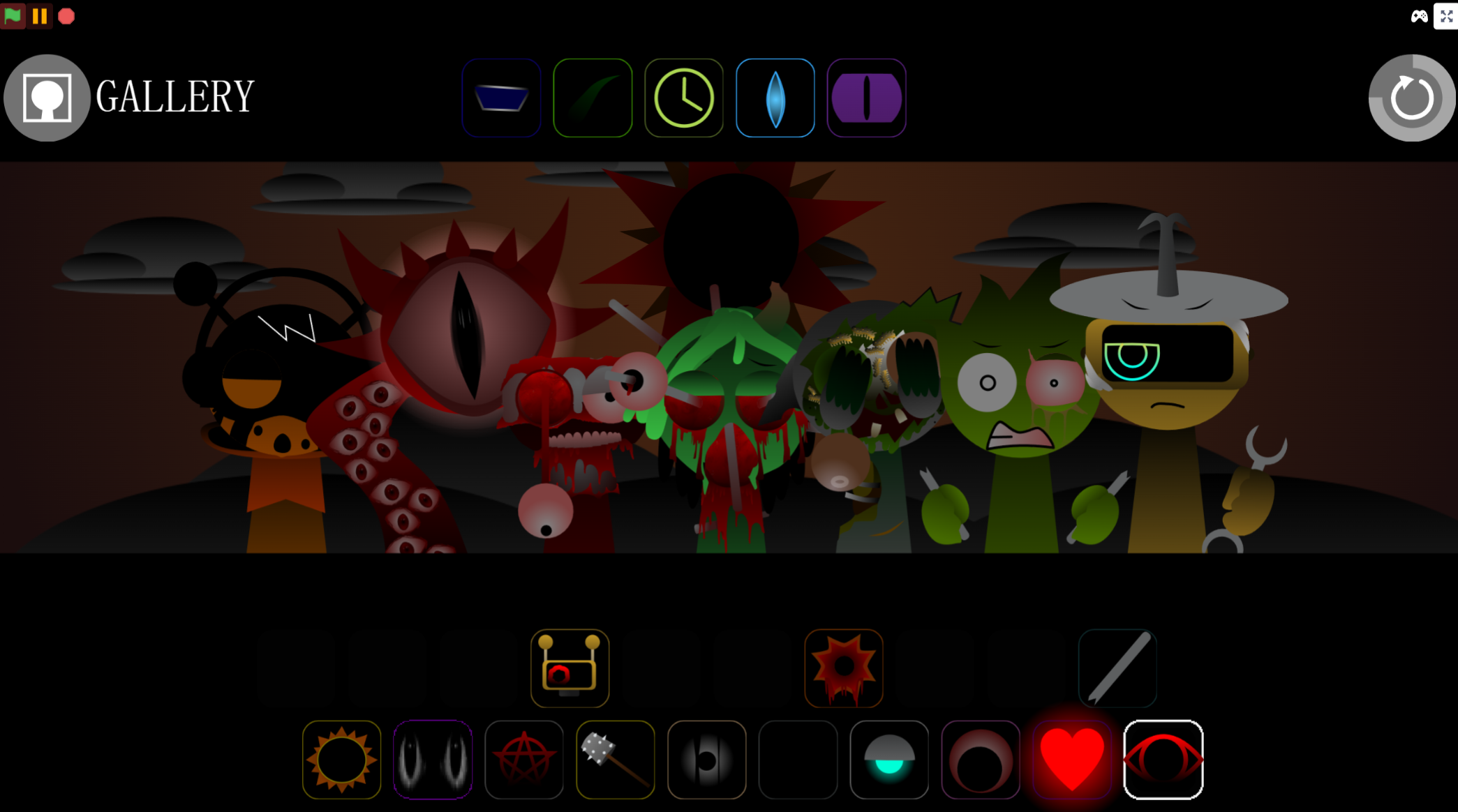
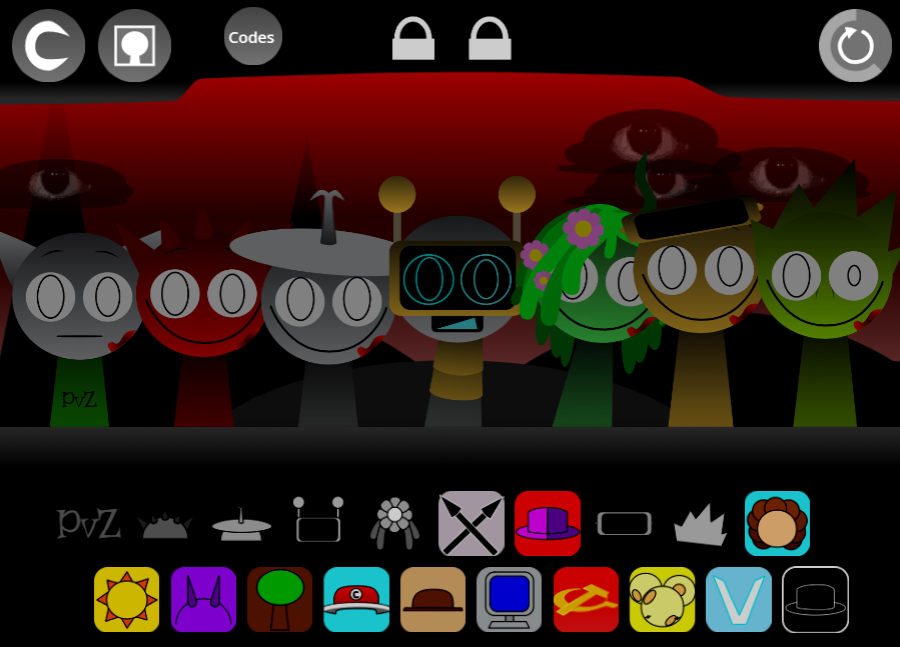
What makes the phase distinct is that the performance itself becomes proof of catastrophe. The drag-and-drop system remains intact, but each layer now points toward infection, damage, or escalating brutality. Some figures are still technically alive, yet the world has already crossed into massacre, which is what gives the title its tension.
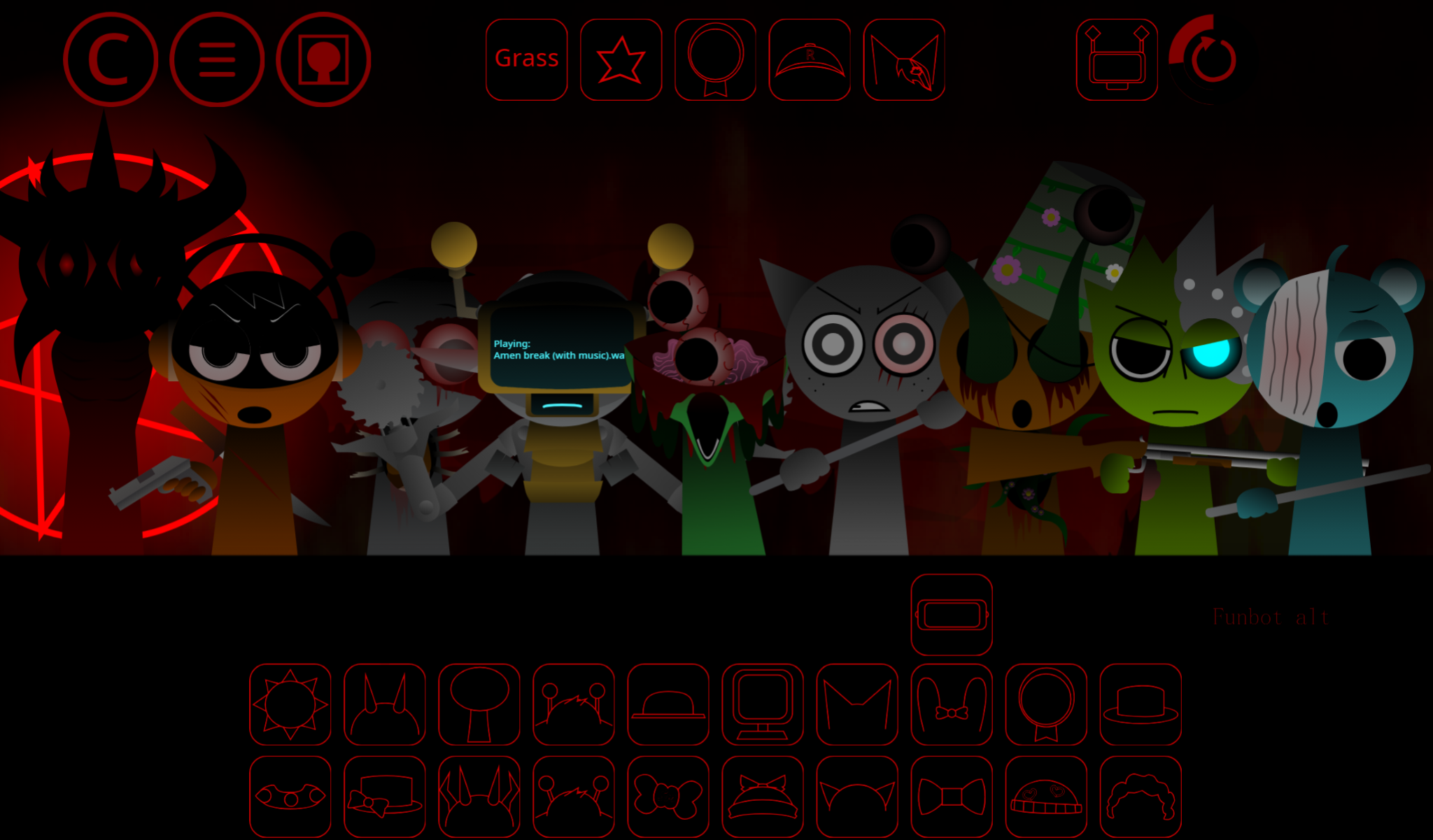
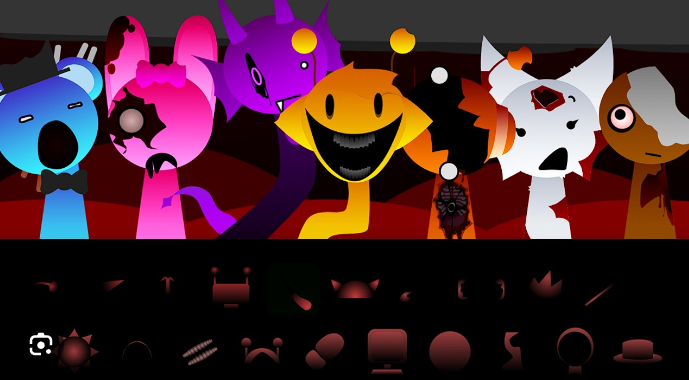
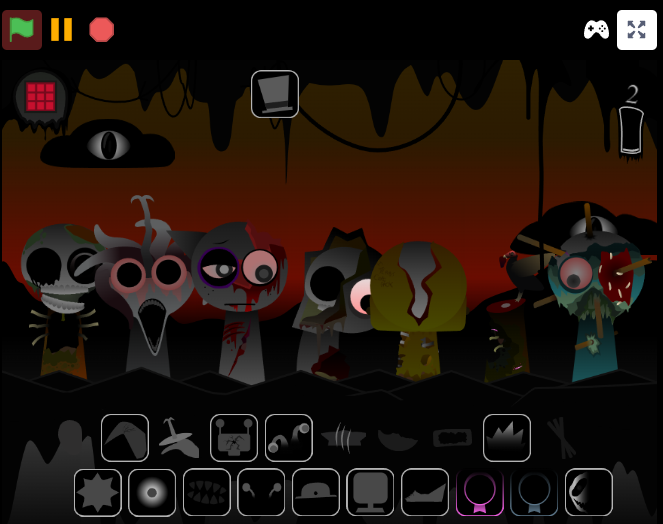
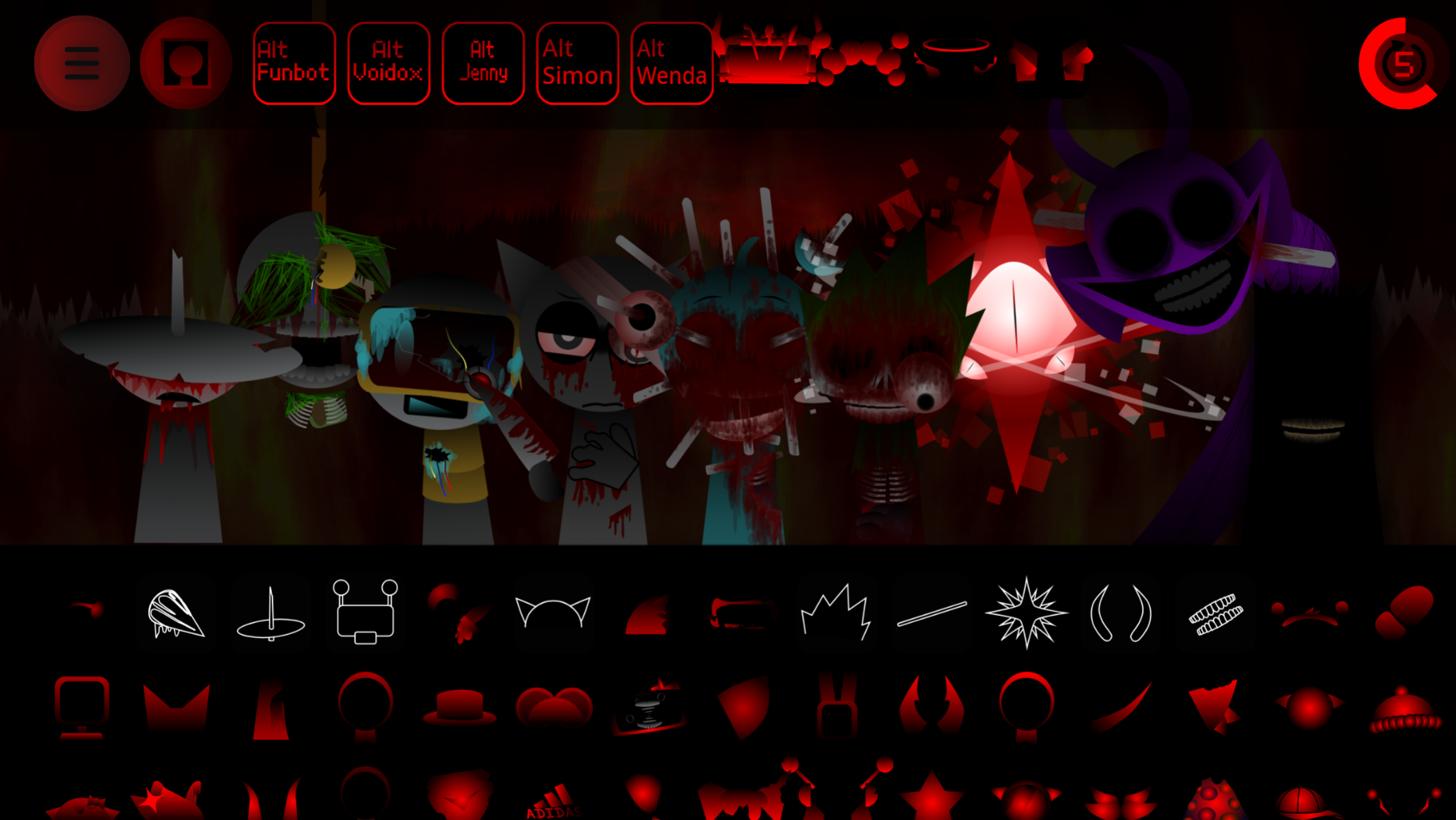
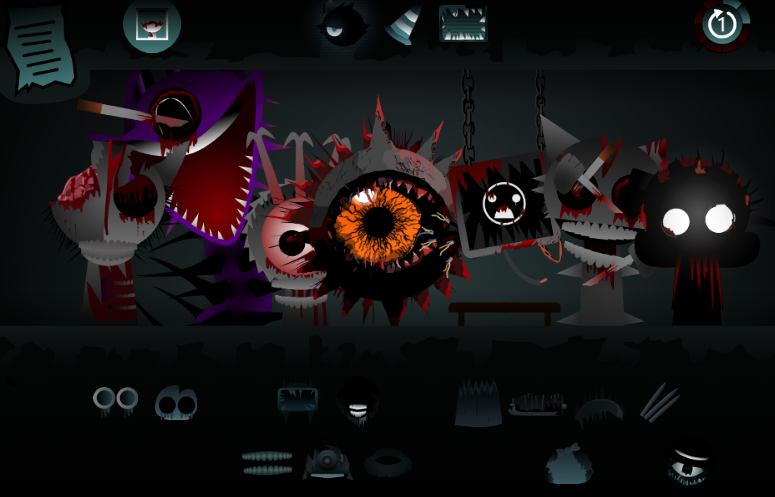
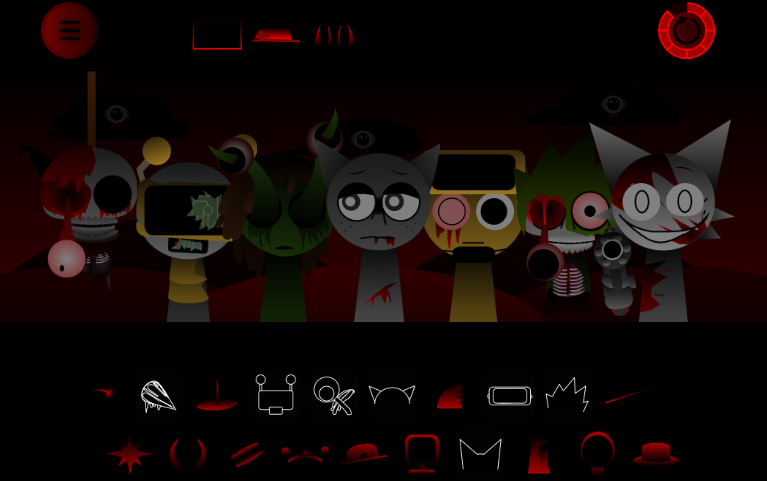
The cast design supports that reading well. Infected bodies, torn flesh, exposed structure, blades, and grotesque distortion do not feel like decorative horror pasted over a music game. They read as aftermath. The violence also activates through play, with some combinations turning into attacks, mutilation scenes, or explicit collapse rather than staying inside neutral loop animation.
The audio deepens the same effect. Instead of sounding polished, the phase often feels loud, unstable, or intentionally unsynced, as if the music itself is failing under pressure. That roughness is part of the point.
Features: How the Phase Turns Music Into Horror
The defining features all reinforce the same idea: this is still a music-mixing framework, but one deliberately warped into a horror system.
The drag-and-drop core remains readable, which matters because the player needs to feel the normal structure before the split can hurt. The horror-redesigned cast turns visual damage into lore evidence. Violent combo animations make experimentation part of the narrative instead of a side reward. Harsh audiovisual pressure keeps the session feeling unstable. Even the work-in-progress quality contributes to the atmosphere by making the phase feel fractured and still descending rather than fully sealed.
That unfinished quality also changes how players read the material. Status notes, unclear labels, and rough edges make the phase feel less like a polished final chapter and more like evidence still being assembled. In a mod built around collapse, that instability ends up reinforcing the theme instead of weakening it.
Character Guide: The Faces of Survival and Doom
The major characters are defined less by neat backstories than by visible stages of ruin. Oren reads like corrupted survival turned predatory, while Raddy represents the massacre preserved in its most graphic form. Tunner matters not because he dominates the screen, but because his presence helps mark the unstable line between active roster, loss, and lingering survival.
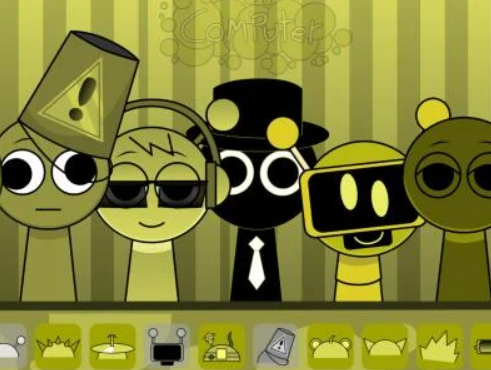
Mr. Fun Computer, or MFC, is one of the phase’s most unsettling figures because status language around him points to transformation rather than a fixed role. Labels such as “Dead Infected” and “31 = Upgrade” make him feel like a piece of unfinished forensic lore rather than a fully explained character.
That is why the character section works best when kept selective. You do not need a huge death ledger to understand the phase. You need to see that every major figure looks caught somewhere between evidence, survivor, and warning.
Related Games
- Sprunki Kats Horror Mode — Its horror-focused version makes it a strong follow-up for readers interested in how Sprunki mods turn music mixing into a tense, character-driven survival atmosphere.
- Sprunki dark mode treatment — This darker reinterpretation matches the corrupted visual style and industrial mood of Phase 8 Alive And Massacre, especially for players drawn to bleak lore-heavy presentations.
- Sprunki Phase 15 But New Alive — As another “Alive” phase entry, it directly appeals to readers who want to explore what happens to the survivor side of the Sprunki timeline after the massacre-era conflict.
What Remains Unresolved?
Several character arcs and status labels still lack a confirmed resolution, including MFC’s “31 = Upgrade” notation and the exact meaning of some roster placements. It is still unclear how much of that ambiguity is intentional lore and how much is simply unfinished material.
That uncertainty is frustrating in one sense, but it is also part of why the phase keeps people engaged. The mod still feels open, unstable, and arguable.
Discuss
Loading comments...
Failed to load comments. Please try refreshing the page.