
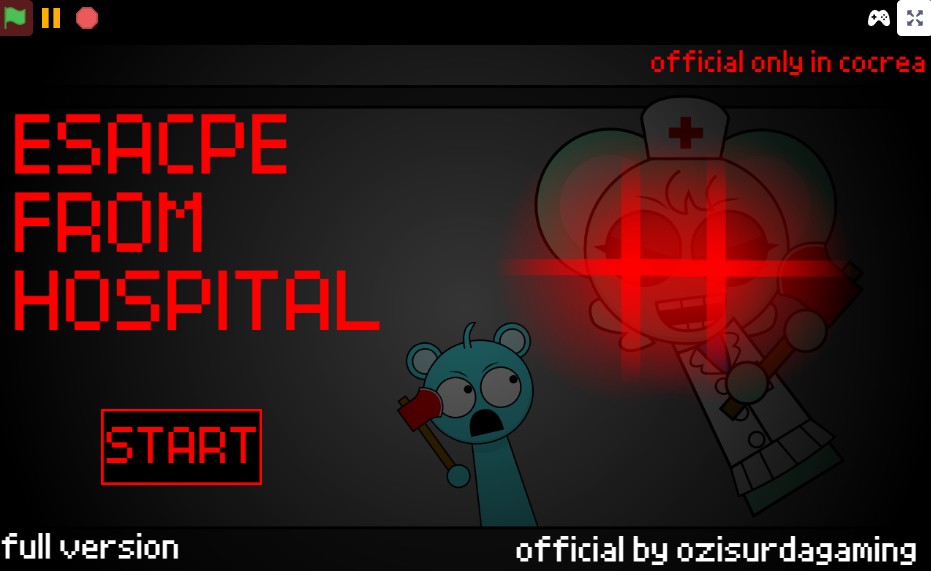
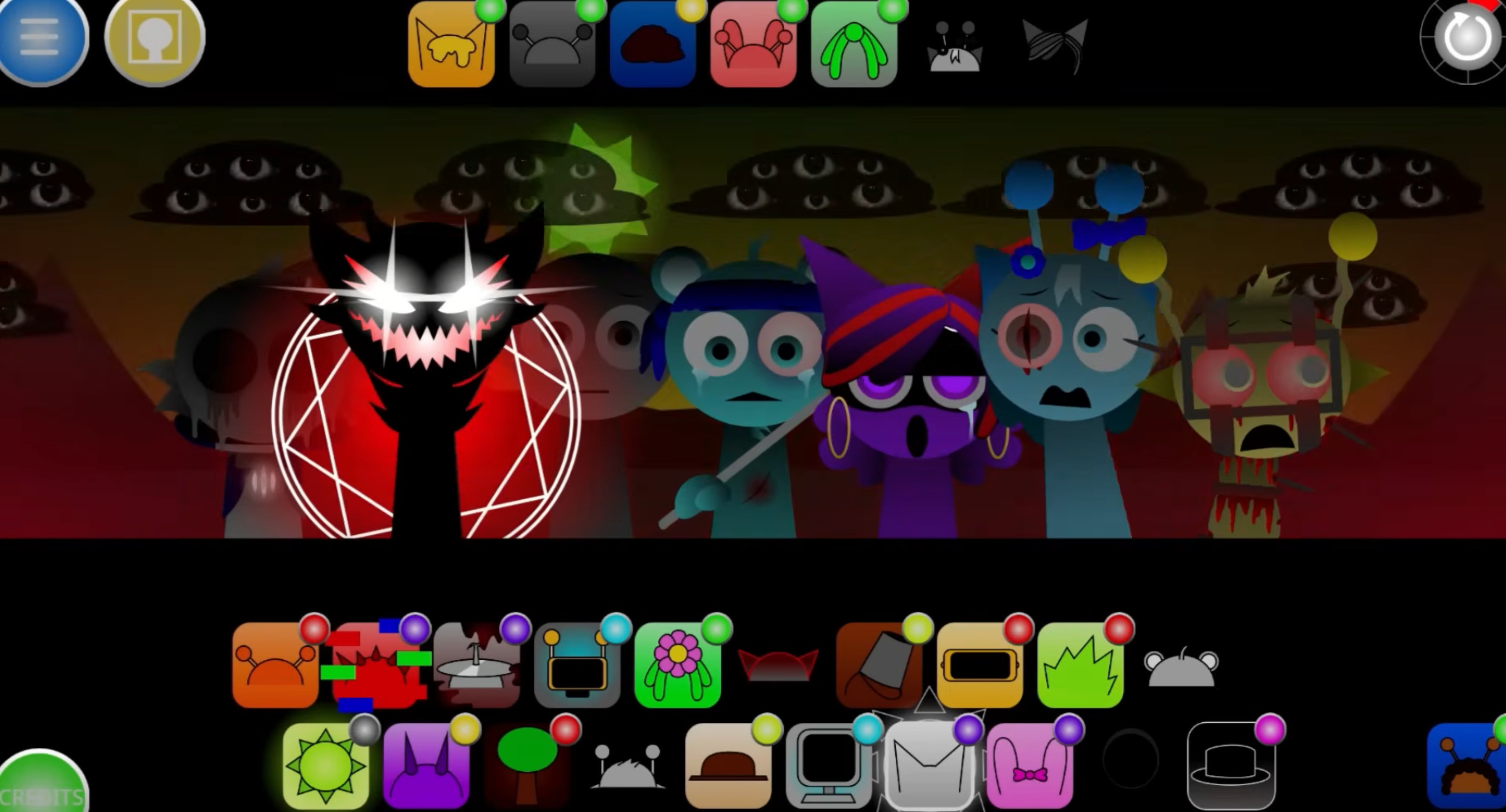
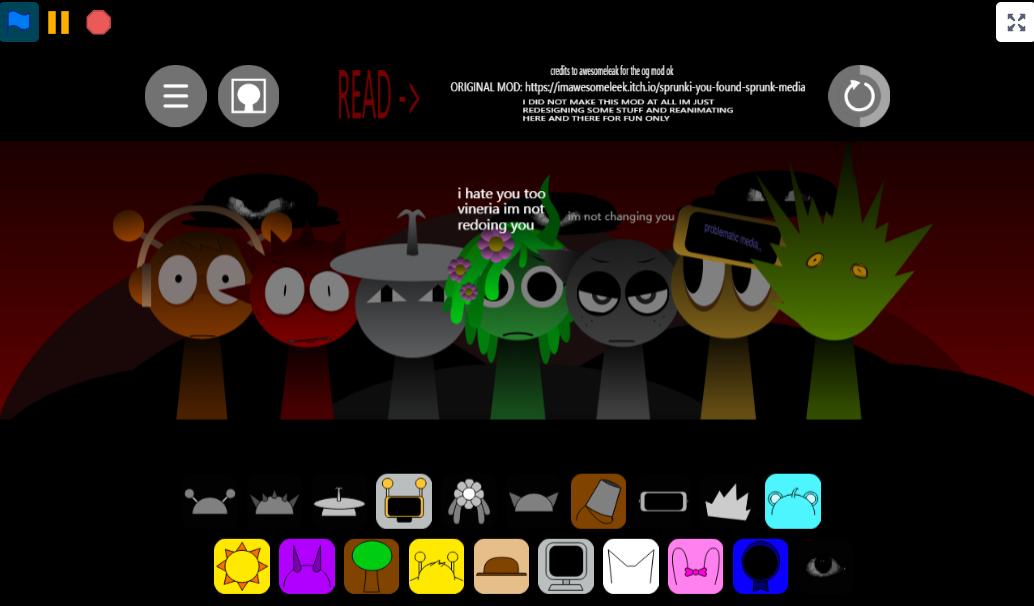
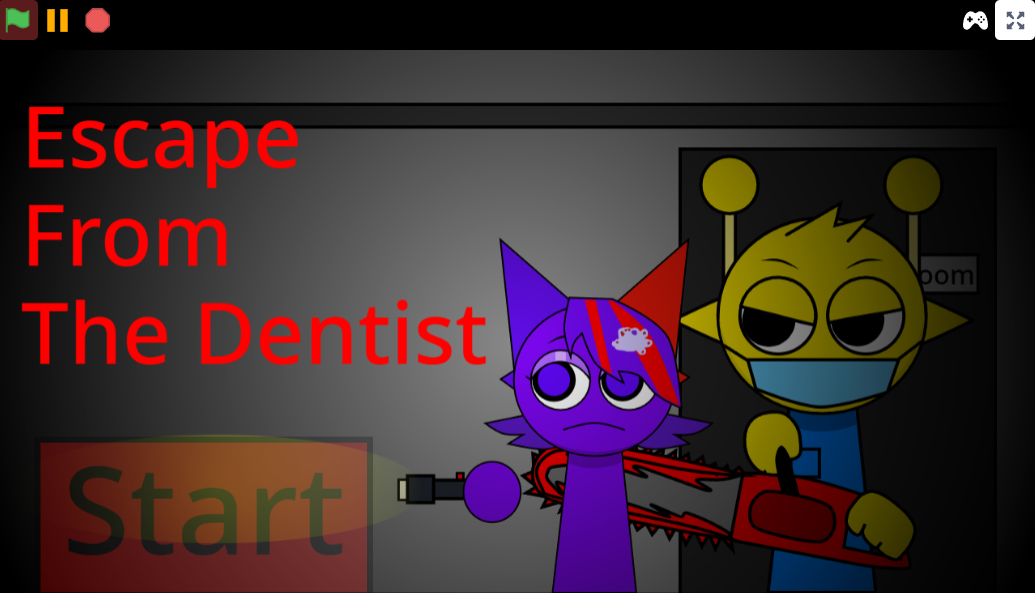
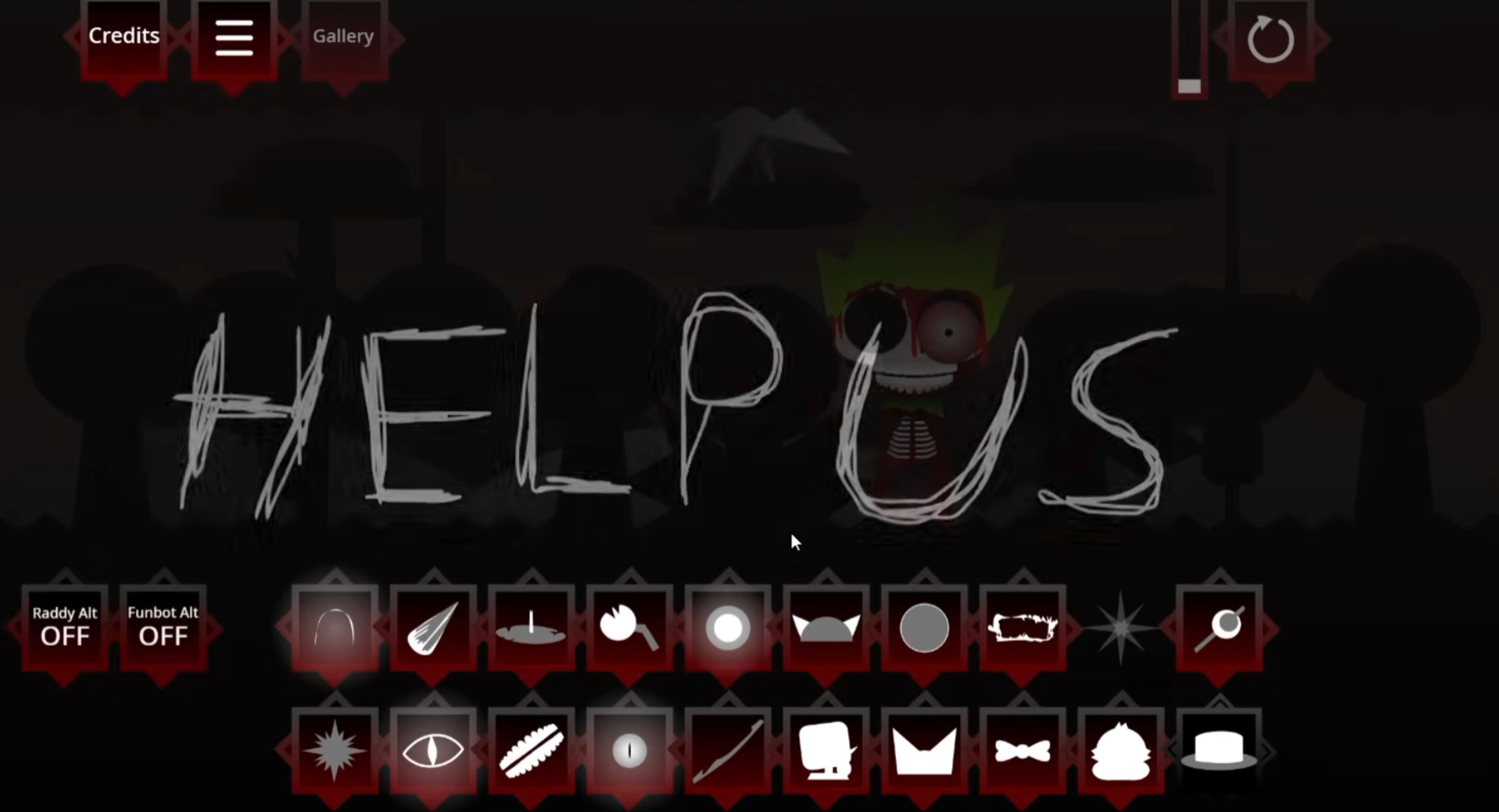
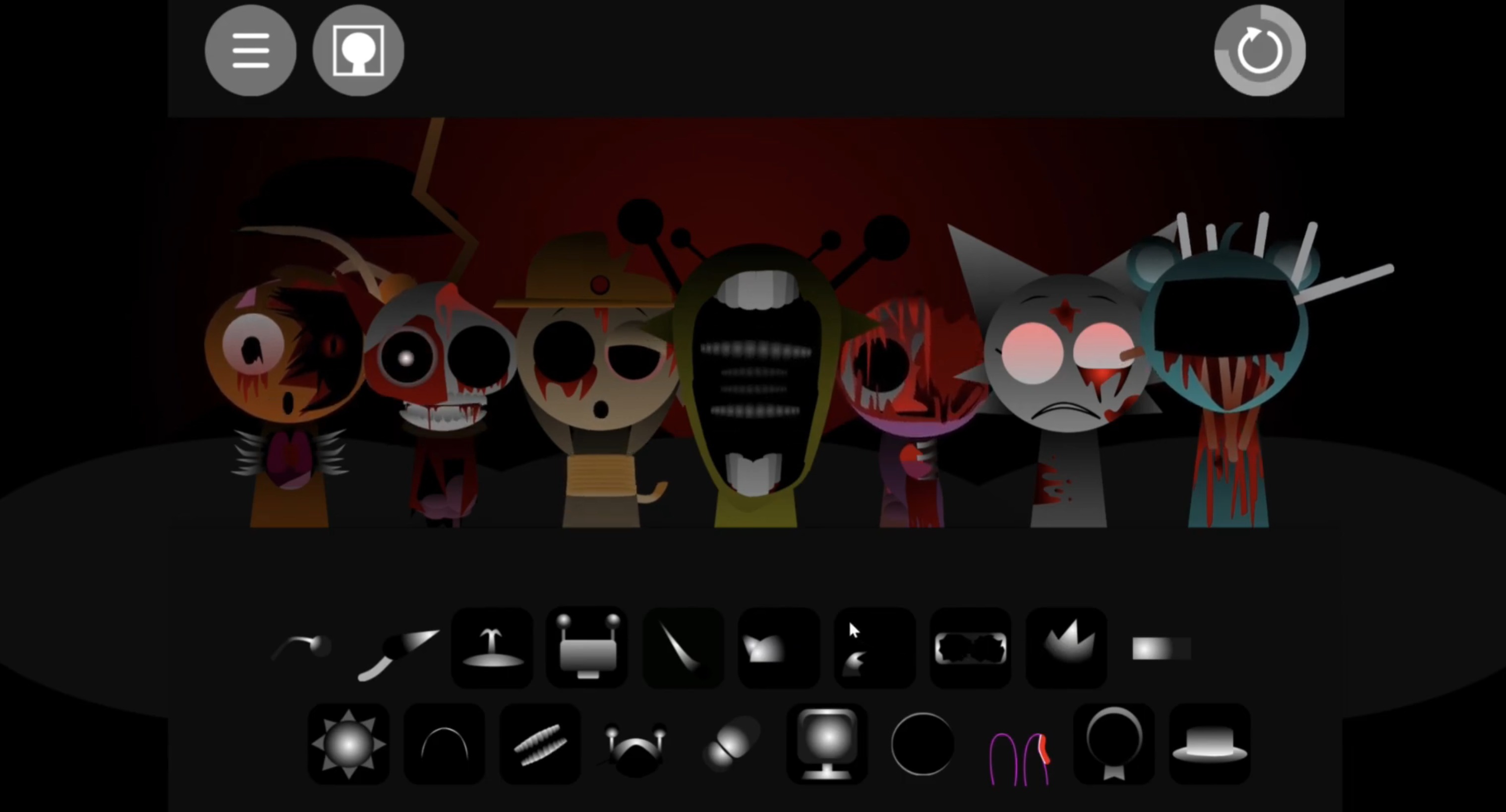
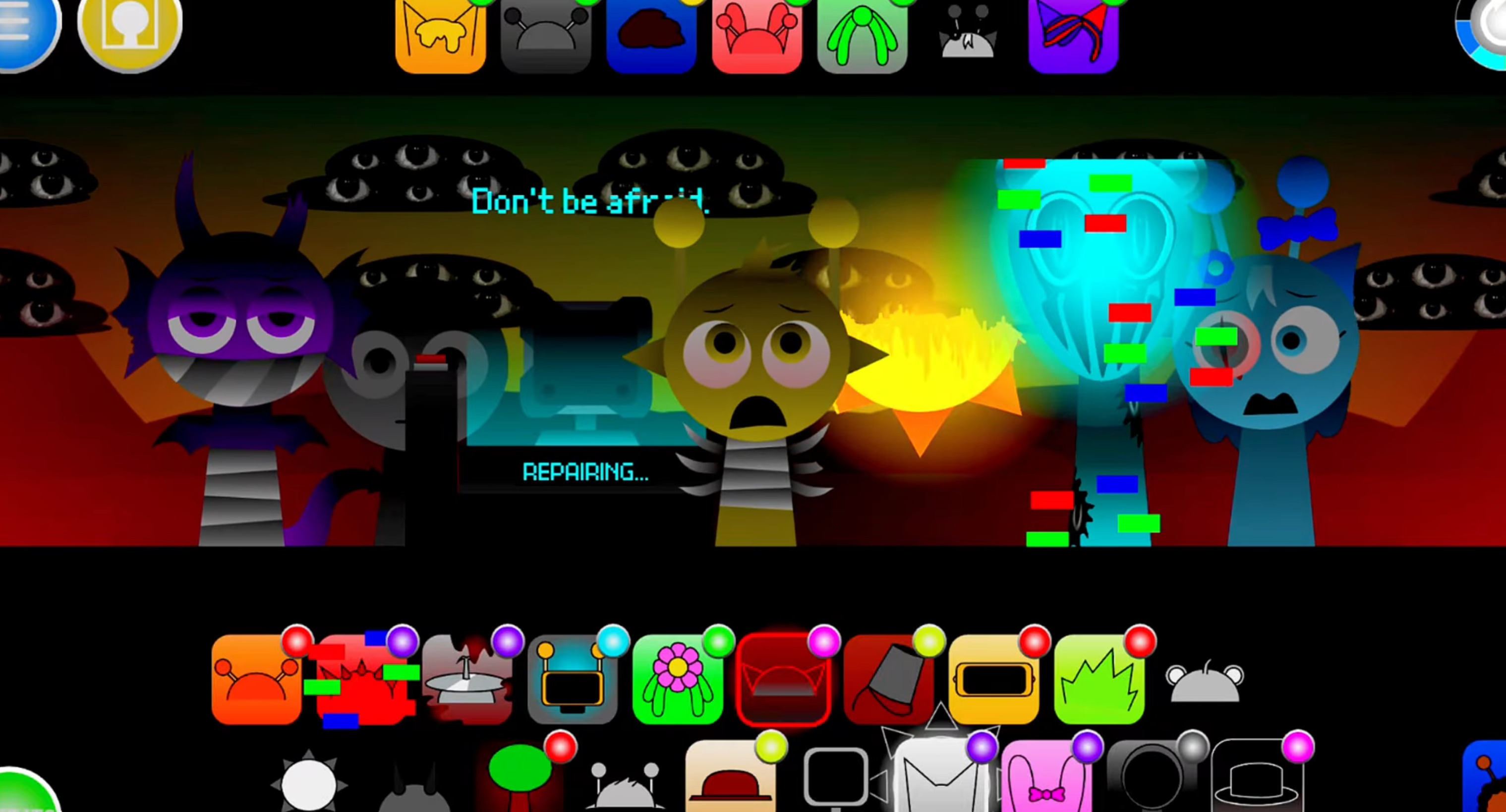
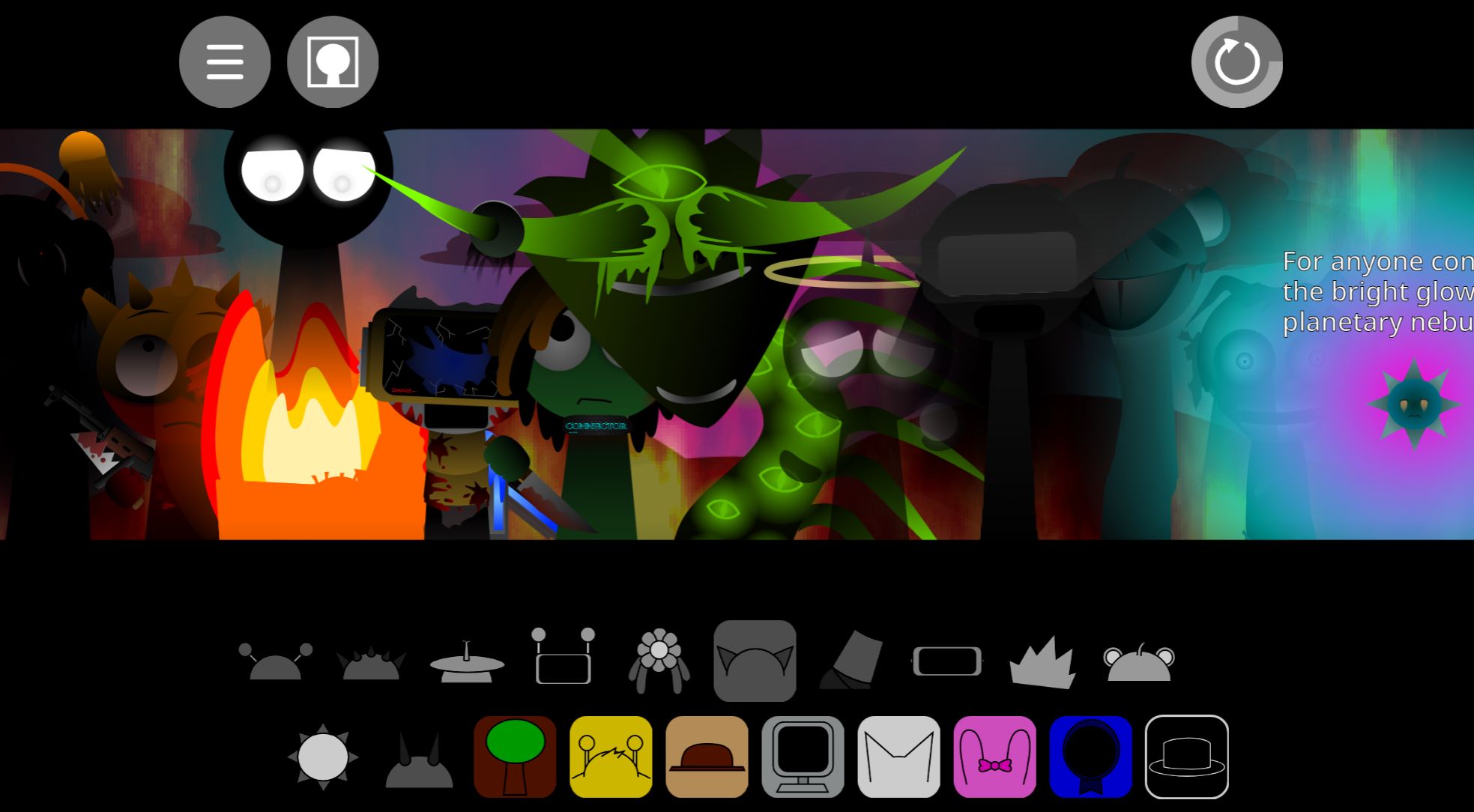
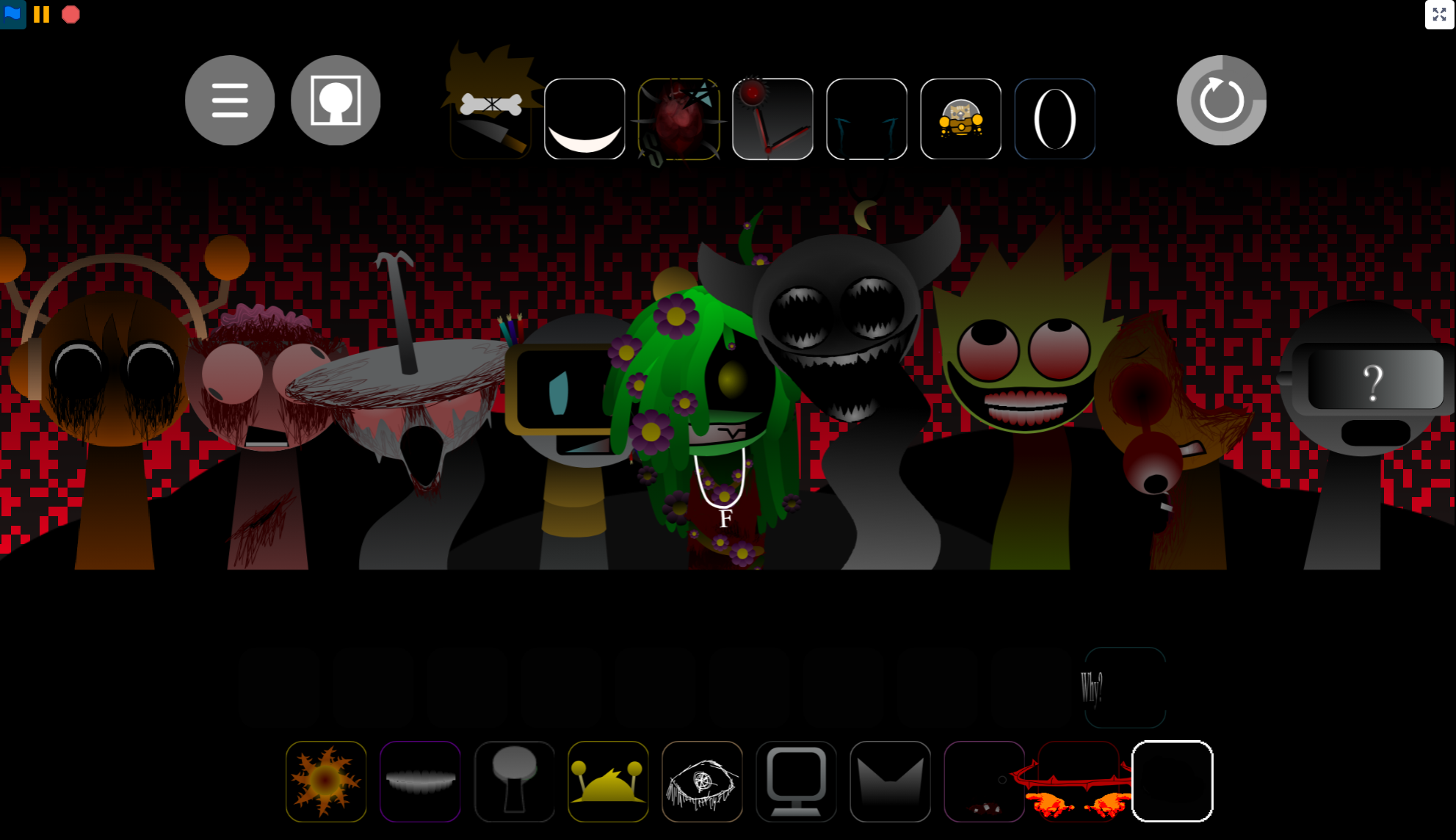
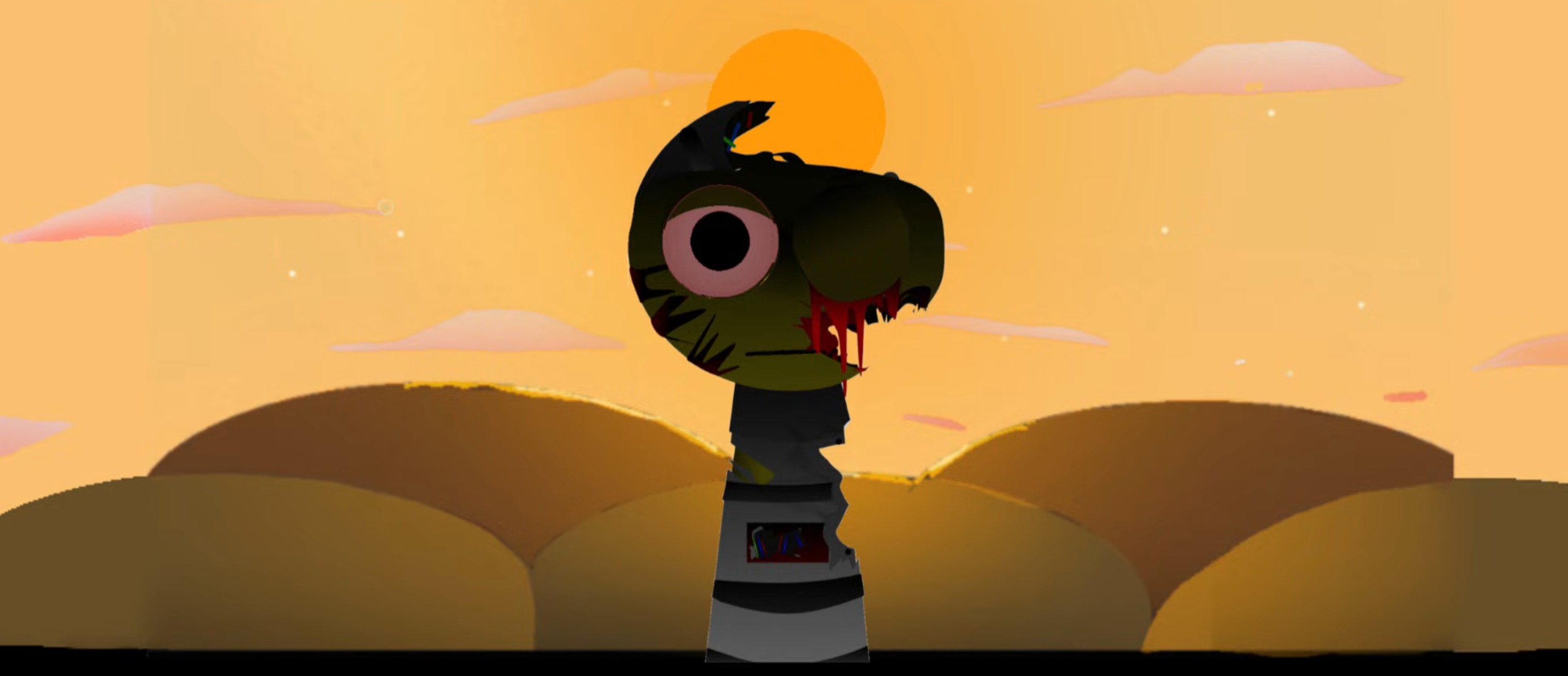
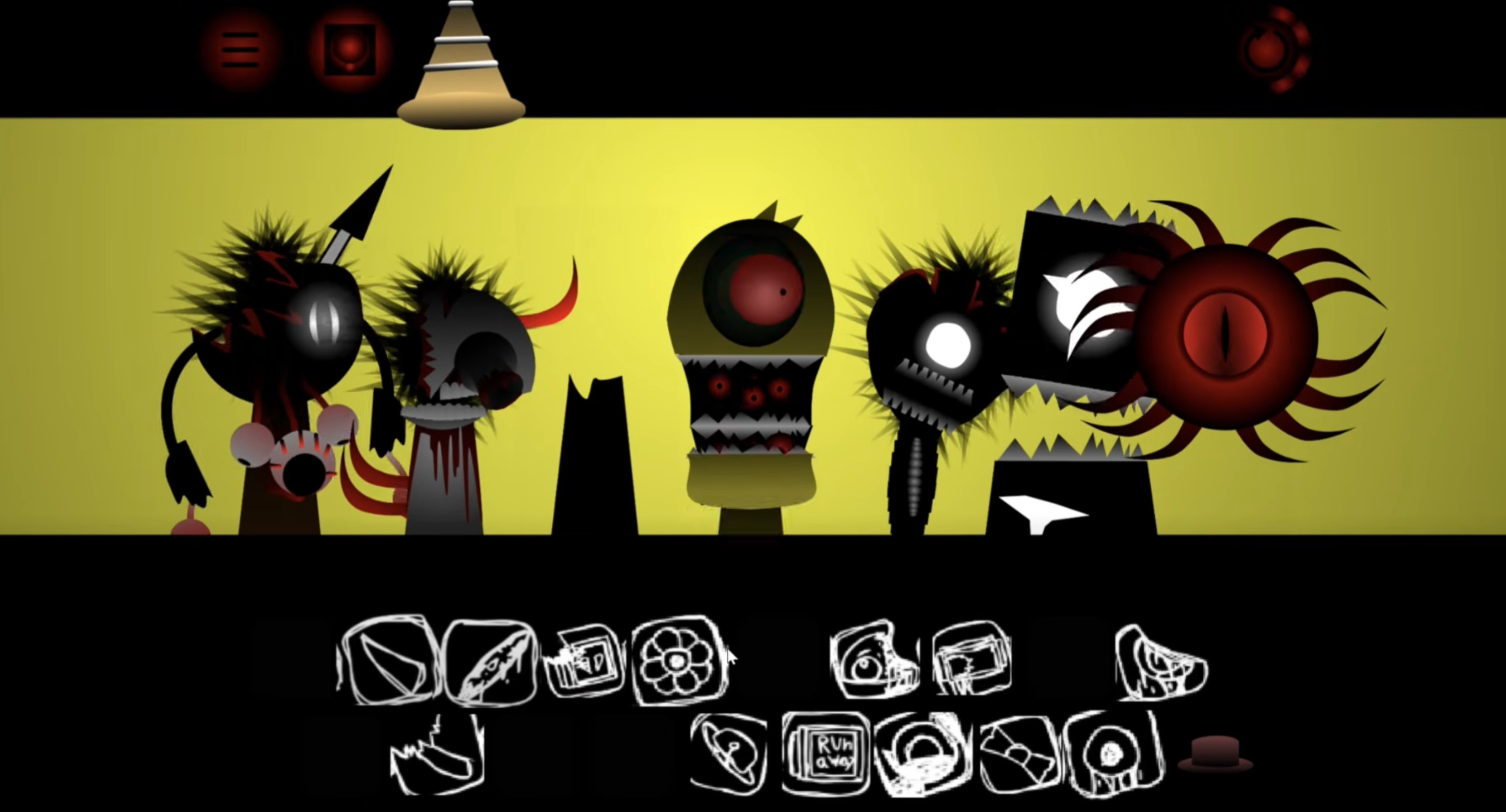
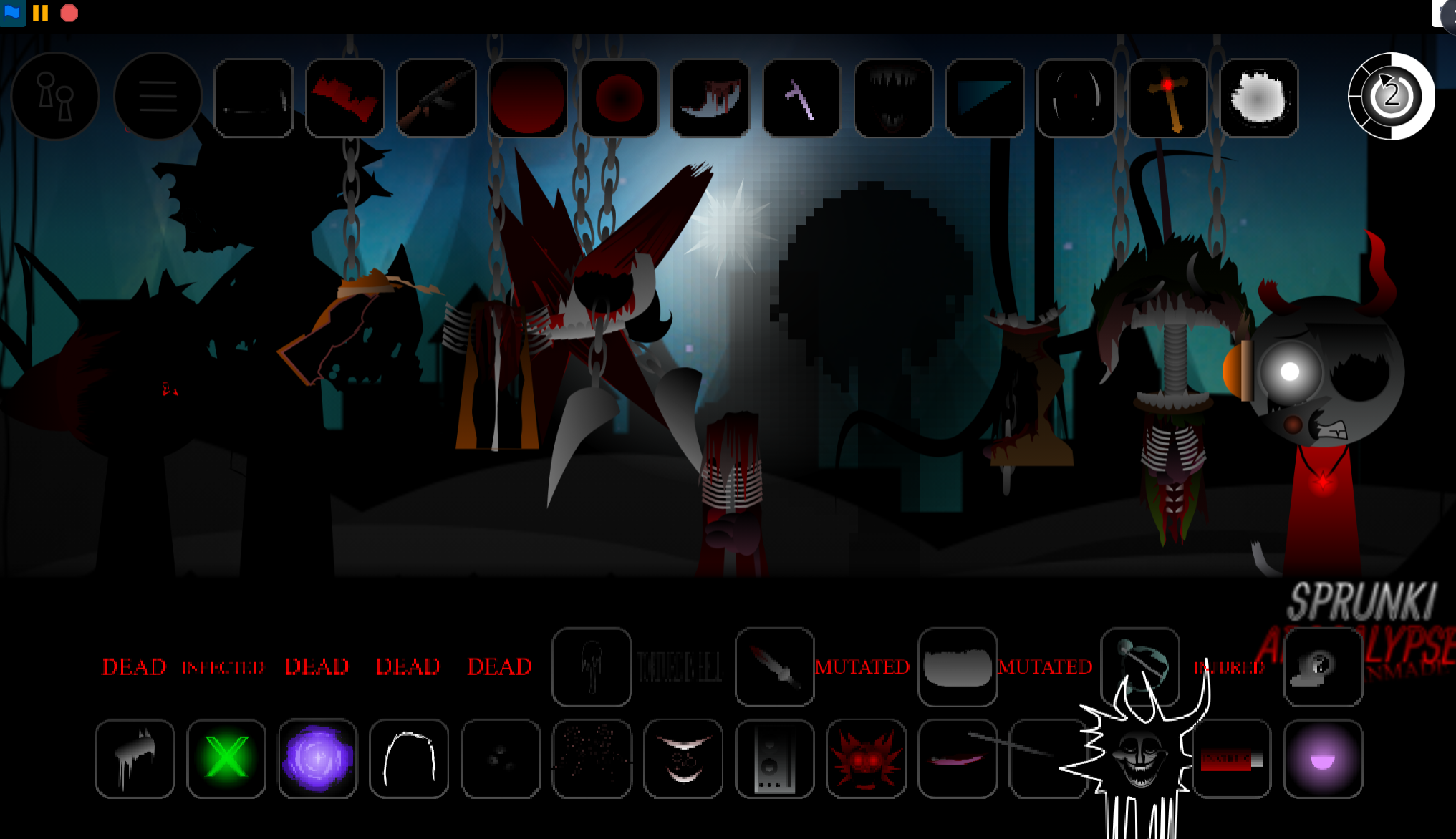
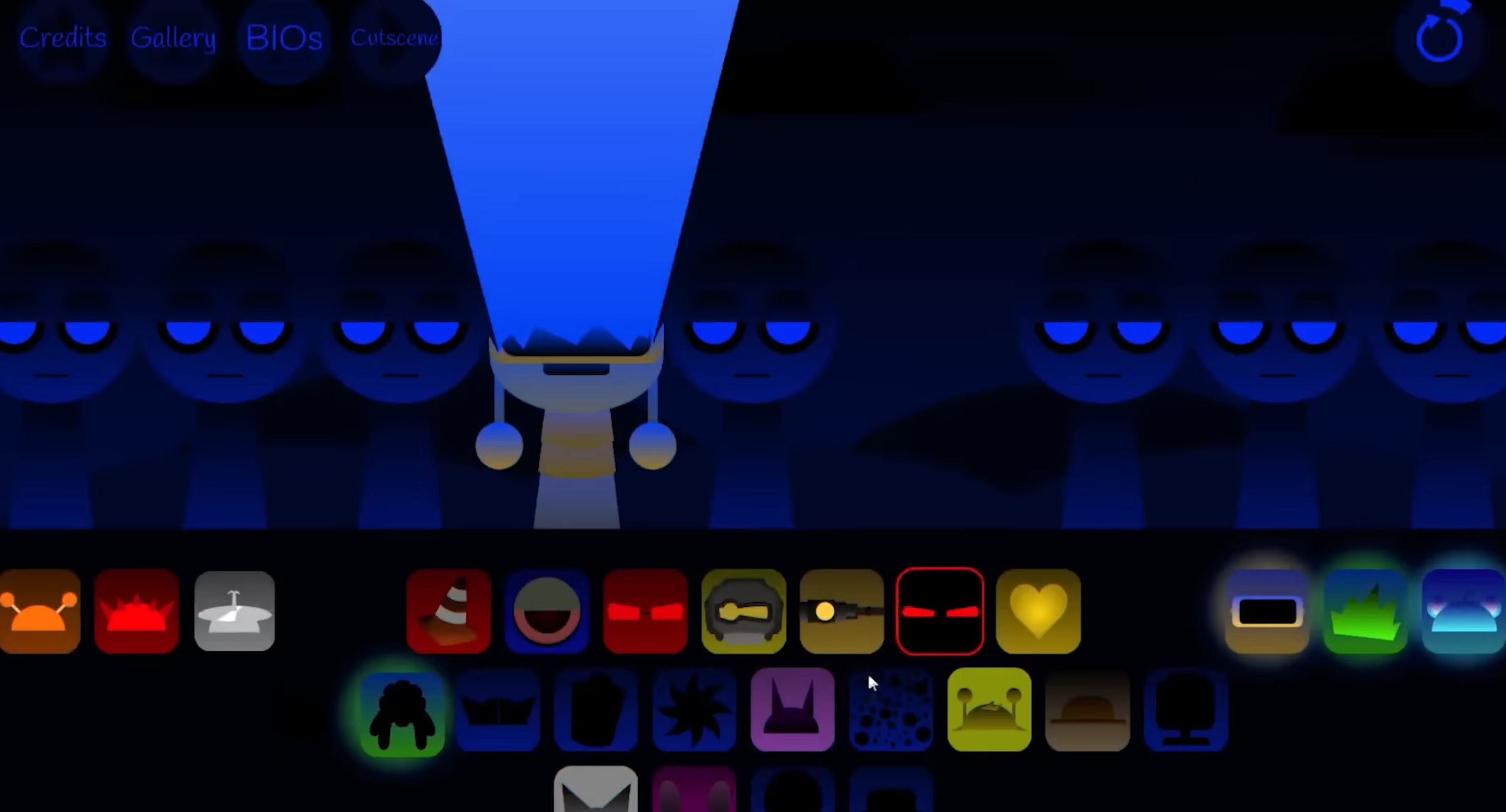
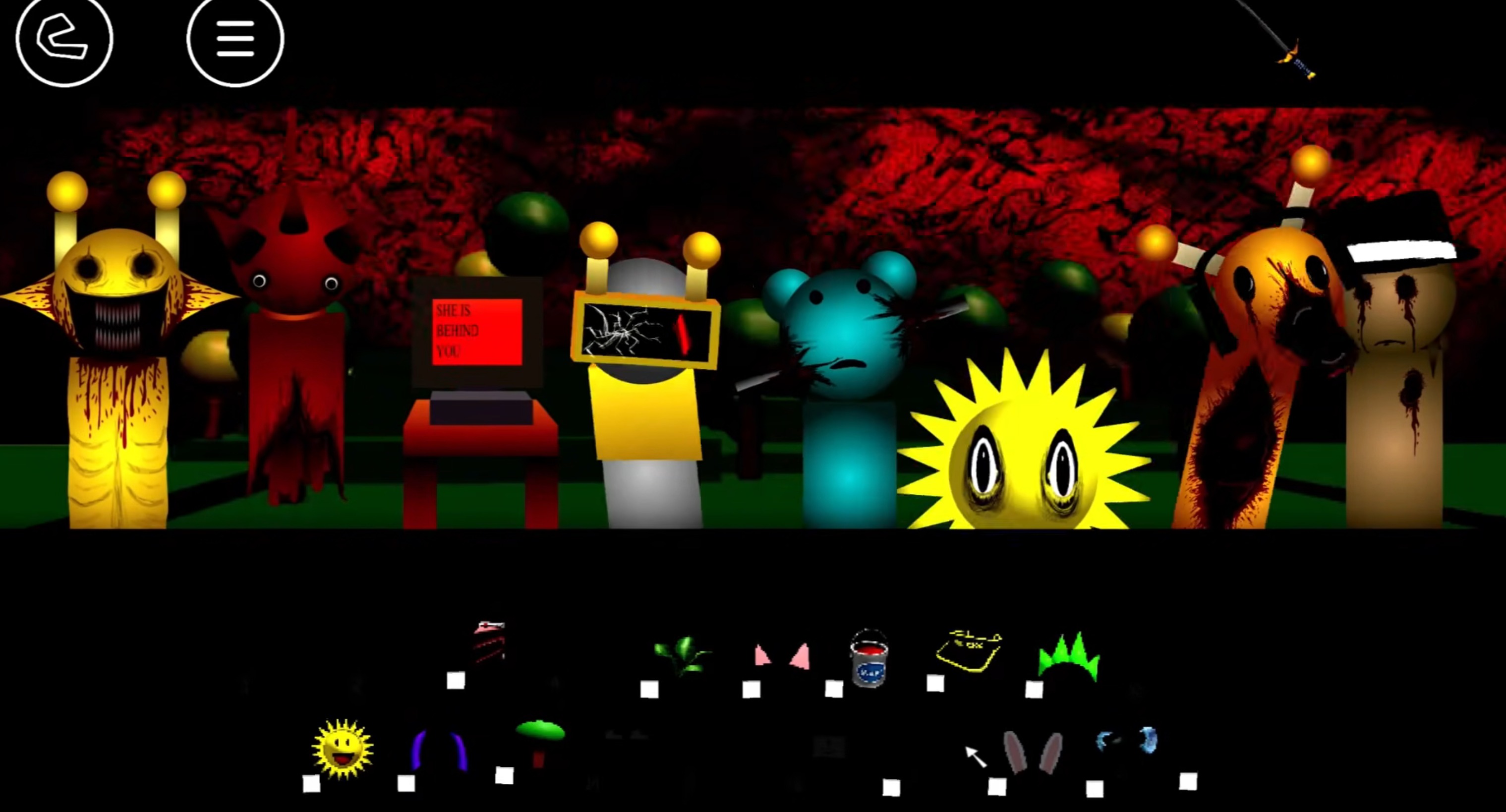
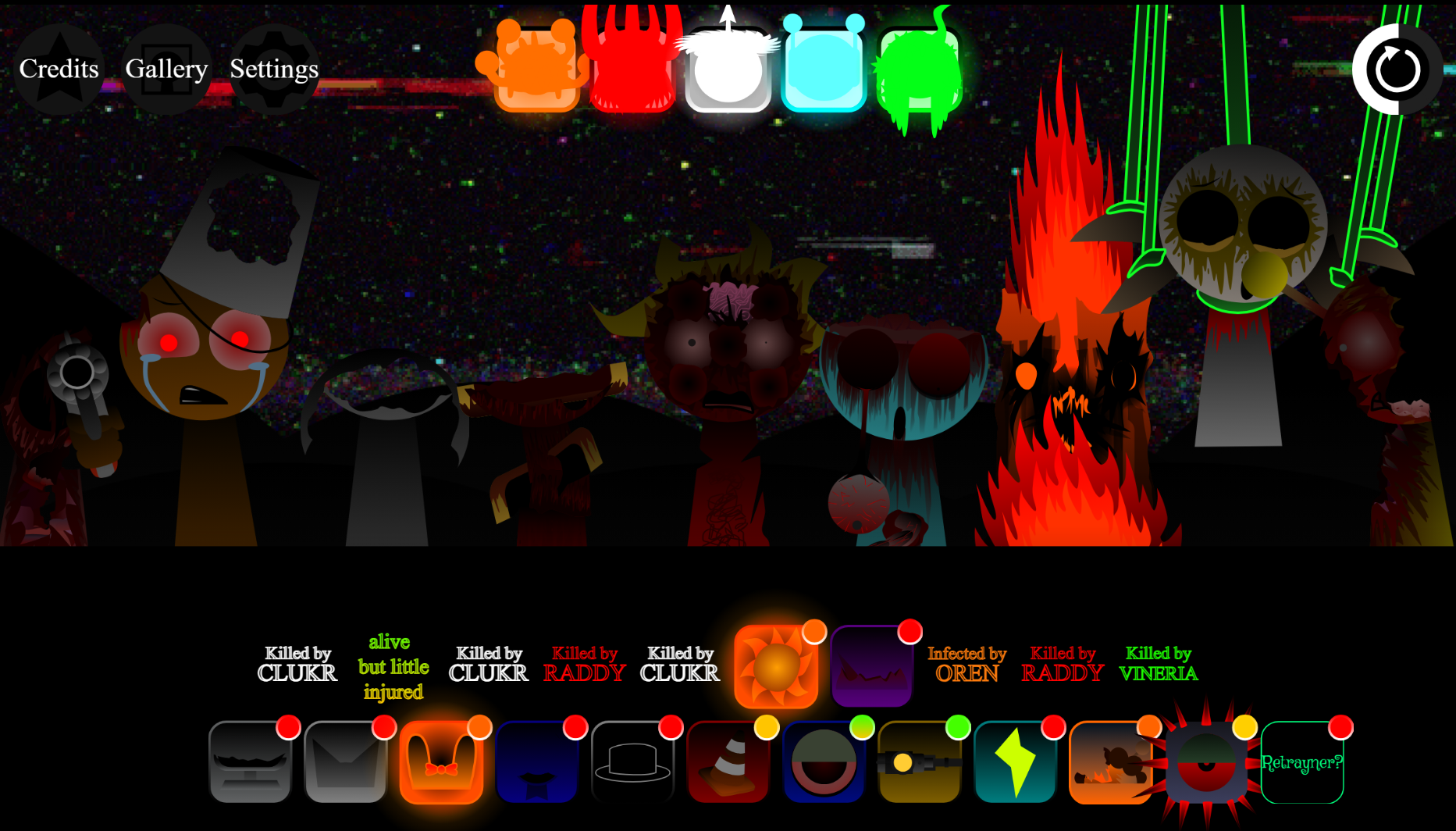
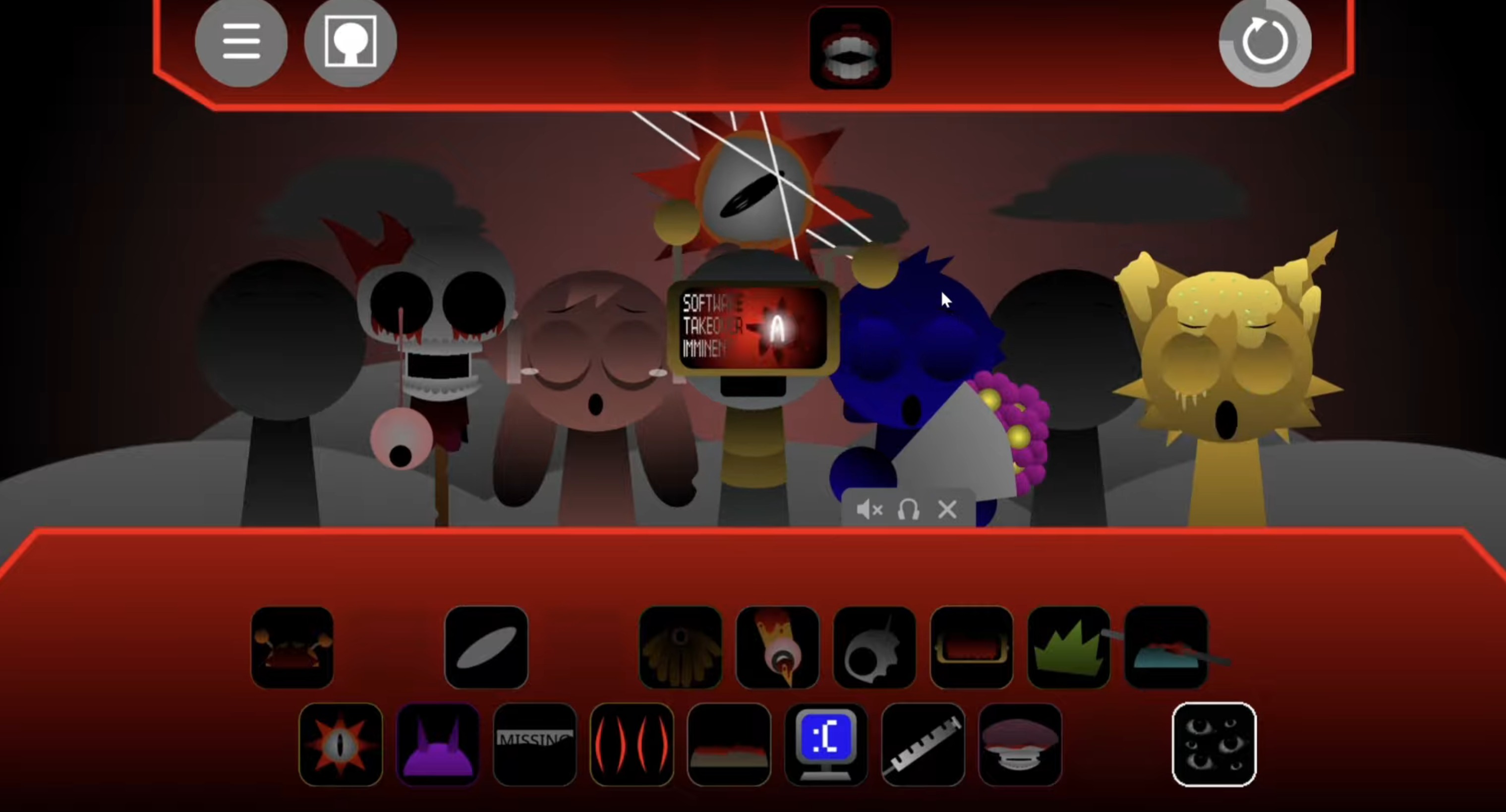
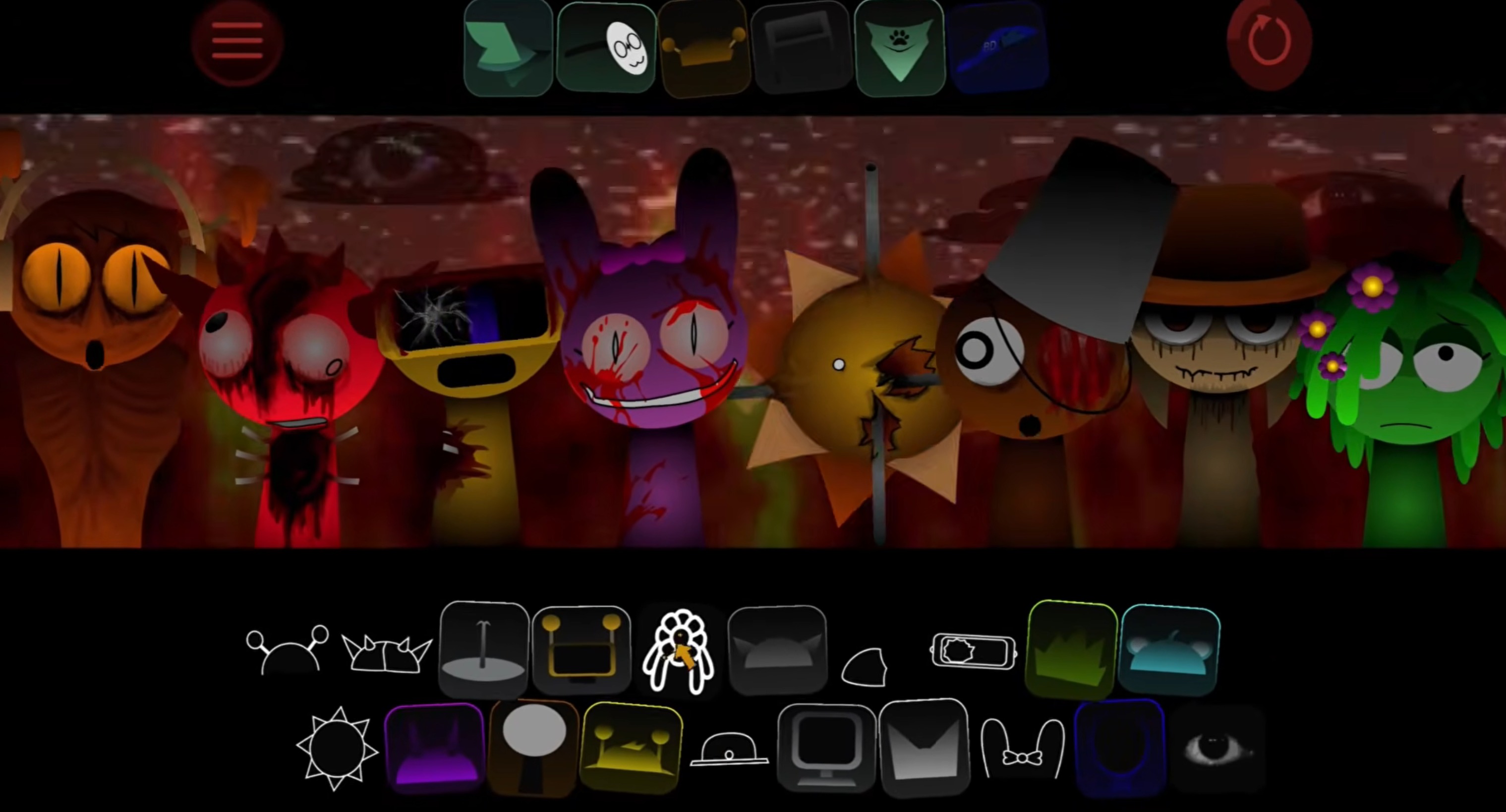
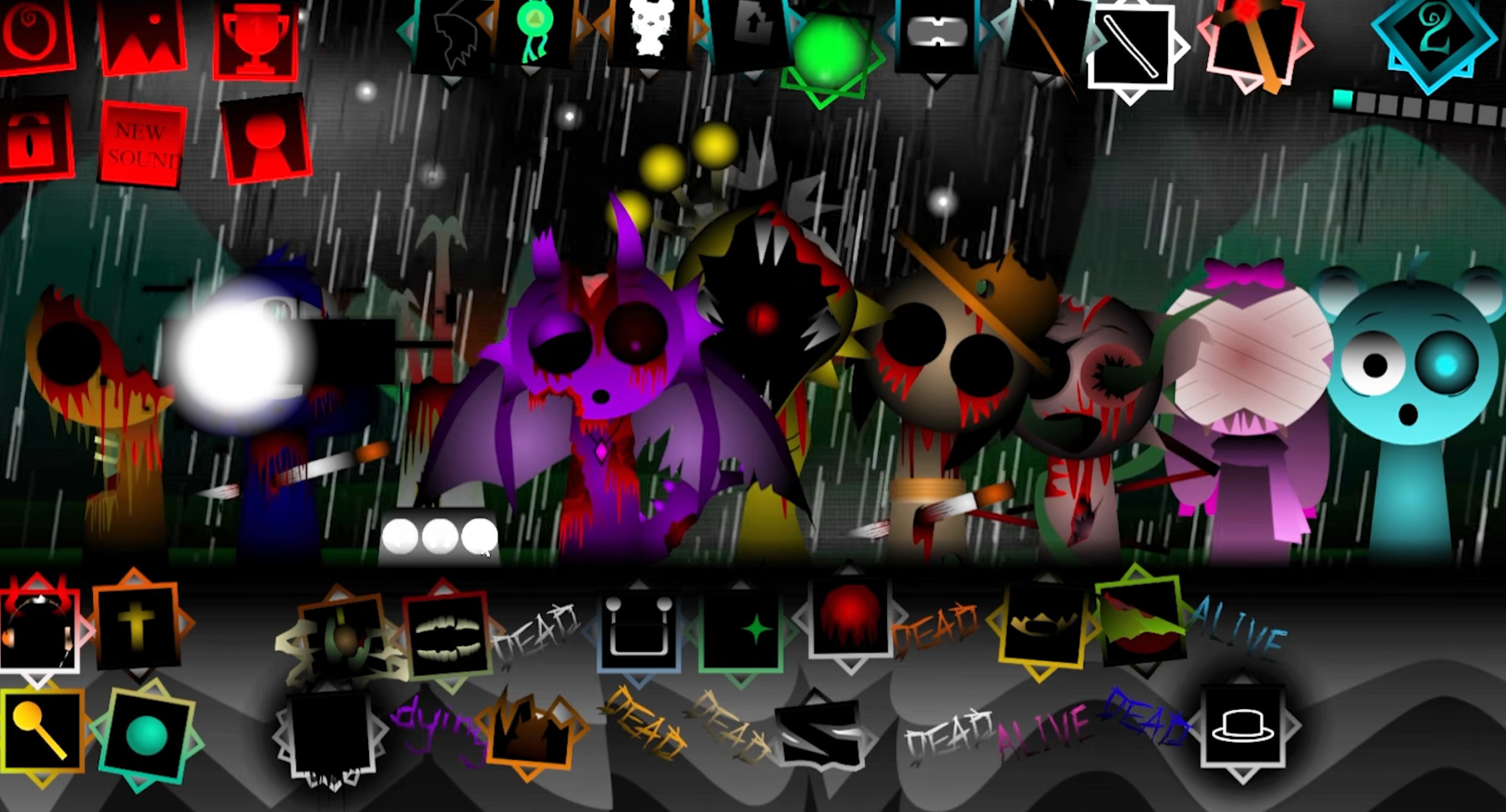
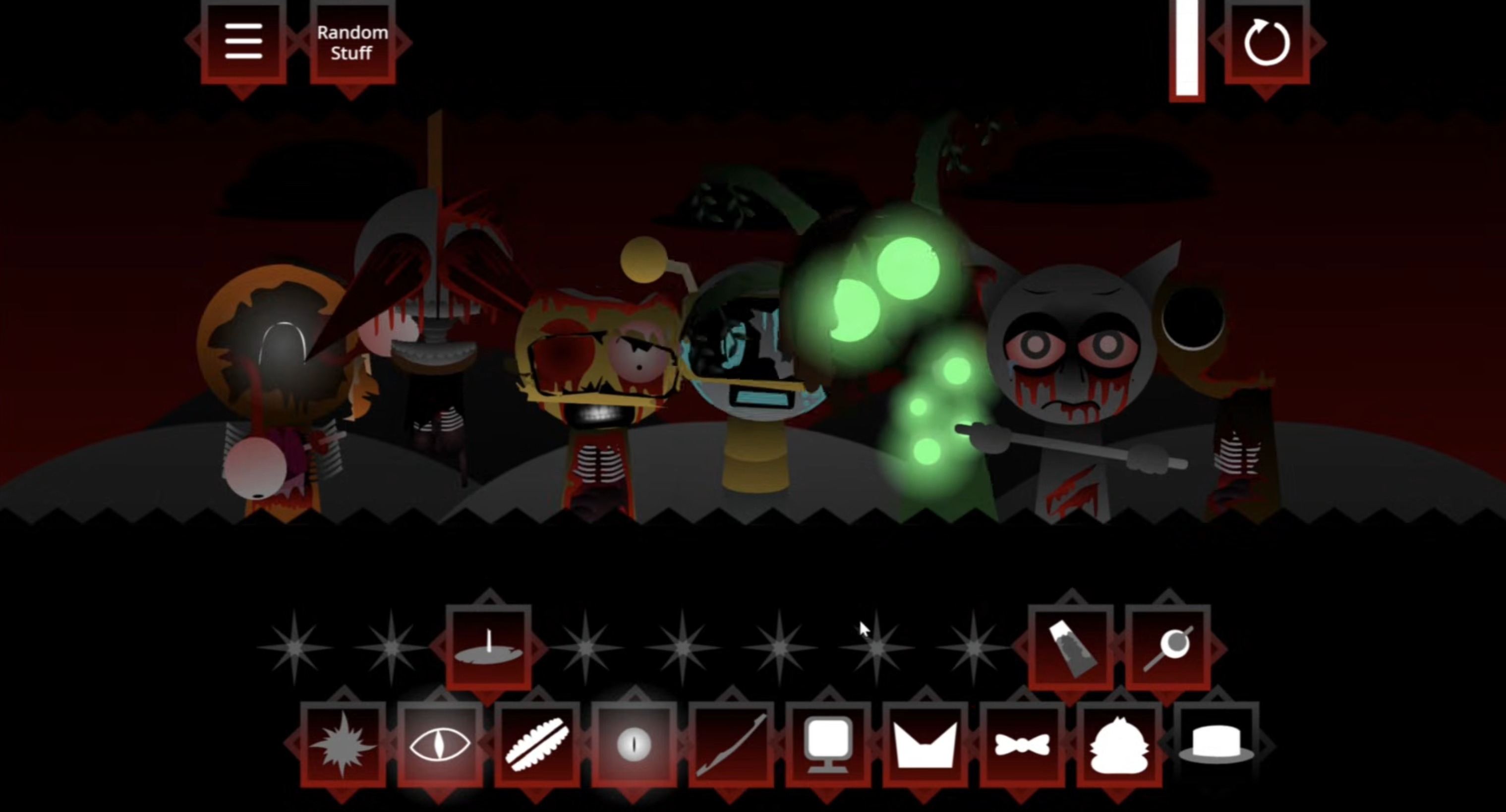
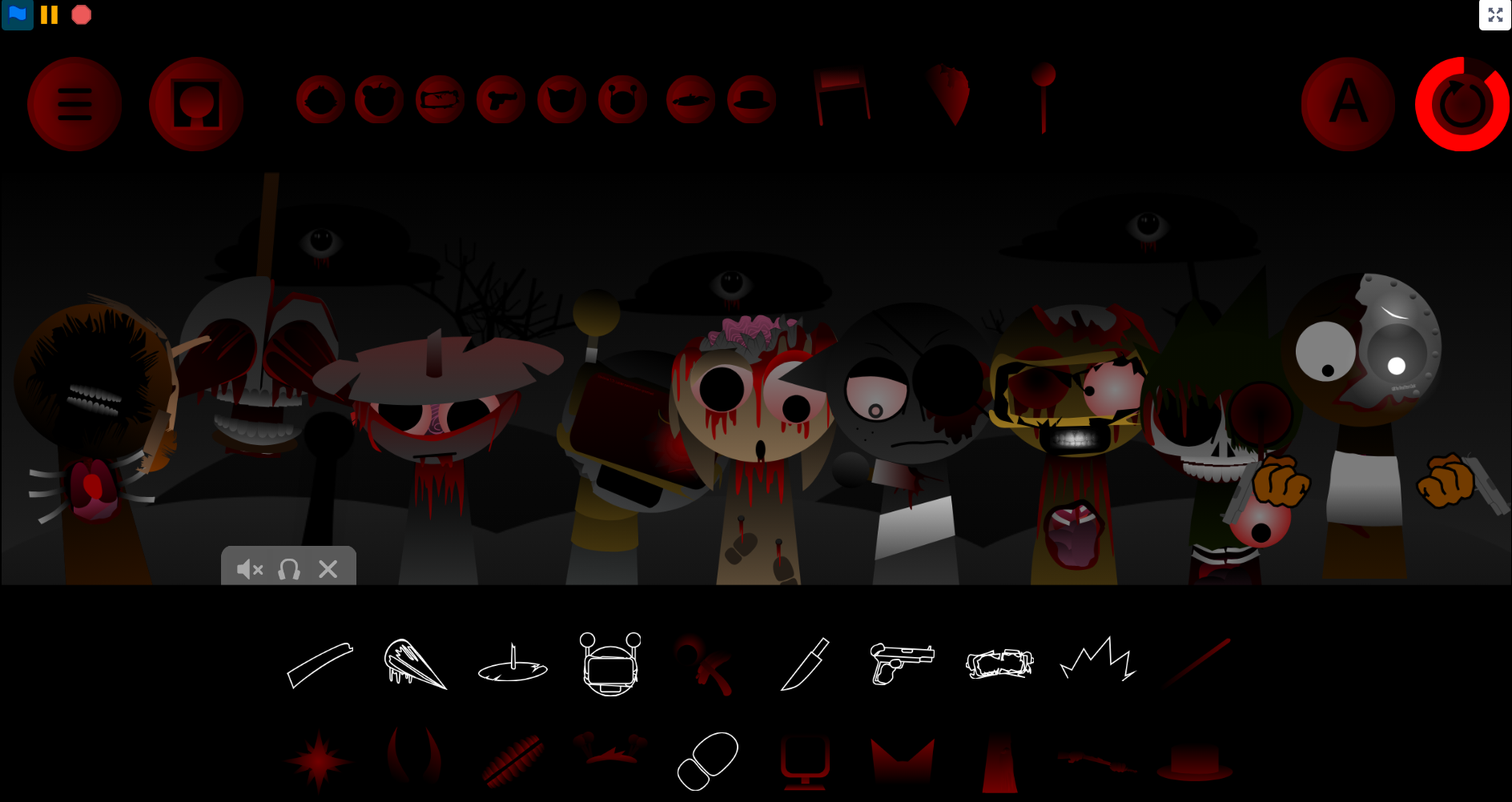
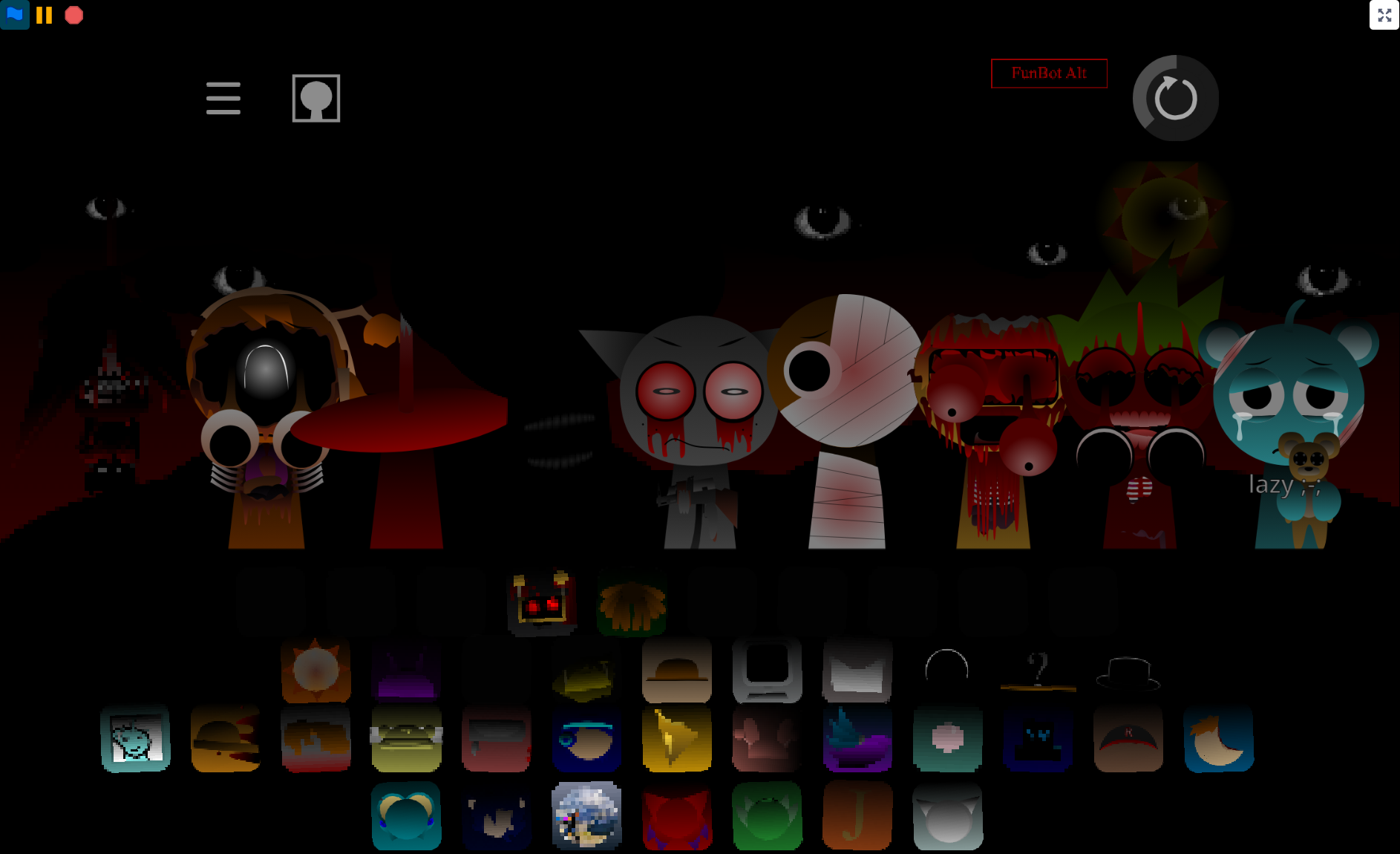
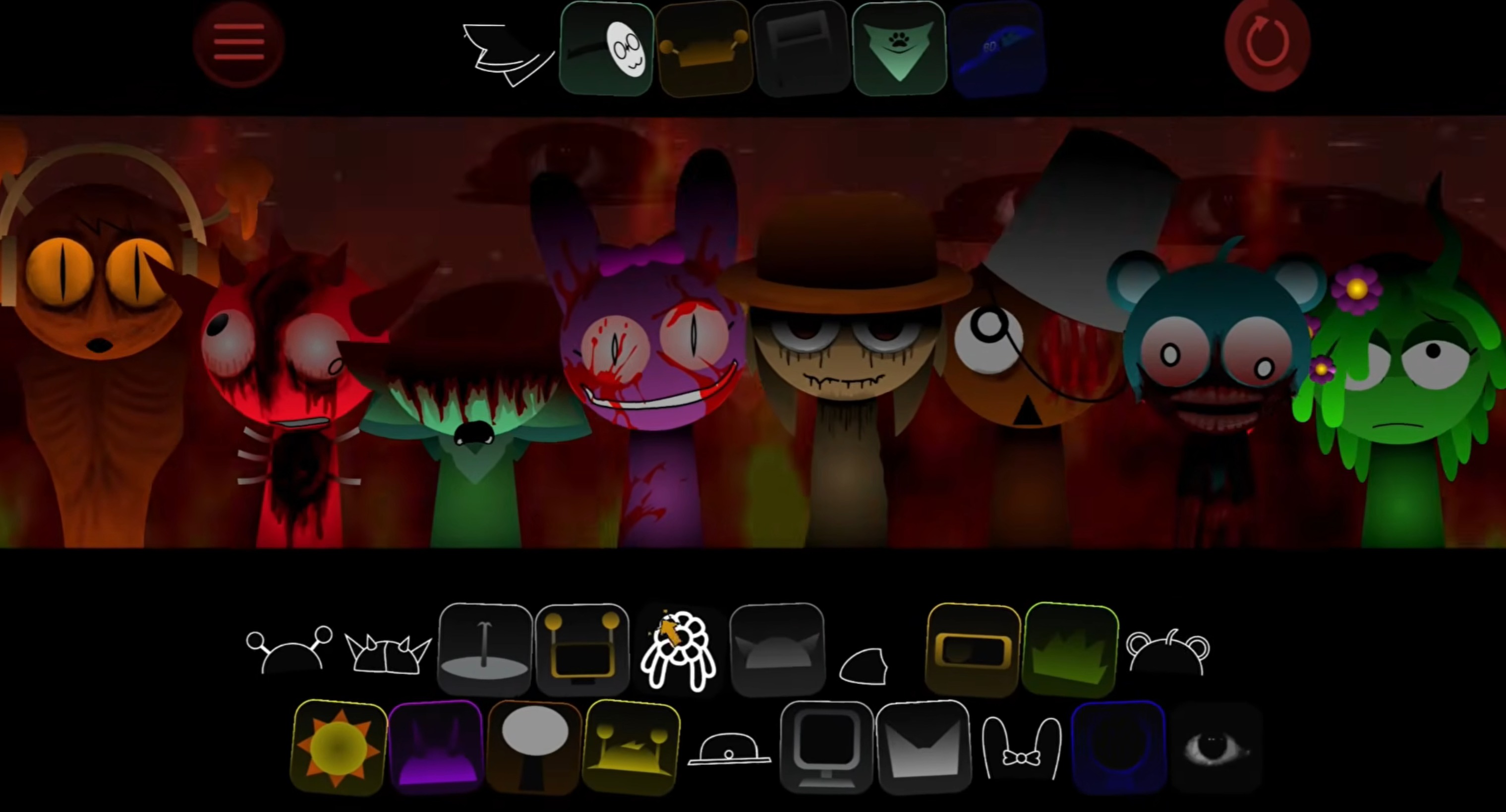
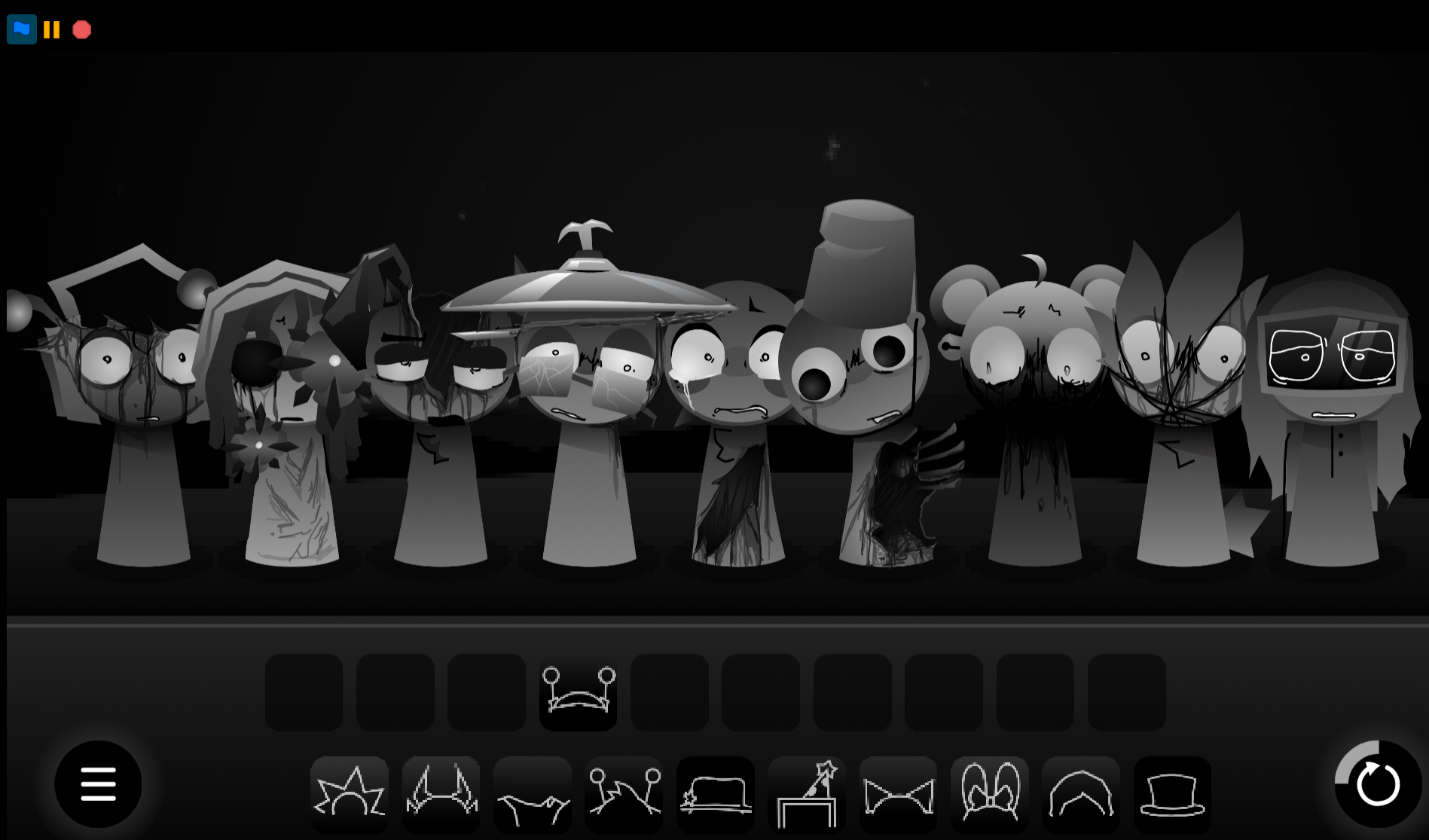
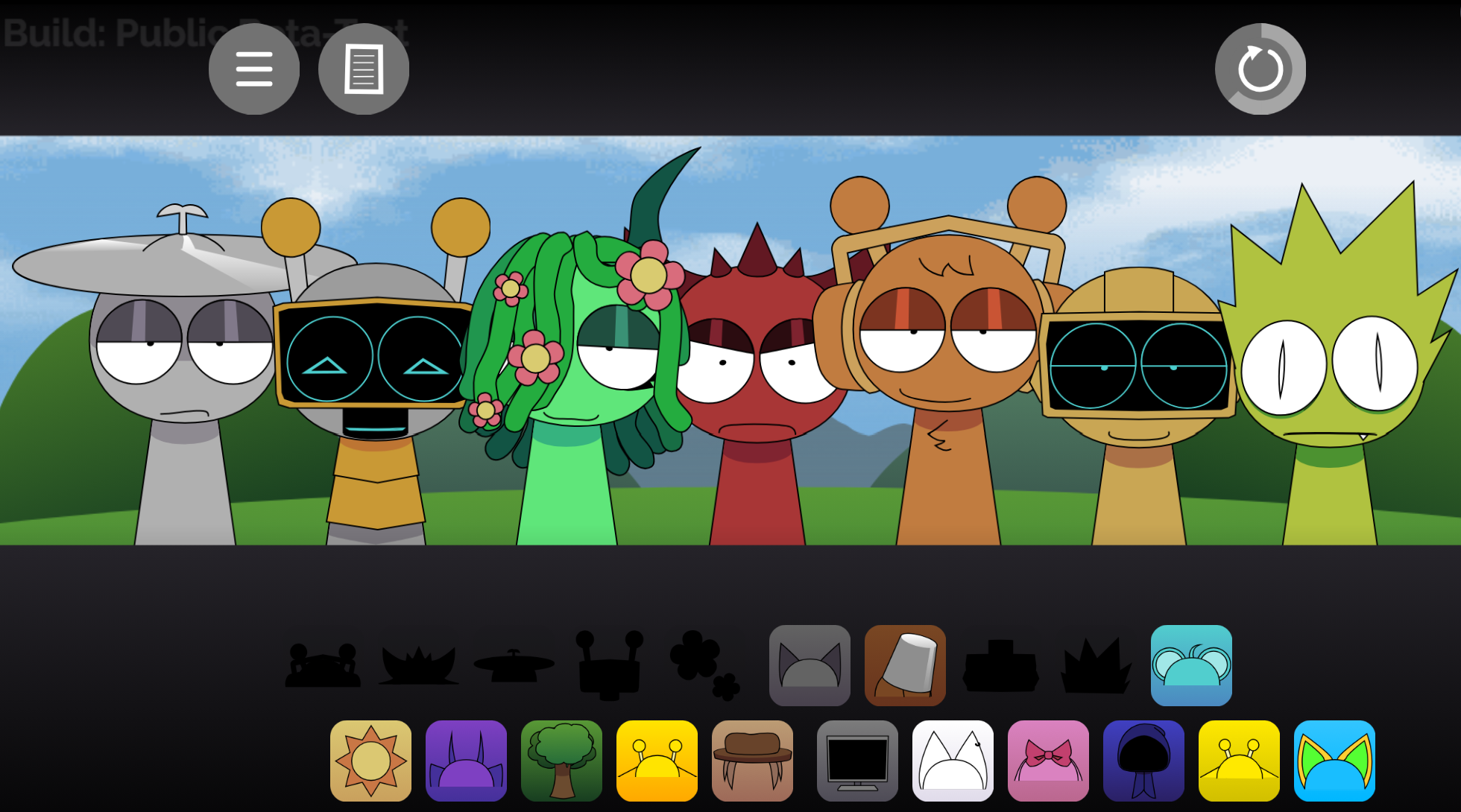
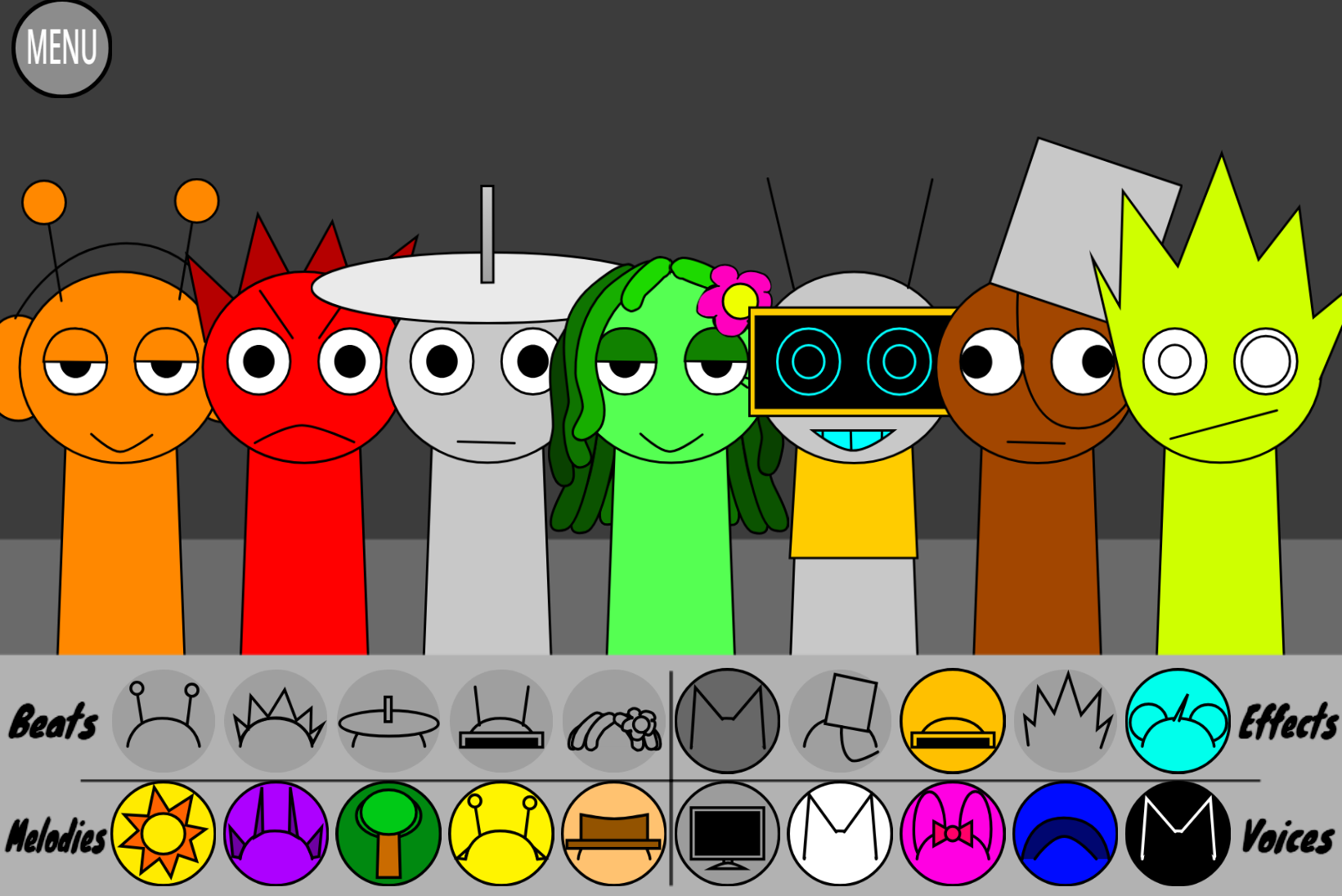
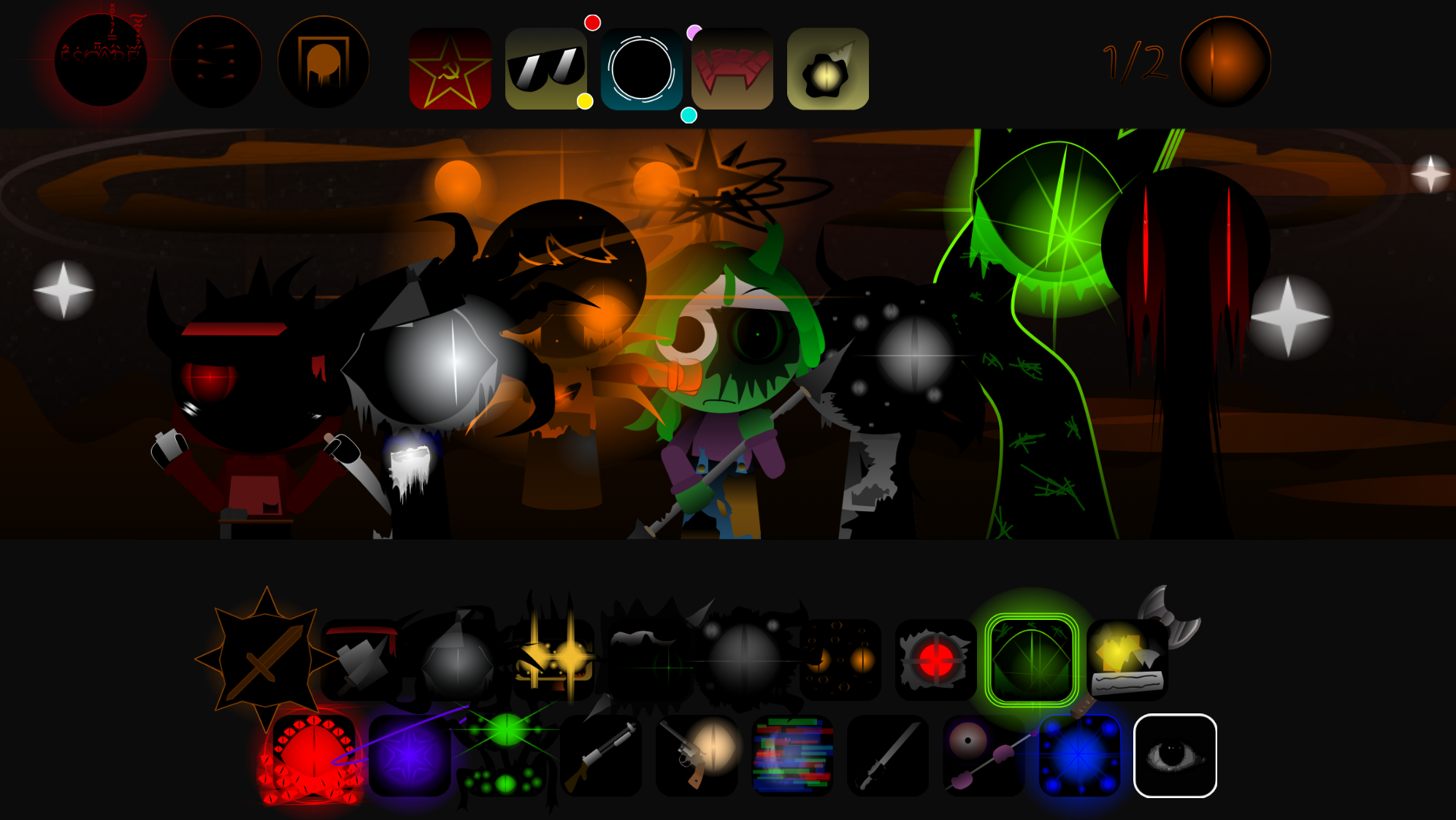

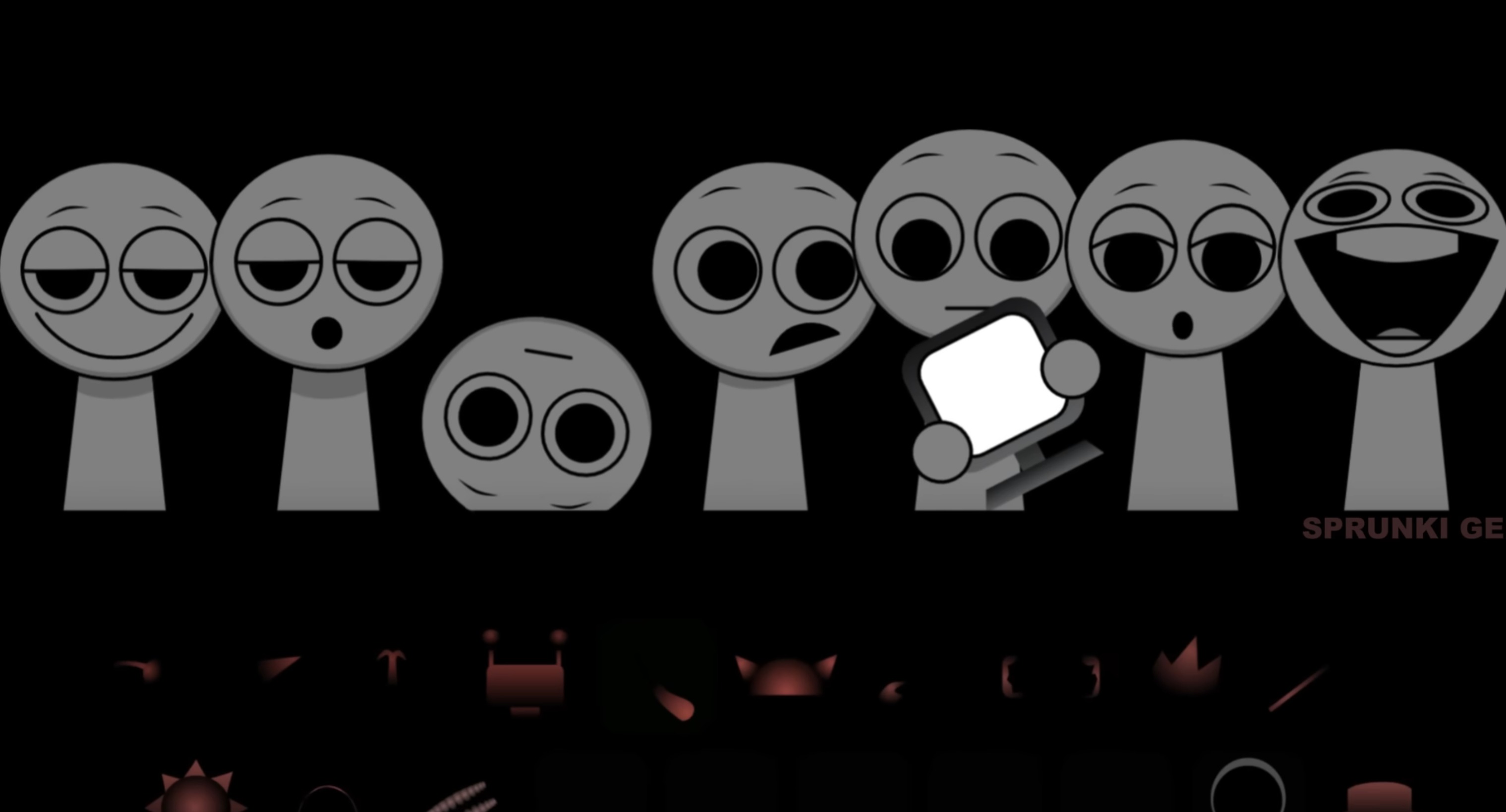
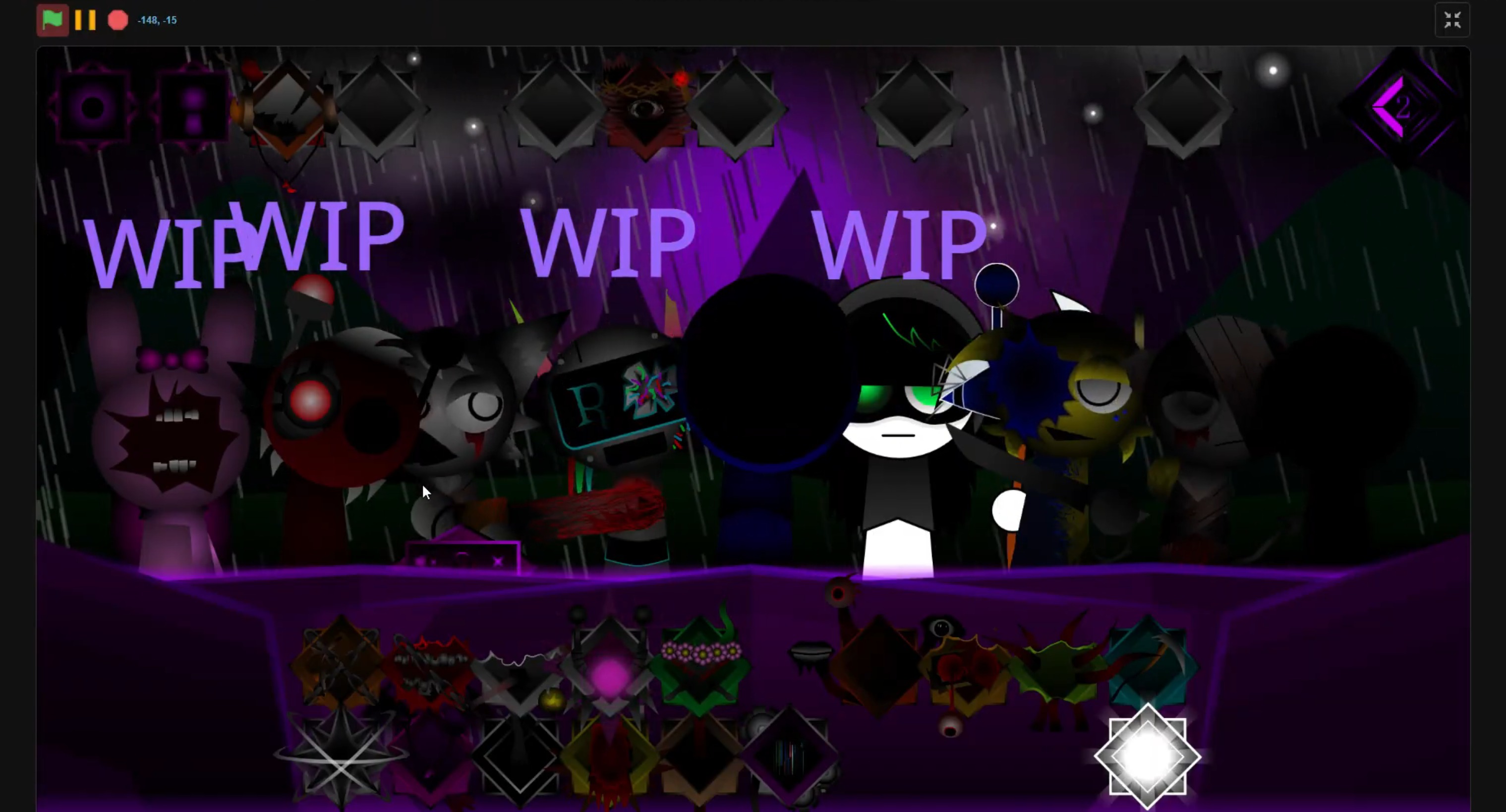
Sprunki Escape From Hospital FULL VERSION flips everything you know about the cheerful Incredibox universe on its head. This isn’t about creating catchy beats or mixing harmonious loops—this is pure survival horror. Developed by passionate community creators, this fan-made game transforms Sky, the gentle grey Sprunki, into a desperate protagonist trapped in a nightmarish medical facility. Armed with nothing but a flickering flashlight and your wits, you’ll navigate blood-stained corridors while evading the terrifying Nurse Moch, who patrols the halls with murderous intent.
Is this game worth playing? Yes—if you’re craving an adrenaline-pumping horror experience that respects classic stealth mechanics while honoring Sprunki lore.
- Expanded Map: Three complete hospital wings (Reception, Patient Wards, Basement Laboratory)
- Multiple Endings: Bad, Normal, and Secret “Hero” conclusions based on your choices
- Enhanced AI: Nurse Moch now responds to sound, light, and movement patterns
- Deeper Lore: Connections to Phase 5 Treatment storyline with collectible evidence files
- New Puzzles: Color-coded keycards, hidden vents, and environmental hazards
This isn’t just another fan project—it’s a fully realized horror experience that stands alongside indie titles. The Full Version addresses early demo complaints by adding save points, difficulty options, and those crucial alternate endings that give replay value.
What is Sprunki - Escape From Hospital?
Sprunki Escape From Hospital FULL VERSION flips the music-making formula on its head. Instead of dropping beats, you’re dodging death. This fan-made game runs in browsers through platforms like Cocrea or Scratch. The shift from rhythm gameplay to survival horror shocked many of us when it first dropped.
You wake up as Sky in a patient room. The door’s locked. No memory of arriving. The walls show bloodstains and peeling paint. Flickering lights cast shadows that make you jump. We quickly realize this isn’t about creating music loops—it’s about staying alive long enough to find an exit.
The setting pulls from Phase 5: The Treatment lore. That medical facility where Sprunkis underwent procedures? This is it, but abandoned and deadly. The “cure” for Black corruption failed. Staff went insane. Patients either died or mutated into something worse. Sky becomes our eyes into this nightmare.
Gameplay borrows heavily from indie horror hits. Think Granny meets Evil Nun, but with Sprunki characters. You can’t fight back. No weapons spawn. Your only defense is hiding under beds or inside lockers. We’ve spent countless runs crouched in a storage closet, listening to Nurse Moch’s footsteps pass by.
The PC-exclusive nature allows for complex systems. Mouse controls camera angles in some versions. Keyboard handles all movement and interactions. This isn’t a mobile tap-and-swipe game. It demands precision timing and strategic thinking. Console ports don’t exist because the mechanics require too many buttons.
Resource management adds another layer. Your flashlight drains battery power. You find replacements scattered in drawers and cabinets. Run out at the wrong moment and you’re stumbling blind through dark hallways. We’ve died more times from missing items in the dark than from actual chase sequences.
The narrative unfolds through environmental storytelling. Notes on desks reveal what happened. Patient files show experiment results. Each document piece together why the hospital became a hunting ground. Sky’s journey isn’t just physical escape—it’s uncovering the truth about the Treatment’s failure.
Gameplay Mechanics: Stealth and Survival
Stealth defines every decision we make in Sprunki Escape From Hospital FULL VERSION. The game punishes reckless players instantly. Sprint down a hallway and Nurse Moch appears within seconds. We’ve learned to crouch-walk through most areas, only running when absolutely necessary.
Sound design plays a crucial role. The game uses directional audio brilliantly. Footsteps in your left ear mean danger approaches from that side. A door creaking behind you signals the Nurse just entered your area. We recommend headphones for the full experience. Speakers don’t capture the spatial awareness needed to survive.
“Listen carefully. Your ears are your best weapon in this hospital.” - Veteran Player Tip
Hiding mechanics require quick reflexes. When chase music starts, you’ve got maybe five seconds to find cover. Beds let you crawl underneath. Lockers provide full concealment. Some rooms have curtains you can duck behind. Each hiding spot has pros and cons. Lockers are safest but limit your view. Beds let you peek out but leave you more exposed.
Nurse Moch’s AI follows specific patterns. She patrols set routes until something alerts her. Knocking over a chair triggers investigation mode. She’ll walk to the noise source and search nearby. If she doesn’t find you, she returns to patrolling. But if you’re still in the area making noise, she enters hunt mode—moving faster and checking hiding spots.
Puzzle-solving gates your progress. You can’t brute-force your way out. The front door needs a key hidden in the administrator’s office. That office requires a blue keycard. The keycard sits in a locked drawer that needs a code. The code is written in a patient file three rooms away. This chain of objectives keeps you moving through dangerous areas.
Item locations randomize slightly between playthroughs. The Main Door Key always spawns in the same general area, but which desk drawer changes. This prevents pure memorization speedruns. You still need to search carefully each time. We’ve wasted precious seconds checking the wrong drawer while Nurse Moch closed in.
Sprint management becomes critical during chases. Your stamina bar depletes fast. Run too long and Sky slows to a walk, gasping for breath. That’s when the Nurse catches up. Smart players sprint in short bursts, ducking into rooms to recover stamina before continuing.
Environmental hazards add extra challenge. Broken glass on the floor creates noise if you walk normally. Crouch to move silently over it. Some doors creak loudly when opened. Others swing quietly. Learning which is which saves your life repeatedly.
Character Guide: Friends and Foes
Sky serves as our vulnerable protagonist. She’s got no combat abilities whatsoever. Her strength lies in agility and small size—perfect for squeezing into tight hiding spots. We control her perspective, feeling her fear through shaky camera movements when danger’s near. Her soft vocals from the music mods are gone, replaced by panicked breathing.
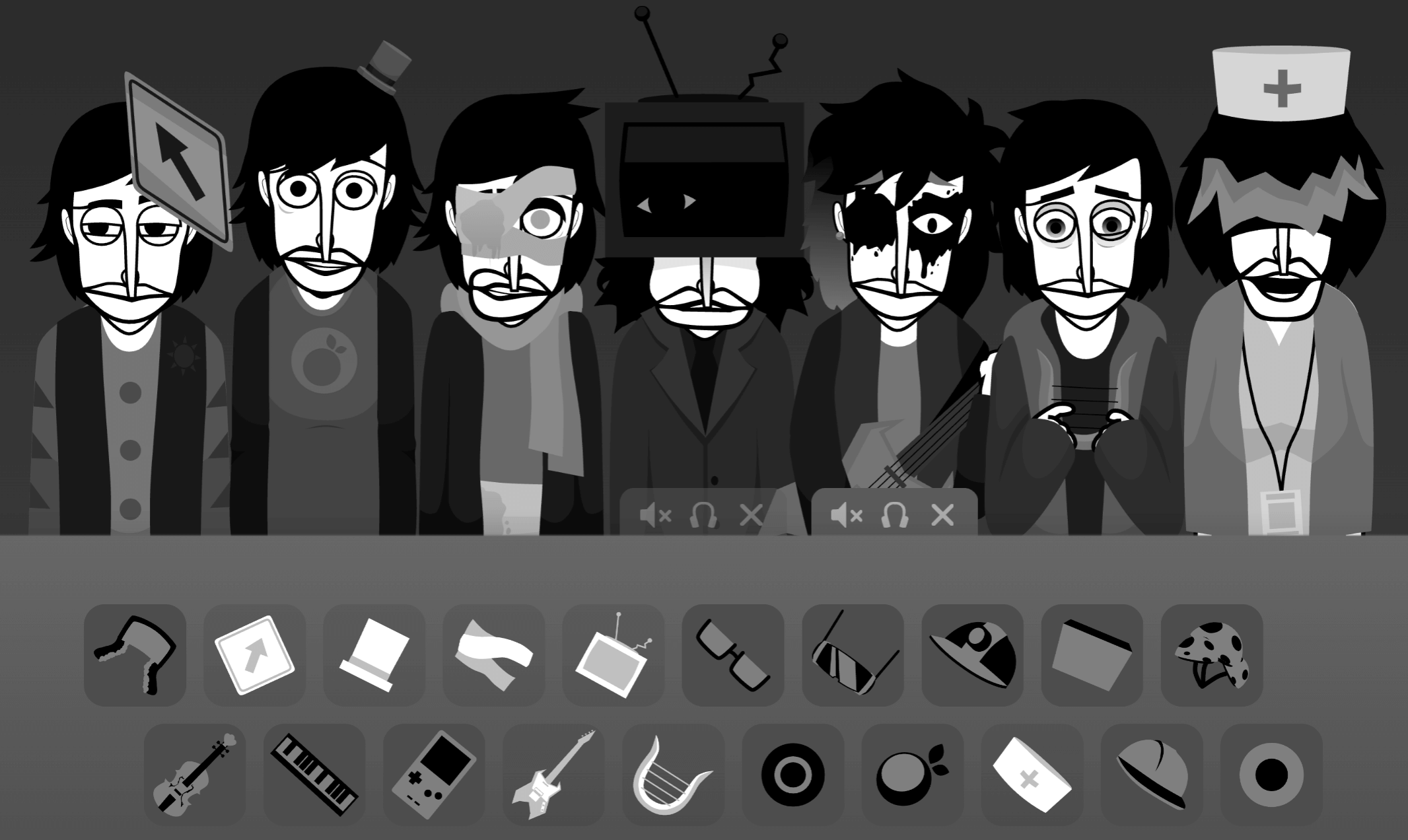
Nurse Moch dominates as the primary threat. She carries a massive syringe or sometimes an axe, depending on the version. Her character model looks like a corrupted medical worker, with bloodstained scrubs and a twisted face. The distorted laugh she makes still haunts our nightmares. Her patrol route covers the main hallways, but she investigates any suspicious sounds.
We’ve studied her behavior extensively. She moves at walking speed during patrols. When alerted, she speed-walks to the noise source. During active chases, she runs slightly slower than Sky’s sprint. This gives you a chance if you’ve got stamina. But she never gives up—she’ll search for a full minute before returning to patrol mode.
Oren appears as a tragic figure. You find him in a locked room, injured and scared. In the Full Version, interacting with him triggers dialogue. He asks for medicine or a key to escape. If you complete his side quest, it affects your ending. Some players report he helps distract Nurse Moch in the final escape sequence.
His presence adds emotional weight. This isn’t just about your survival—others are trapped too. Do you risk extra time helping him, or focus on your own escape? The game doesn’t force a choice, but rewards players who go the extra mile.
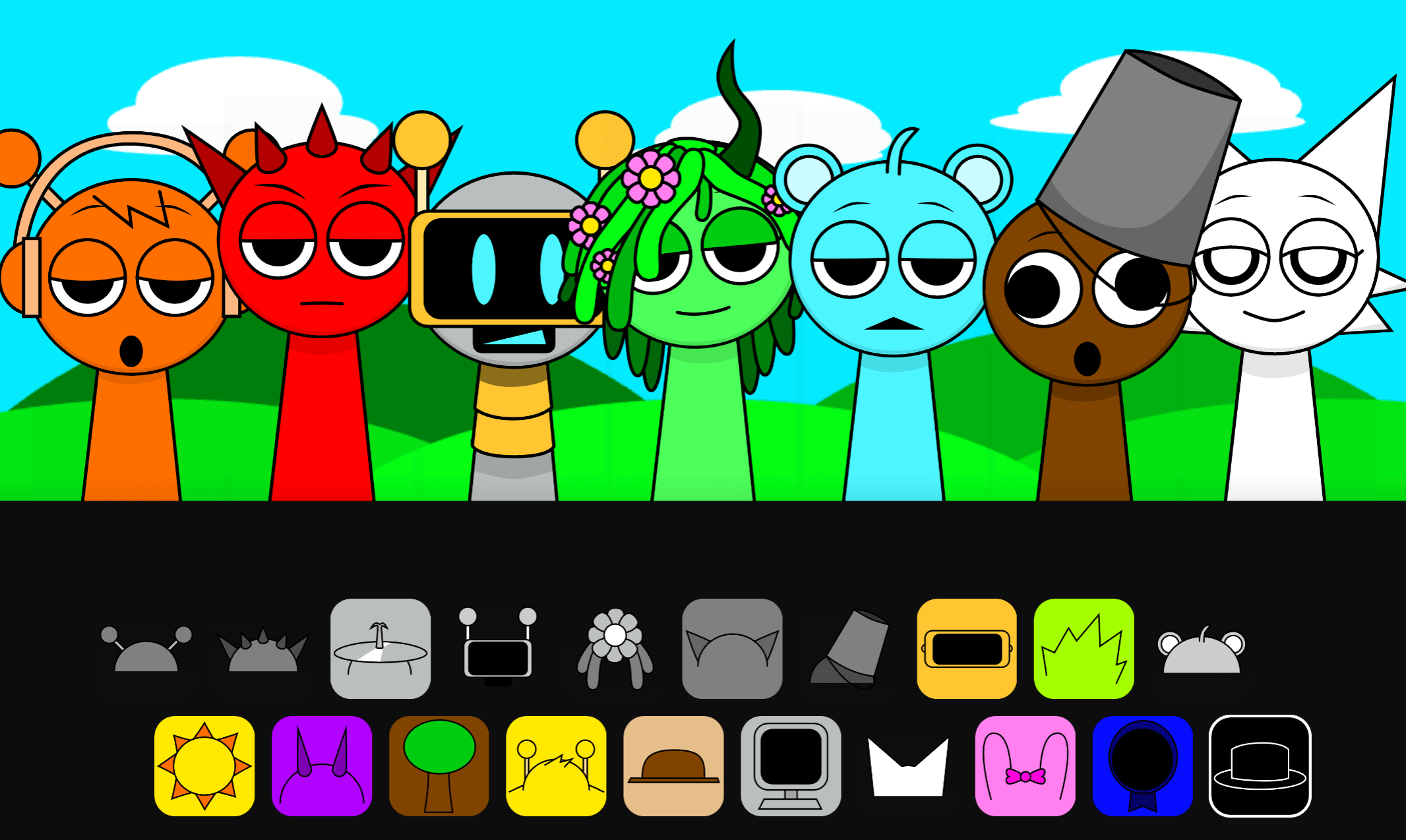
Clukr functions as a robotic alarm system. He’s positioned in key chokepoints throughout the hospital. His cymbal crashes when triggered, creating a loud noise that summons Nurse Moch immediately. We treat him like a motion sensor. Memorizing his locations is essential. Some speedrunners use him strategically, triggering the alarm to lure Nurse Moch away from their intended path.
Other background characters appear as corpses or shadows. They don’t interact but enhance the atmosphere. Patient beds hold covered bodies. Wheelchairs sit empty in corners. These details remind you what happened here—and what might happen to Sky if you fail.
The character roster stays small intentionally. This isn’t a game about managing multiple NPCs. It’s about the cat-and-mouse dynamic between Sky and Nurse Moch, with Oren and Clukr adding strategic complexity.
How to Get All Endings
The Bad Ending is easiest to achieve—just let Nurse Moch catch you. The screen goes black. You hear Sky scream. Then a cutscene shows her strapped to a gurney, being wheeled back to the Treatment room. Medical instruments gleam in the background. It’s disturbing and effective. We’ve seen this ending more times than we’d like to admit during our first playthroughs.
The Normal Ending requires basic completion. Find the Main Door Key in the administrator’s office. Avoid or escape Nurse Moch’s patrols. Reach the front lobby. Interact with the main doors. A cutscene plays showing Sky bursting outside into a dark forest. She runs without looking back, breathing heavily. The hospital lights flicker behind her. Credits roll with eerie music.
This ending leaves questions unanswered. The hospital still operates. Other patients remain trapped. Nurse Moch continues hunting. It’s survival, but not victory. Many players feel unsatisfied and push for the secret ending.
The Secret Hero Ending demands thorough exploration. First, locate the basement entrance. It’s hidden behind a bookshelf in the library. You need the crowbar to pry it open. The basement contains the Evidence Files—documents proving the hospital’s illegal experiments.
Next, find the Master Key in the basement’s locked safe. The safe code is scattered across three different patient files. We recommend writing down numbers as you find them. With the Master Key, you can access the security office.
In the security office, you face a choice (version dependent):
- Release Patients - Opens all locked rooms, freeing survivors
- Call Police - Triggers an emergency call, ensuring authorities arrive
Some versions let you do both. After completing these actions, head to the main exit. The cutscene shows police cars arriving. Nurse Moch gets arrested. Sky reunites with rescued patients, including Oren. The hospital gets shut down permanently. This ending provides closure and feels earned after the extra effort.
Speedrunners have optimized routes for each ending:
- Bad Ending: 30 seconds (just stand still)
- Normal Ending: 8-12 minutes (direct path to key and exit)
- Hero Ending: 25-35 minutes (full exploration required)
The replayability comes from perfecting your route and trying different strategies. Some players challenge themselves to complete the Hero Ending without hiding once, relying purely on stealth and timing.
Similar Games
- Sprunki Simons Realm Simulator Phase 1
- Sprunki but Murder Drones
- Sprunke Yandere Simon GREAT COMEBACK
Final Words
Sprunki Escape From Hospital FULL VERSION transforms beloved rhythm game characters into instruments of terror, delivering a genuinely chilling experience that respects both horror traditions and Sprunki lore. This browser-based survival game proves fan creations can rival professional indie titles when crafted with passion and attention to detail.
Sky’s desperate flight through blood-soaked corridors offers three distinct endings—each rewarding different playstyles. Casual players find satisfaction in the Normal Ending’s straightforward escape, while dedicated explorers uncover the Hero Ending’s narrative closure through basement investigations and patient rescues. The Bad Ending serves as a grim reminder that one mistake means becoming another Treatment casualty.
Nurse Moch’s adaptive AI creates authentic tension through sound-reactive hunting patterns. Mastering stealth mechanics—flashlight discipline, crouch-walking past alarm characters like Clukr, memorizing patrol routes—separates survivors from victims.
The Phase 5 Treatment connections enrich every discovered document, transforming environmental storytelling into a cohesive tragedy about medical experiments gone catastrophically wrong.
Discuss
Loading comments...
Failed to load comments. Please try refreshing the page.