
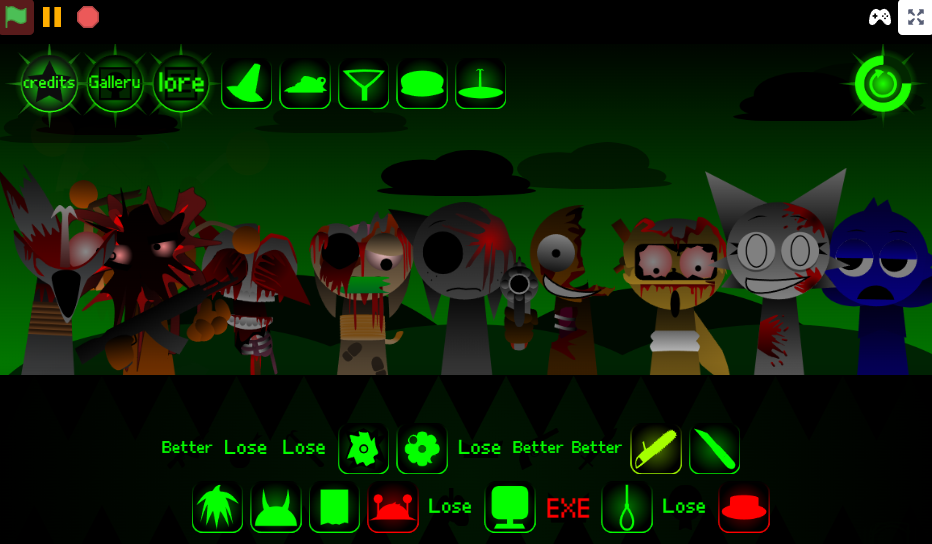
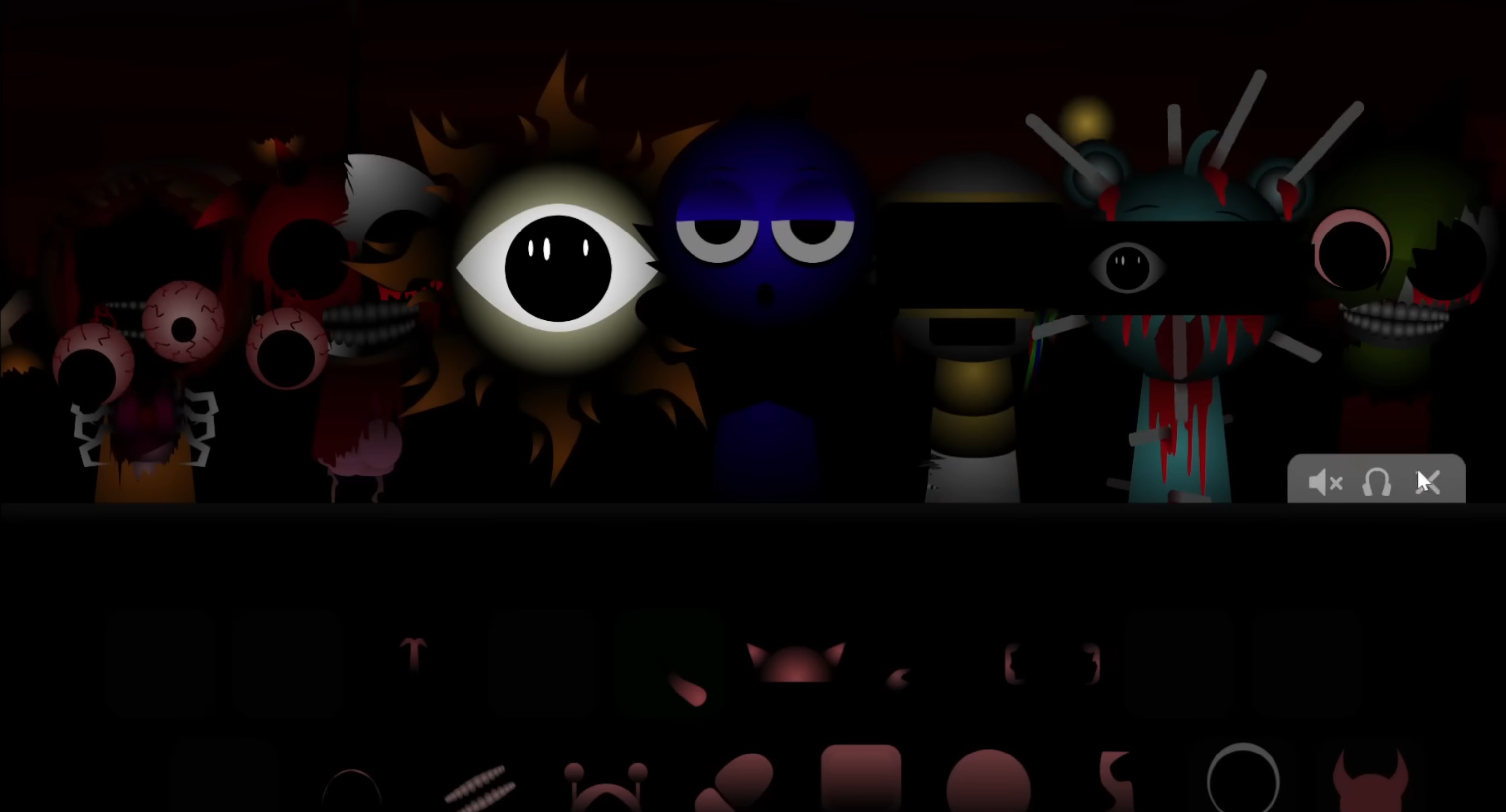
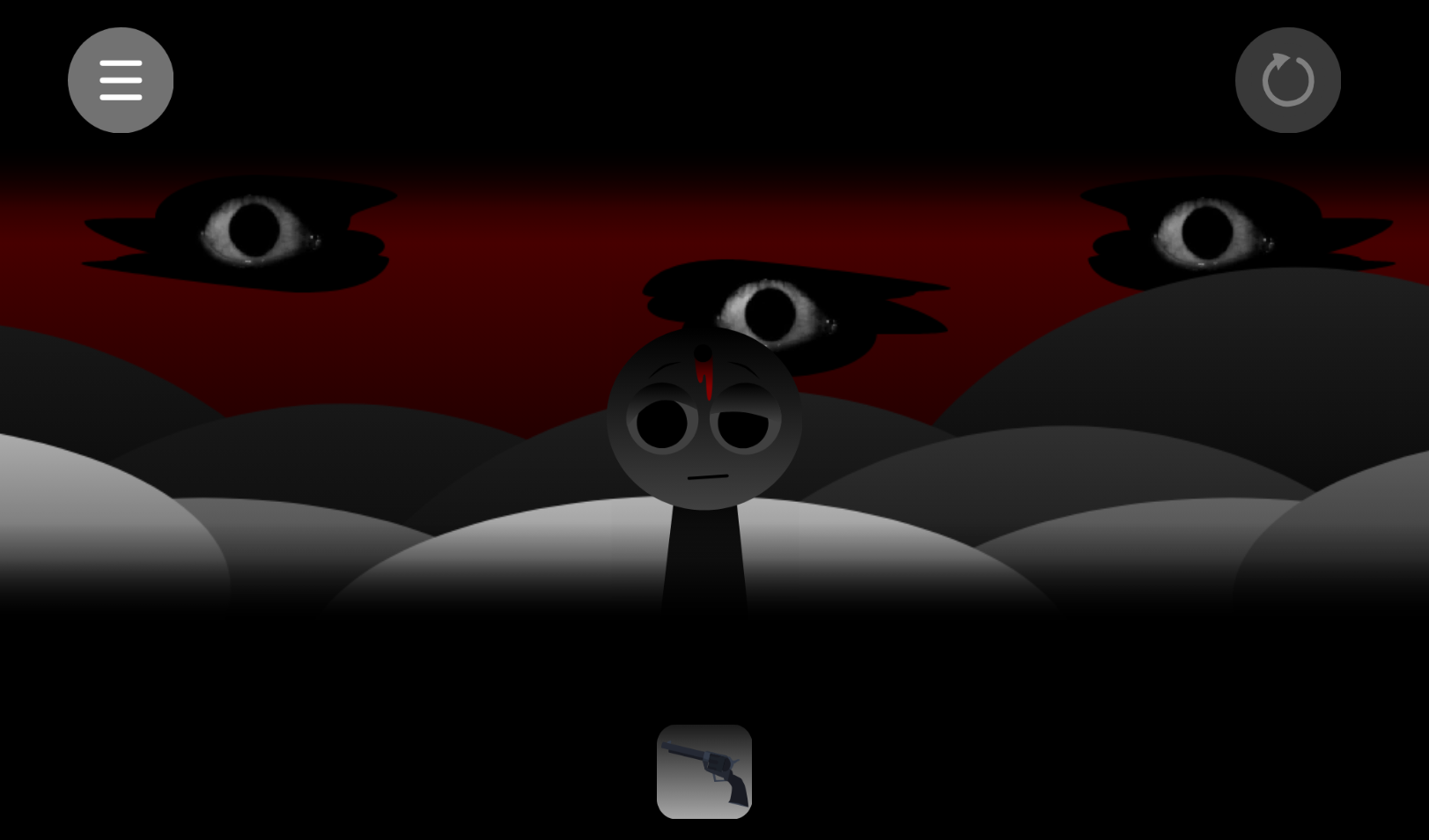
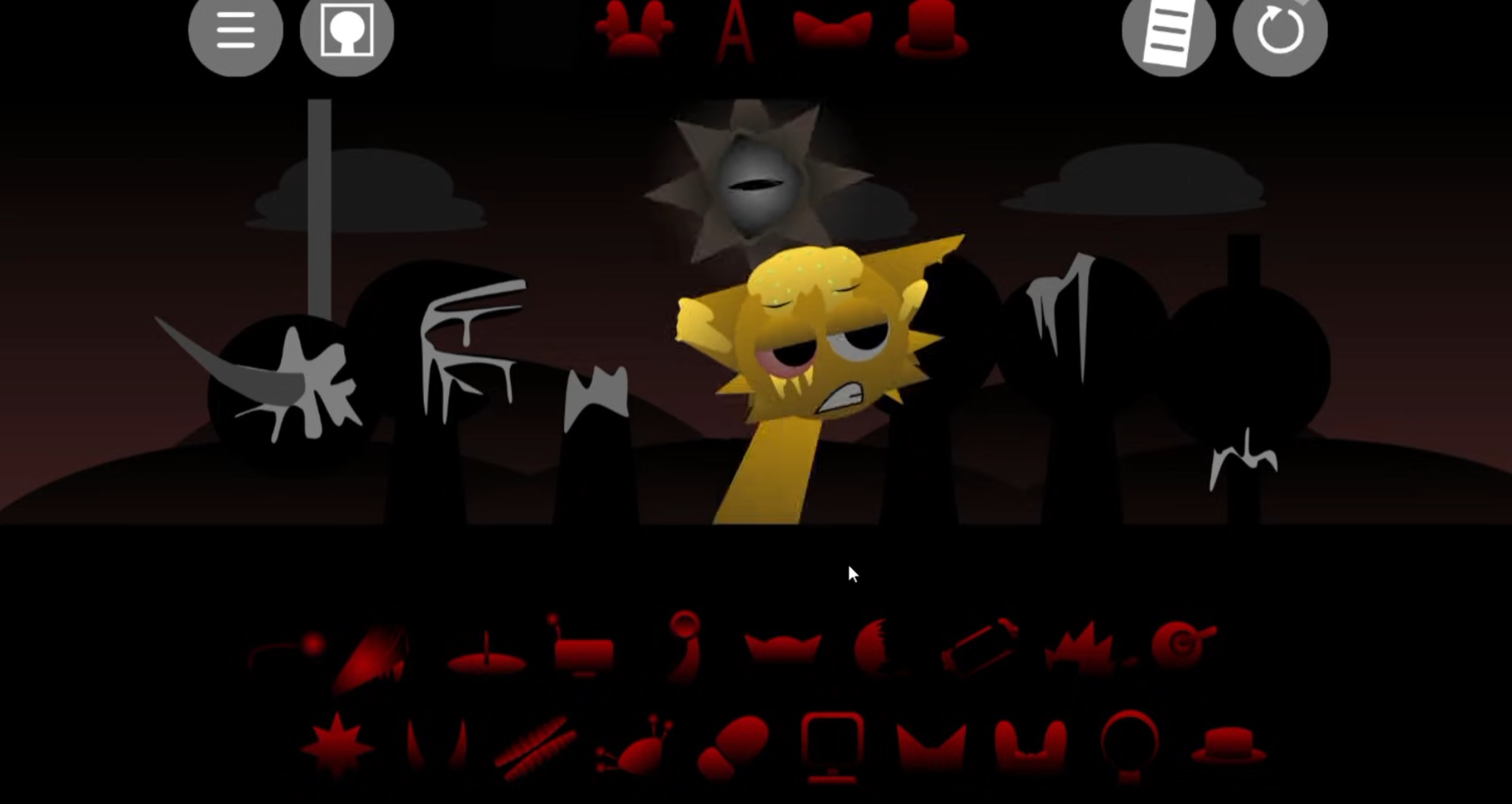
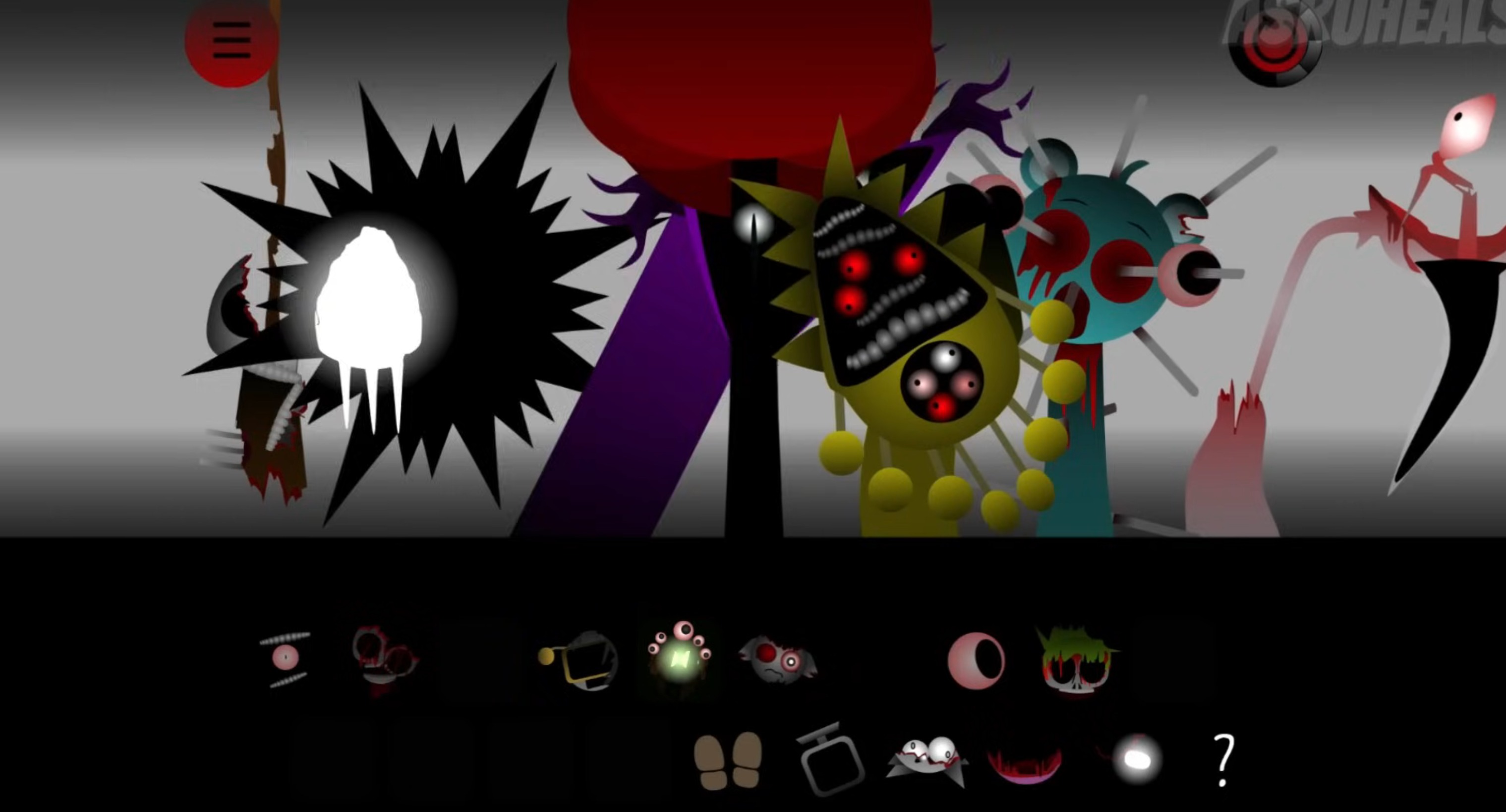
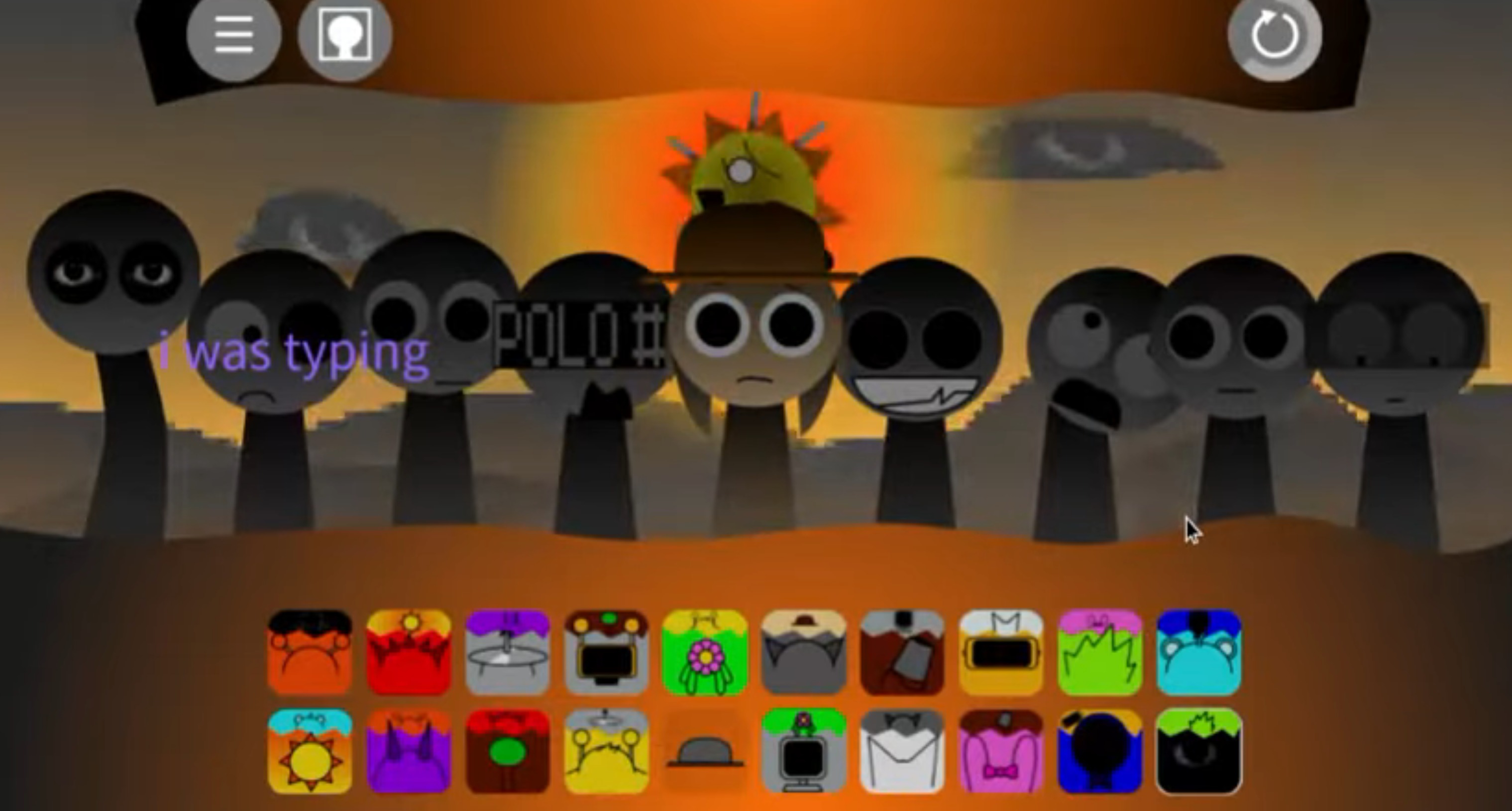
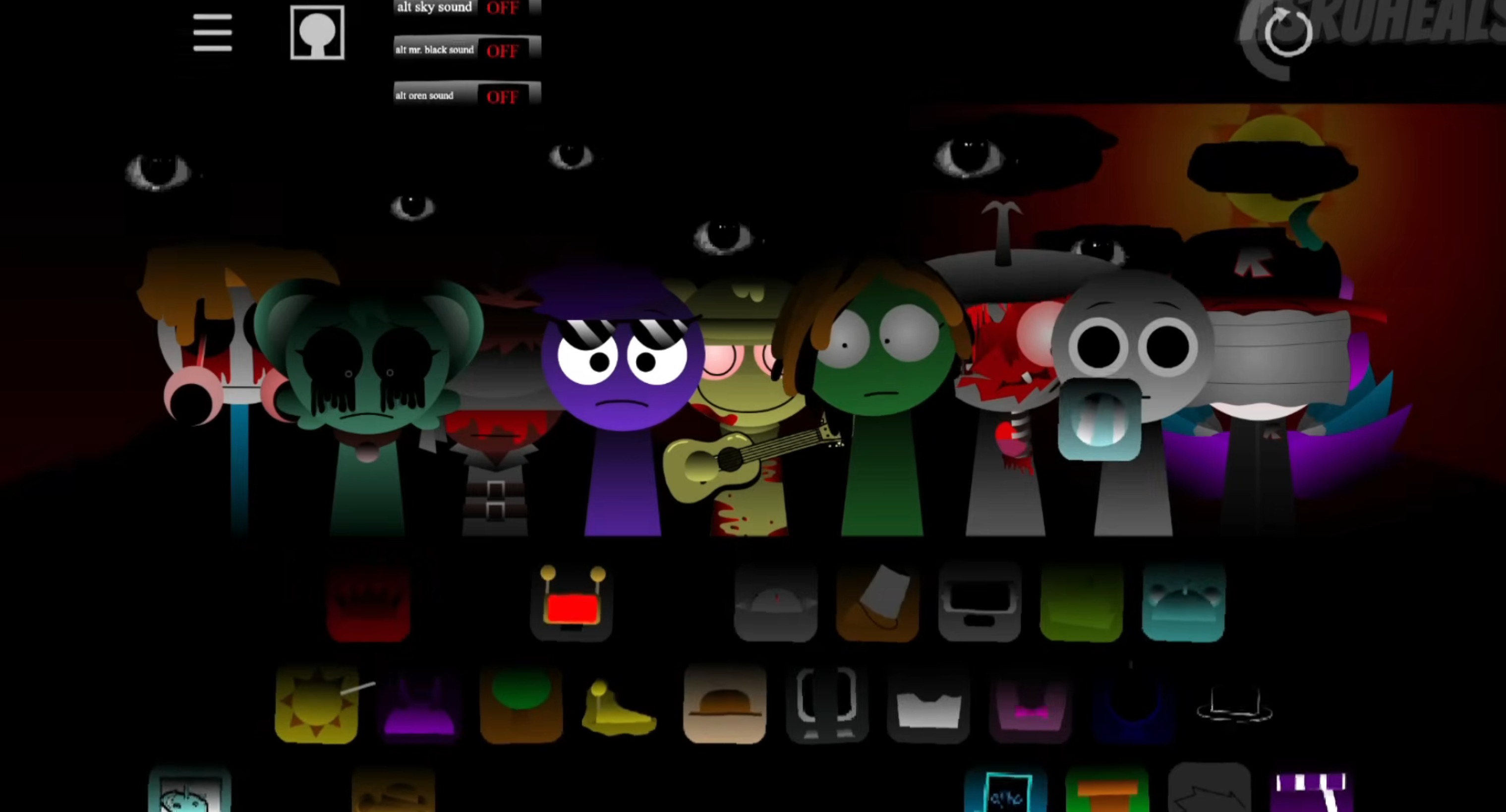
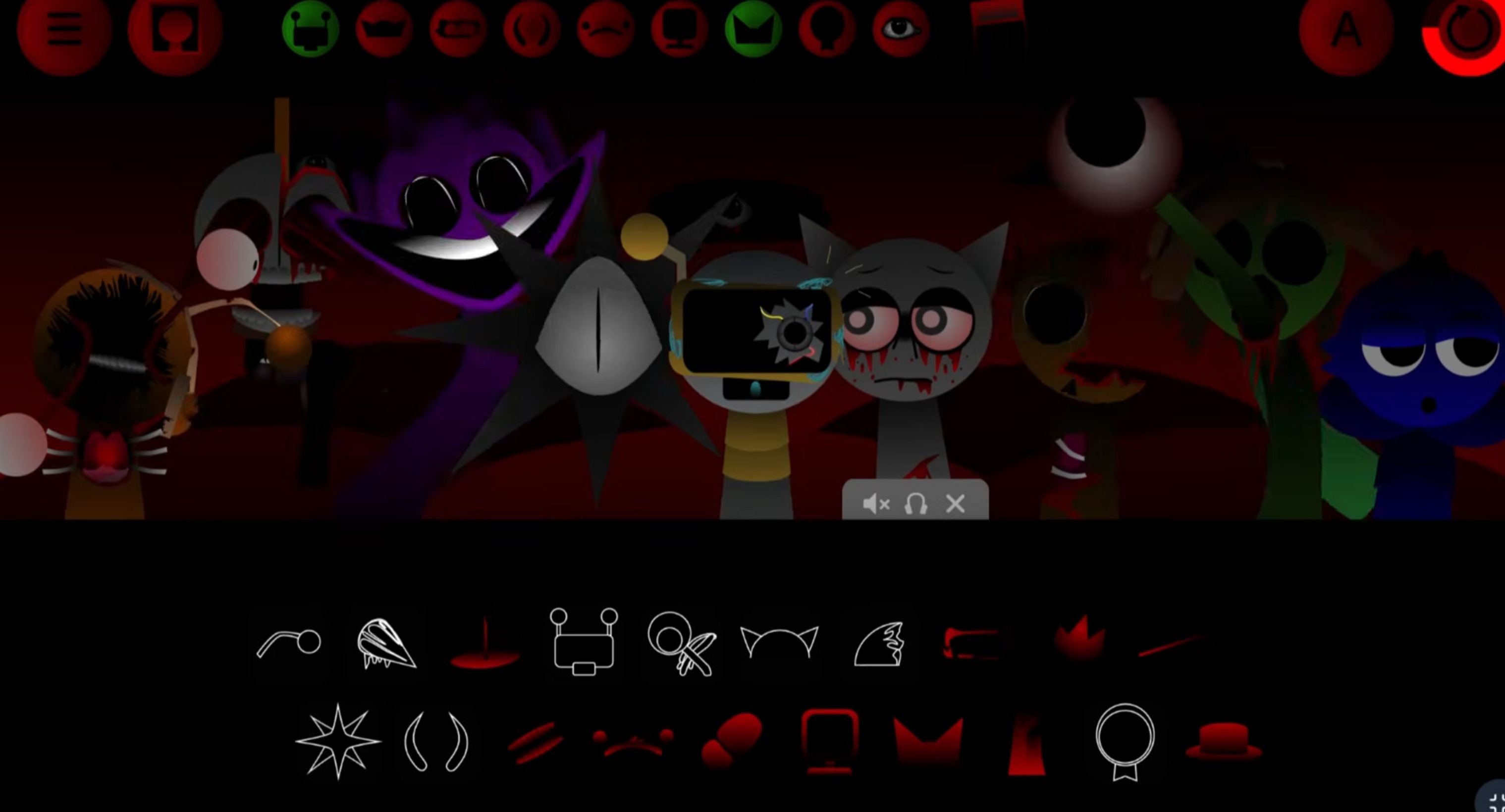
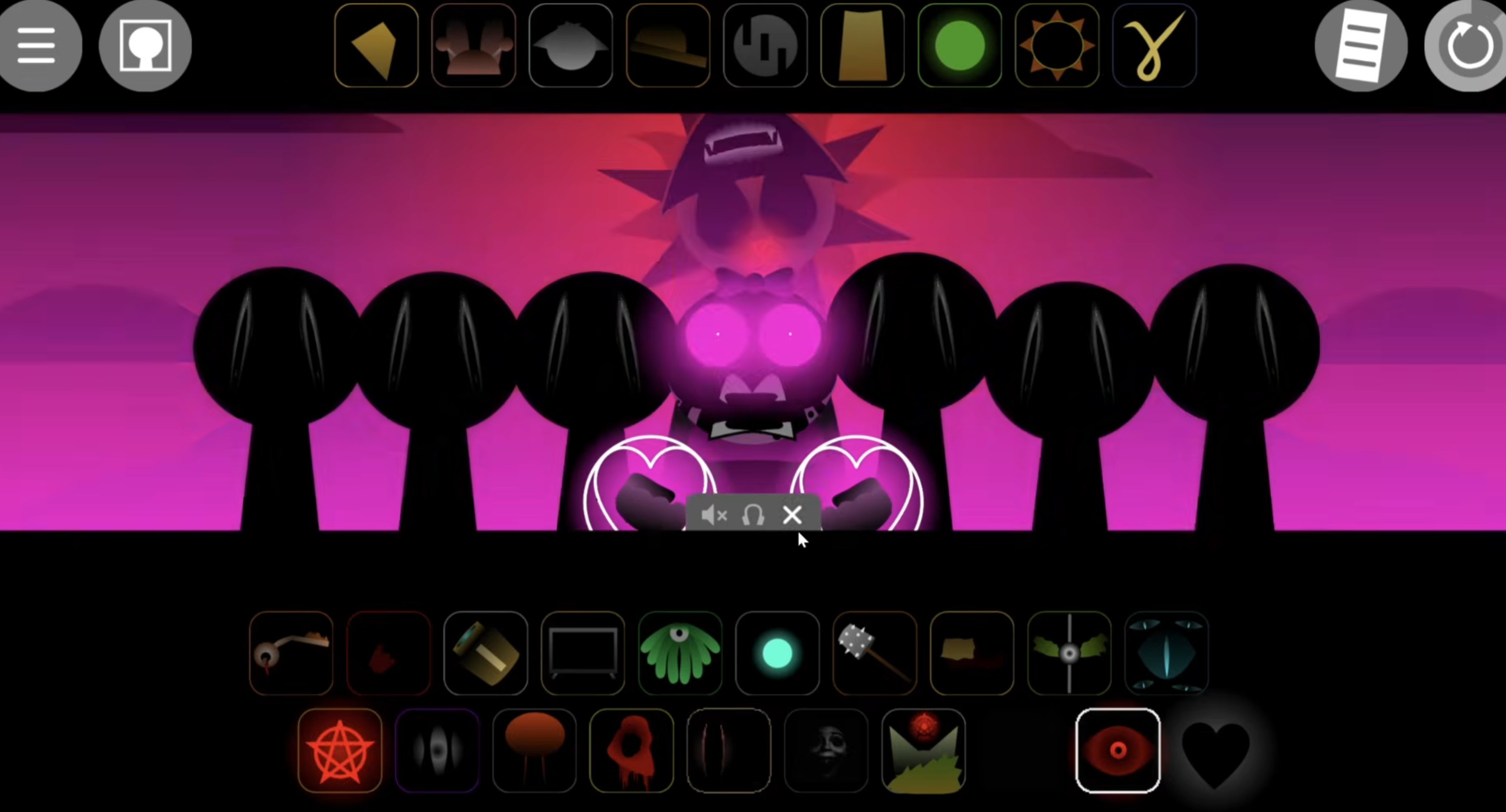
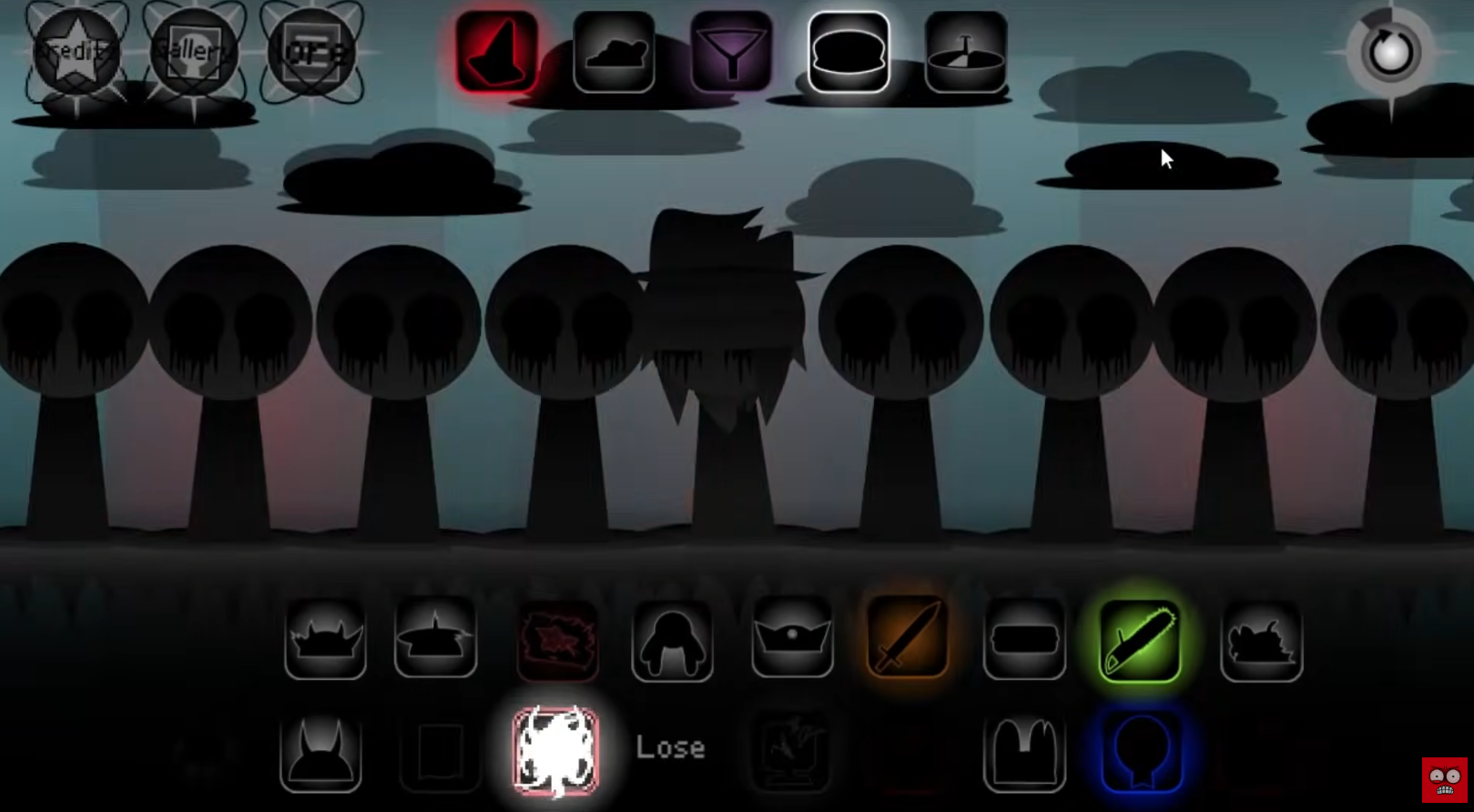
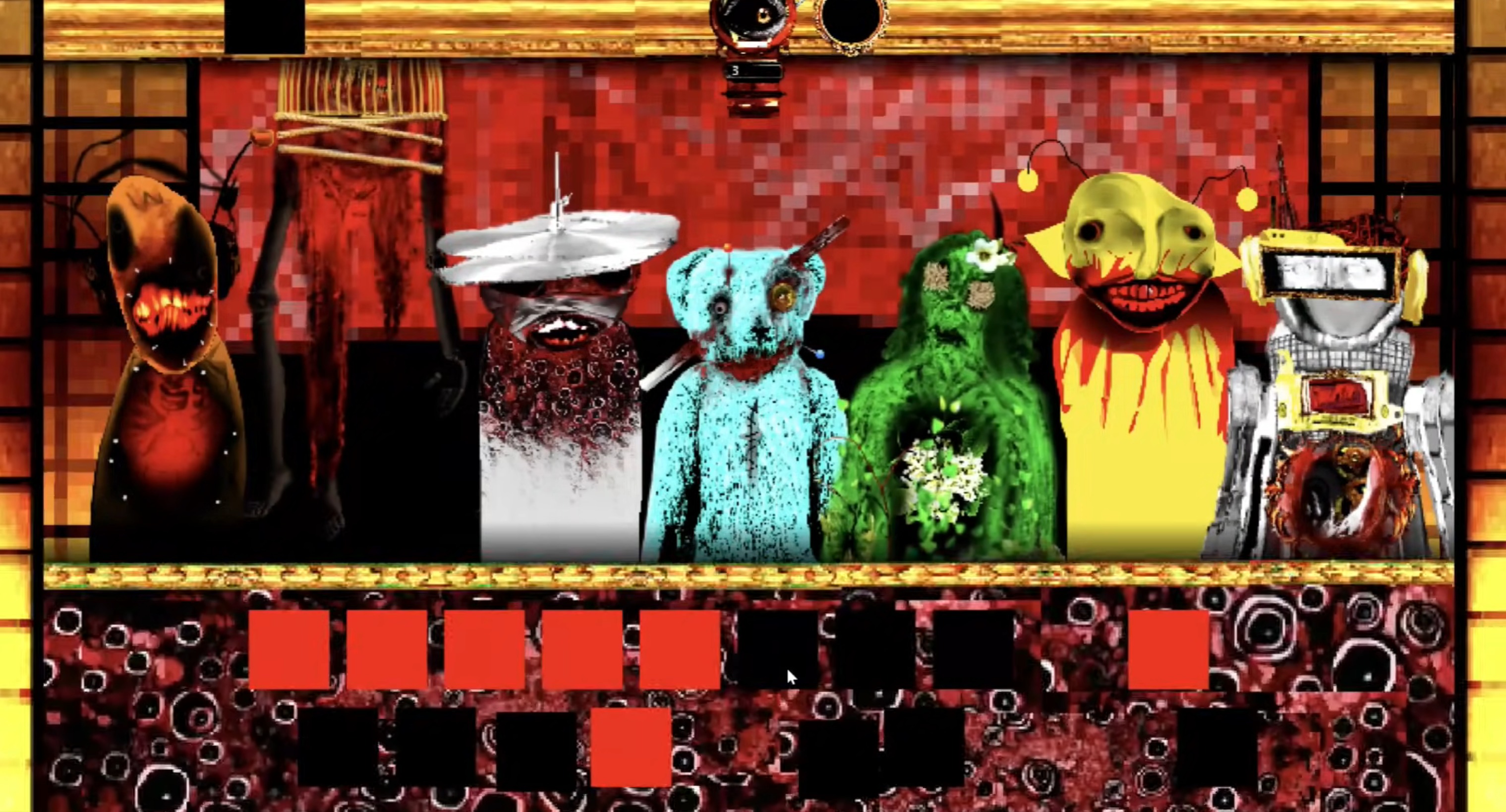
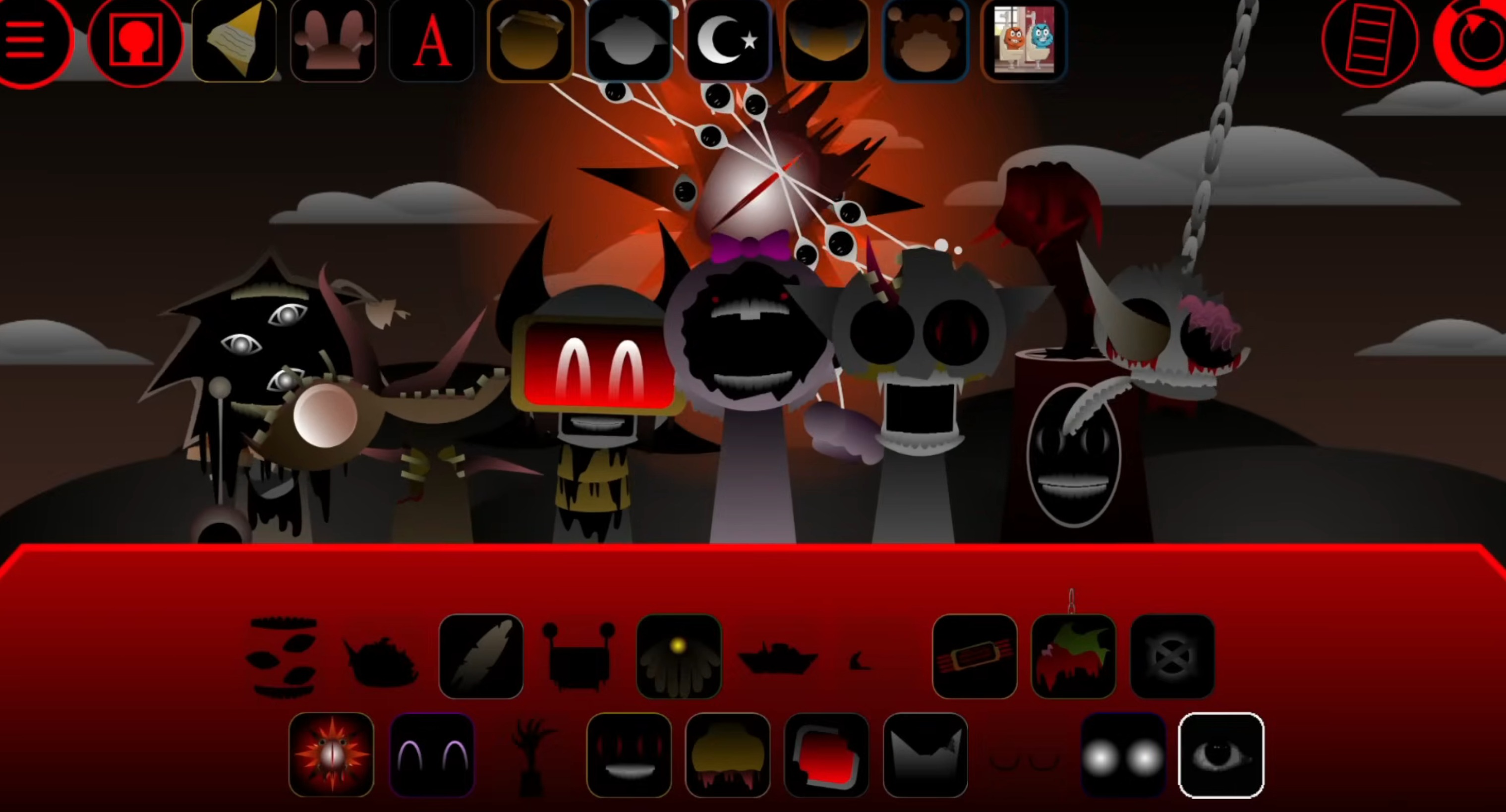
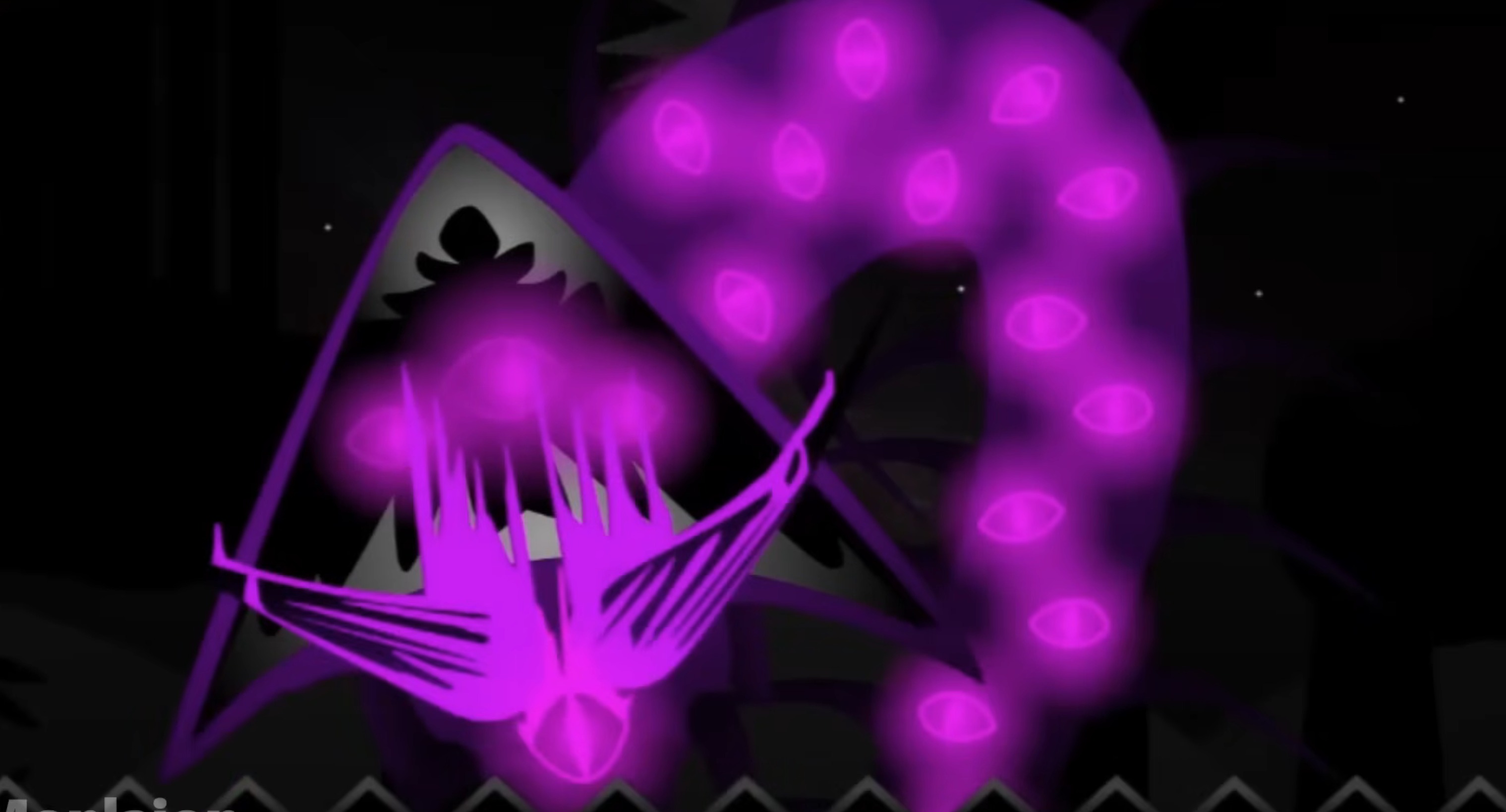
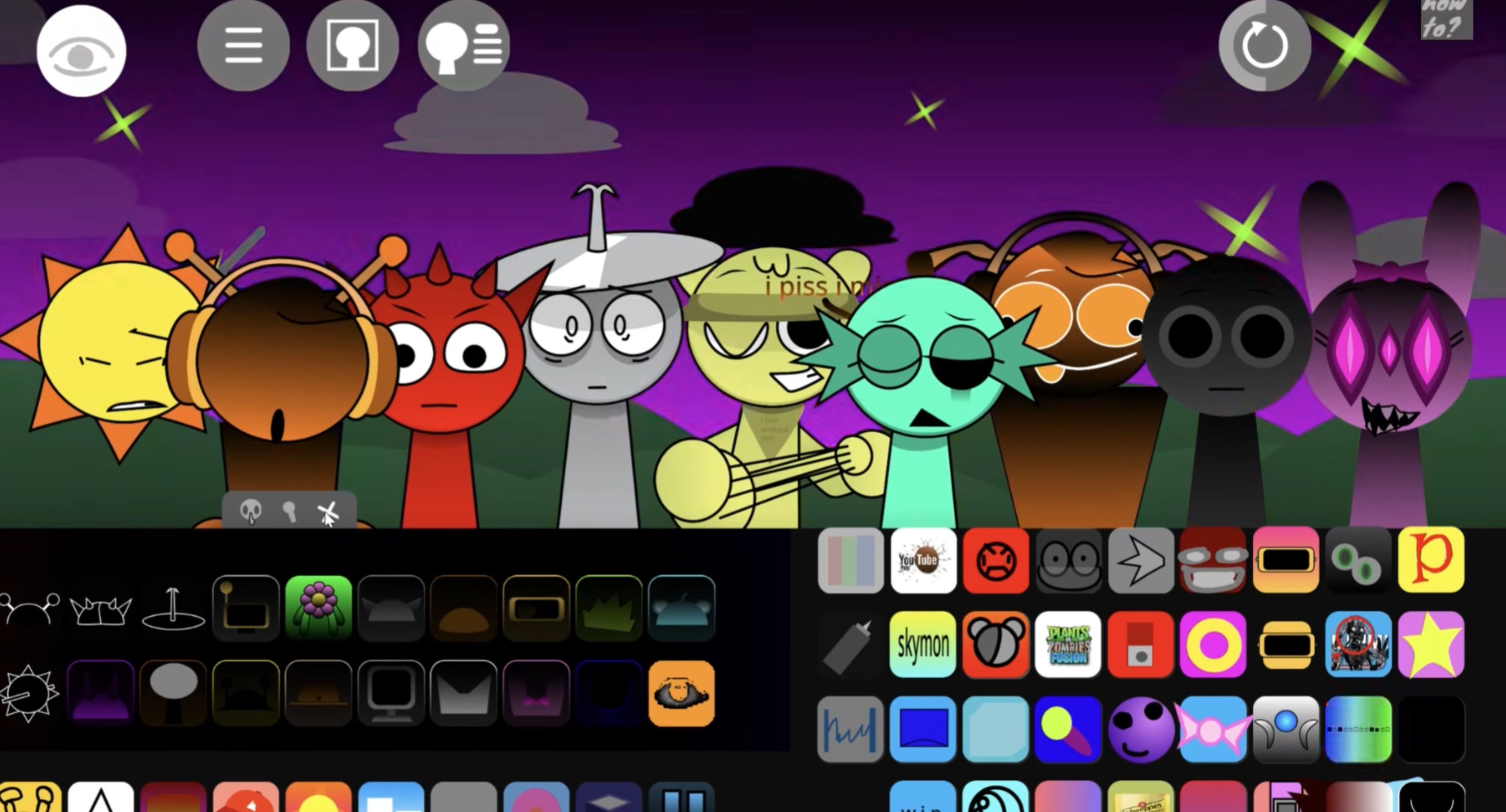
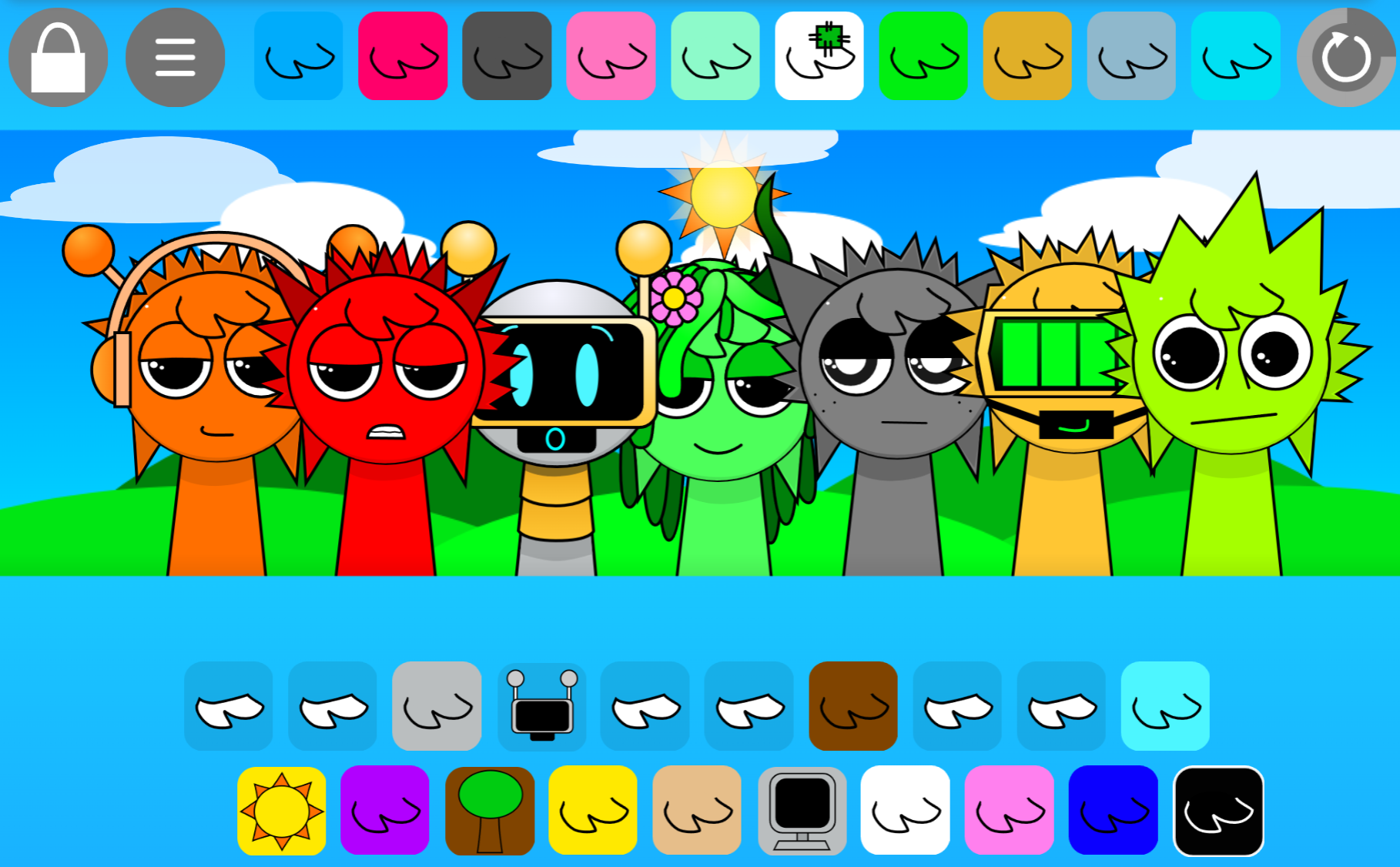
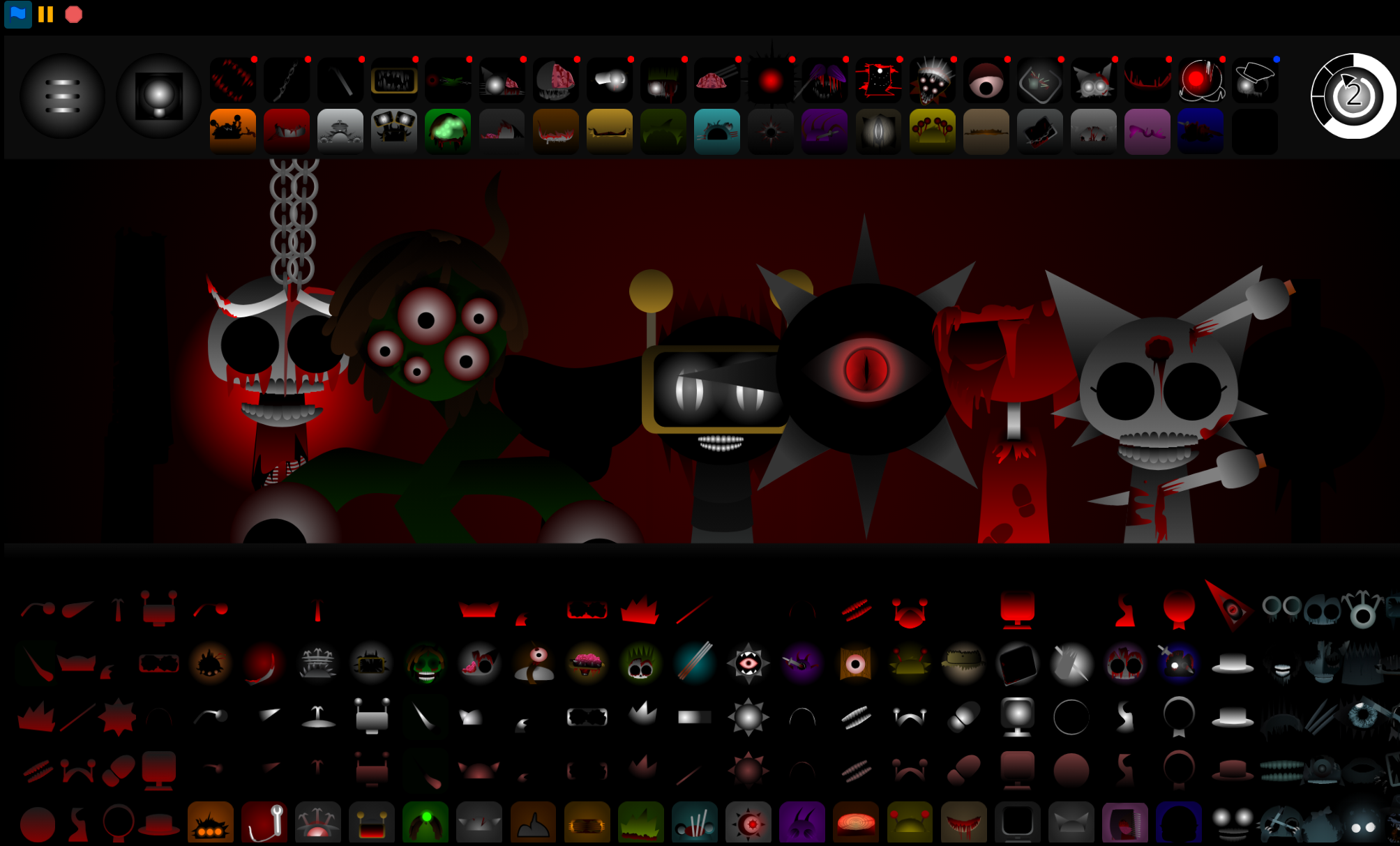
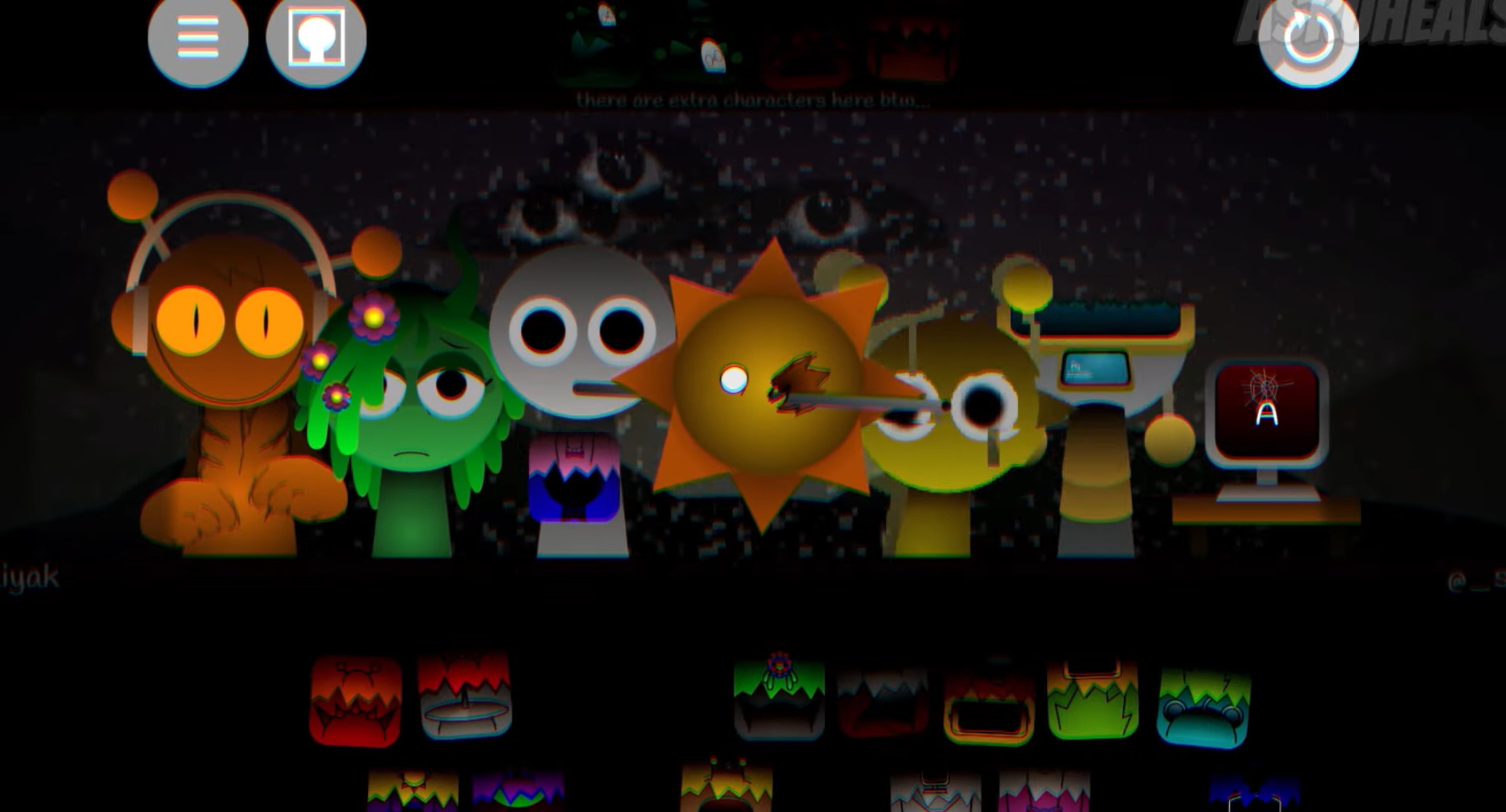
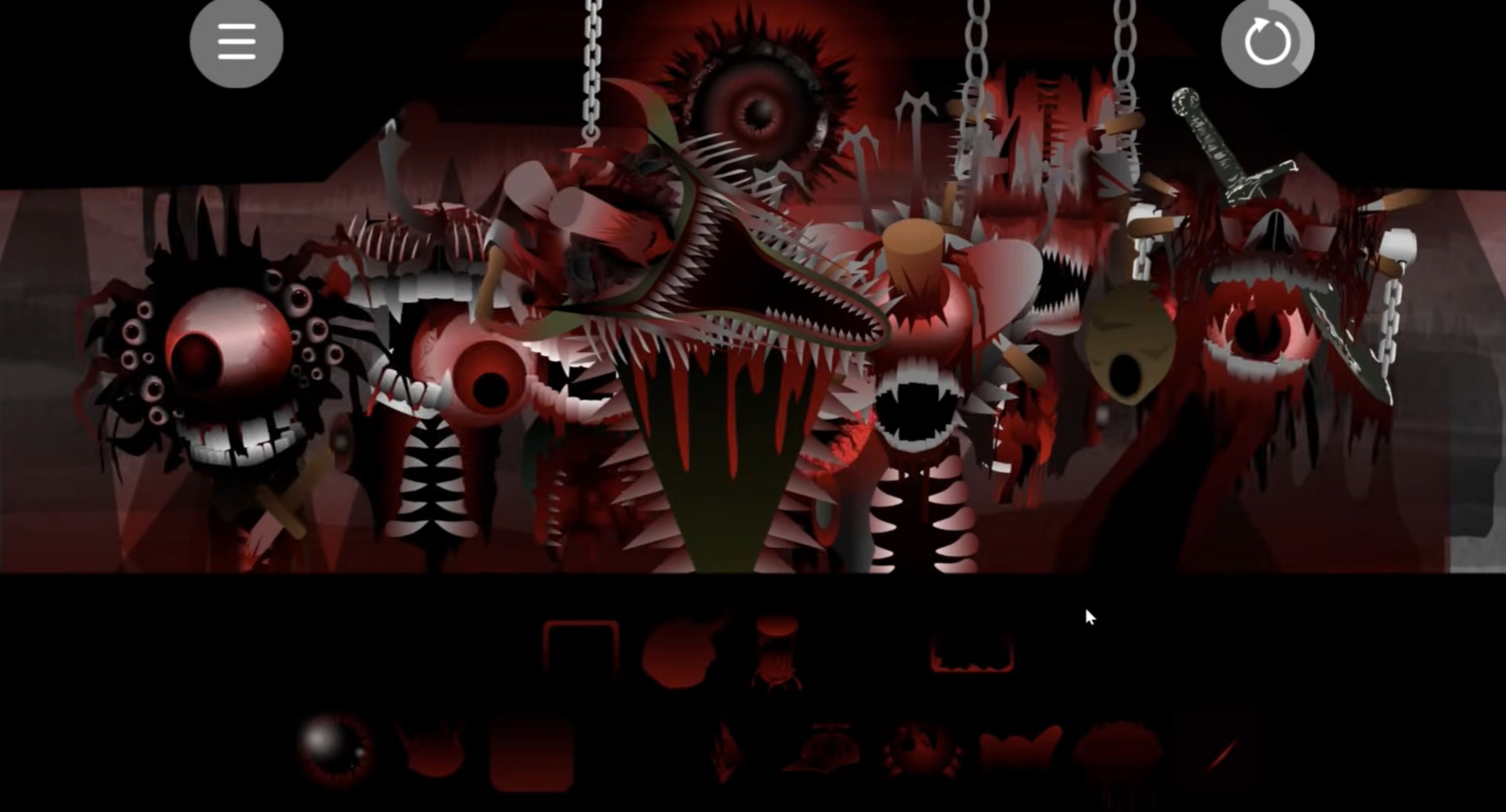
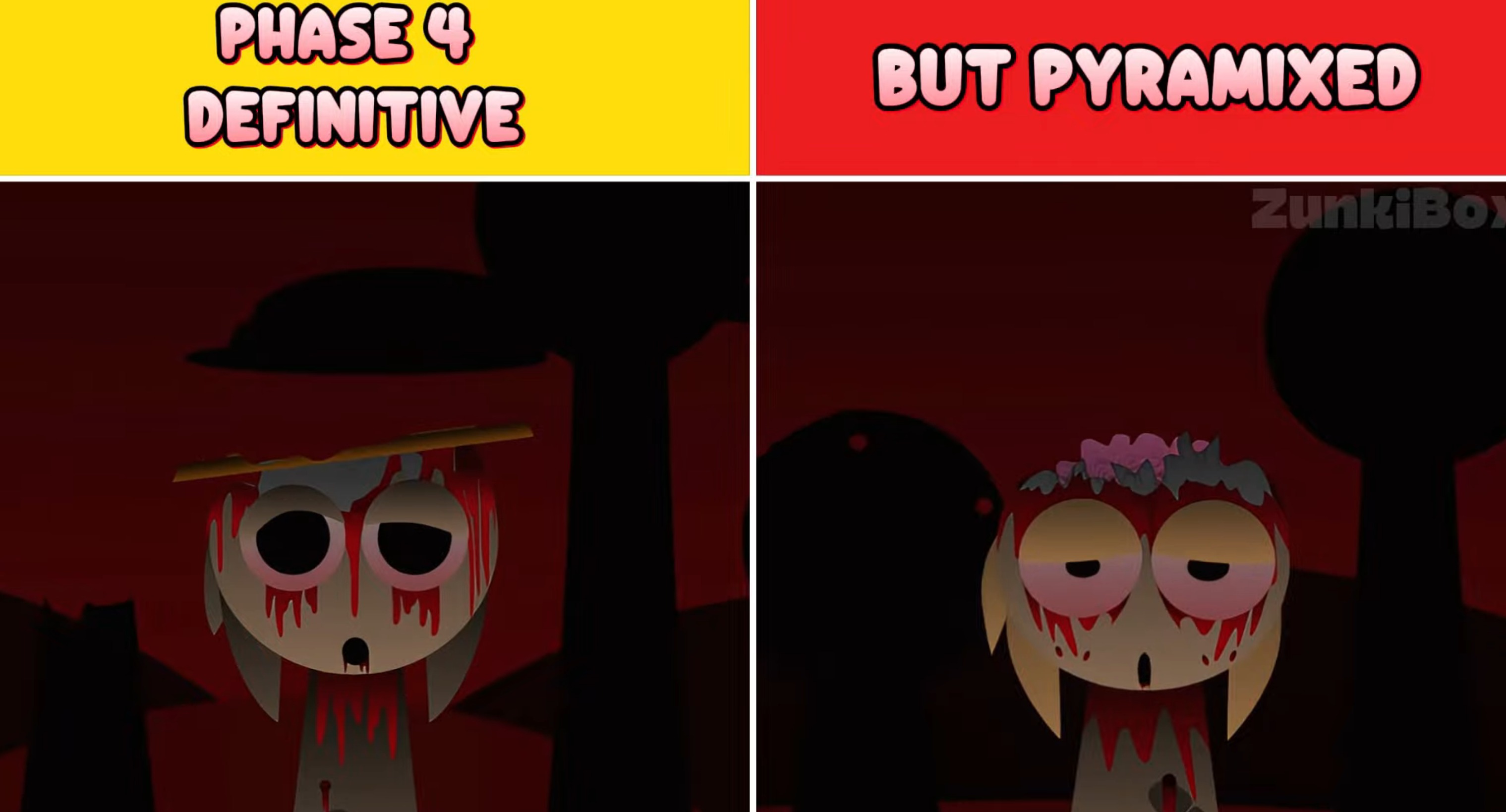
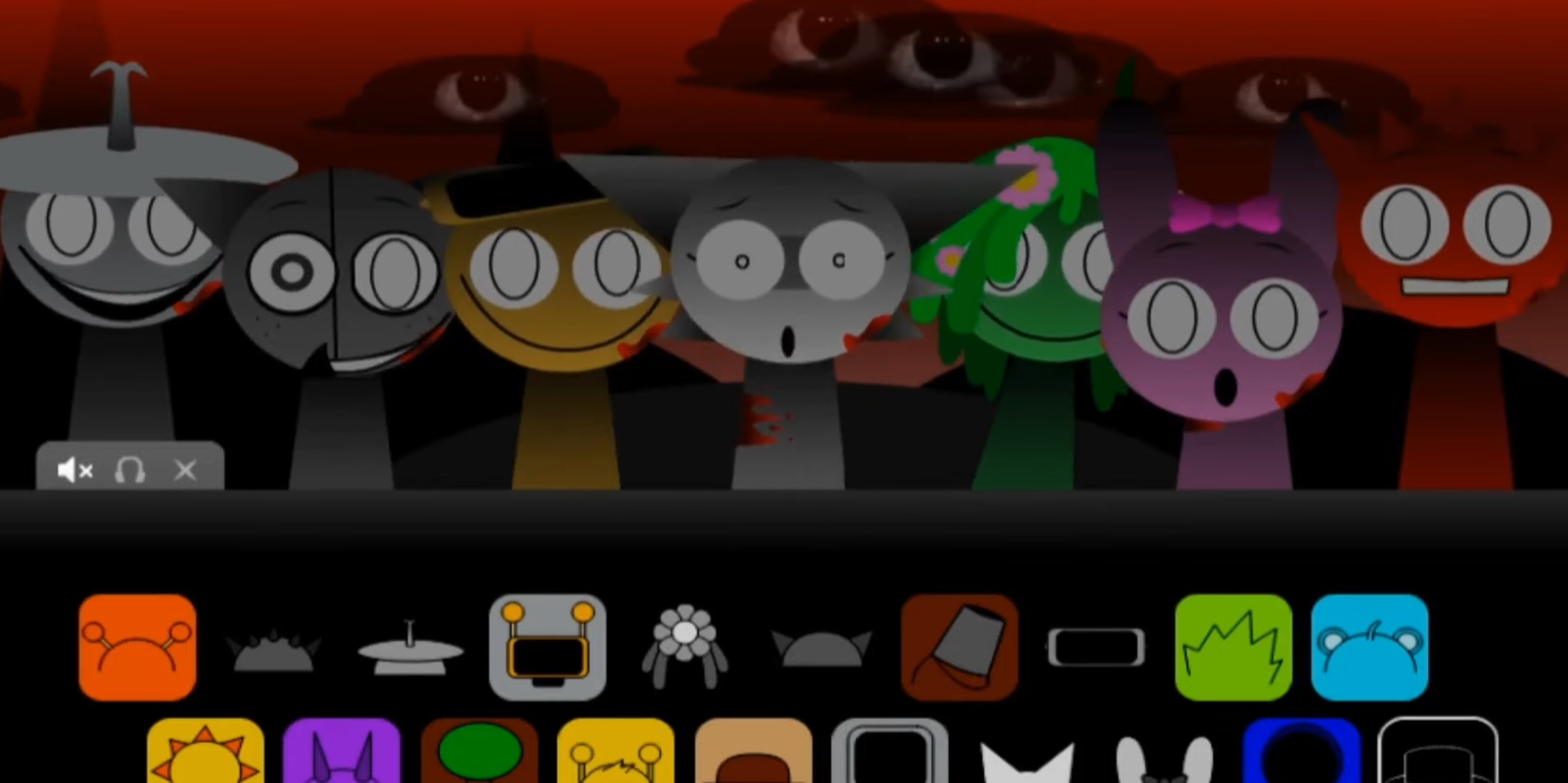
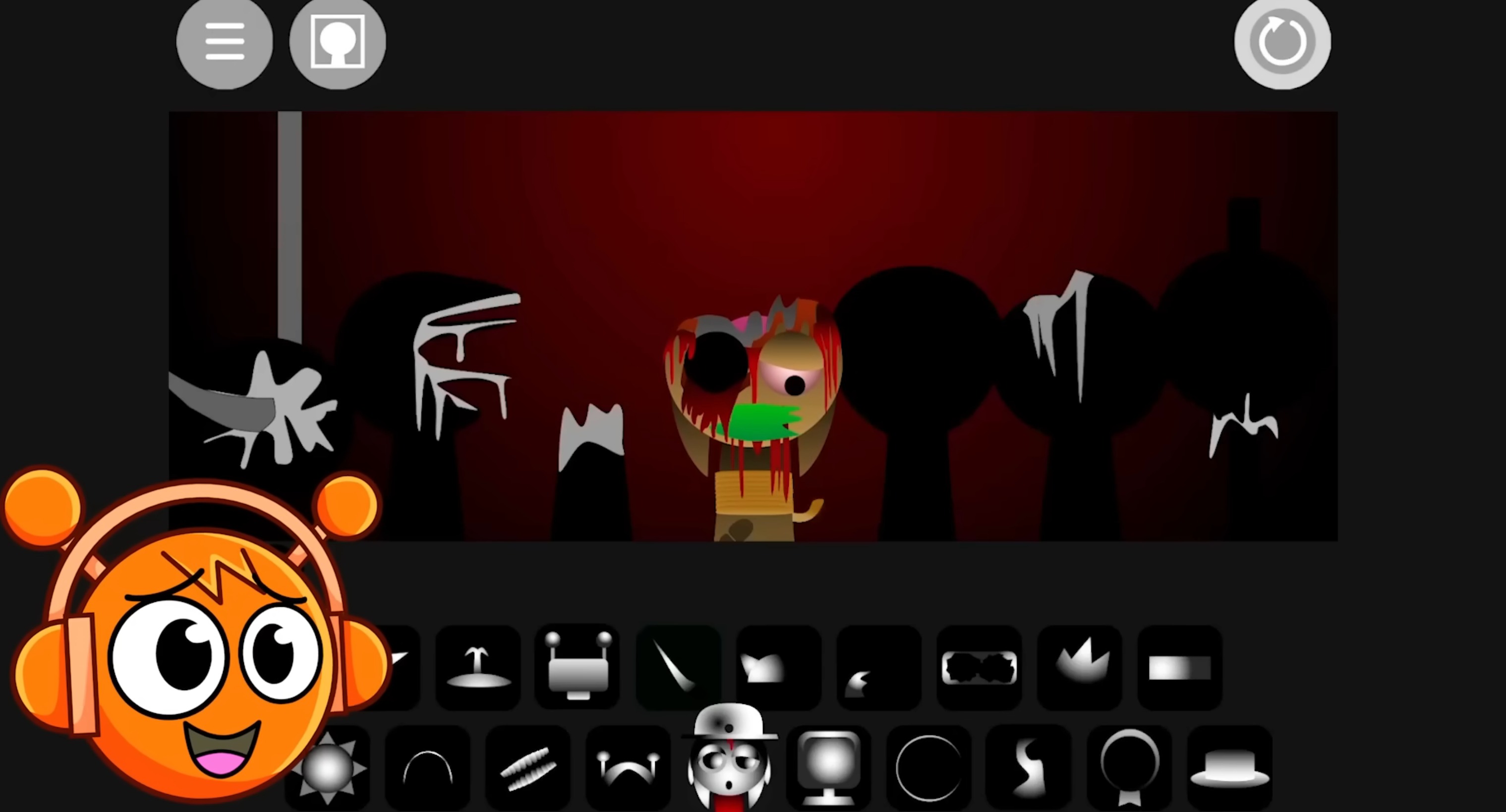
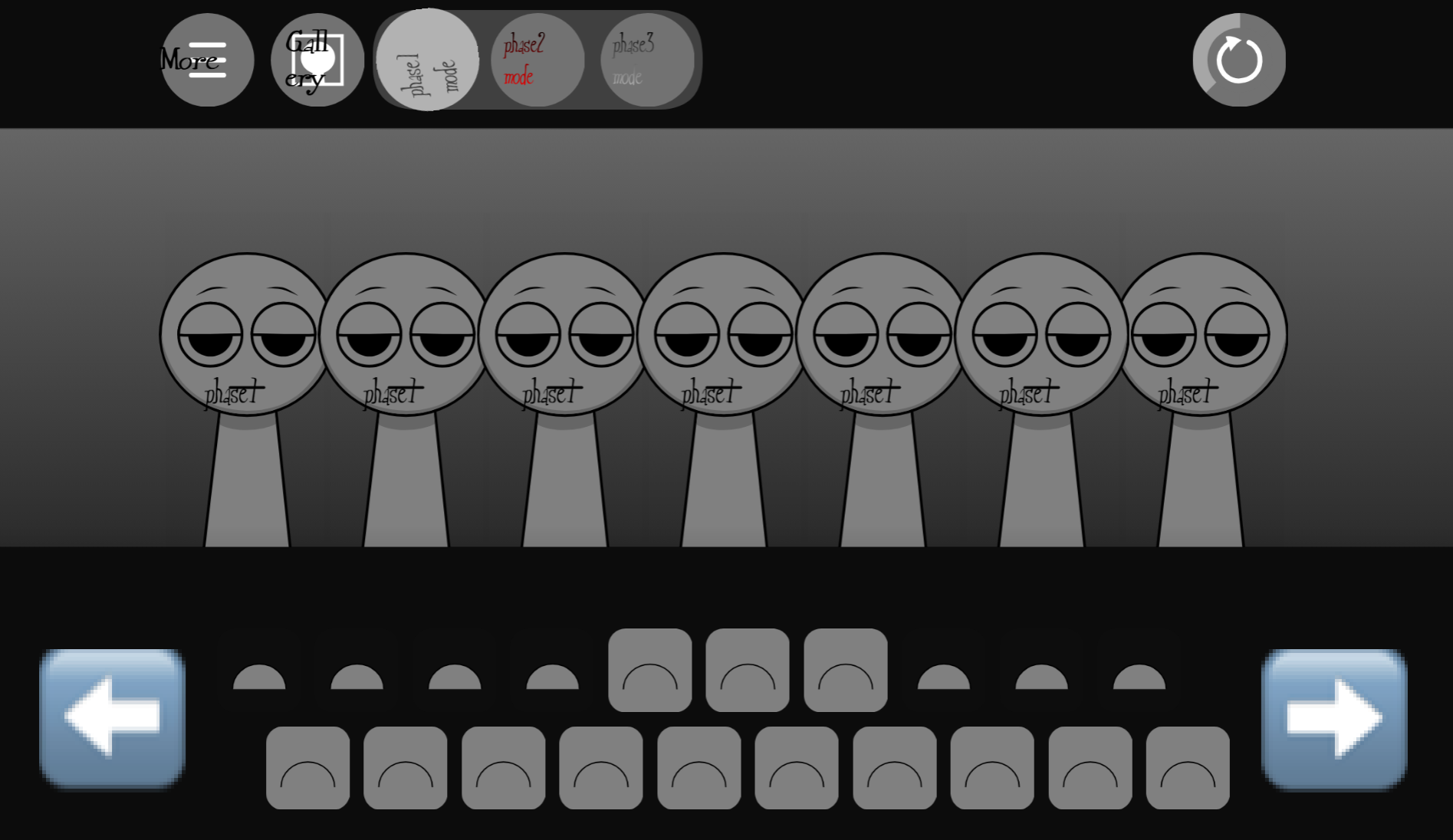
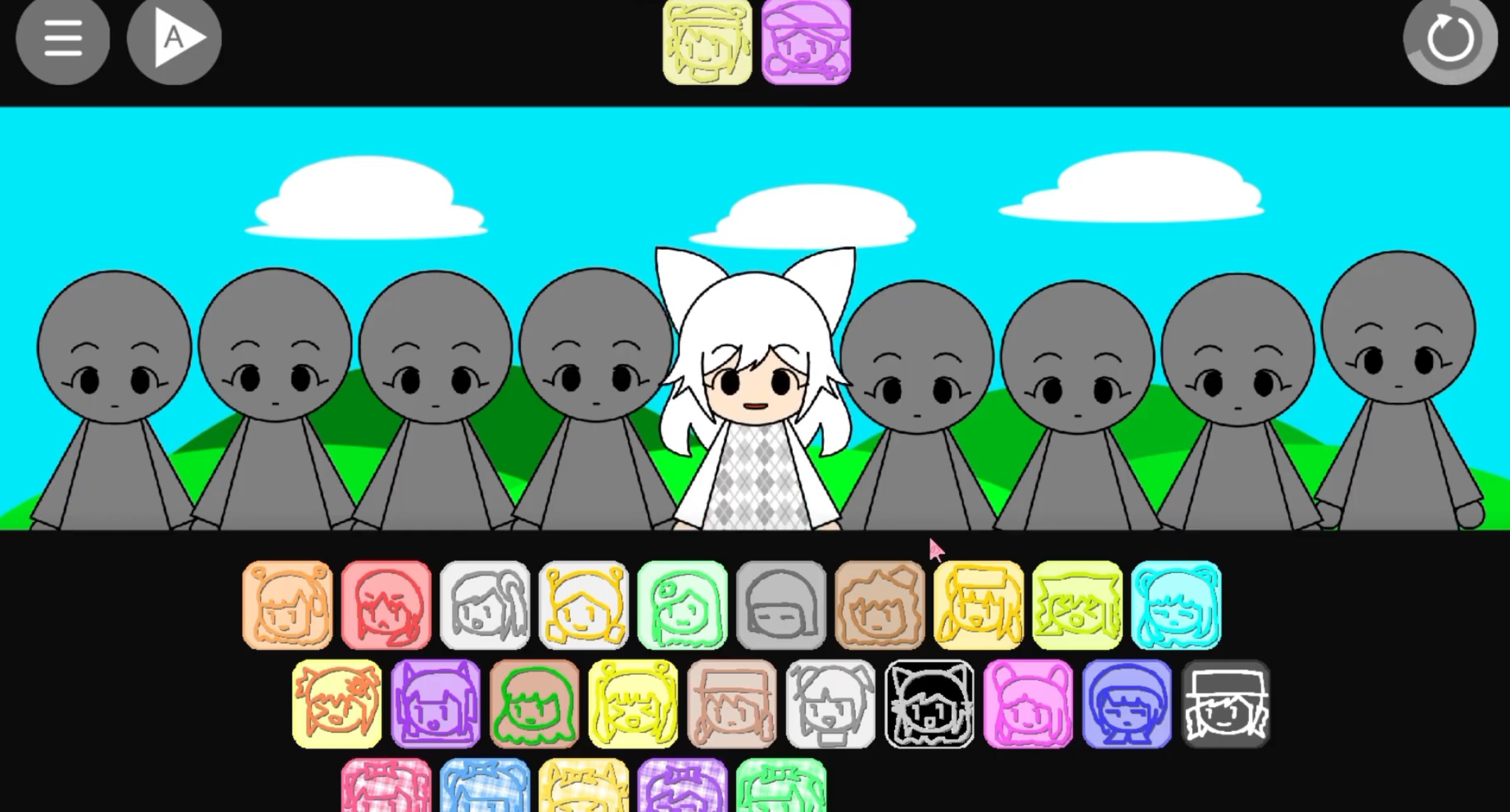
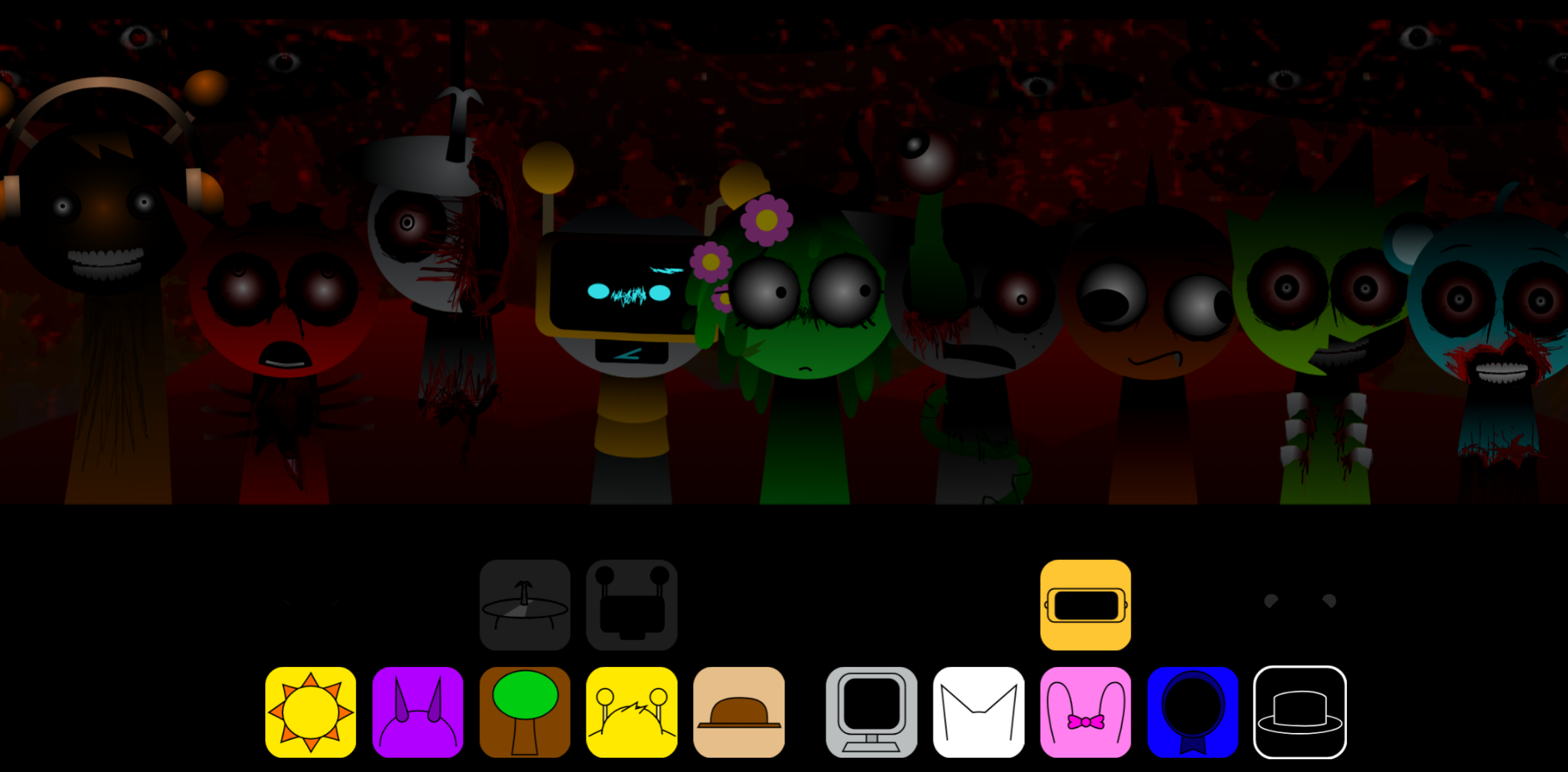
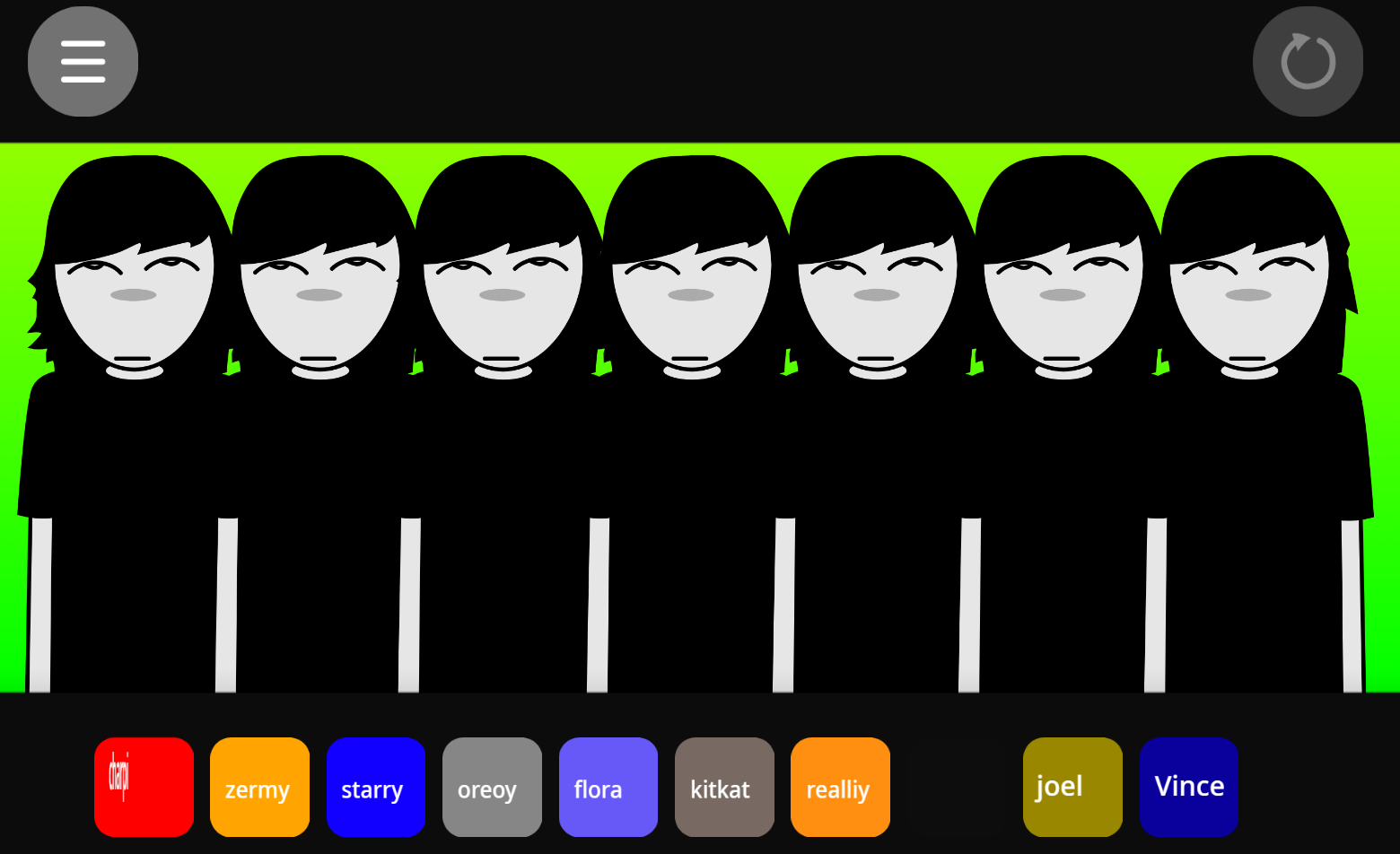
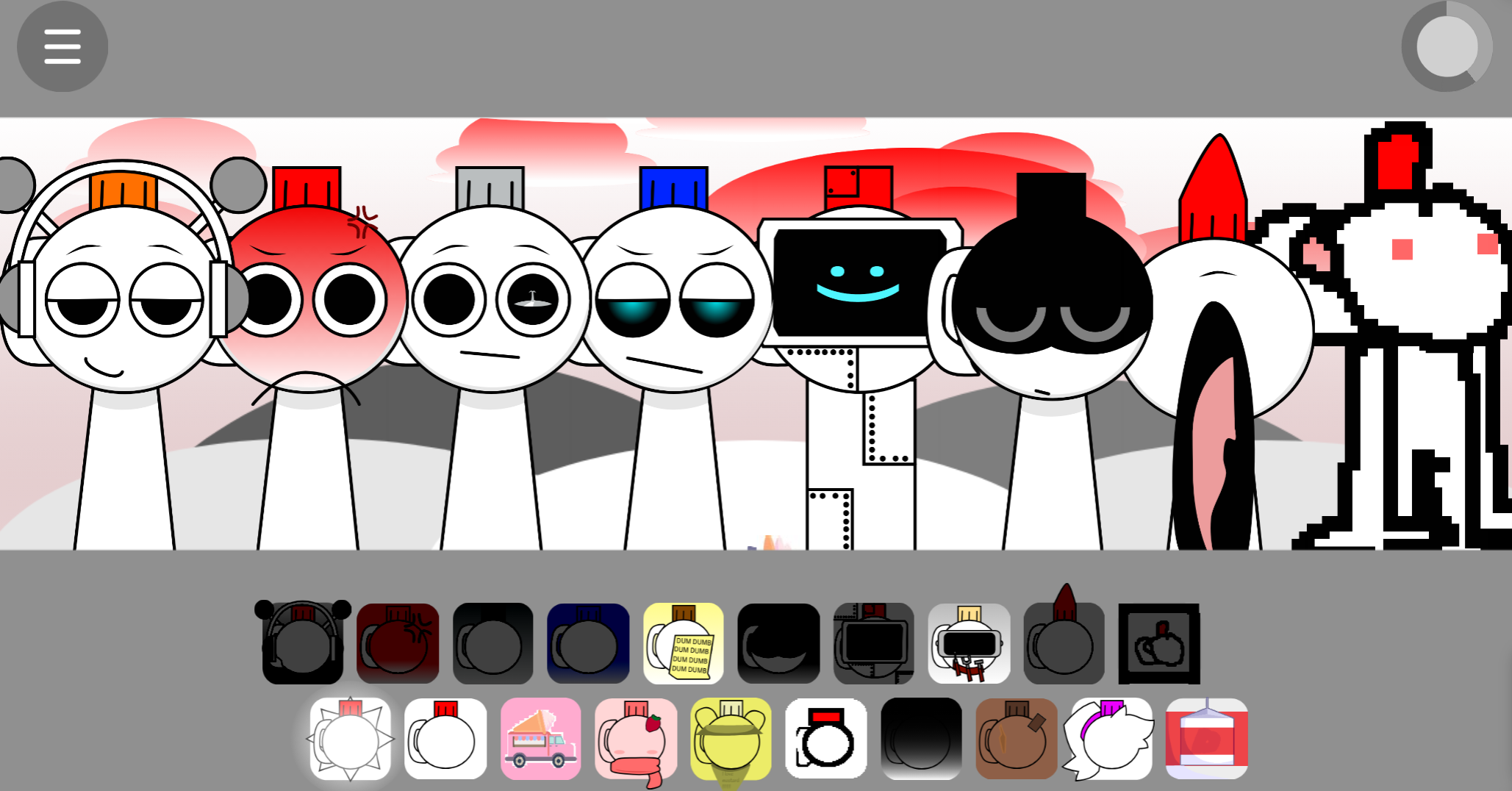
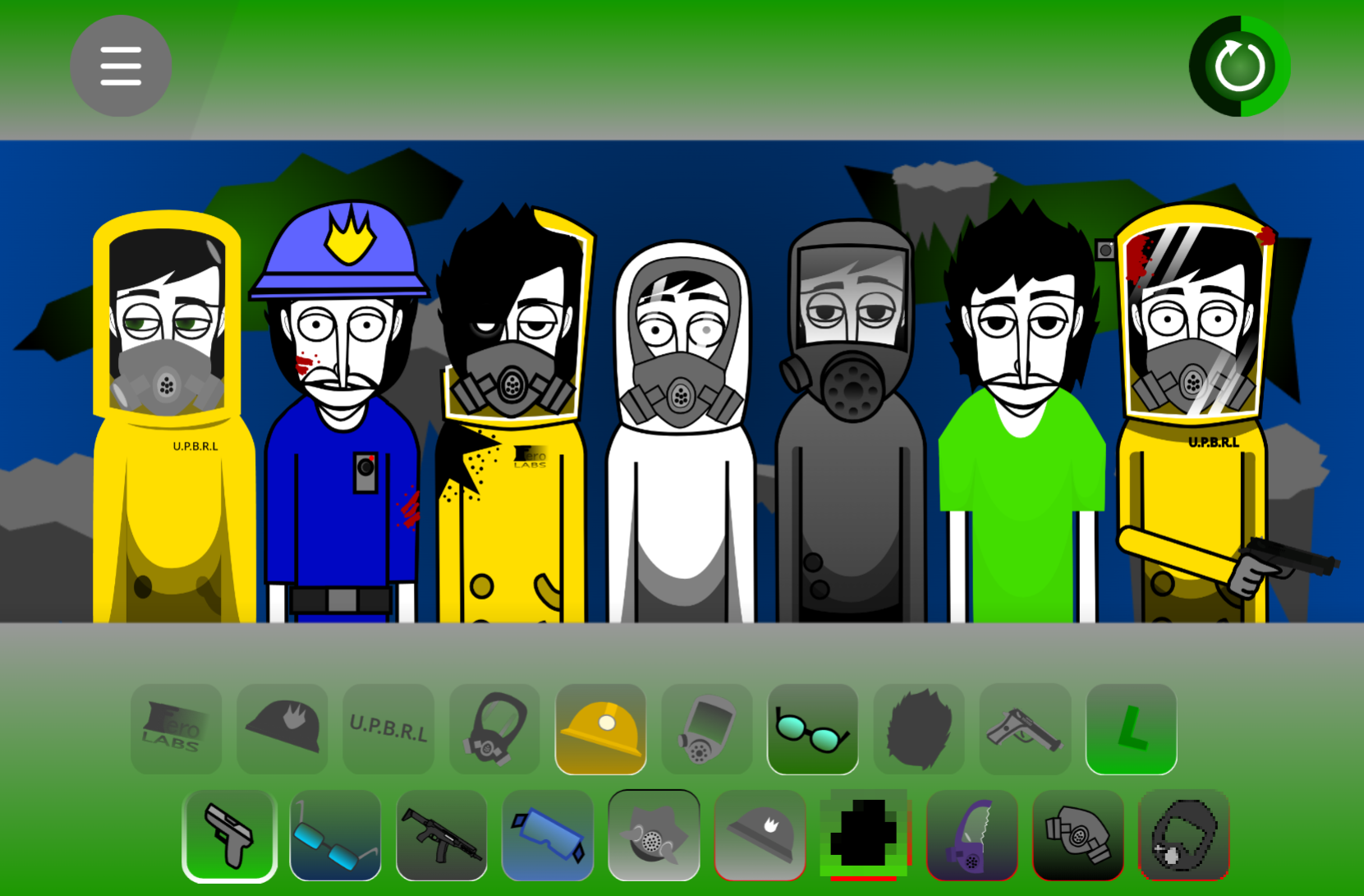
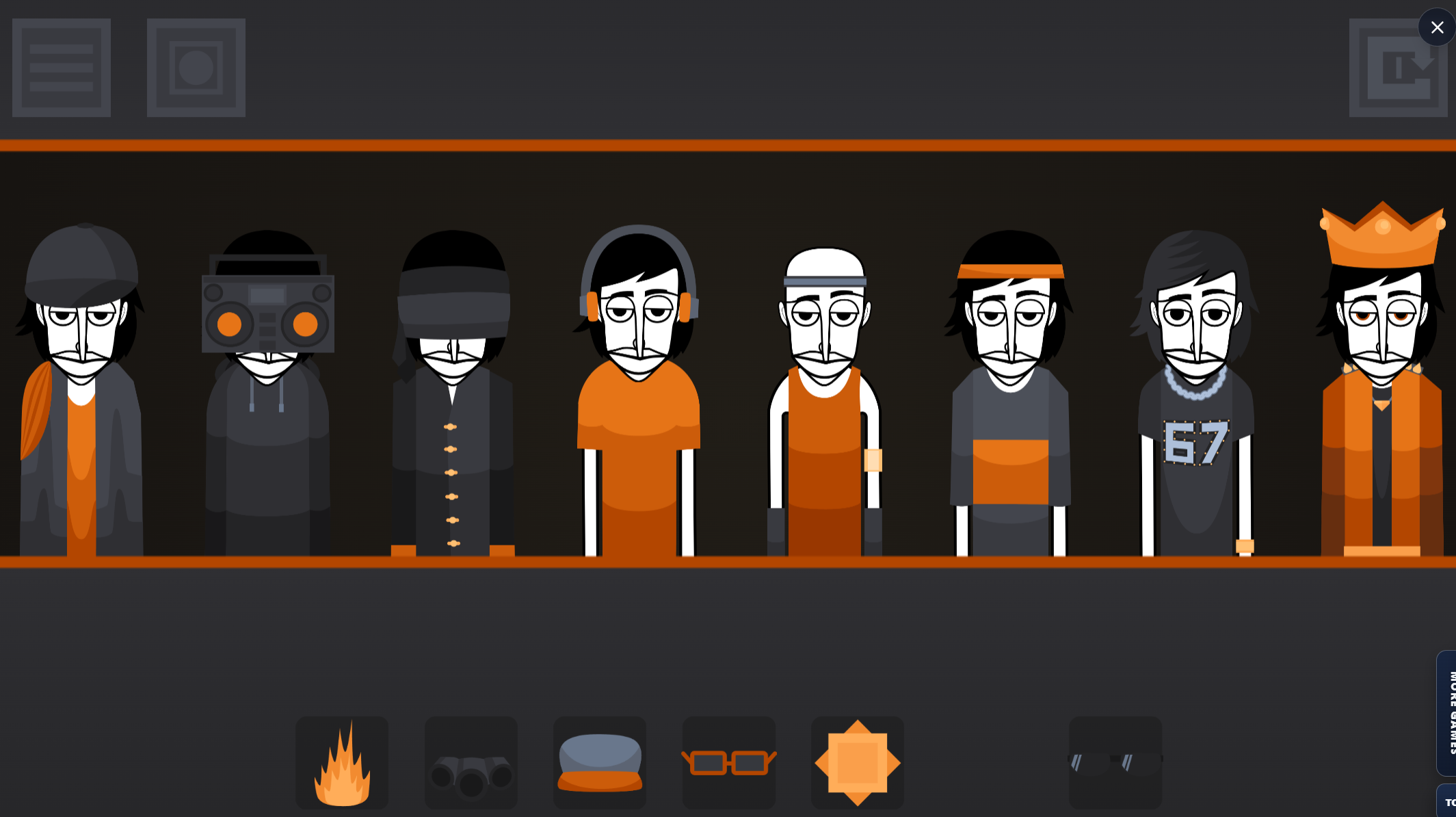
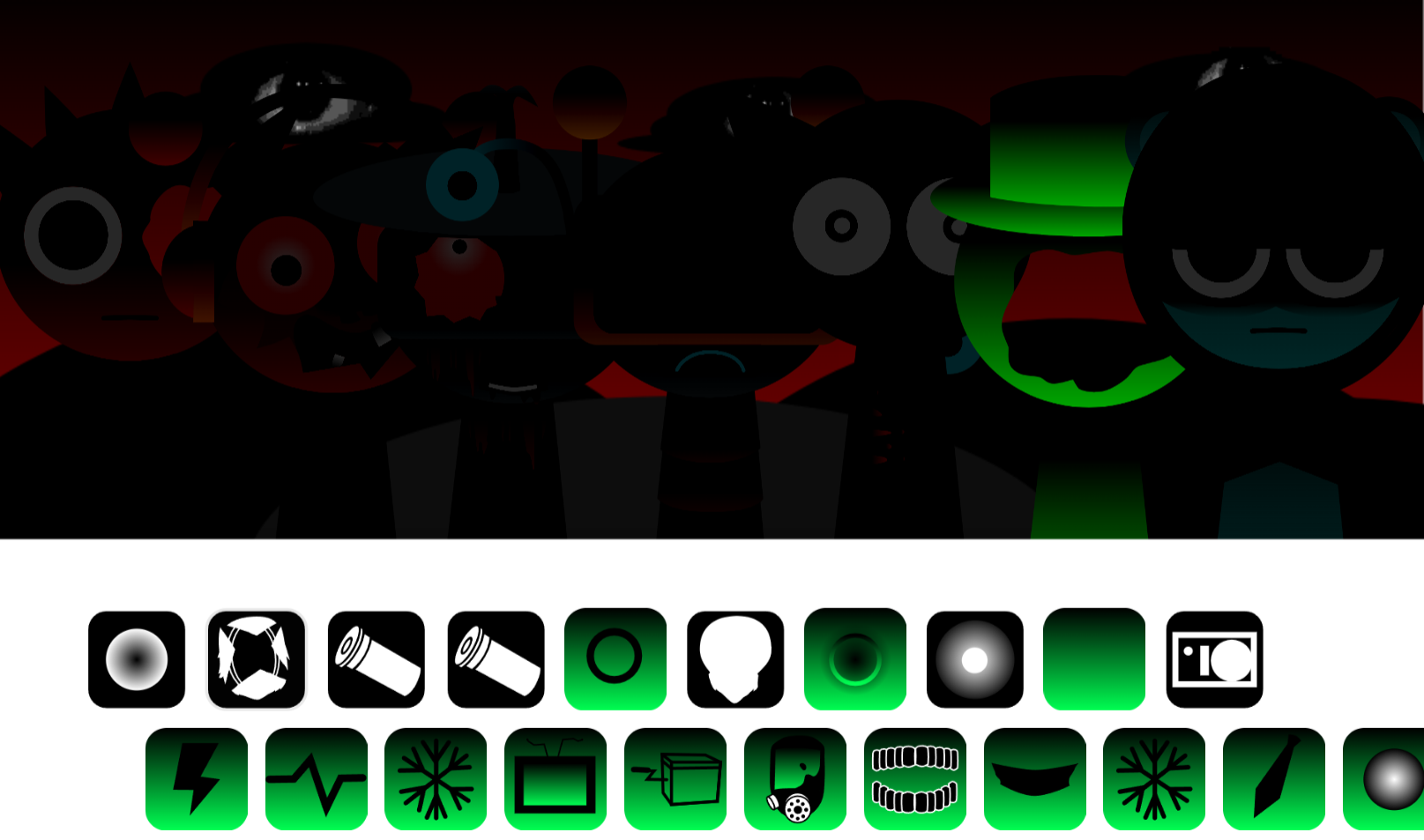
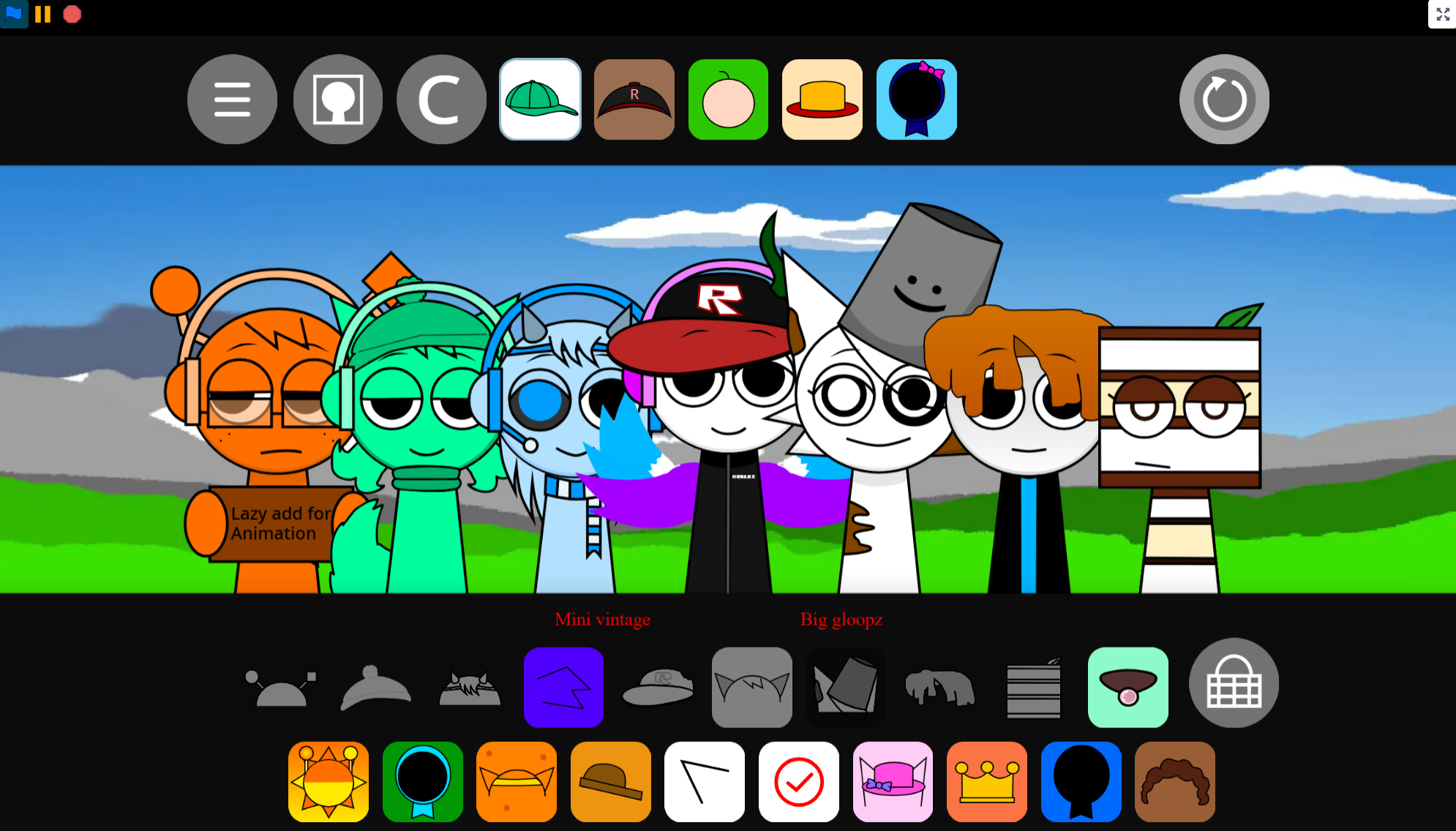
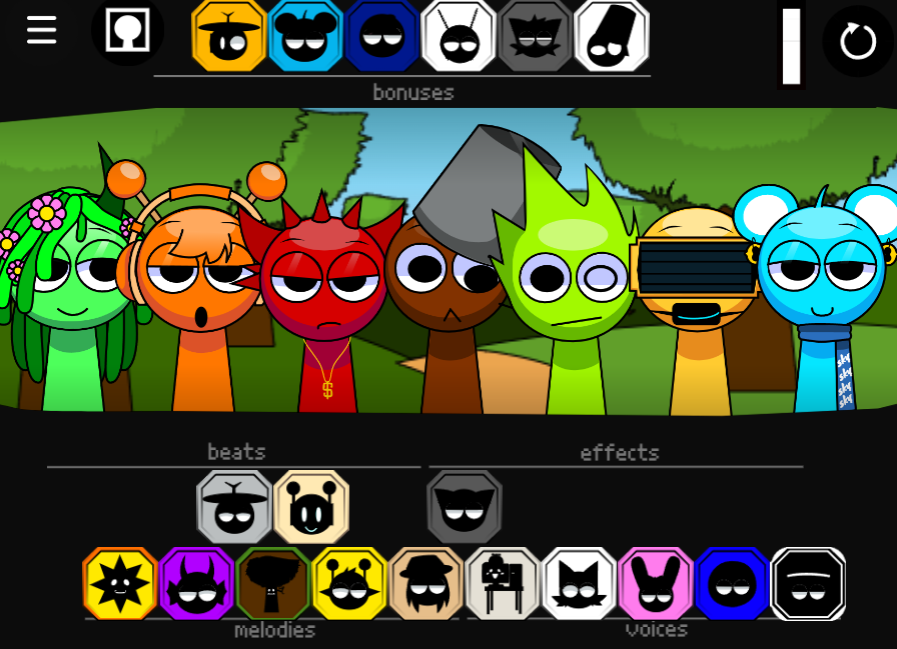
The Sprunki Incredibox modding community has produced countless variations, but few achieve the narrative depth and atmospheric dread of Sprunki Betters And Loses But Phase 3. This crossover modification merges the survival horror elements of the “Betters and Loses” timeline with the supernatural aesthetics of Phase 3, creating an experience that transforms music creation into an act of remembrance for the fallen.
Understanding the Dual Heritage
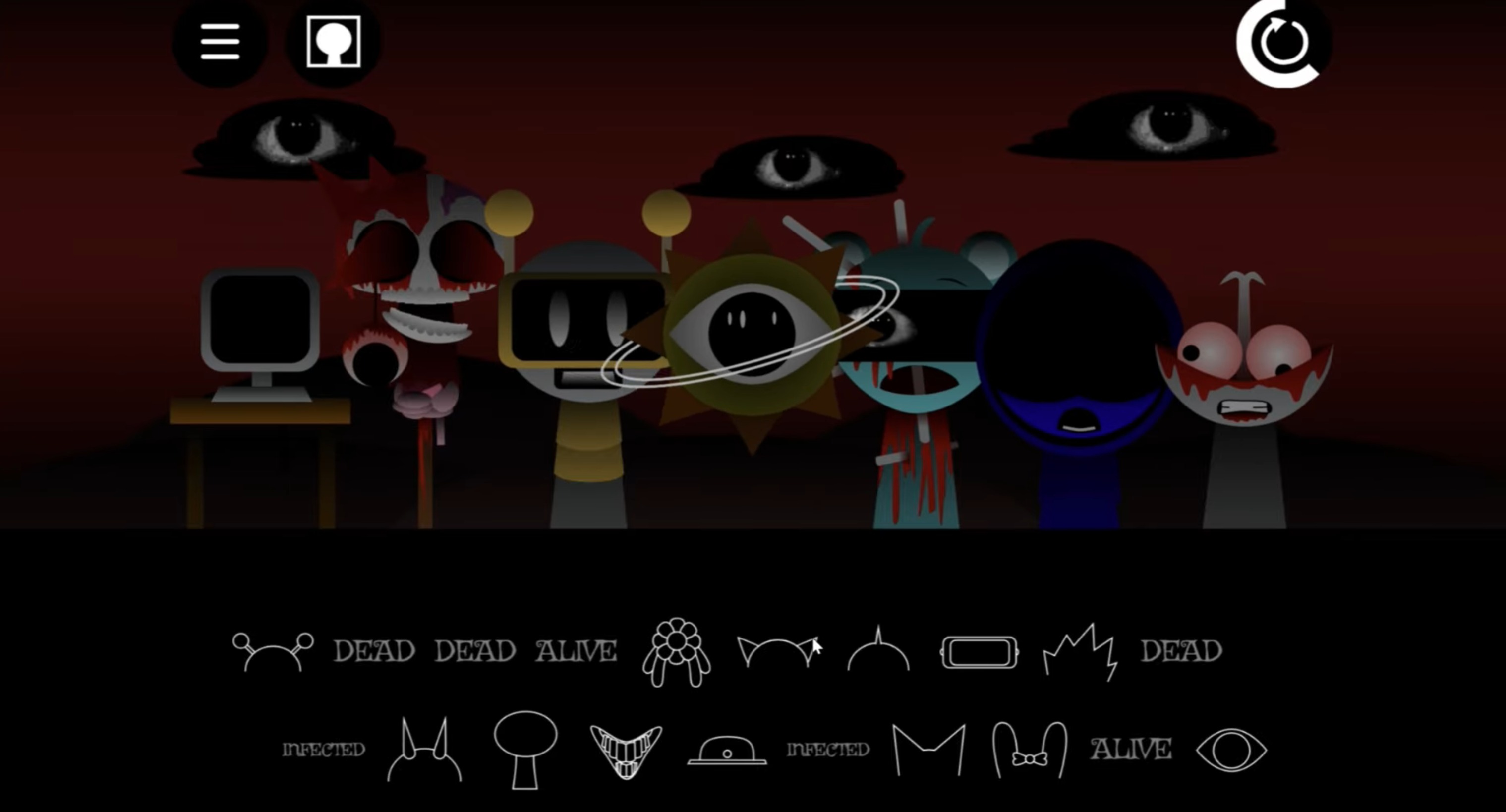
The Betters and Loses Framework introduces a battle-royale narrative structure where characters face explicit categorization: Dead, Alive, or Missing. Each character bears visual evidence of their struggle—bandages, wounds, or the haunting absence of life itself. The terminology references both survival outcomes and gambling stakes, suggesting that fate in this universe operates like a cruel game of chance.
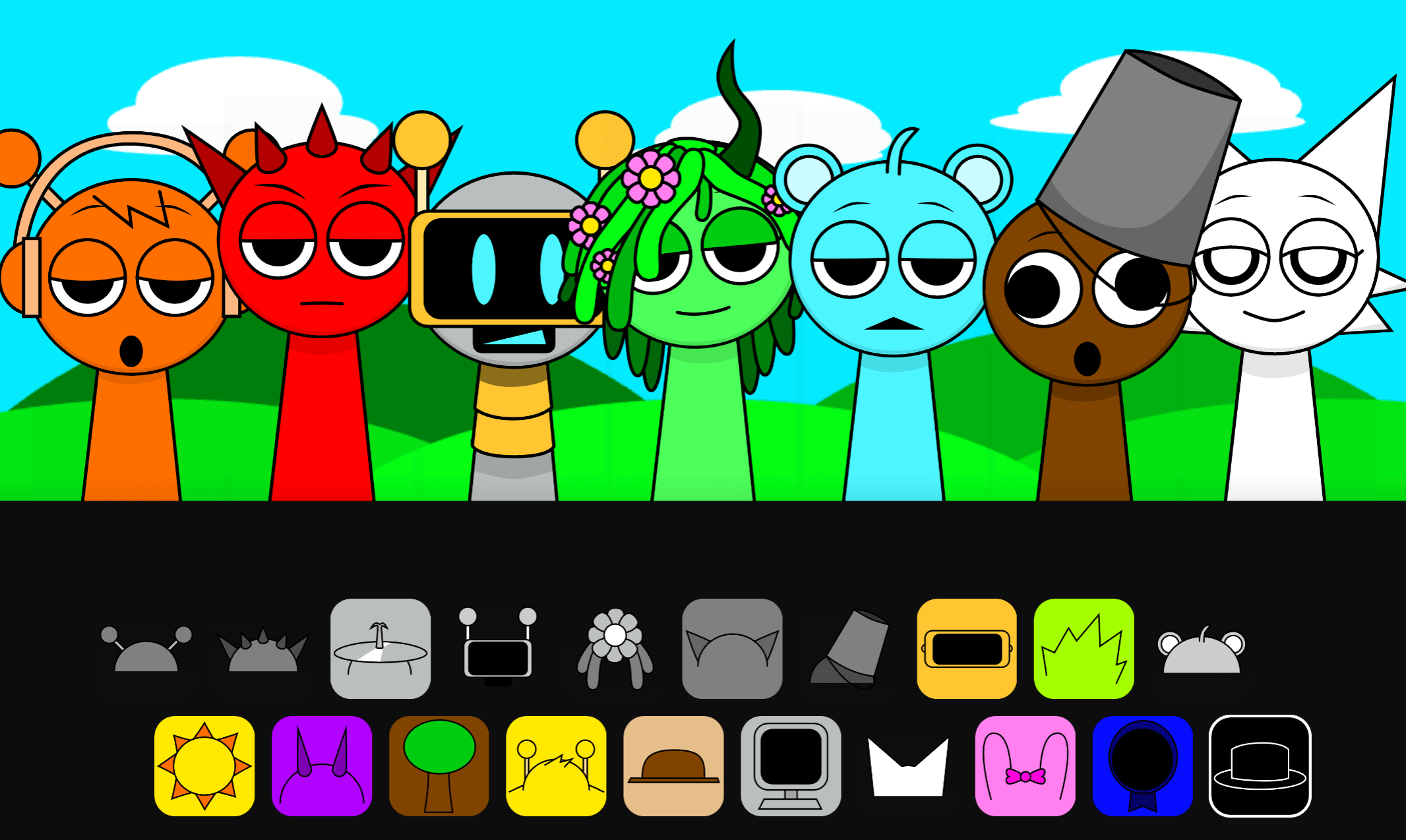
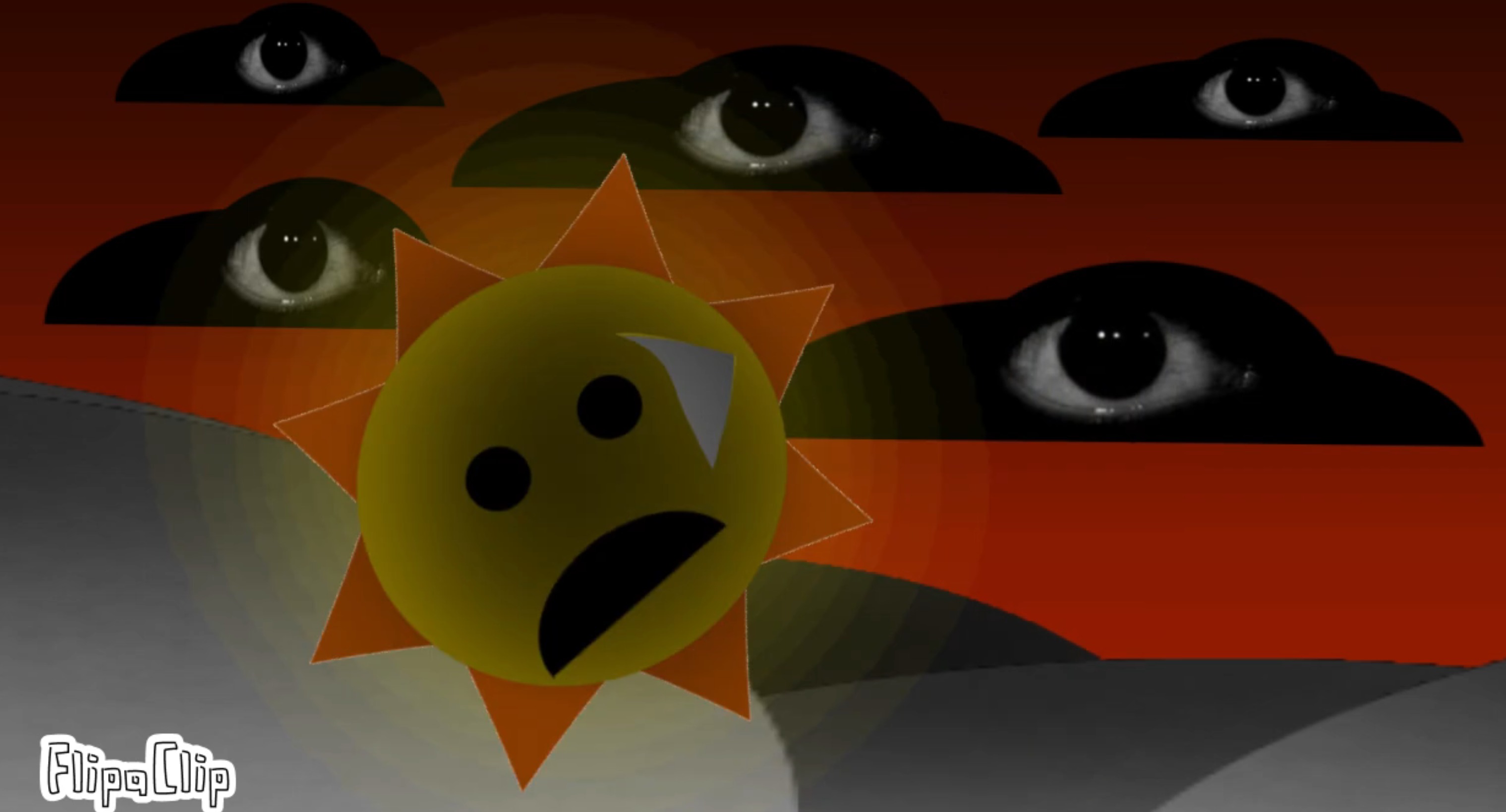
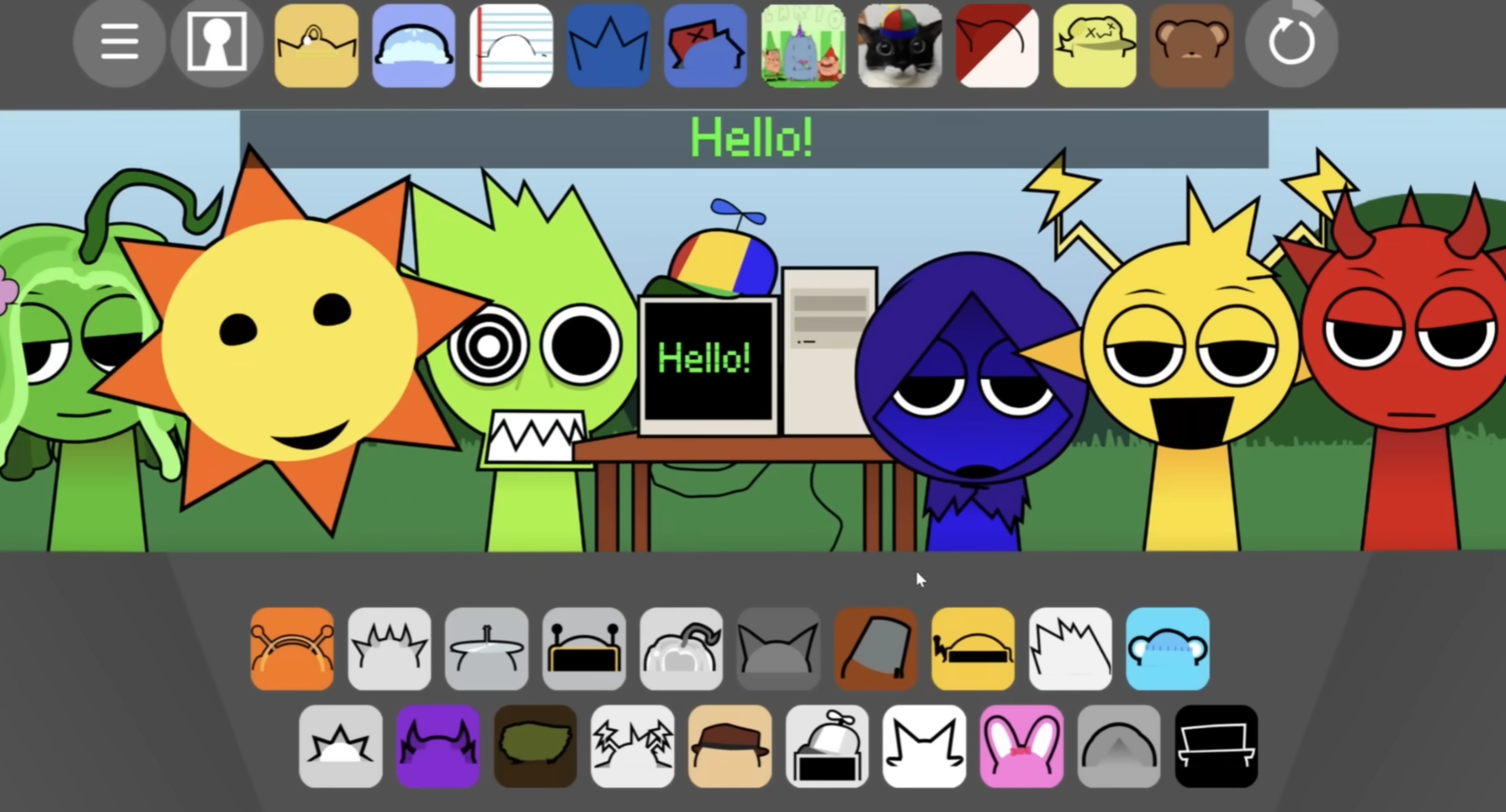
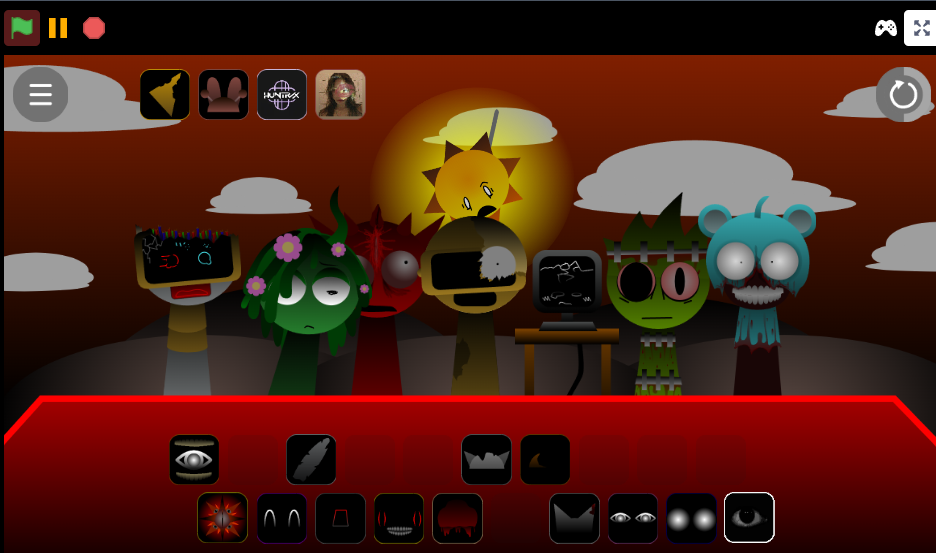
Phase 3’s Halloween Atmosphere provides the environmental foundation. Known for minor-key melodies, purple-orange color palettes, and weirdcore visual distortions, Phase 3 already leaned into unsettling territory. When combined with the Betters and Loses narrative, this aesthetic becomes a perfect vessel for tragedy.
The fusion creates something greater than either component: a rhythm game where every sound carries the weight of loss, and every visual element tells a story of desperation.
Sprunki Betters And Loses But Phase 3
Sprunki Betters And Loses But Phase 3 merges two dark timelines into one haunting experience. This fan-made mod takes the survival horror narrative of Betters and Loses and drops it into Phase 3’s eerie Halloween setting. The result? A music-making game that feels more like a ghost story than a rhythm experience.
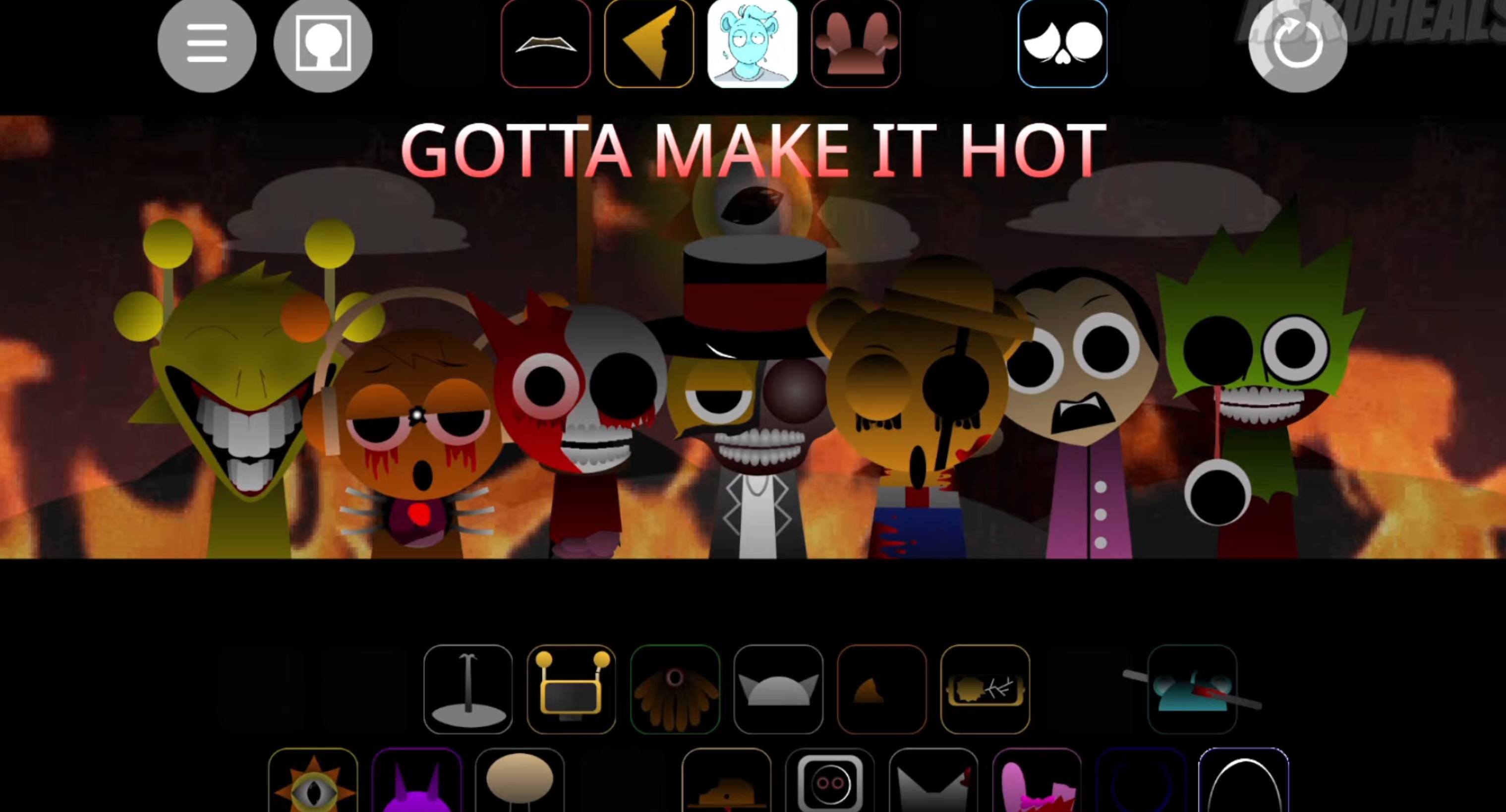
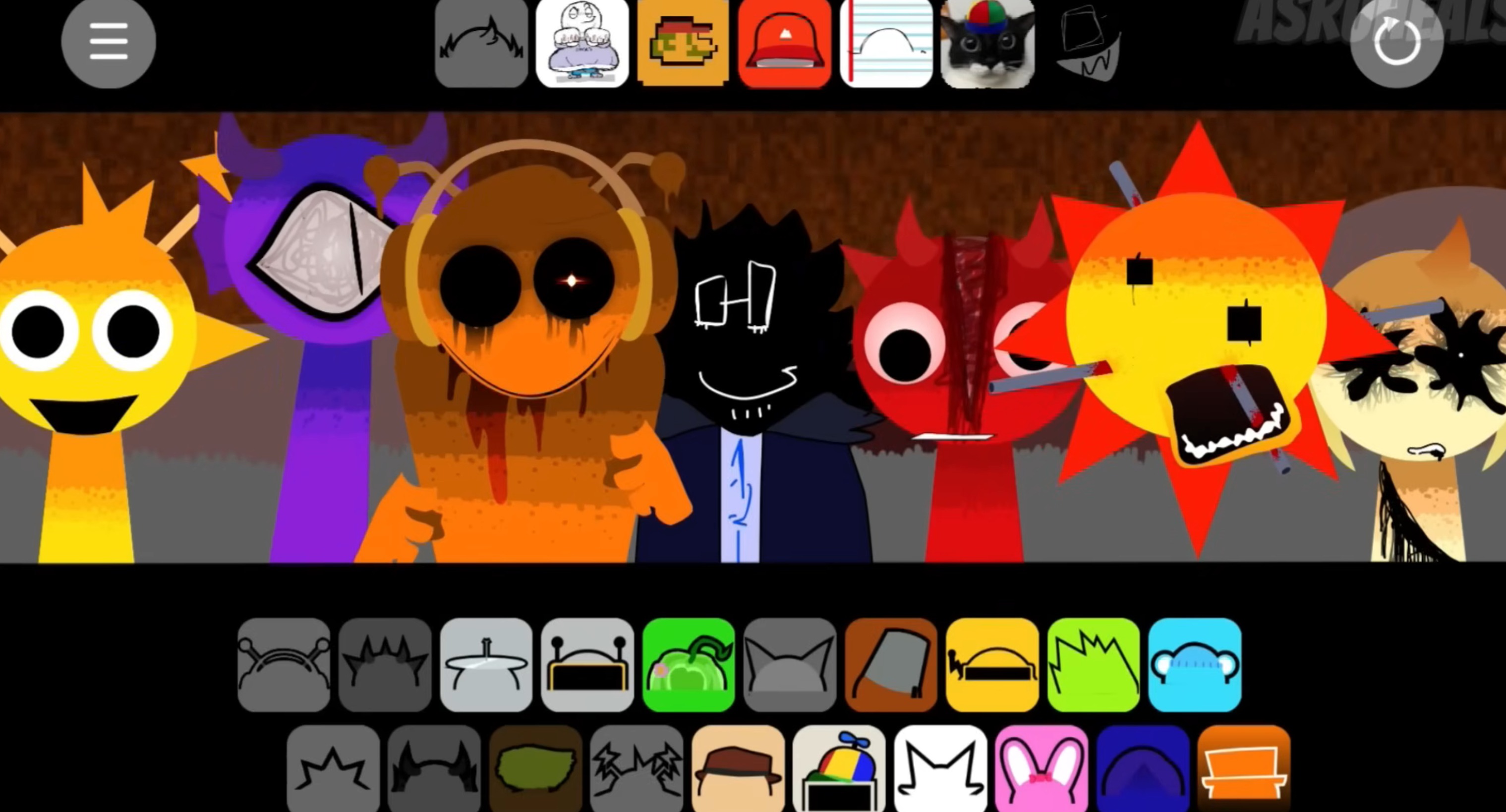
The “Betters and Loses” framework divides characters into three groups: survivors (the Betters), victims (the Loses), and threats (usually Wenda). Phase 3 adds its signature spooky aesthetic—think dark purples, glitchy visuals, and minor-key melodies that crawl under your skin. When you combine these elements, you’re not just dragging characters onto a stage. You’re assembling the cast of a tragedy, each one carrying scars from a violent event that the community calls “the massacre.”
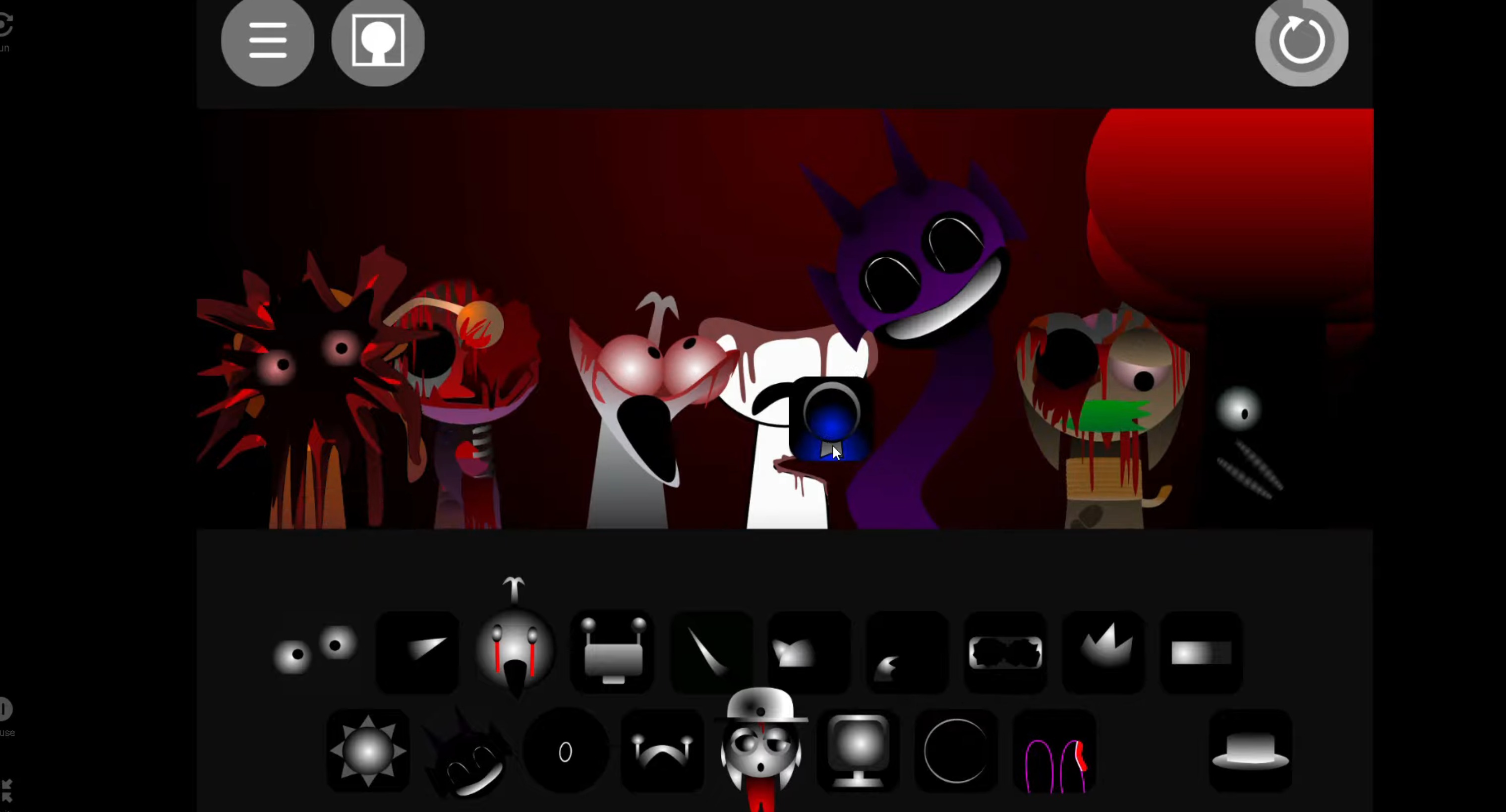
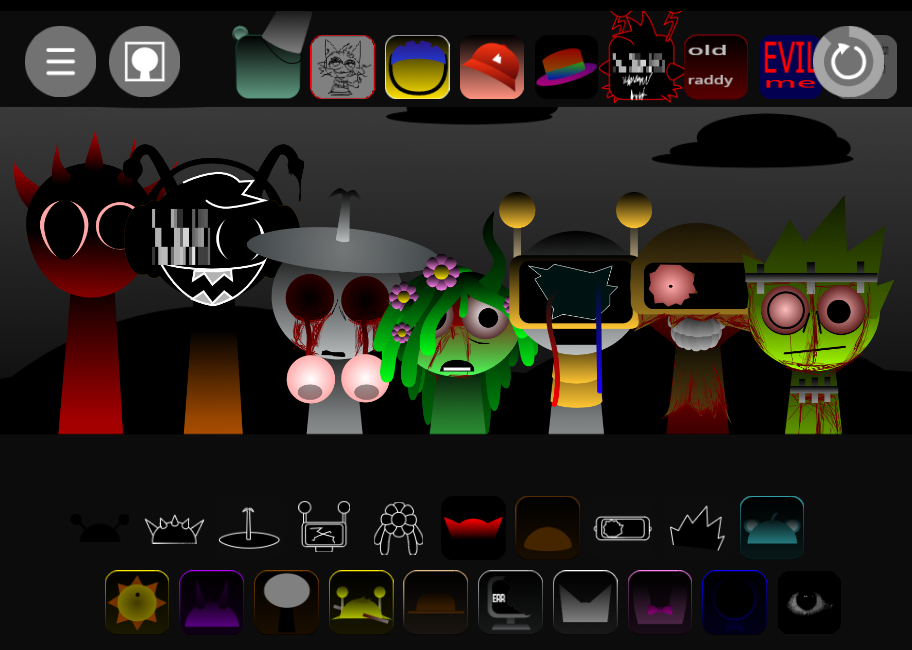
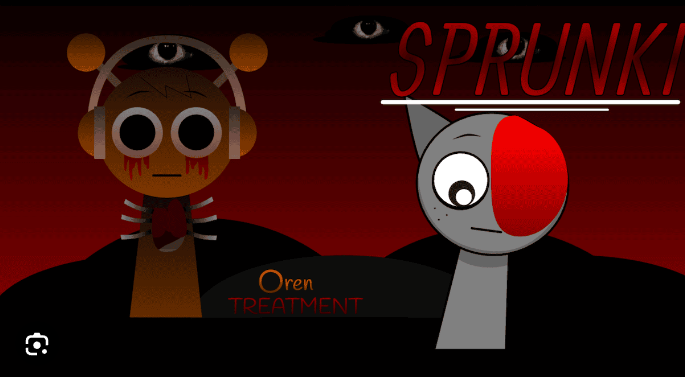
This mod doesn’t hold your hand with tutorials or story cutscenes. Instead, it uses visual storytelling. Characters appear with injuries, weapons, or ghostly effects that tell you exactly what happened. Gray might be clutching his chest in fear. Oren could be missing half his body. Wenda? She’s grinning with blood on her hands. Every sprite is a clue, every sound a memory of what went wrong in this twisted timeline.
| Character | Status | Visual Clue |
|---|---|---|
| Wenda | KILLER | Manic eyes, weapon in hand |
| Gray | ALIVE | Terrified expression, alert posture |
| Oren | DEAD | Severe head trauma, ghostly glow |
| Jevin | ALIVE | Hiding stance, protective aura |
The brilliance of Sprunki Betters And Loses But Phase 3 lies in how it repurposes cheerful music-making tools to tell a story about loss and survival. You’re not just creating beats—you’re conducting a requiem for the fallen.
How Phase 3 Changes the Survival Story
Phase 3 isn’t just a coat of paint. It fundamentally alters how the Betters and Loses narrative feels. The original mod often used realistic violence—guns, blood splatters, crime scene aesthetics. Phase 3 shifts this into supernatural horror territory. Deaths become more abstract, more dreamlike, more wrong.
The Sound of Tragedy
When you place a “Dead” character like Clukr onto the stage, his sound isn’t just quieter. It’s broken. Metallic clanks replace his usual cymbal rhythm, as if his robotic body is malfunctioning in death. Raddy’s beats might stutter and loop, stuck in the moment of his demise. These aren’t just audio effects—they’re narrative devices that remind you these characters didn’t make it out.
The “Alive” characters sound different too. Gray’s percussion is frantic, nervous, always on edge. Jevin’s vocals carry a mournful quality, like he’s singing a funeral dirge for his friends. Even their loops feel unstable, as if they could break apart at any moment. This creates a constant tension: Will the music hold together, or will it collapse into chaos?
Visual Distortion and the Phase 3 Filter
Phase 3’s aesthetic is famous for its weirdcore influences—grainy film effects, distorted proportions, unsettling color palettes. In Sprunki Betters And Loses But Phase 3, these visual tricks amplify the horror. Wenda’s sprite might be elongated, her limbs too long, her smile too wide. The background could flicker with static, suggesting the whole world is corrupted.
Some versions add floating particles or blood stains that react when you hover over them. Click on a specific spot, and you might trigger a hidden animation—a flashback showing how a character died, or a “Lore Card” that explains their final moments. These interactive elements turn the game into a crime scene investigation, where you’re piecing together what happened through sound and image.
Character Roster: Who Lived and Who Didn’t
The Victims (Loses)
Oren is usually the first confirmed death. His sprite shows brutal head trauma, and his sound is a slow, heavy thud—like a heartbeat that’s stopped. In Phase 3, he’s often depicted with a ghostly glow, suggesting his spirit is still trapped in the music.
Clukr, the robotic drummer, appears smashed or dismantled. His metallic body is bent at wrong angles, and his beats are fragmented clanks. The Phase 3 version sometimes shows him sparking with electricity, as if his systems are failing.
Raddy is depicted with severe injuries—missing limbs or bisected entirely. His sound loops endlessly, stuck in a glitchy pattern that never resolves. It’s one of the most unsettling audio cues in the mod.
Vineria, the plant-based character, has a unique fate. In Phase 3, she’s shown overgrown and rotting, consumed by the very nature she represents. Her sound is a slow, creaking groan, like branches breaking under weight.
The Survivors (Betters)
Gray is the de facto protagonist. His design shows him alert, eyes wide, always looking over his shoulder. His percussion is fast and jittery, reflecting his constant state of fear. Players often use him as the “anchor” of their mix, the one stable element in a chaotic soundscape.
Jevin, the blue cultist, survived by using his mystical powers. In Phase 3, he’s shown with protective symbols glowing around him. His vocals are deep choirs that sound like prayers or incantations—music meant to ward off evil.
Brud is the scrappy survivor. Despite being attacked (some lore suggests he was bitten by Simon), he’s still standing. His Phase 3 design shows him bandaged and battle-worn, but defiant. His sound is rough and aggressive, like he’s fighting back through music.
The Threat
Wenda is the center of the nightmare. In most versions, she’s the killer, shown holding a weapon and grinning with manic energy. Phase 3 exaggerates her features—elongated limbs, glowing eyes that track your cursor, a distorted voice that dominates any mix. She’s not just a character; she’s the reason everyone else is dead or traumatized.
Simon is often depicted as a puppet of the Black Entity, forced to help Wenda. His design shows him with hollow eyes and jerky movements, like he’s being controlled. His sound is discordant and unsettling, adding to the sense that something is very wrong.
Gameplay Strategies for Maximum Horror
To get the most out of Sprunki Betters And Loses But Phase 3, you need to approach it like a storyteller, not just a musician. Here are some mixing strategies that enhance the narrative:
The Ghostly Choir
Mute all the “Alive” characters and only play the “Dead” ones. This creates a haunting, empty soundscape that emphasizes the tragedy. Oren’s heavy thud, Clukr’s broken clanks, Raddy’s glitchy loops—they combine into a requiem for the fallen. It’s eerie, unsettling, and deeply atmospheric.
The Killer’s Anthem
Solo Wenda and Simon. Their sounds are designed to work together, creating a villainous motif that feels like the soundtrack to the massacre itself. Wenda’s aggressive vocals paired with Simon’s discordant backing create a sense of chaos and control—she’s the mastermind, and he’s the unwilling accomplice.
Trigger the Truth
In advanced versions of this mod, clicking on background elements or specific blood stains can trigger hidden animations or Lore Cards. These reveal how characters died or survived. It’s like a scavenger hunt for tragedy, rewarding players who explore every corner of the interface.
The Survivor’s Hope
Mix only Gray, Jevin, and Brud. Their sounds are designed to contrast with the horror—fast, defiant, mournful but not defeated. This creates a “last stand” feeling, like the survivors are using music as a weapon against the darkness. It’s a surprisingly uplifting mix in an otherwise bleak mod.
Similar Games
Final Words
Sprunki Betters And Loses But Phase 3 transforms innocent music creation into something far more profound—a digital memorial where every beat carries the weight of catastrophe. This crossover mod doesn’t simply combine two aesthetics; it creates a survival horror narrative told through distorted melodies and wounded sprites. Characters like Gray clutch their fear while Oren’s ghost haunts the soundscape with broken rhythms. Wenda stands at the center, grinning through the carnage she orchestrated.
What makes this mod resonate beyond typical fan content is its refusal to sanitize tragedy. Dead characters don’t disappear—they remain, their sounds fractured and looping like trauma that won’t heal. Survivors don’t celebrate—they create music that sounds like prayer, desperation, defiance against an unforgiving universe. The Phase 3 filter amplifies everything through weirdcore distortion, turning familiar faces into elongated nightmares and cheerful backgrounds into crime scenes waiting to be examined.
Players don’t just drag and drop sounds here. They conduct investigations, trigger hidden animations revealing final moments, and debate lore with the intensity of true crime enthusiasts. This mod proves that rhythm games can carry narrative weight when designers trust players to piece together stories from visual scars and sonic fragments. The community’s obsessive analysis—comparing injury details across versions, theorizing about the Black Entity’s influence—shows how deeply this dark symphony has embedded itself in Sprunki culture.
Sprunki Betters And Loses But Phase 3 stands as proof that music-making can become storytelling, that entertainment can coexist with genuine unease, and that sometimes the most powerful beats are the ones that remember the fallen.
Discuss
Loading comments...
Failed to load comments. Please try refreshing the page.